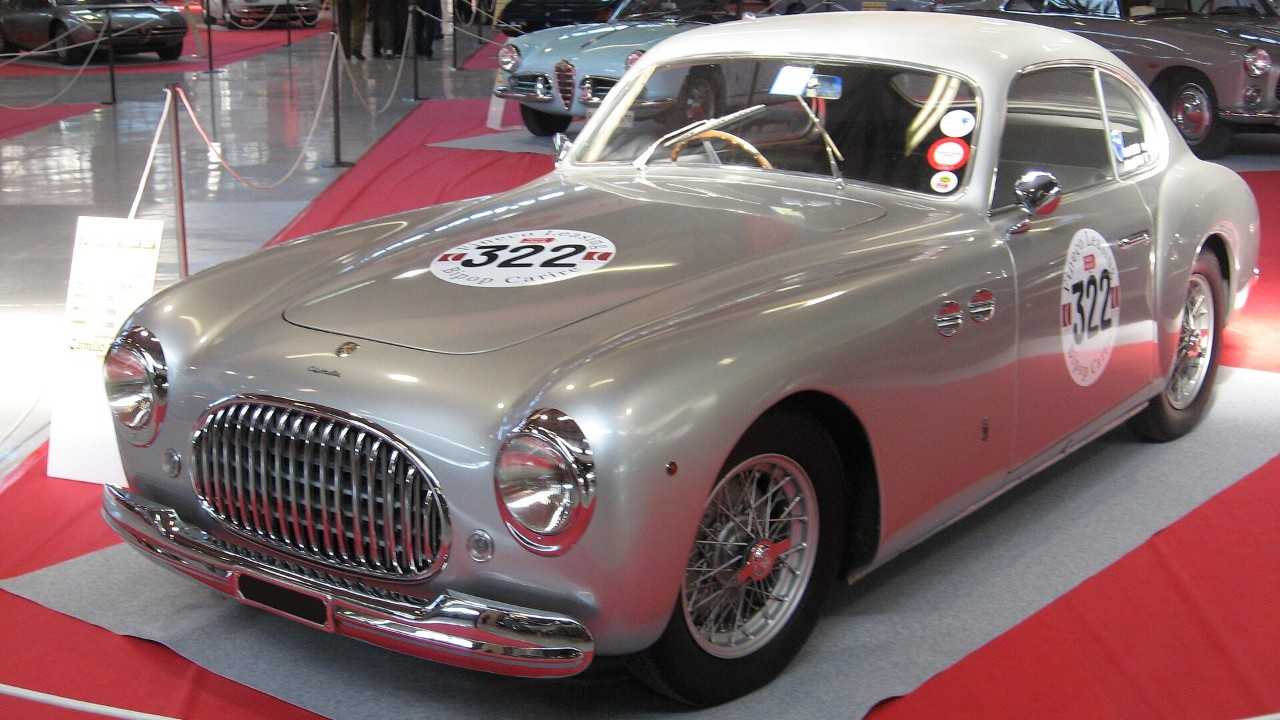
A small Italian coupe called the Cisitalia 202 ended up in New York’s Museum of Modern Art as a piece of sculpture. It’s one of several cars from the late 1940s that outgrew their first purpose. Some were built to get a country moving again after the war, and others were built to win races or turn heads.
Here are 10 automobiles from that decade that became legends, from Turin and Paris to Melbourne and South Bend.
1. 1947 Cisitalia 202
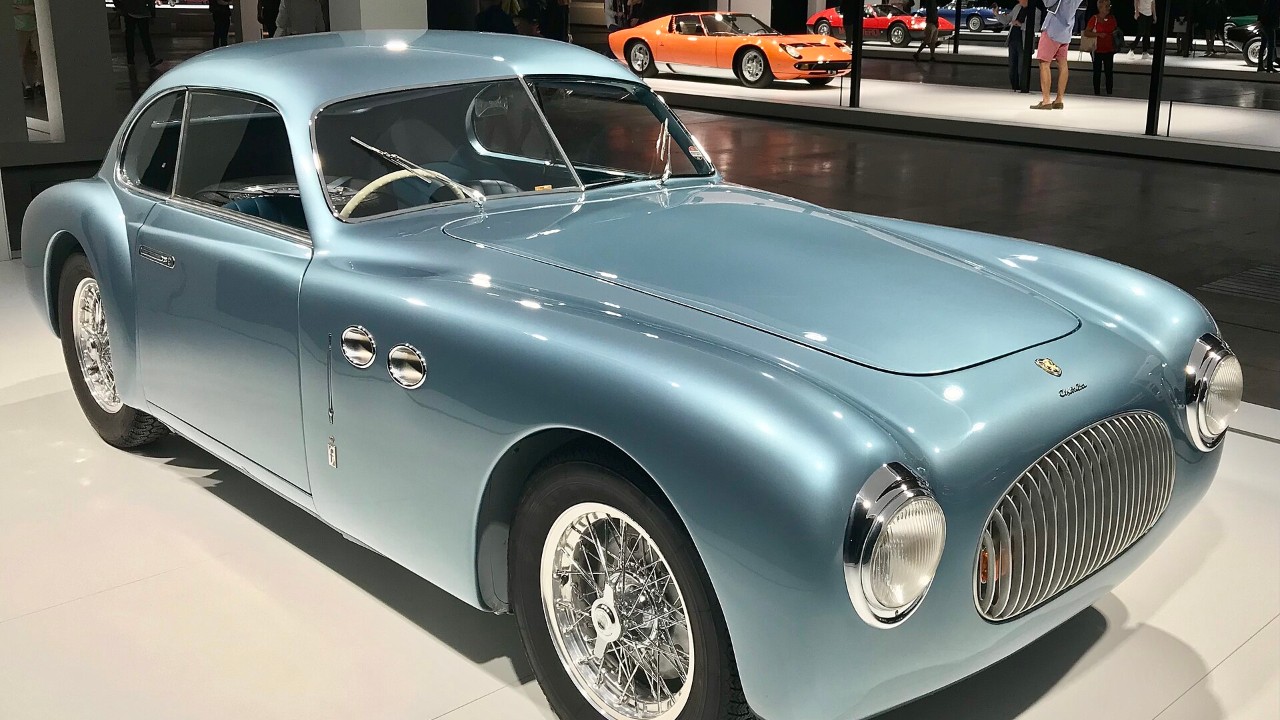
Pinin Farina styled the body, with practical input from Giovanni Savonuzzi. According to Domus, the 202 debuted at the 1947 Paris Motor Show. Meanwhile, under that low hood sat a Fiat 1100-based four tuned to 55 horsepower, in a car that weighed only 780 kilograms.
Then the art world noticed. Arthur Drexler, MoMA’s director at the time, called it “a moving sculpture.” MoMA chose the Cisitalia 202 for its 1951 “Eight Automobiles” show, and in 1972 it joined the permanent collection as the first car the museum acquired. Production figures differ: Domus counts 188 cars built from 1947 to 1952, while the Petersen Automotive Museum lists 170 coupes.
2. 1947 Studebaker Champion
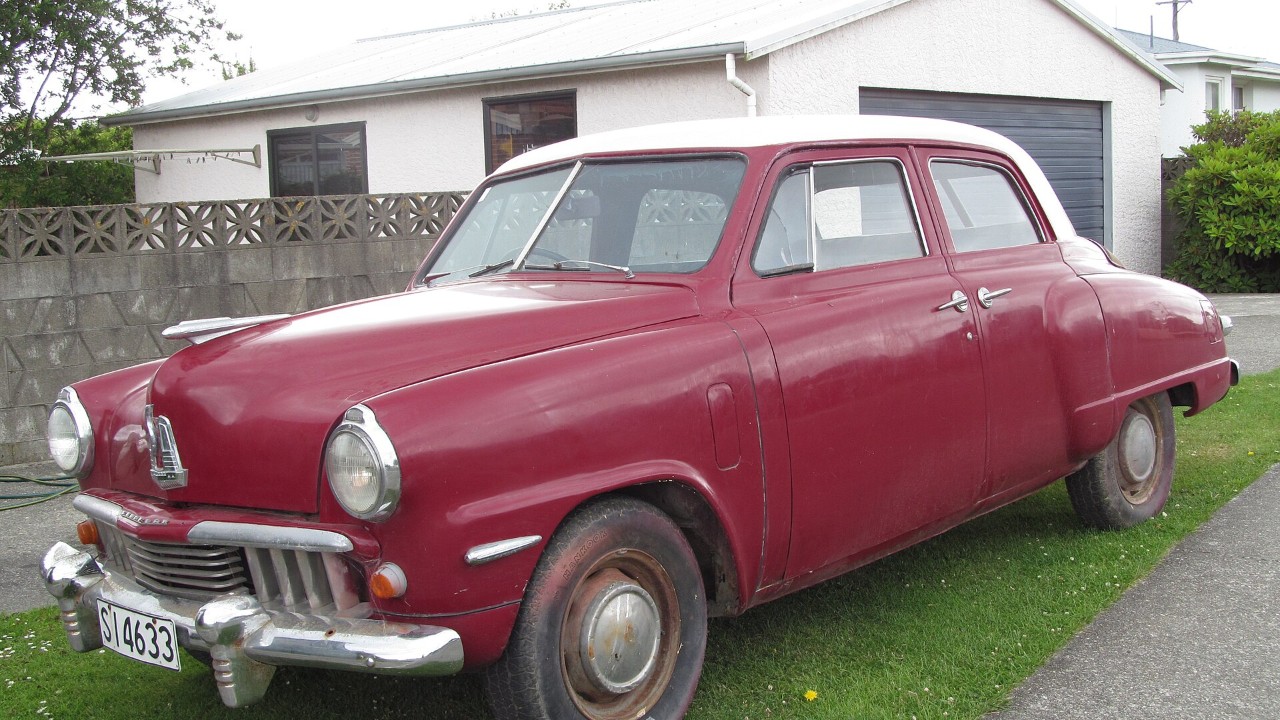
Studebaker got a new postwar car to market ahead of every other major U.S. automaker. As Mac’s Motor City Garage tells it, the company introduced its 1947 line on April 30, 1946, at the Waldorf Astoria in New York. The slogan was “First by far with a postwar car.”
Raymond Loewy and Virgil Exner, rivals more than partners, get credit for the look. The coupe’s four curved glass panels, wrapping around the rear, earned it the nickname “coming and going car.” Underneath, the Champion rode a 112-inch wheelbase with an 80-hp, 169.6-cubic-inch L-head six. Notably, the Starlight Coupe name only became official in 1949.
3. 1947 Renault 4CV

Renault engineers developed this little car in secret during the German occupation. The Renault Group’s own history says it was unveiled at the Paris Motor Show in October 1946 and went on sale in 1947. Its 760 cc engine sat in the rear to free up cabin space.
In fact, the name “4CV” referred to a four-tax-horsepower rating, not the 17 hp it made at launch. The first sand-yellow cars were nicknamed the “lump of butter.” By 1961, output had passed one million, making Renault the first French automaker to build more than a million of a single model.
4. 1947 Bristol 400
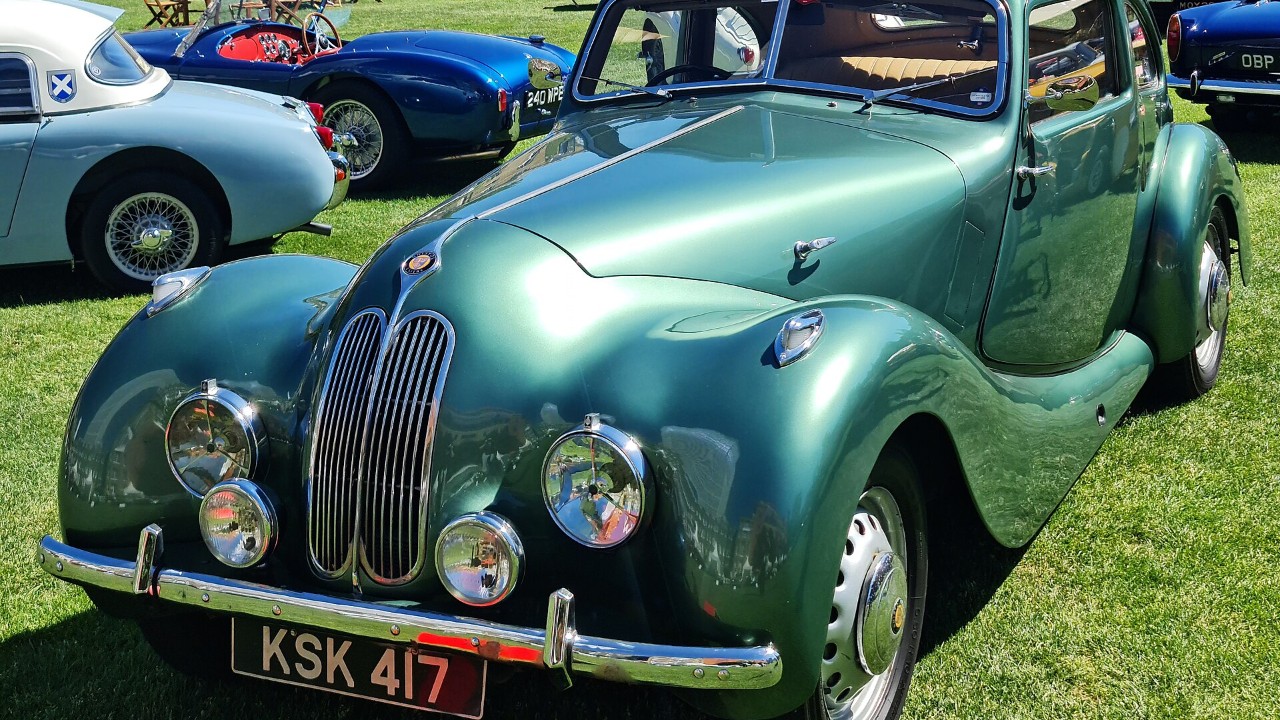
An aircraft maker turned to cars after the war, and this was the result. Conceptcarz’s history calls the 400 the first automotive product of the Bristol Aeroplane Company. It was built from 1947 through 1950, using a license from Frazer Nash to build cars based on prewar BMW designs.
In fact, that BMW link ran deep. Early Bristols paired a BMW 326 chassis with a BMW 328 engine, a 1,971cc pushrod six with hemispherical combustion chambers. Conceptcarz puts production at around 487 cars, though the same page also gives 471.
5. 1947 Jowett Javelin
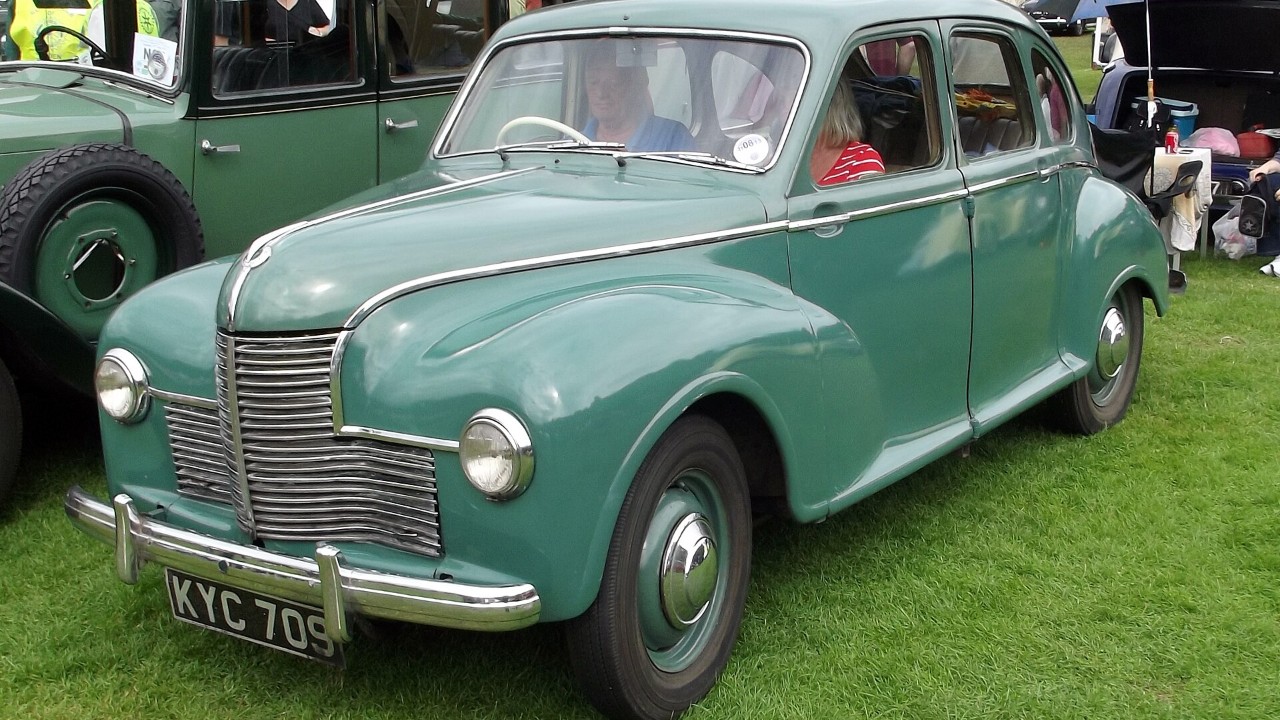
Jowett of Bradford built a sedan with ideas most of its British rivals didn’t have. Retro Motor says Gerald Palmer designed the whole car, engine included: a 1.5-liter flat-four with all-independent torsion-bar suspension. Its curved windscreen made it the first British car with one.
Better yet, it could also compete. The Javelin took a class win on the 1949 Monte Carlo Rally, with Palmer co-driving, and another at the Spa 24 Hours. However, its in-house transmission failed on 78 of the first 1,000 cars. Retro Motor counts 22,700 built before Jowett stopped trading in 1954.
6. 1948 Ferrari 166 MM
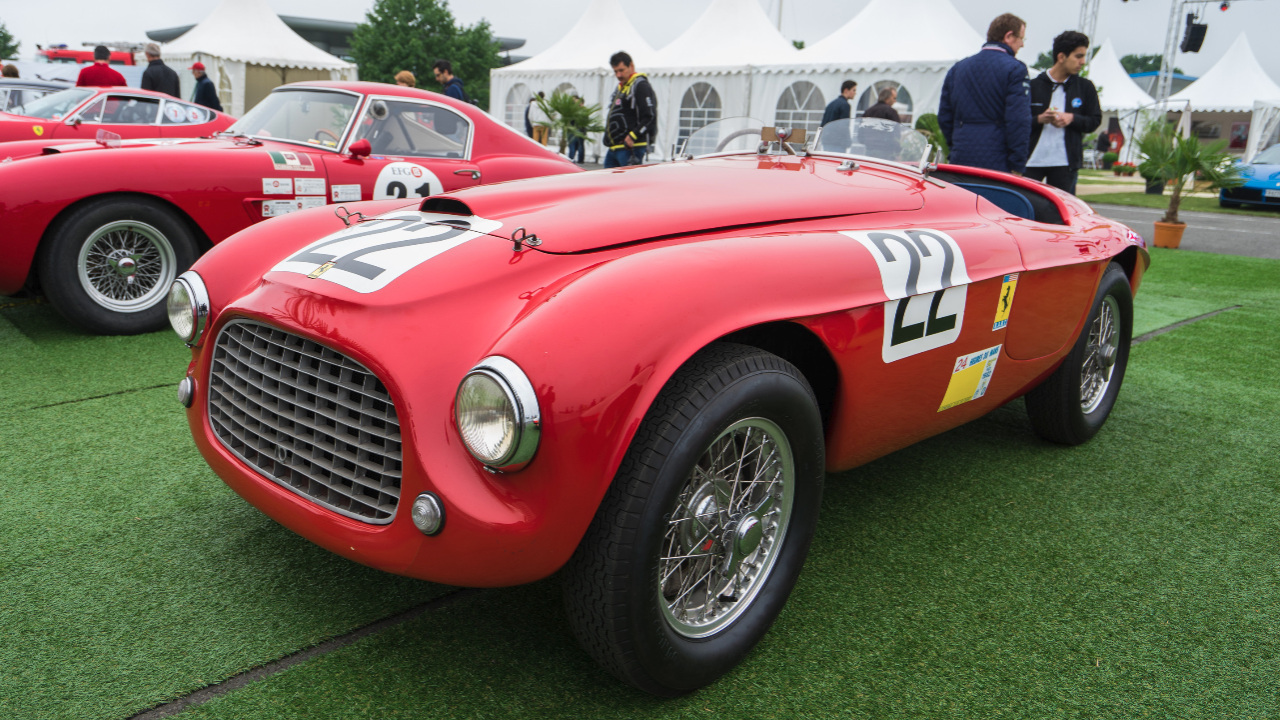
This is the car that won Ferrari its first Le Mans. Ferrari’s own magazine says the Touring-bodied barchetta launched at the 1948 Turin Motor Show, with “MM” honoring the Mille Miglia. In April 1949, two 166 MMs finished first and second in that race.
That same year, Luigi Chinetti won Le Mans in a 166 MM. The race organizers’ history describes its 2-liter V12 and says Chinetti finished so stiff that officials had to help him out. Afterward, he also won the 1949 Spa 24 Hours.
7. 1948 Citroën 2CV
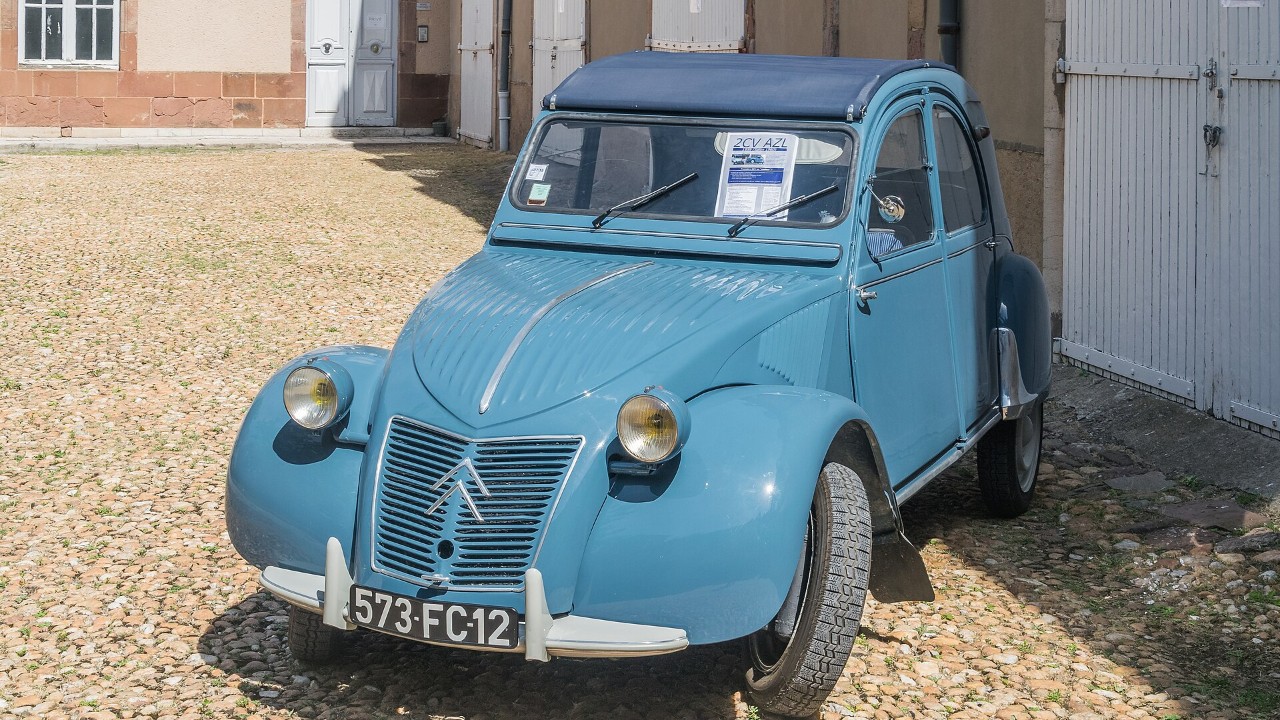
Citroën designed this car for people with modest means, and then kept building it for 42 years. TimesLIVE’s 75th-anniversary report says the 2CV made its public debut at the Paris Motor Show on October 7, 1948. Production began in July 1949.
At first, its engine was a 375cc air-cooled flat-twin rated at 6.7 kW. By the end, Citroën had built 5,114,969 of them, including 1,246,335 vans. Finally, the last one left the Mangualde factory in Portugal on July 27, 1990.
8. 1948 Standard Vanguard
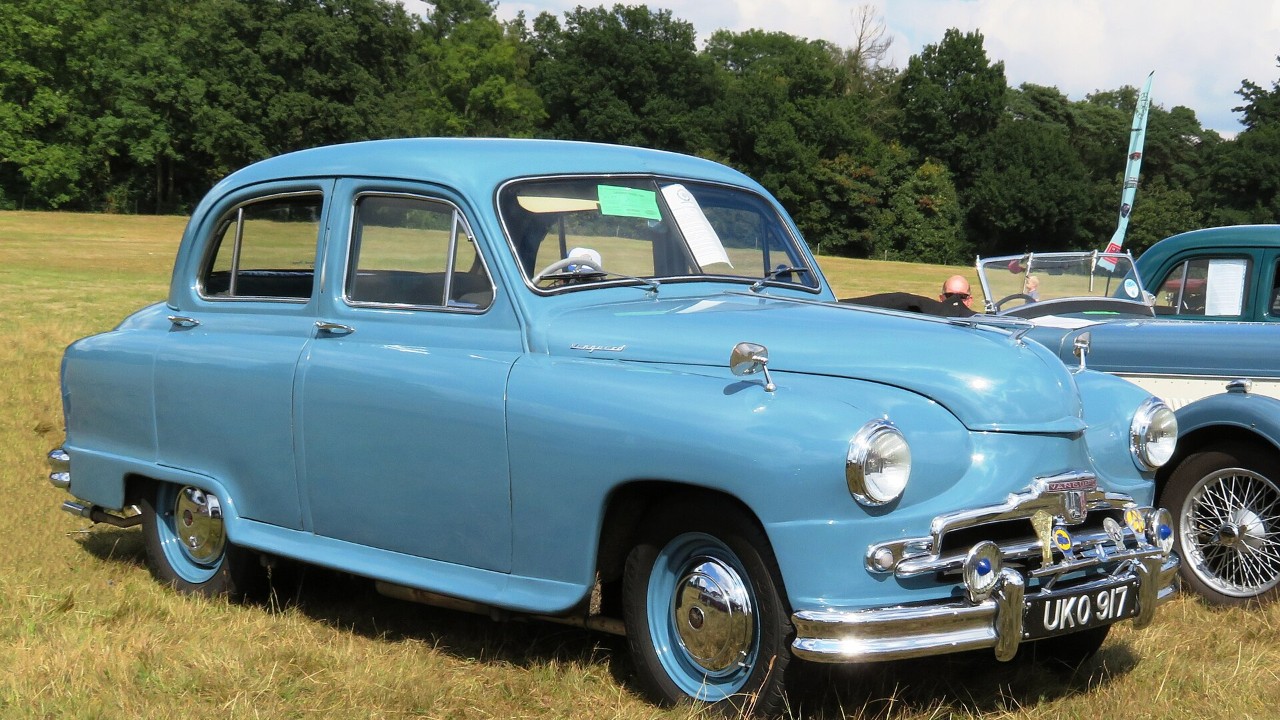
Standard built the Vanguard with buyers overseas in mind. The Standard Motor Club calls it the “UK’s first car designed for the World’s markets.” Standard announced it in July 1947, but body builders couldn’t supply volume for another 12 months.
Even then, the first cars went only to export markets. Under the hood was a brand-new wet-liner engine. According to the club, its design grew out of the need for a home-grown engine to replace an imported one in the Ferguson tractor.
9. 1948 Holden 48-215
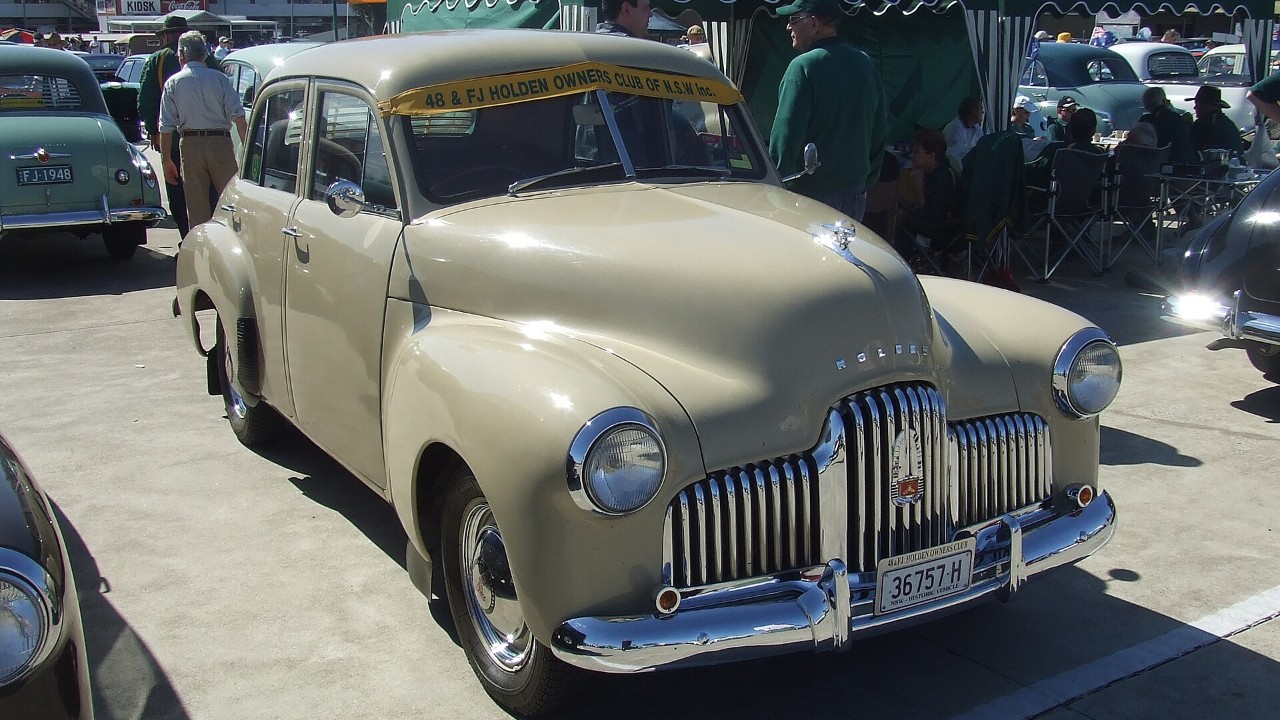
Australia’s first locally made mass-production car rolled off the line on November 29, 1948. The National Museum of Australia describes the 48-215, or FX, as the first car wholly manufactured in the country. Prime Minister Ben Chifley watched it leave the Fishermans Bend factory in Melbourne and said, “She’s a beauty!”
As a result, the car started a long run. By 1958, Holden held more than 40 percent of Australian car sales, the museum says. One million Holdens had been sold by 1962, and another million followed by 1966.
10. 1949 Buick Roadmaster Riviera
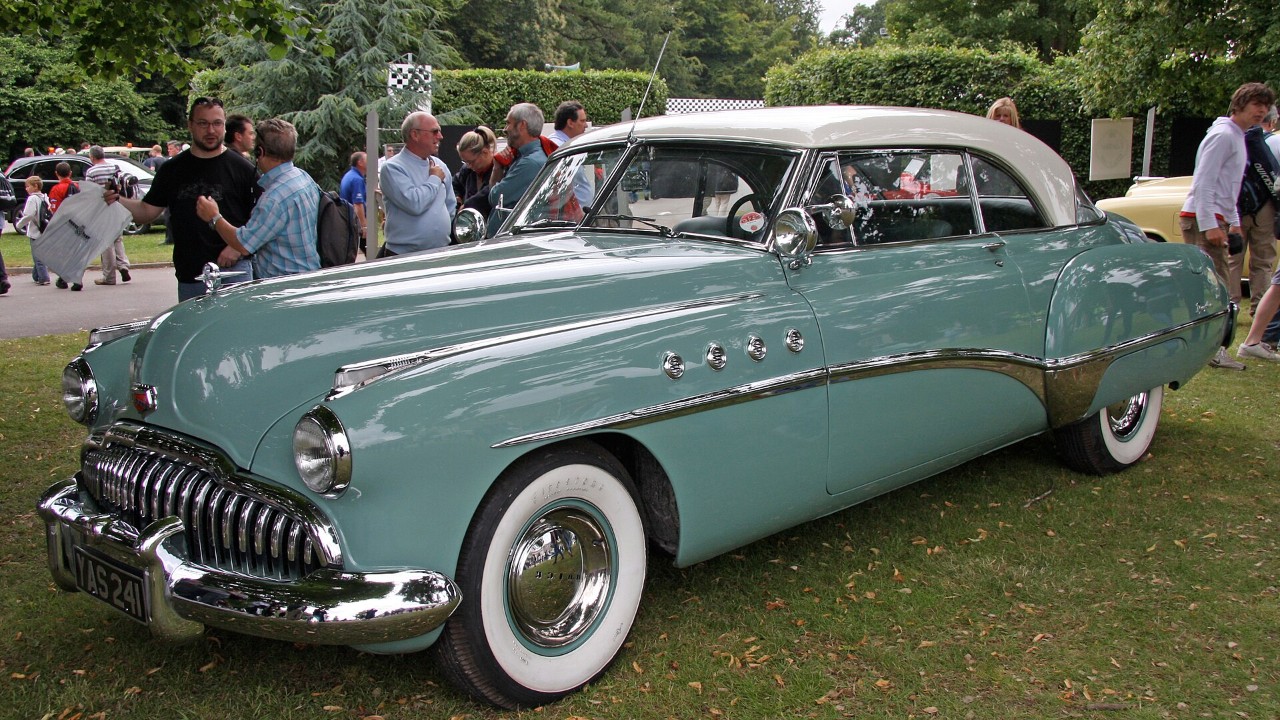
Buick didn’t invent the pillarless hardtop, but it made Americans want one. Ate Up With Motor’s history says GM’s 1949 hardtops are “popularly, if incorrectly, considered the first.” Even so, Buick’s appears to have reached showrooms first, midway through the 1949 model year, at a base price of $3,203.
Power came from a 320-cubic-inch straight eight with 150 gross horsepower and a standard Dynaflow automatic. Buick sold 3,243 that year, ahead of Oldsmobile’s 3,006 and Cadillac’s 2,150. By 1950, Buick hardtop sales had swelled to nearly 69,000, then rose past 84,000 in 1951.
More from Fast Lane Only