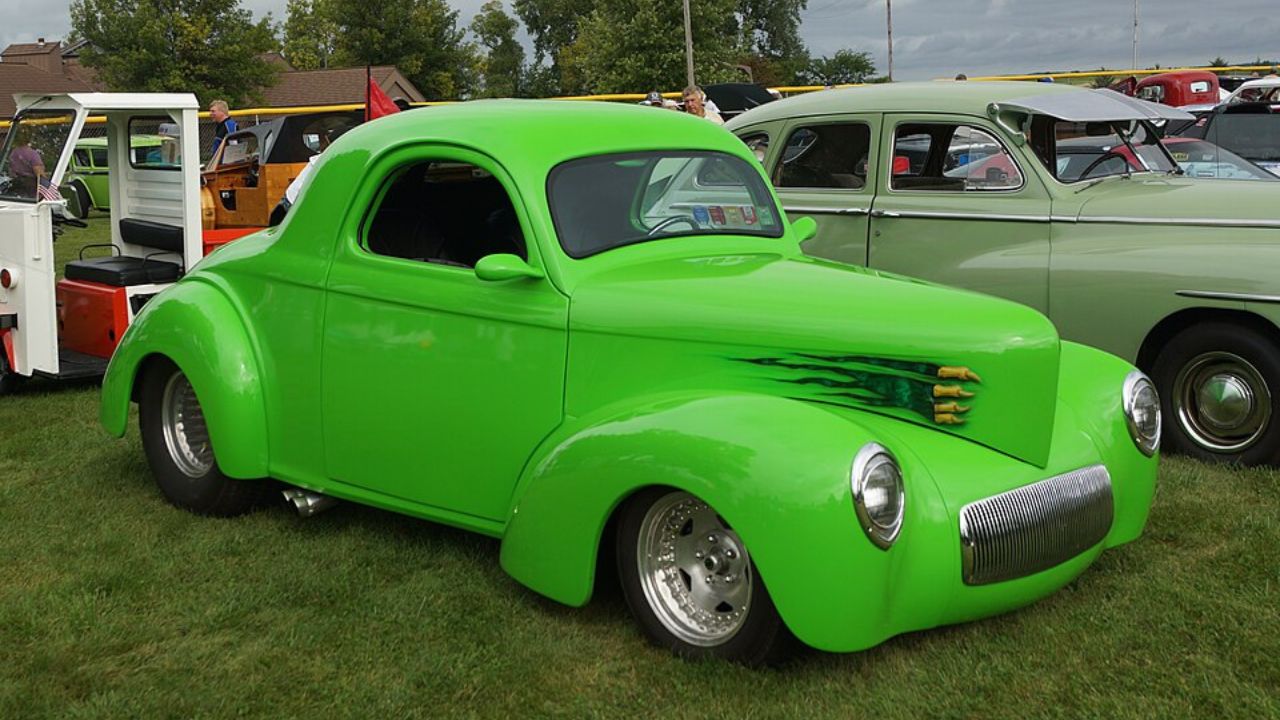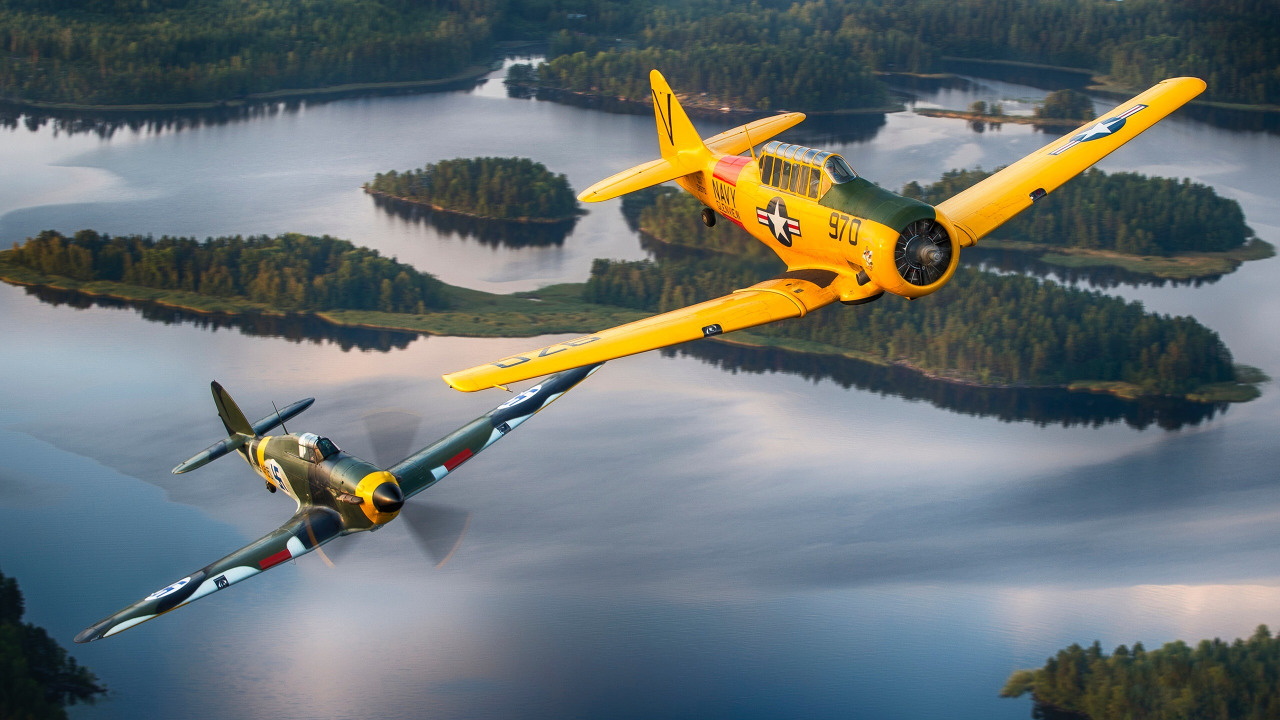
Warbirds, with their storied pasts and awe-inspiring designs, are not only marvels of engineering but also canvases for some of the most creative and striking paint schemes in aviation history. Exploring some of the coolest paint schemes ever seen on these historic aircraft celebrates the artistry and imagination that bring these warbirds to life.
The Importance of Paint Schemes in Aviation History
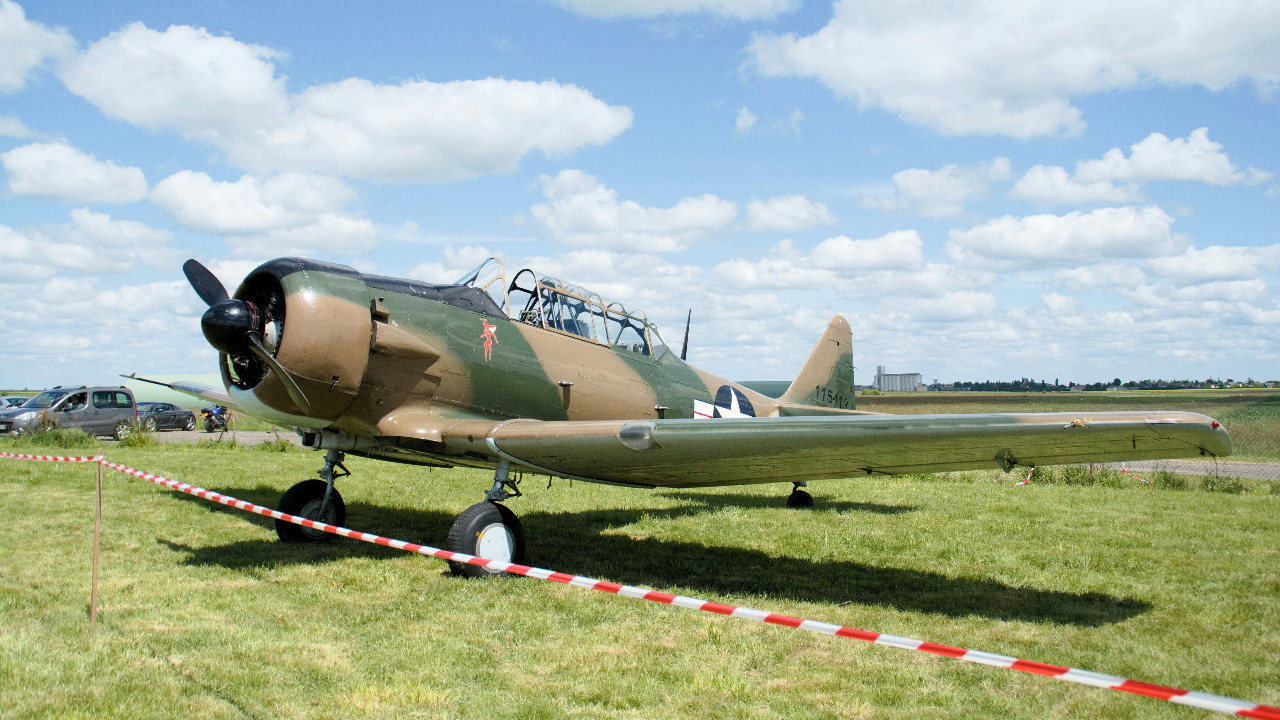
Paint schemes on warbirds have evolved significantly over time, initially driven by practical needs before becoming canvases of artistic expression. During the early days of aviation, paint schemes were primarily functional, designed to camouflage aircraft from enemies or make them more visible to allies. Over time, these designs transformed, reflecting not just practicality but also creativity and national pride. The dual roles of paint schemes have been to both conceal and showcase aircraft. For instance, during World War II, camouflage was essential for survival, yet some aircraft were adorned with bold and striking designs that made them memorable. These schemes often reflected the cultural impact of the time, showcasing the national pride and identity of the nations they represented, and can still be seen in various historical analyses.
Iconic Warbird Paint Schemes of World War II
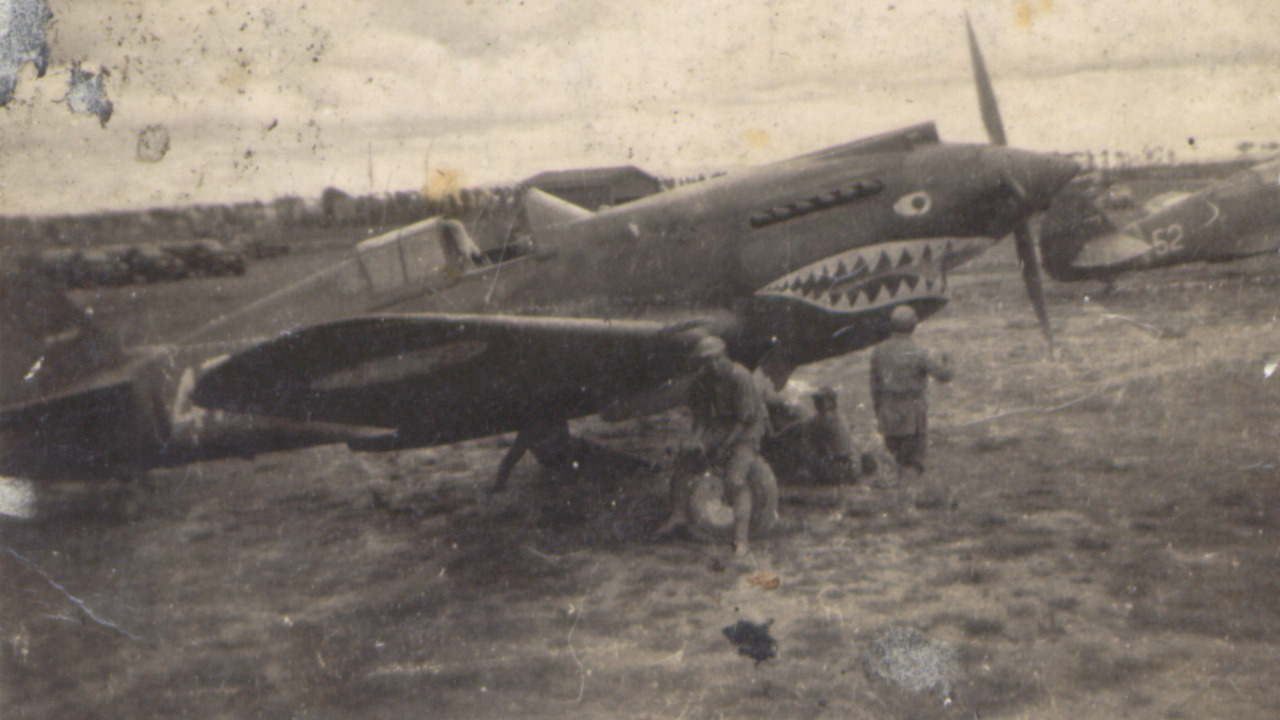
One of the most iconic paint schemes from World War II is the “Flying Tigers” of the American Volunteer Group. Their distinctive shark mouth design struck fear into the hearts of enemies and remains one of the most recognizable warbird designs today. This visual motif did more than just intimidate; it became a symbol of the daring and skill associated with these pilots. The Luftwaffe, Germany’s air force, was known for its vibrant colors and unique patterns. These designs were not only functional, providing camouflage, but also served as a form of psychological warfare. Similarly, the Royal Air Force developed its iconic roundel design, which has evolved over the years but continues to be a symbol of British aviation prowess and innovation.
Post-War Innovations: From Functional to Fantastical
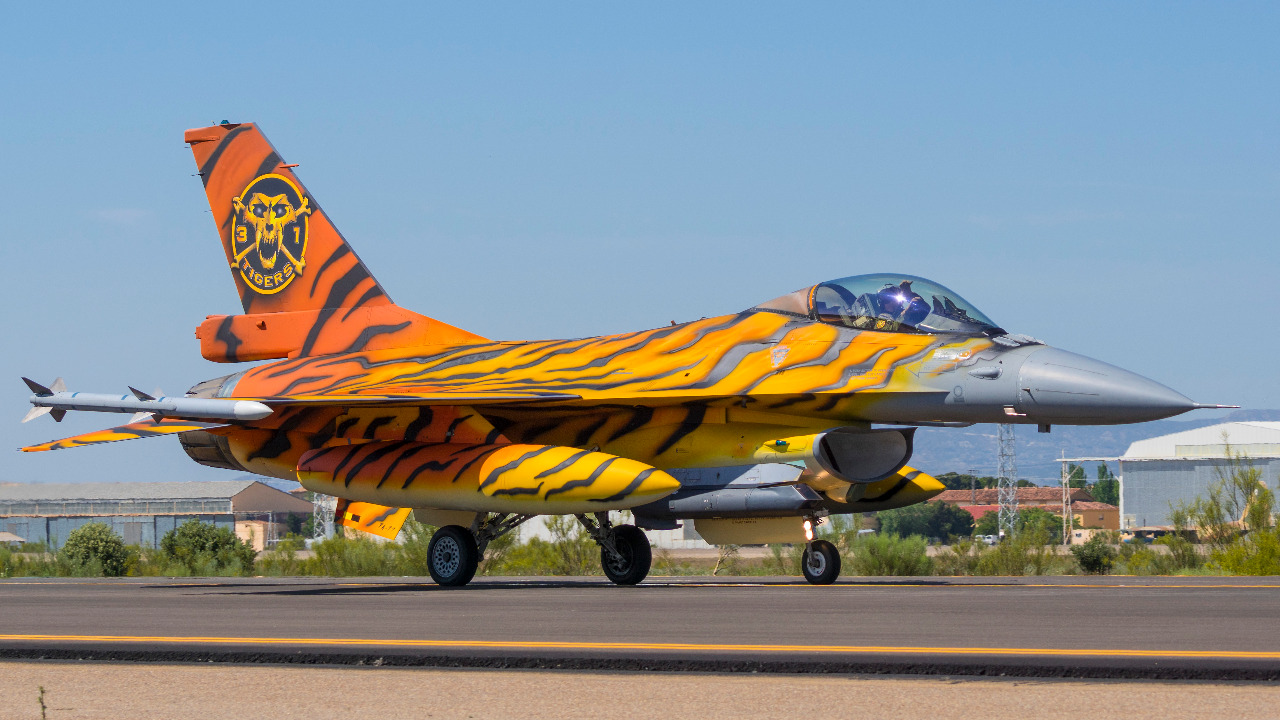
In the post-war era, paint schemes became more elaborate and creative, as seen in events like the NATO Tiger Meet. This tradition involves NATO air forces adorning their aircraft with elaborate tiger-themed paint schemes, showcasing not only artistic talent but also fostering camaraderie among international forces. Commemorative liveries have become popular, allowing modern warbirds to honor their predecessors with retro and symbolic designs. Aerobatic teams like the Blue Angels and Red Arrows have also influenced these schemes, pushing the boundaries of design to new heights. The influence of these teams is evident in the dynamic and eye-catching designs that now adorn many modern warbirds.
Modern Warbirds: A Canvas for Creativity
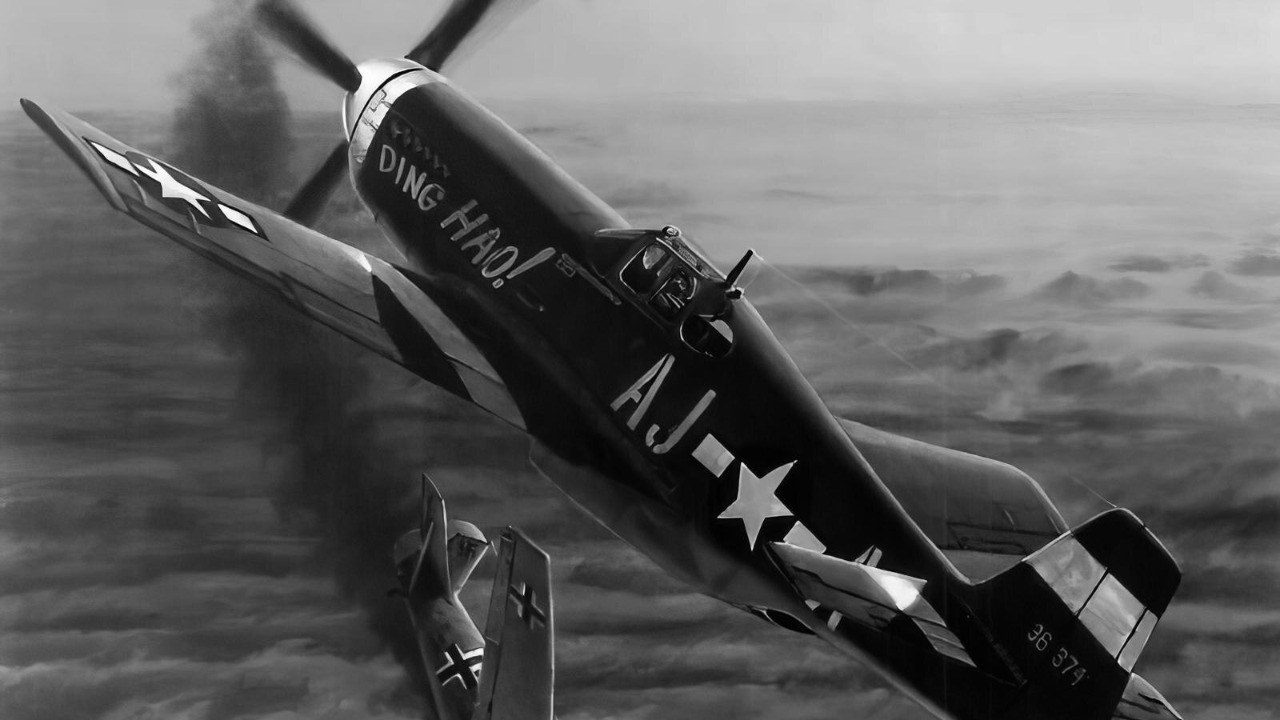
Today, individual aircraft owners often express their creativity through custom paint jobs displayed at airshows. These unique designs are not just for show; they reflect the personalities and passions of their owners. The impact of pop culture, including movies and video games, has also influenced modern warbird paint schemes, resulting in designs that capture the imagination of audiences around the world. Online aviation communities have played a significant role in celebrating these designs, with some of the most upvoted and celebrated schemes becoming community favorites. Platforms like Reddit provide a space for enthusiasts to share and discuss their favorite designs, fostering a sense of community and appreciation for the artistry involved.
Preservation and Restoration of Historic Paint Schemes
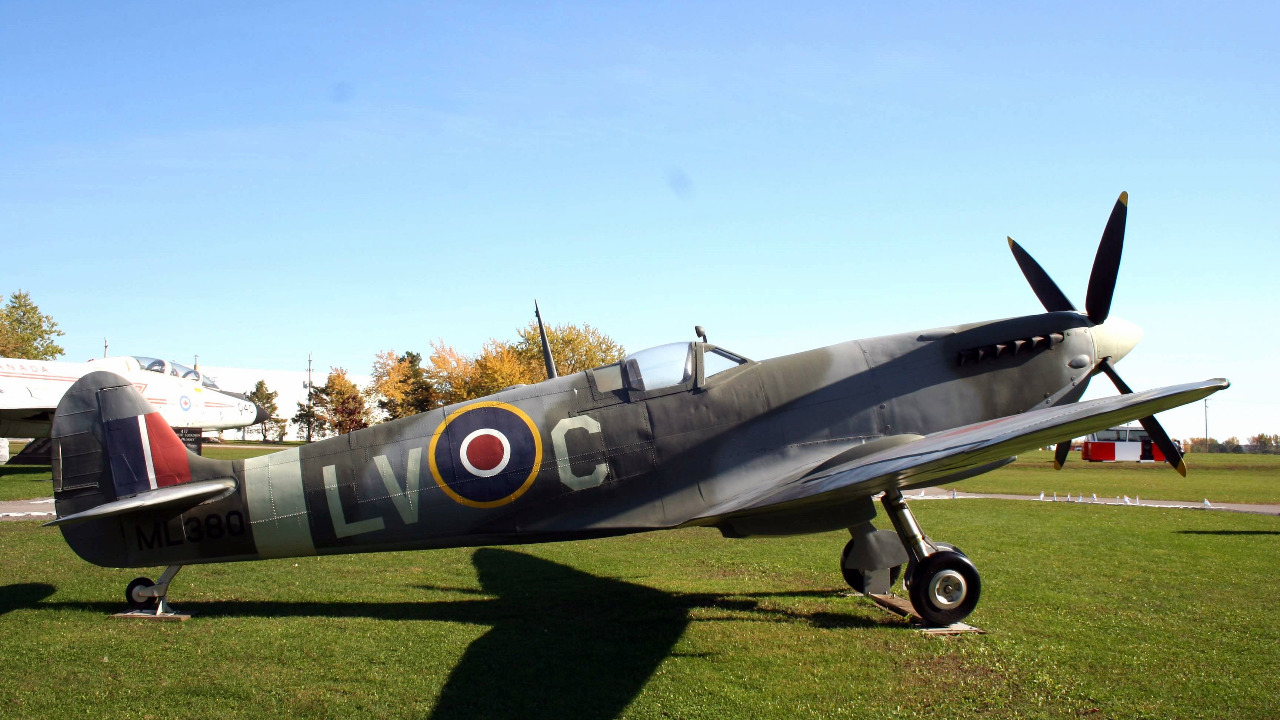
Maintaining authenticity in historic paint schemes is a challenge, as restorers must balance historical accuracy with modern restoration techniques. This is crucial for preserving the legacy of these iconic designs and ensuring that they remain a testament to the engineering and artistic achievements of the past. The role of museums and private collectors is vital in this preservation effort. By maintaining and displaying these aircraft, they contribute to the public’s understanding and appreciation of aviation history. Restored warbirds serve an educational purpose, teaching new generations about the intersection of history and art in aviation.
The Future of Warbird Paint Schemes
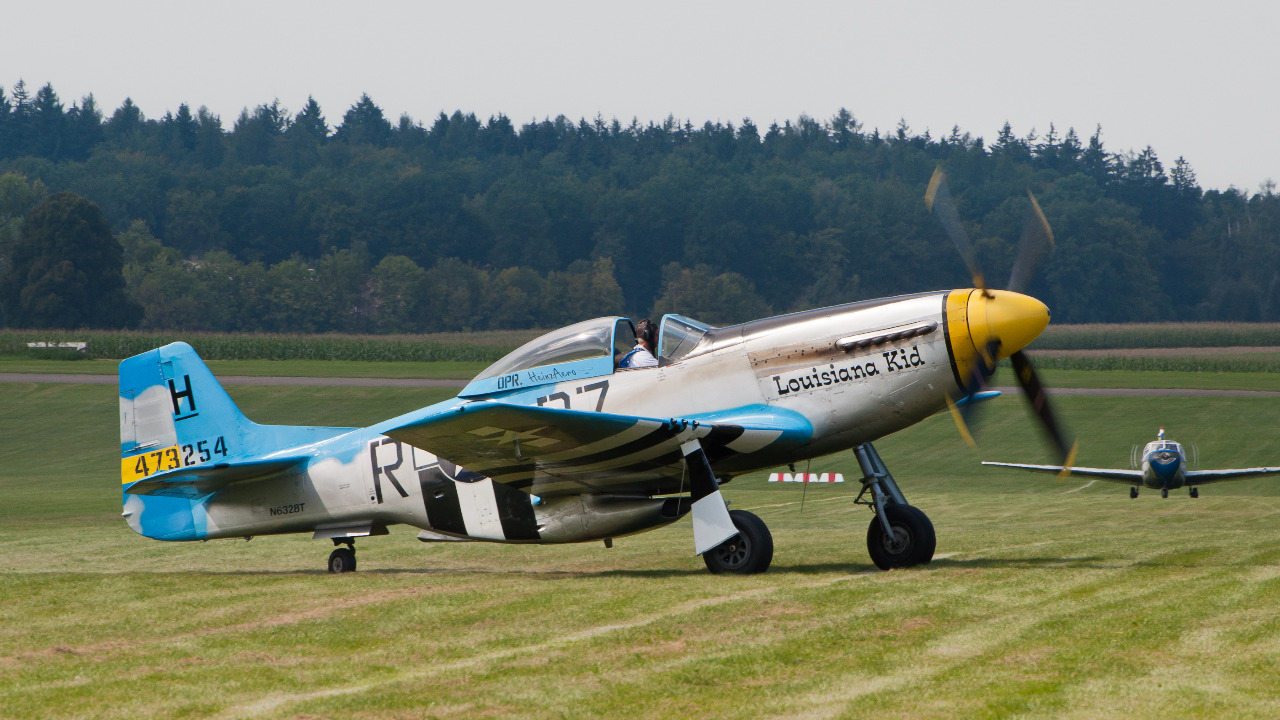
As technology advances, new materials and techniques may further influence warbird paint schemes, allowing for even more elaborate and durable designs. Increasing collaborations between artists and aviation enthusiasts are likely to result in new iconic designs that blend creativity with innovation. Digital media continues to play a significant role in shaping and sharing the evolution of warbird paint schemes. Social media platforms offer a way for artists to showcase their work and for aviation enthusiasts to engage with and celebrate these designs. The future of warbird paint schemes promises to be an exciting blend of tradition and innovation, with limitless possibilities on the horizon.
Like Fast Lane Only’s content? Be sure to follow us.
Here’s more from us:
*Created with AI assistance and editor review.