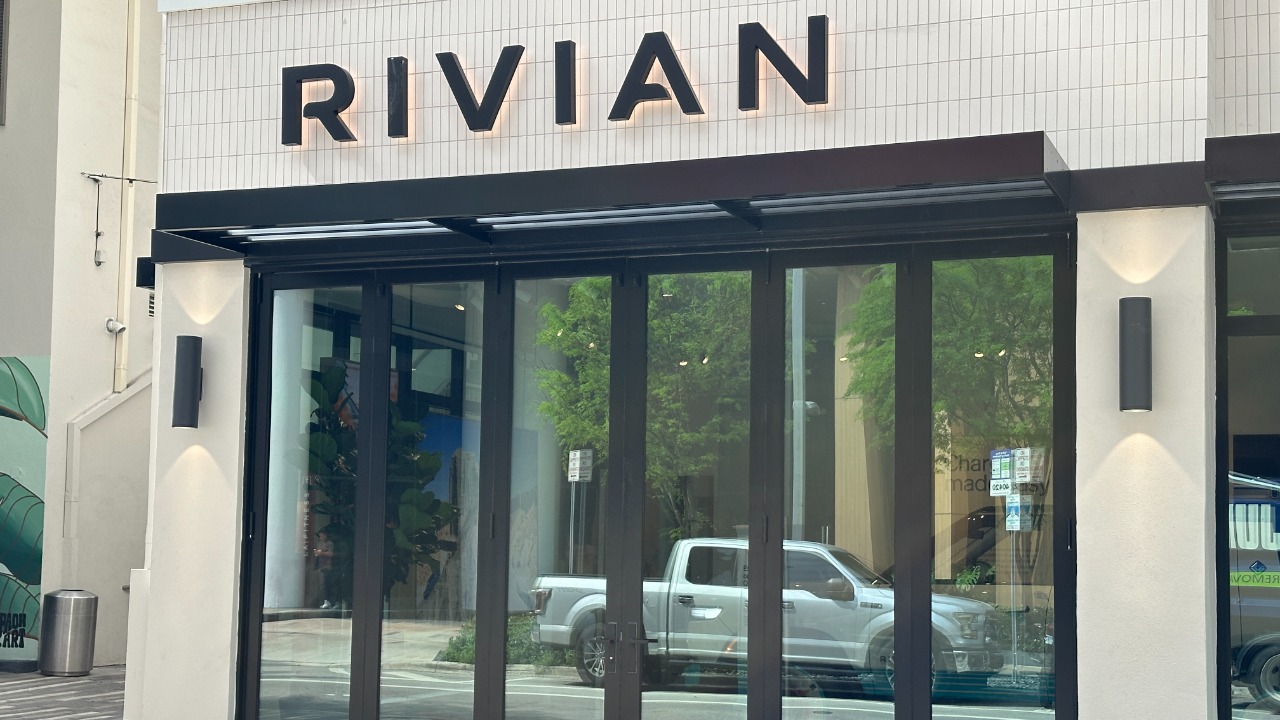
Washington is on the verge of rewriting how you can buy an electric vehicle, opening the door for Rivian and Lucid to sell directly to you rather than through traditional dealerships. For shoppers, that shift could mean more choice in showrooms, simpler pricing and a clearer path into premium EVs that have so far felt just out of reach.
How Washington’s EV sales rules are changing
For years, Washington carved out a narrow exception that let Tesla sell cars straight to customers while other automakers had to use franchise dealers. Lawmakers are now moving to extend that direct sales model to Rivian and Lucid, effectively widening what critics called a Tesla-only loophole so more EV makers can compete on the same terms.
The legislation is structured as a targeted change rather than a full rewrite of franchise law. According to one summary, its provisions restrict eligibility to United States companies that exclusively produce battery electric vehicles and that already operate at least one direct sales showroom in the state. That design keeps the focus on younger, EV-only brands instead of legacy manufacturers that still rely on large dealer networks.
The physical footprint of this shift is already visible in Seattle, where Lucid has a showroom in University Village that lets potential buyers sit in a sedan and explore options but not complete a purchase. Under the new rules, that kind of space could finally become a true point of sale instead of a marketing front that sends you back to another state or an online workaround.
Why Rivian and Lucid fought for direct access
Rivian and Lucid have built their brands around close control of the customer experience, from online configuration to delivery and service. If you have browsed the Rivian lineup, you know how much these companies lean on digital tools and factory-direct pricing. Franchise dealers add another layer that can dilute that model and reintroduce the haggling many EV buyers are trying to avoid.
Rivian did not just lobby quietly. One account notes that Rivian spent $4.6 million on a ballot initiative threat, with another reference to $4.6 m, to pressure dealer associations into negotiating. That level of spending signaled to lawmakers and dealers that the company was prepared to take the fight directly to voters if the legislature stalled.
Lucid, which already operates that University Village showroom, has also pushed to convert its spaces into full retail outlets. For buyers, their success would mean the ability to walk into a Lucid studio in Seattle, spec a Glacier White sedan, sign paperwork on-site and drive away without a third-party dealer involved.
The political deal that broke the deadlock
The politics around direct sales in Washington have been tense for years, with dealer groups warning that any erosion of the franchise system would eventually spread to all automakers. That resistance started to crack when Rivian’s $4.6 million threat made it clear that the issue could land on the statewide ballot and potentially reshape the rules far more aggressively than a negotiated bill.
Legislators responded by brokering a compromise that gives Rivian and Lucid the access they sought while leaving the core franchise structure intact for everyone else. Reporting describes how Washington dealers ultimately agreed to support a bill that lets Rivian and Lucid sell directly, in part to avoid a broader initiative that might strip away more of their protection. For consumers, that behind-the-scenes deal translates into a faster change in the showroom rather than a multi-year legal fight.
The vote in the state House captured how decisively the mood shifted. One account notes that Washington legislators backed the measure by a margin of 59 votes in favor, a sign that once the compromise landed, opposition collapsed. Instead of a narrow ideological battle, the result was a bipartisan decision to expand EV access while preserving dealer franchises for traditional brands.
What the bill actually allows
The bill that cleared the legislature is tightly tailored. It applies only to companies that are headquartered in the United States, that build exclusively battery electric vehicles and that already have at least one showroom in Washington. That mix of criteria effectively points at Rivian and Lucid and keeps other manufacturers on the sidelines unless they match the same profile.
Under the measure, Rivian and Lucid will be able to operate company-owned stores where you can complete a purchase on-site, rather than using a hybrid model that pushes you to another state. One summary notes that Washington State expects the new direct sales authority to take effect within roughly 90 days of the governor’s signature, which means you could see fully transactional showrooms open later this year.
The bill also intertwines EV access with equity. Negotiators linked the direct sales expansion to additional funding for rebates and incentives targeted at low income households, with references to tens of millions of dollars in new support. That means the same legislation that lets Rivian and Lucid sell directly also aims to help more buyers who are not shopping for six-figure luxury sedans get into an electric car.
The governor’s decision and dealer pushback
Even with strong votes in the legislature, the bill is not final until the governor signs it. Attorney General and gubernatorial candidate Bob Ferguson has been a central figure in the broader debate over consumer protection and competition in Washington. As the bill headed to the governor’s desk, dealer groups signaled that they might ask Ferguson to veto or narrow the measure, arguing that it tilts the field toward a handful of EV startups.
The political crosscurrents show up in how opponents frame the issue. Some argue that letting Rivian and Lucid sell directly eliminates the competition between auto dealerships that they say keeps prices in check. Others counter that direct sales create a new kind of competition, where you can compare a dealer-based offer from a legacy brand with a factory-direct price from an EV specialist.
For context on Ferguson’s role in state politics, you can look up Bob Ferguson and his record on consumer issues. That background helps explain why both sides in the direct sales fight see him as a potential ally.
What it means for you as an EV buyer
If you live in Washington and have been eyeing a Rivian R1T, an R1S or a Lucid Air, the practical effect is simple. Instead of configuring online and then navigating out-of-state delivery or workaround paperwork, you will be able to walk into a local showroom, talk with staff employed by the manufacturer and complete the sale in one place. One report notes that until now, some Washington shoppers have had to buy Tesla vehicles online or drive to Oregon to finalize a purchase, a hassle that Rivian and Lucid owners have also faced.
Direct sales also change the feel of the transaction. With a company store, you deal with a fixed pricing model that is set by the automaker, not by individual dealers. If you dislike haggling or add-on fees, that structure can be a relief. On the other hand, you lose the ability to play multiple local dealers against each other for a discount, something traditional buyers often rely on.
Service and support will matter just as much. Rivian already runs service centers and mobile repair units that coordinate through its app, and Lucid has been building out similar infrastructure. With legal clarity around direct sales, you can expect both companies to deepen their investment in Washington, because every new showroom and service bay now directly supports their own retail operations rather than a separate dealer’s business.
How this fits into the national fight over car sales
Washington’s move sits inside a national tug-of-war between franchise dealers and EV startups. In many states, direct sales remain limited or banned, which is why Tesla spent years fighting for exemptions one state at a time. Washington originally granted a Tesla-only carveout, and the new bill effectively extends that model to Rivian and Lucid while still blocking other automakers that use franchise networks.
More from Fast Lane Only