The 426 Street Hemi, an iconic powerhouse in the muscle car era, left an indelible mark on automotive history. Revered for its raw power and racing prowess, this engine became a symbol of American engineering excellence. However, despite its legendary status, the Street Hemi’s production was short-lived, leading enthusiasts to wonder what truly happened to this mechanical marvel.
The Rise of the Street Hemi
Image Credit: Sicnag – CC BY 2.0/Wiki Commons
Origins and Development
The 426 Street Hemi’s journey began in the crucible of competitive racing. Initially developed for NASCAR, it was created to dominate the racetracks with its unprecedented horsepower and torque. Engineers at Chrysler innovated by designing hemispherical combustion chambers, which allowed for more efficient airflow and, consequently, more power. This engineering feat quickly translated from the track to the street, giving birth to the legendary 426 Street Hemi.
The engine’s roots in NASCAR racing are a testament to its high-performance pedigree. It was so successful on the track that it forced NASCAR to change its rules to limit the use of such powerful engines, further cementing its status as a game-changer in automotive history.
Performance and Popularity
When it comes to raw power, the 426 Street Hemi was a beast. It featured a massive 425 horsepower and 490 lb-ft of torque, making it a favorite among muscle car enthusiasts. This engine was not just about numbers; it was about the experience it delivered. The roar of the engine, the feeling of power at your fingertips, and the sheer thrill of acceleration made it an instant classic. Car lovers were enamored with its performance, and the Street Hemi quickly became a symbol of American muscle.
Its popularity was further boosted by its success on the streets and drag strips. Enthusiasts admired its ability to leave competitors in the dust, and it became a badge of honor to own a vehicle equipped with this powerhouse engine. The cultural impact of the Street Hemi was profound, as it defined an era of automotive performance and excitement.
Iconic Models Equipped with the Street Hemi
Image Credit: Sicnag – CC BY 2.0/Wiki Commons
Plymouth and Dodge Lineup
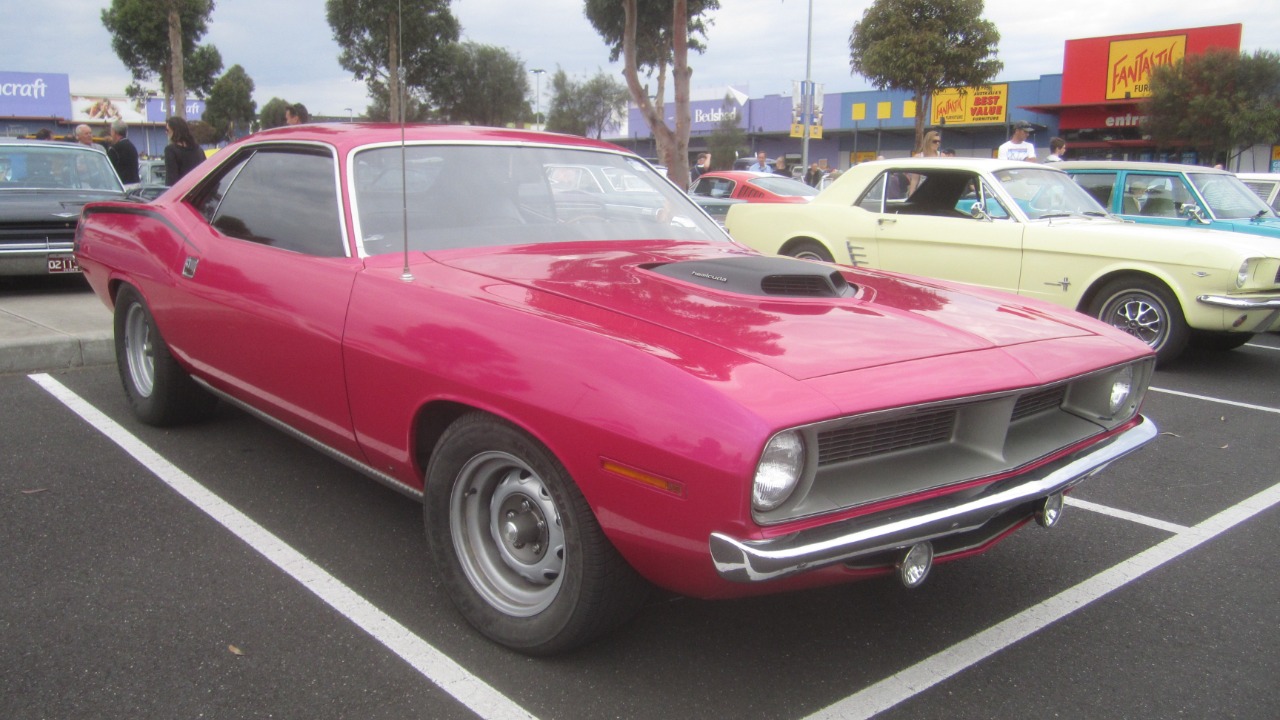
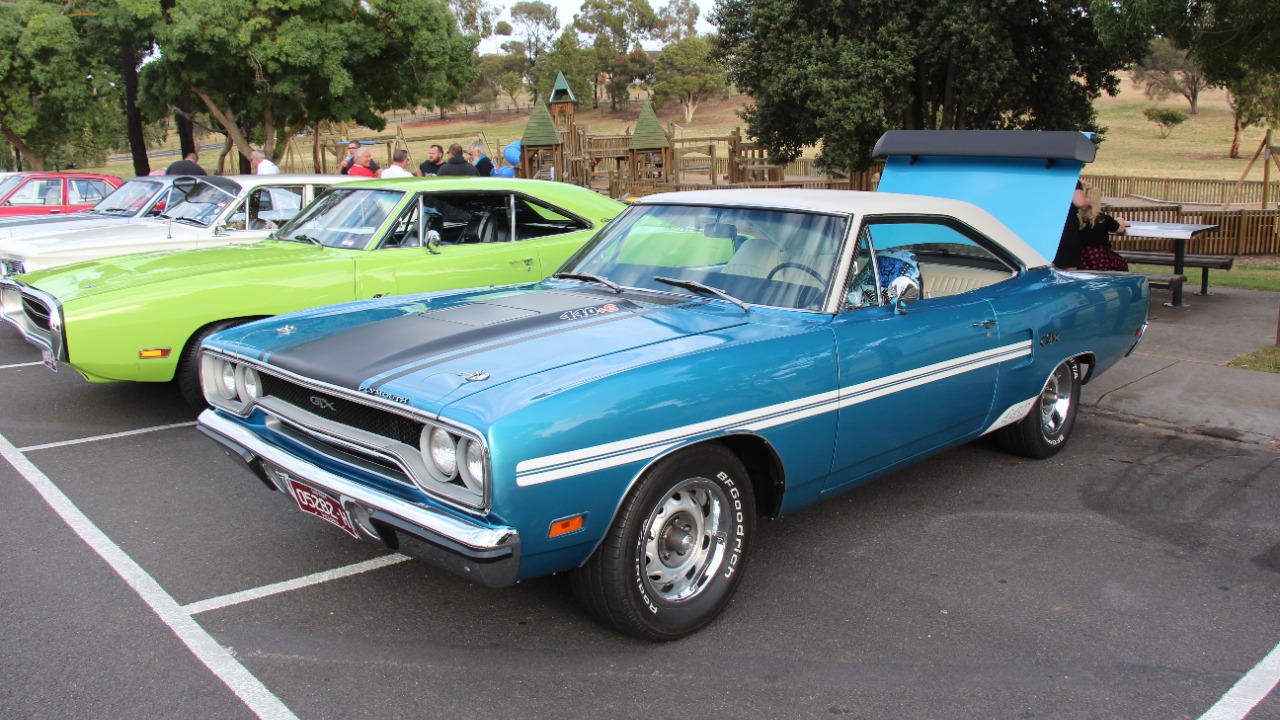
The 426 Street Hemi was featured in several iconic models from Plymouth and Dodge, solidifying its place in automotive lore. Cars like the Plymouth Barracuda, Dodge Charger, and Dodge Challenger were among the most famous to sport this engine. Each model offered a unique blend of style and performance, making them highly desirable among collectors and enthusiasts.
These vehicles weren’t just transportation; they were statements of power and performance. The combination of sleek design and the mighty Street Hemi under the hood made them instant legends. For a comprehensive list of every car factory-equipped with the 426 Street Hemi, check out this detailed overview.
Limited Production and Rarity
Despite its popularity, the 426 Street Hemi was produced in limited numbers, making it a rare find. The decision to limit production was due in part to the high cost of manufacturing and the specialized knowledge required to build and maintain the engine. As a result, cars equipped with the Street Hemi became even more desirable over time.
This rarity has added to the mystique and value of these vehicles in today’s classic car market. Owning a Street Hemi-equipped car is considered a badge of honor, and these vehicles are sought after by collectors around the world. Their limited availability only adds to their allure, making them a collector’s dream.
Challenges and Decline
Image Credit: Mr.choppers – CC BY-SA 3.0/Wiki Commons
Regulatory and Economic Pressures
The 1970s brought about significant challenges for the 426 Street Hemi, as increasing regulatory restrictions began to take their toll. Emission standards were tightening, and the powerful, high-displacement engines like the Street Hemi were under scrutiny. Additionally, the economic landscape was shifting, leading automakers to reconsider the viability of producing such powerful engines.
As regulations continued to evolve, the costs associated with making the Street Hemi compliant became prohibitive. Coupled with the changing market dynamics, Chrysler eventually decided to end production of the Street Hemi, signaling the end of an era for high-performance muscle cars.
Fuel Crisis Impact
The 1973 oil crisis further accelerated the decline of the Street Hemi. With fuel prices skyrocketing and a newfound emphasis on fuel efficiency, the demand for high-performance, gas-guzzling engines waned. Consumers were more interested in economical vehicles that could offer better mileage, leaving the Street Hemi struggling to find a place in this new automotive landscape.
As a result, the industry shifted towards developing smaller, more fuel-efficient engines, leaving the Street Hemi as a relic of a bygone era. This shift marked a significant change in automotive design and manufacturing, as the focus moved away from raw power to efficiency and sustainability.
Legacy and Influence
Image Credit: sv1ambo – CC BY 2.0/Wiki Commons
Racing Heritage
The Street Hemi’s legacy continues to thrive in racing circles, where its impact is still felt today. Its dominance on the track helped shape the world of motorsports, and its design principles have influenced countless racing engines that followed. Enthusiasts and historians alike celebrate its achievements and recognize its significant role in the evolution of racing technology.
Even in modern racing, the Street Hemi’s influence is evident. Its design and performance characteristics continue to inspire engineers and racers, ensuring that its legacy lives on in every high-performance engine developed today.
Modern Homages
Contemporary automakers often pay tribute to the Street Hemi through modern performance engines and special edition models. The revival of the muscle car genre has seen a resurgence of interest in powerful engines, and manufacturers have responded by incorporating elements of the Street Hemi’s design into their current offerings.
These modern homages serve as a nod to the past while embracing the advancements in technology that allow for improved performance and efficiency. The Street Hemi’s spirit lives on in vehicles that capture the essence of what made it great, blending nostalgia with cutting-edge engineering.
The Street Hemi Today
Image Credit: sv1ambo – CC BY 2.0/Wiki Commons
Restoration and Preservation
Today, enthusiasts and collectors are dedicated to restoring and preserving Street Hemi-equipped vehicles for future generations. These efforts ensure that the legacy of the Street Hemi continues, allowing new audiences to appreciate its historical significance and engineering prowess.
Restoration projects often involve painstaking attention to detail, as enthusiasts strive to maintain the authenticity of these classic cars. By preserving these vehicles, they are not only keeping the Street Hemi spirit alive but also celebrating a vital chapter in automotive history.
Aftermarket and Reproduction
The aftermarket industry has stepped up to support the ongoing interest in the Street Hemi by offering reproduction parts and even complete engines. This availability allows enthusiasts to continue enjoying the performance and thrill of the Street Hemi without the constraints of finding original components.
The ability to access these parts ensures that the Street Hemi remains a vibrant part of the muscle car community, as enthusiasts can maintain and even build new vehicles that capture the essence of this iconic engine.
Community and Enthusiast Groups
Enthusiast communities play a crucial role in celebrating and maintaining the legacy of the 426 Street Hemi. Online forums, car clubs, and social media groups provide platforms for enthusiasts to share their passion, exchange knowledge, and organize events that honor this legendary engine.
These communities foster a sense of camaraderie and connection among fans, ensuring that the Street Hemi continues to be celebrated and appreciated by automotive enthusiasts around the world. Their dedication keeps the spirit of the Street Hemi alive, ensuring its legacy endures for future generations.
Welcome to Fast Lane Only—the ultimate destination for everything on wheels. Whether you’re into celebrity rides, classic icons, modern muscle, or the fastest supercars on the planet, we’ve got you covered.
From the rarest collector’s cars to the high-performance machines turning heads today, we bring you stories, specs, and insider looks at the rides that matter. If it’s fast, legendary, or owned by someone famous, you’ll find it here. Buckle up and stay in the fast lane!




Leave a Reply