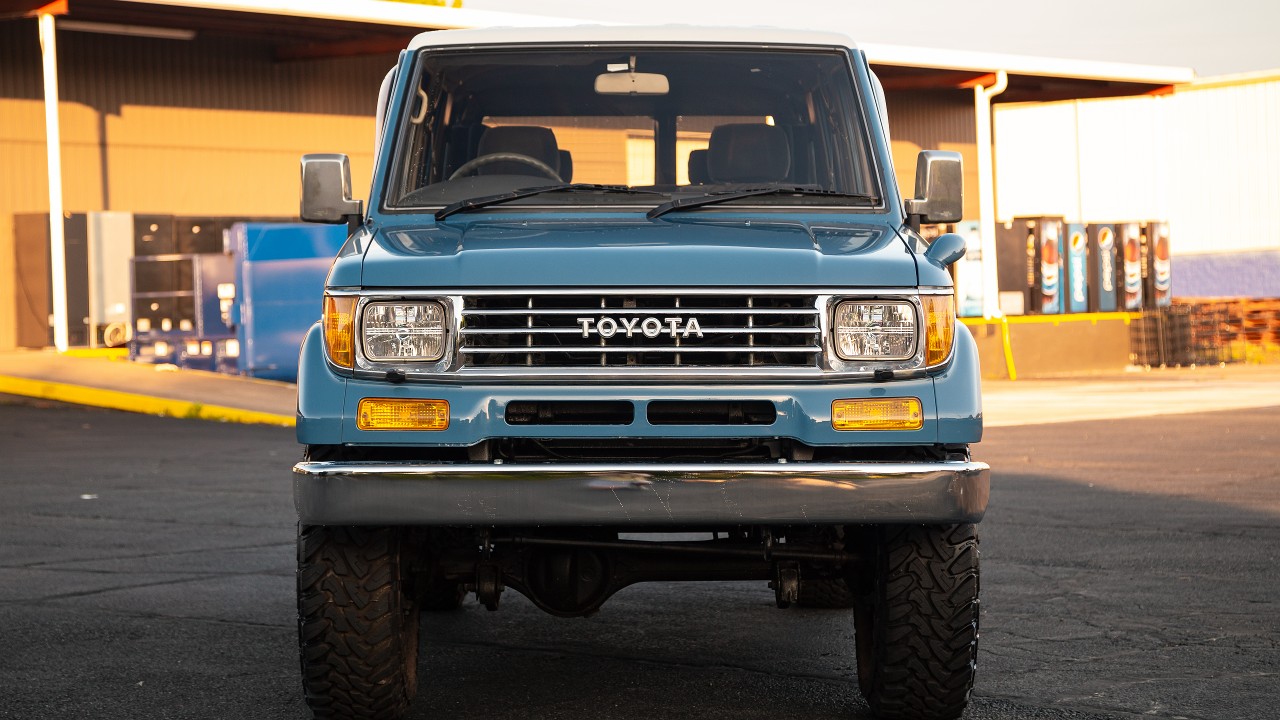
The 1994 Toyota Land Cruiser arrived at a moment when SUVs were shifting from work tools to lifestyle accessories, and it quietly proved that durability was not a niche virtue but a long term value proposition. Three decades later, owners still lean on these trucks as daily drivers and long distance haulers, turning a single model year into a rolling case study in why overbuilt engineering and real world reliability matter more than fleeting tech.
By looking at how this Land Cruiser has aged, from owner satisfaction scores to six figure odometer readings, I can trace how one boxy 4×4 helped set expectations for what an SUV should survive. The 1994 model did not just last, it convinced buyers that longevity, not novelty, was the smartest thing to pay for.
The 80 Series foundation: overbuilt on purpose
The 1994 Land Cruiser sat in the heart of the 80 Series generation, a family of trucks that treated toughness as a design brief rather than a marketing slogan. The Toyota Land Cruiser had already earned a reputation as a global workhorse, and by the time this generation arrived, the brand leaned into that heritage with a full time four wheel drive system, stout axles, and a ladder frame that prioritized strength over weight savings. Contemporary analysis of the 80 Series still describes The Land Cruiser as synonymous with off roading and adventure, a sign that the basic engineering choices of this era continue to define how enthusiasts see the vehicle.
Owners and experts often point out that The Land Cruiser was engineered for a long service life, not a quick product cycle. In enthusiast circles, one detailed breakdown notes that The Land Cruiser was designed to have a 25 year service life and that Absolutely everything about it is overbuilt to meet that target, from driveline components to cooling systems. That philosophy is visible in the 1994 model’s continued presence on trails and highways, where trucks built to a cost first mindset have long since disappeared. By treating durability as a core requirement, Toyota created a platform that could absorb abuse, maintenance lapses, and changing use cases without aging out of relevance.
Real world mileage: durability measured in hundreds of thousands
Durability is an abstract promise until it shows up in odometer readings, and the 1994 Land Cruiser’s numbers are unusually concrete. According to owner feedback aggregated over time, Reliability even at 270,000 miles is cited as a standout trait, with drivers describing the truck as still dependable at that mileage. When a vehicle can be evaluated at 270,000 miles by people who are still using it regularly, it moves from theoretical longevity into documented endurance, and the 1994 model has reached that threshold in significant numbers.
Other owners echo the same story with different figures, reinforcing the pattern rather than standing as outliers. One long term driver who notes that they Owns this car describes the 94 Land Cruiser as a tank and bulletproof, reporting that it now has 155K miles on it and is going up in value every day. Separate buying guidance for the broader 80 Series points out that it is not unusual for a Land Cruiser 80 Series to surpass 300,000 miles if properly maintained, and that this is a direct result of Series Reliability and components engineered to withstand heavy use. When a model year can be discussed casually in the context of 300,000 miles, it signals that durability has moved from marketing copy to a baseline expectation among owners.
Owner satisfaction: durability as daily value
Longevity only matters if people still like living with the vehicle, and the 1994 Land Cruiser scores unusually high on that front. In Toyota Land Cruiser Consumer Reviews, the 1994 model holds a 4.8 rating out of 5 based on 132 reviews, with 86% of respondents saying they Recommend this vehicle. Those numbers are not just a pat on the back for nostalgia, they show that owners who have spent years with the truck still see strong Value in keeping it on the road instead of replacing it with something newer but less proven.
That satisfaction is closely tied to how the truck behaves in everyday use. Owners highlight the driving experience in all conditions, from highway cruising to rough weather, and they consistently connect that confidence to the Land Cruiser’s underlying Durabili and Reliability. One review that invites readers to Save This Car underscores how attached people become to a machine that simply does what it promises year after year. When a three decade old SUV can inspire that kind of loyalty, it suggests that durability is not just a technical metric, it is a quality of life feature that shapes how people budget, plan trips, and think about risk.
Depreciation, value, and the economics of lasting
The market has noticed how long these trucks last, and the 1994 Land Cruiser’s values reflect that durability premium. Pricing and depreciation data for the model show that user sentiment suggests the overall ownership experience remains strong even as the vehicles age, with many buyers willing to pay more for a high mileage example than they might for a less proven SUV of similar vintage. When owners describe their 94 as going up in value every day, they are capturing a real trend in which the market rewards vehicles that can credibly promise another decade of service.
That economic story loops back to the original engineering decisions. Because The Land Cruiser was built with a 25 year service life in mind and Absolutely overbuilt components, buyers today can treat a 1994 truck with 155K or even 270,000 miles as a viable long term purchase rather than a stopgap. Guidance for shoppers looking at the 80 Series notes that The Land Cruiser 80 Series Reliability makes it common to see trucks surpass 300,000 miles, which shifts the cost per mile calculation in favor of an older but tougher vehicle. In practical terms, durability becomes a financial asset, turning what might have been a depreciating appliance into a store of value that can hold or even gain price as other options wear out.
How the 1994 Land Cruiser reshaped expectations for SUVs
By staying relevant for so long, the 1994 Land Cruiser helped reset what buyers expect from an SUV, especially those who use their vehicles hard. The Toyota Land Cruiser had always been associated with remote travel and difficult terrain, but the 80 Series era proved that a family friendly, relatively comfortable SUV could still be built to that standard. When owners report Reliability at 270,000 miles and describe their trucks as bulletproof, they are implicitly critiquing newer models that struggle to reach half that distance without major issues. The 1994 model became a benchmark, a reference point enthusiasts use when they talk about what modern SUVs should be able to endure.
That benchmark effect extends beyond off road circles into mainstream consumer expectations. High satisfaction scores like a 4.8 rating from 132 reviews and an 86% Recommend rate show that everyday drivers, not just hobbyists, value a vehicle that can outlast multiple trends in styling and technology. As more people notice that an 80 Series Land Cruiser can surpass 300,000 miles, the idea that an SUV is a disposable five year product starts to feel less acceptable. In that sense, the 1994 Land Cruiser did more than prove that durability mattered, it quietly argued that durability should be non negotiable, and owners have been voting with their odometers ever since.
More from Fast Lane Only: