Volkswagen’s retro-styled electric bus arrived as a $60,000 symbol of how legacy carmakers could make battery power feel fun and familiar. Now the ID. Buzz is skipping the 2026 model year in the United States, sparking confusion over whether the project has quietly died or is simply catching its breath. Based on what Volkswagen and independent analysts are saying, the answer is more complicated than a simple yes or no.
The ID. Buzz is not being erased from the lineup, but its North American rollout is being sharply curtailed while the company wrestles with slow sales, excess inventory and a shifting electric vehicle strategy. I see a vehicle that is technically still alive, yet living on borrowed time unless Volkswagen fixes the fundamentals that undermined its big nostalgic bet.
How a $60,000 nostalgia play ran into a cold EV market
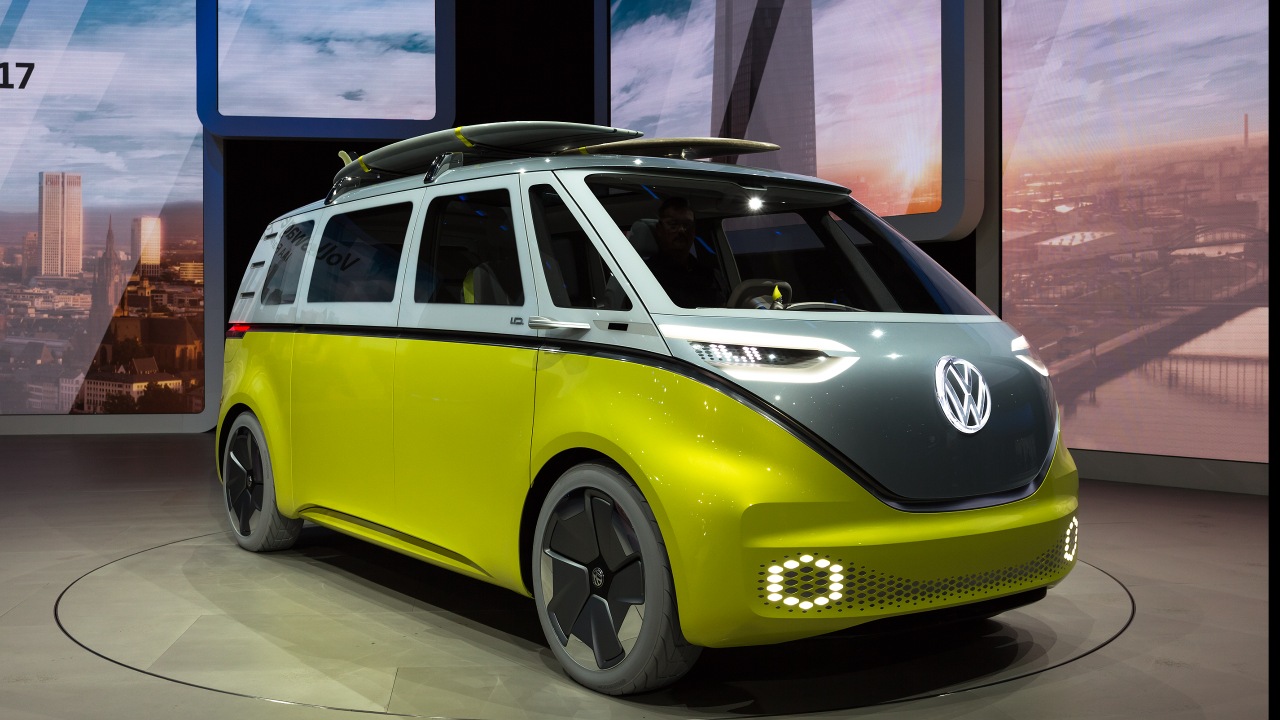
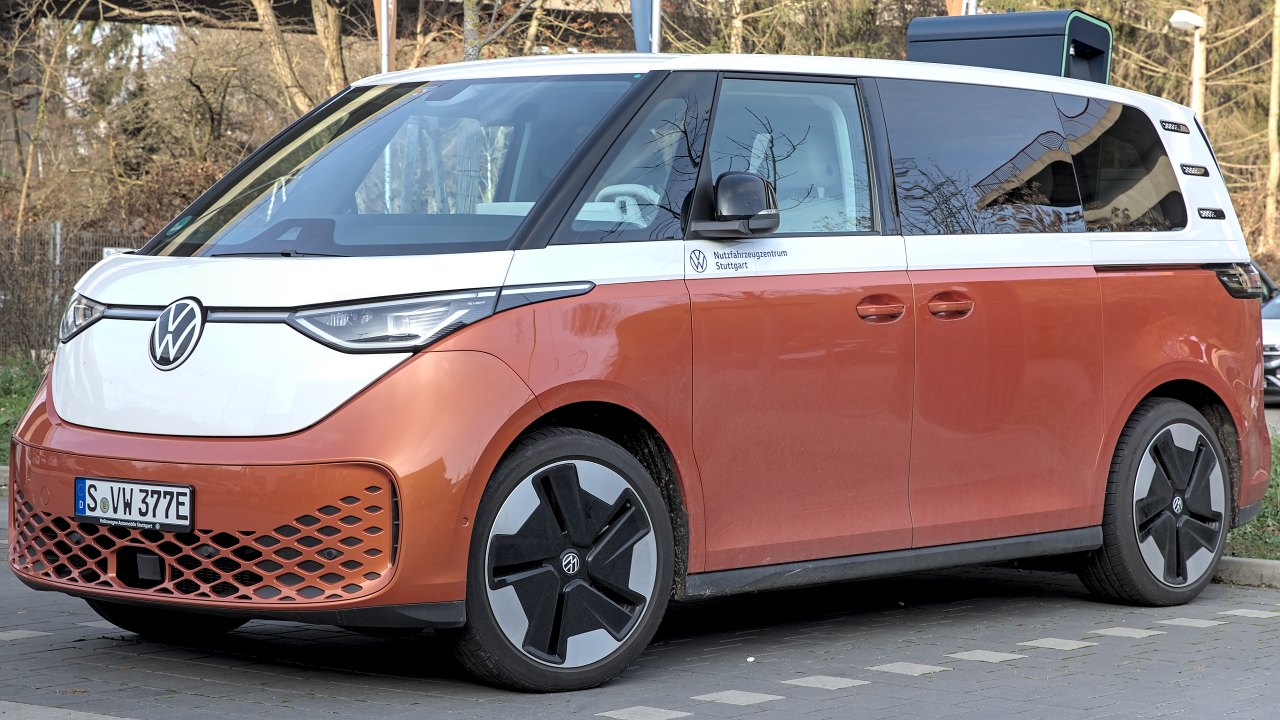
Volkswagen pitched the ID. Buzz as a modern Microbus, a battery powered people mover that could tap decades of brand affection. Instead of a bare bones van, the company delivered a premium three row EV with a price tag around $60,000, positioning it closer to luxury crossovers than to family minivans. Analysts who have dissected the launch argue that this strategy misread the core appeal of the original Microbus, which was remembered as simple, affordable and a little scruffy, not as a high priced design object, and they frame the ID. Buzz as a nostalgia play that overshot what many buyers were willing to pay.
Reporting on the program notes that Volkswagen itself has acknowledged that the reborn Microbus, officially the ID. Buzz, will not have a 2026 model year and that this decision follows a period in which vehicles have been piling up on lots. One detailed assessment of why the ID. Buzz failed points to a combination of high pricing, limited configurations and a rollout that did not fully capitalize on the van’s cultural significance, even as it tried to trade on that history. Another analysis of Volkswagen’s broader EV business describes how the company is facing a market where demand has cooled and inventories of electric models, including the ID. Buzz, have grown to the point that the brand is carrying roughly 54 days worth of unsold vehicles, a figure that underlines how far reality has drifted from the early hype.
What Volkswagen actually decided for 2026
The most important fact for shoppers is that there will be no 2026 ID. Buzz for the United States. Volkswagen of America told its dealers in an internal communication that, after what it called careful assessment of the current environment, it would stop exports of the electric bus to this market and skip the 2026 model year. That message has been echoed in public facing coverage that describes the ID. Buzz as dead for 2026, with production for North America paused while the company retools its plans. In practical terms, that means anyone hoping to order a fresh 2026 example from a U.S. dealer will not be able to do so.
At the same time, Volkswagen has been explicit that it is not scrapping the ID. Buzz entirely. Company representatives have said that the pause is intended to give the brand time to prepare for the 2027 model year and to clear out existing inventory. One widely cited report characterizes the move as a temporary halt, not a full cancellation, and stresses that the ID. Buzz is expected to return after this gap year. Another breakdown of the decision notes that Volkswagen is pulling the plug on exports of the retro electric bus to the United States for next year, but frames this as part of a broader effort to stabilize electric vehicle sales rather than as a death sentence for the model itself.
Why the U.S. market became the problem child
The ID. Buzz’s troubles are most acute in the United States, which is why the 2026 gap is focused there. Coverage of the decision to skip the 2026 model year explains that Volkswagen ID. Buzz Skips U.S. Market for 2026 is not a global statement, but a region specific move tied to weak demand and high inventories in North America. Shoppers looking for a 2026 ID. Buzz in the U.S. will not find one, while other markets continue to receive the van, a split that highlights how uneven the global EV transition has become. Analysts point out that the U.S. EV market has cooled, with growth flattening and some buyers hesitating over price, charging access and resale value, all of which hit a niche product like the ID. Buzz harder than a mainstream crossover.
Volkswagen’s own U.S. arm has been central to this recalibration. Volkswagen of America, Inc has been promoting the ID. Buzz aggressively, and the model even secured a major accolade when it was named the 2025 North American Utility Vehicle of the Year, an award that usually signals strong momentum. Yet the same organization has now told dealers that ID. Buzz production for North America is being stopped for the 2026 model year, a stark contrast between critical praise and commercial reality. One report on the export halt notes that the German carmaker has decided to stop shipping the ID. Buzz to the U.S. for next year after seeing electric vehicle sales tank and inventory build up, a pattern that suggests the van has become a casualty of a broader slowdown rather than a uniquely flawed product.
Is the ID. Buzz really “dead,” or just on pause?
The language around the ID. Buzz has fueled confusion, with some headlines declaring the electric microbus dead for 2026 and others insisting it is not cancelled. When I look past the rhetoric, the picture that emerges is of a model that is being strategically paused rather than buried. One detailed explainer stresses that the ID. Buzz is not cancelled in the U.S. and that the decision is to skip a model year while the company works through inventory and prepares updates. That same discussion notes that several electric models are getting major refreshes next year, and positions the ID. Buzz pause as part of a cycle of adjustments rather than a one way exit.
Other reporting reinforces this interpretation by describing the ID. Buzz as dead for 2026 but not gone for good, a phrasing that captures the tension between a very real interruption and the company’s stated intention to bring the van back. A closely related analysis of the electric microbus explains that Volkswagen needs time to prepare for the 2027 model year and to clear out existing stock, which has been sitting on lots longer than planned. Taken together, these accounts suggest that the ID. Buzz is alive on paper, with a future slot in Volkswagen’s lineup, but that its survival depends on whether the brand can reignite demand after a year in which the vehicle disappears from U.S. order books.
What this pause reveals about Volkswagen’s EV strategy
The ID. Buzz decision does not exist in isolation, it fits into a pattern of Volkswagen rethinking its electric portfolio for the U.S. market. Separate reporting on the company’s EV lineup notes that Volkswagen has cancelled the ID.7 EV for the U.S., even as the ID. Buzz has been celebrated with the North American Utility Vehicle of the Year award. In that coverage, the ID. Buzz is described as a bright spot in terms of recognition, but also as a model that has not translated its acclaim into the kind of sales volume the company needs. The juxtaposition of an award winning electric bus and a cancelled electric sedan underscores how aggressively Volkswagen is pruning its offerings in response to softer demand.
Commentary on why the ID. Buzz failed argues that Volkswagen could have built an icon if it had leaned harder into the Microbus’s original strengths, such as simplicity and value, instead of positioning the van as a high priced lifestyle product. That critique dovetails with reports that the vehicle has been piling up on dealer lots and that Volkswagen is now carrying weeks of unsold electric inventory, a burden that has forced the company to make tough calls about where to allocate resources. A video analysis of the situation frames the move as Volkswagen pressing pause on the ID. Buzz in the United States, skipping the 2026 model year after a launch that did not meet expectations, and suggests that the brand will need to adjust pricing, marketing or both if it wants the 2027 return to look less like a swan song and more like a second chance.
More from Fast Lane Only: