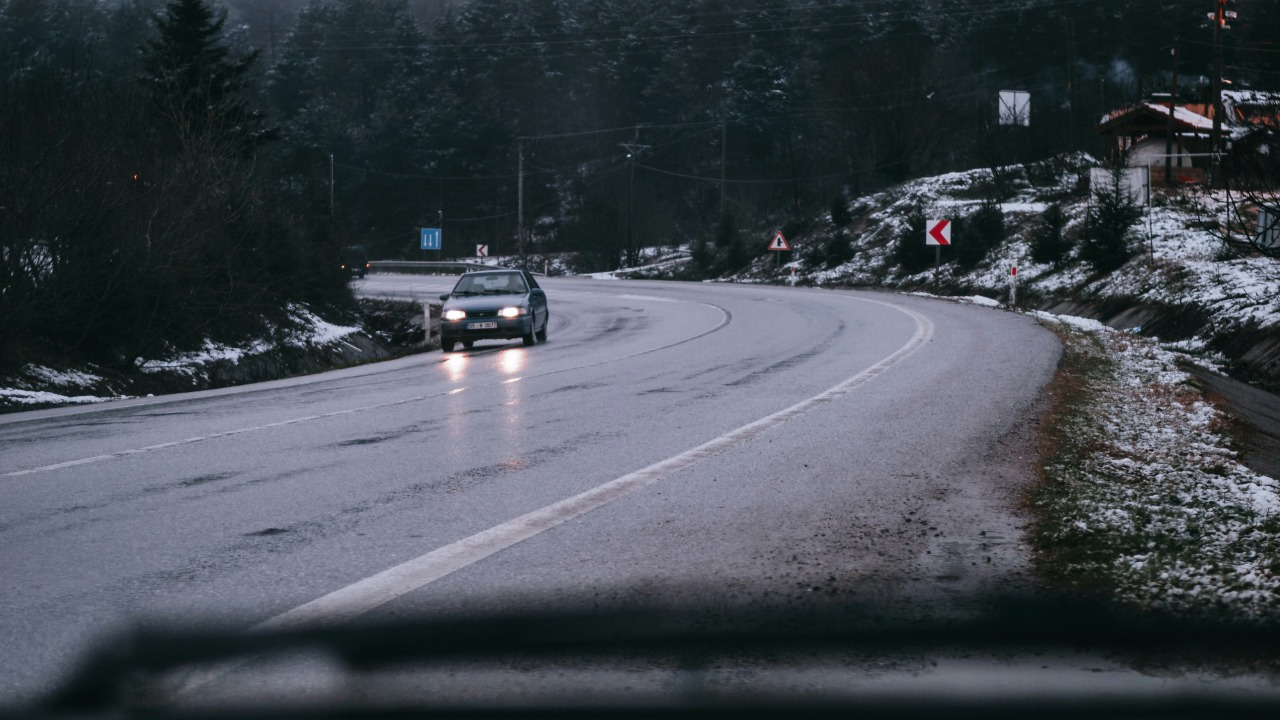
Every winter, the first real snow turns parts of the country into a demolition derby of spinning tires and flashing hazard lights. Yet in places that live with ice for months, the commute often just gets a little slower, not apocalyptic. The difference is not superhuman talent, it is a set of habits and assumptions that northern drivers treat as non‑negotiable while everyone else treats winter like a surprise.
I have spent enough time on frozen highways to see the same patterns repeat: overconfidence in technology, underinvestment in tires, and a deep misunderstanding of what ice actually does to a moving car. The northern drivers who stay out of the ditch are not braver, they are more boring, and the quiet discipline behind that boredom is what really keeps them alive.
Speed, space and the myth of “I’ve got this”
Seasoned winter drivers start with one blunt rule: speed limits are for dry pavement, not for sleet. They treat the posted number as a ceiling for perfect conditions and then dial it back hard when the road turns white. Tow operators spell this out by warning that Mistake number two is Driving Too Fast for Conditions, because Speed limits are designed around clear roads and good visibility, not black ice. Highway agencies echo that advice, urging drivers to Slow down, stretch out following distances and avoid sudden moves that can snap a car into a skid.
That discipline extends to how northerners use their gadgets. On a dry interstate, cruise control feels like a gift; on patchy snow it can quietly become a liability. Safety experts now tell drivers to Steer Clear of Cruise Control Some in winter, because a system that keeps pressing the throttle when the tires hit a slick patch can turn a small slide into a spin before a human foot ever reacts. The same logic is behind official reminders to Pass with extreme caution and to treat Excessive speed as the enemy, not the goal. It is not glamorous advice, but it is the quiet foundation of why some regions keep moving when others lock up.
Traction is not magic, it is chemistry and rubber
Ask an Alaskan or a Minnesotan what really separates winter veterans from rookies and the conversation quickly turns to tires. Drivers who live with months of snow understand that Myth number two, that All Season Tires Are Fine in Illinois Winters, is an expensive illusion. Winter compounds stay soft when the thermometer plunges, which is why Canadian clubs teach the 7‑for‑7 rule, swapping to cold‑weather rubber after seven days at 7 degrees Celsius and back again before spring heat chews them up. Northern drivers know that if you leave winter tires on too late they degrade quickly, but they also know that skimping on them in January is how fender‑benders turn into tow‑truck calls.
That respect for traction extends beyond tires to a clear‑eyed view of what drivetrains can and cannot do. Lawyers who see the aftermath of crashes remind clients that Vehicles, even with four‑wheel drive, cannot stop on a dime on ice, and that Some drivers mistakenly believe extra driven wheels fix braking. Accident specialists add that Many owners of AWD and 4WD vehicles develop a false sense of security, forgetting that those systems help you go, not stop or steer, on snow or ice. Northern social feeds hammer the point home with viral clips where troopers warn that 4wd doesnt mean 4 wheel stop, and with Midwestern pages where locals shake their heads and write Yes, it snowed a few inches and people start losing their minds while The Wisconsin and Northern Illinois Weather quietly keep rolling.
Ice is invisible, and the danger zone is not where you think
People who grow up with winter learn early that the scariest roads are not the ones buried in powder, they are the ones that look almost fine. Researchers who track fatalities on slick pavement have found that Icy road death rates are maximized in a transition zone climate, where temperatures hover around freezing and ice forms in thin, deceptive layers. Residents of those “hovering” states echo that experience, with drivers in North Carolina warning that People never seem to understand that these transition zones are the worst because they build up ice, and that Anyone can lose control at 5 miles an hour. Science backs up that intuition, noting that at certain temperatures At this temperature an icy road generally has a thin layer of water on top of the ice, which lubricates the surface just when drivers think it is “only wet.”
Veteran northerners also treat certain structures as automatic danger zones. Transportation departments warn that a Bridge deck or shady spot can be icy when nearby asphalt is not, and they tell motorists to Remember that elevated spans freeze first because cold air wraps them from all sides. Injury lawyers in hilly cities add that, However careful you are elsewhere, bridges and overpasses can freeze faster and trigger sudden loss of control. Ohio safety campaigns now single them out, with one guide labeling Tip 5 as a call to Be Extra Cautious on Bridges and Overpasses Bridges and, because they are notorious for freezing before other surfaces.
Preparation starts before you shift into drive
In northern states, winter driving begins in the driveway, not at the first intersection. Safety educators stress that Driving during winter months is unavoidable, especially if you live in the northern parts of the United States, so the only rational response is to prepare the vehicle. That means checking fluids, wipers and batteries before the first storm, not after you are stranded. It also means accepting that Winter adds a few minutes to every commute, as drivers in Ohio are discovering when For Ohio motorists who fail to clear their cars are now getting fined for what they “forget” in the cold.
Online communities in mountain towns have started spelling out the basics for newcomers. One widely shared post urges drivers to Let the car warm up and defrost, Clear the wipers and headlights, and Use a broom to knock snow off the roof so it does not slide onto the windshield or blast the driver behind you. Regional agencies in Minnesota add their own reminders, noting that With the snow coming, Your headlights may not turn on automatically and that drivers should flip them on manually in low visibility. Local newsrooms amplify the message with posts that start, Here are some tips, urging people to Slow down, Reduce speed on back roads and watch for snow clouds from the plow ahead.
Technique beats bravado when things go wrong
Even with perfect preparation, winter eventually throws every driver a slide, and this is where northern muscle memory takes over. Skilled instructors emphasize that what saves you is not panic braking but practiced More refined technique: looking where you want to go, easing off the throttle and steering gently into the skid. One detailed video promises that viewers will learn the exact habits, techniques and space management strategies that keep cars out of the ditch, and it mirrors what veteran gamers turned drivers describe when they say the Key item is practicing turning into the slide, a move that became instinctive after hours of Gran Turismo.
Drivers in snowy cities also learn to use their gearboxes as tools, not decorations. Advice threads in Appalachian towns tell people that in slick conditions, High gears will ensure that a smaller force is applied to the wheels while accelerating, which reduces wheelspin on ice. European safety leaflets echo that mindset, urging motorists to Manoeuvre gently, Too much steering is bad and to use engine braking downhill, especially through bends. Trucking attorneys, who see the worst‑case scenarios, explain how Weather Factors Contributing to a Jackknife Truck Accident The include a thin water layer that reduces friction, and how Drag from a trailer can push a rig sideways. The lesson for everyday drivers is simple: smooth inputs and respect for physics beat bravado every time.
More from Fast Lane Only