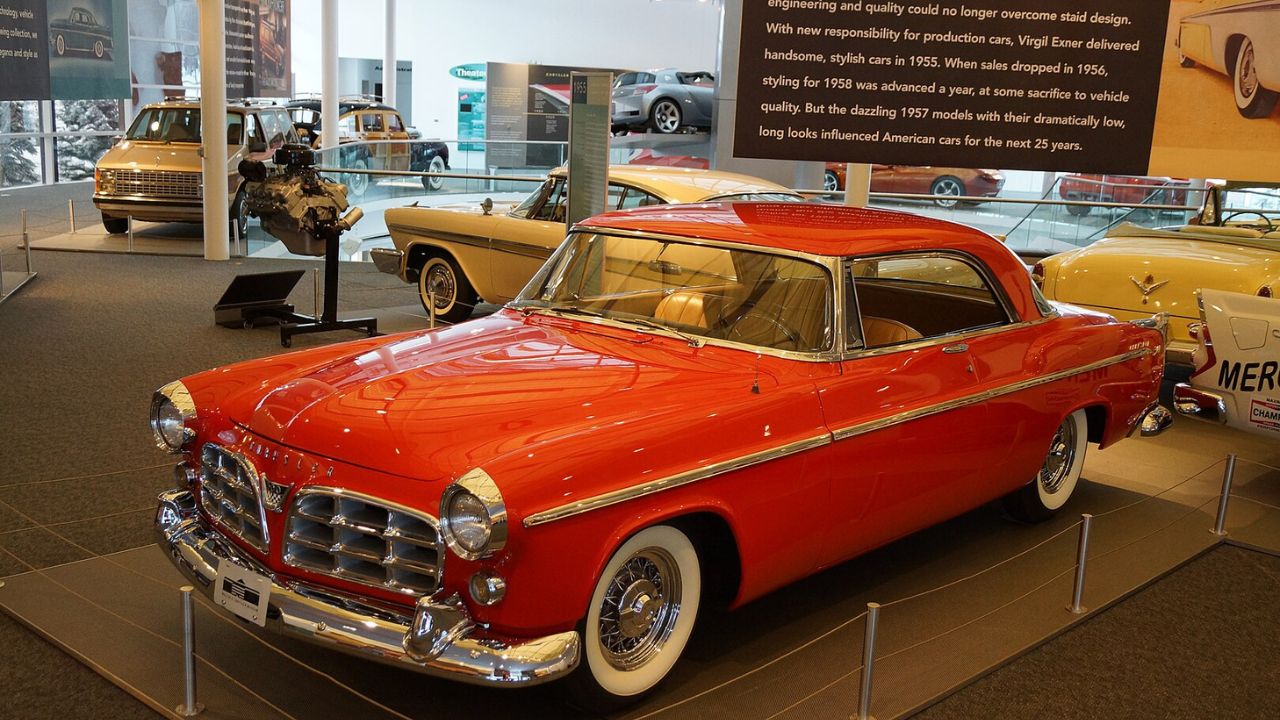
The 1955 Chrysler C-300 wasn’t just an ordinary car; it was a trailblazer in the automotive world, setting a new standard for power and performance. As one of the first true muscle cars, it captured the imagination of car enthusiasts and remains iconic today. Let’s dive into what made this car a powerhouse of its time.
Engine Performance

The heart of the 1955 Chrysler C-300 was its impressive Hemi engine. Known for its hemispherical combustion chamber, the Hemi engine was a marvel of engineering. It provided exceptional airflow, which translated into more efficient combustion and increased power output. This innovation was a crucial factor in the car’s ability to outperform many of its competitors.
Chrysler’s decision to equip the C-300 with a 331 cubic-inch V8 engine was bold, but it paid off handsomely. This engine was capable of producing a remarkable 300 horsepower, a figure that was considered groundbreaking at the time. The combination of power and reliability made the C-300 a favorite among car enthusiasts and racers alike.
Horsepower Dominance
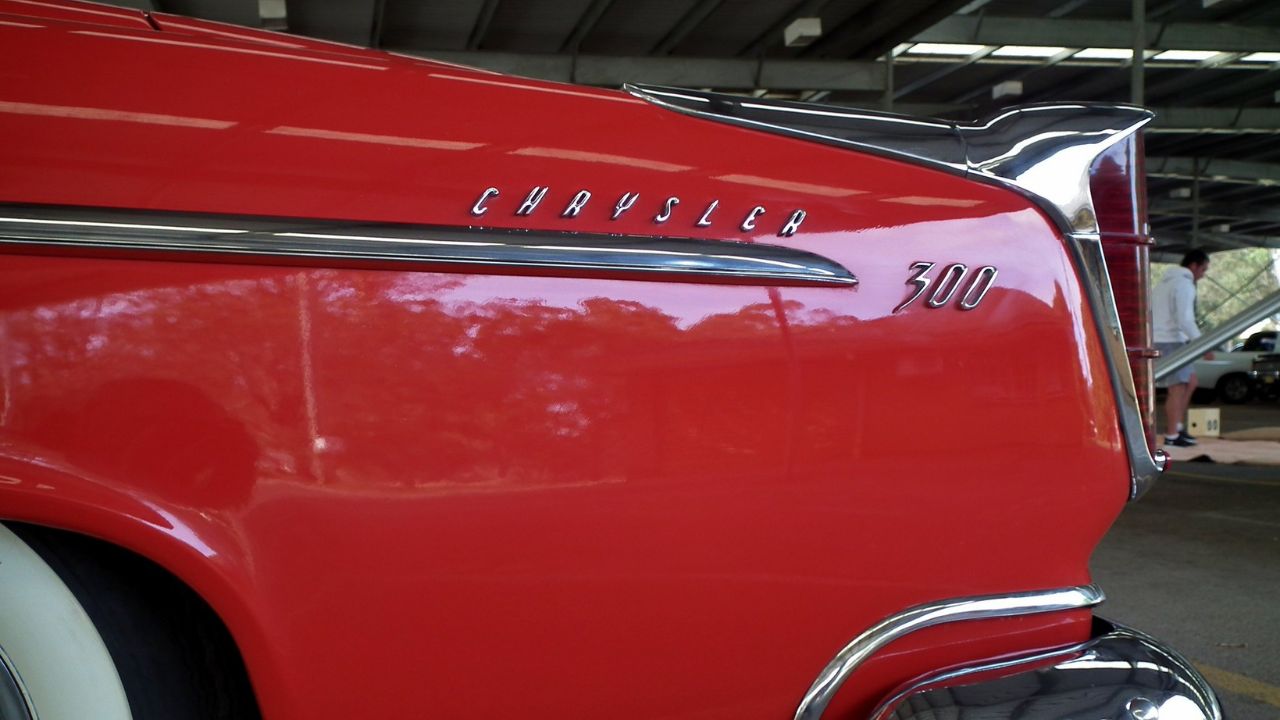
The C-300 set a new benchmark in horsepower during a decade when automotive power was becoming increasingly important. With its 300 horsepower, it was the most powerful production car in America. This dominance was not just about numbers; it was about the driving experience.
Chrysler’s focus on horsepower allowed the C-300 to achieve impressive speeds and acceleration, making it a symbol of power and prestige. The car’s ability to maintain high speeds without compromising safety or comfort was a testament to its engineering excellence.
Aerodynamic Design
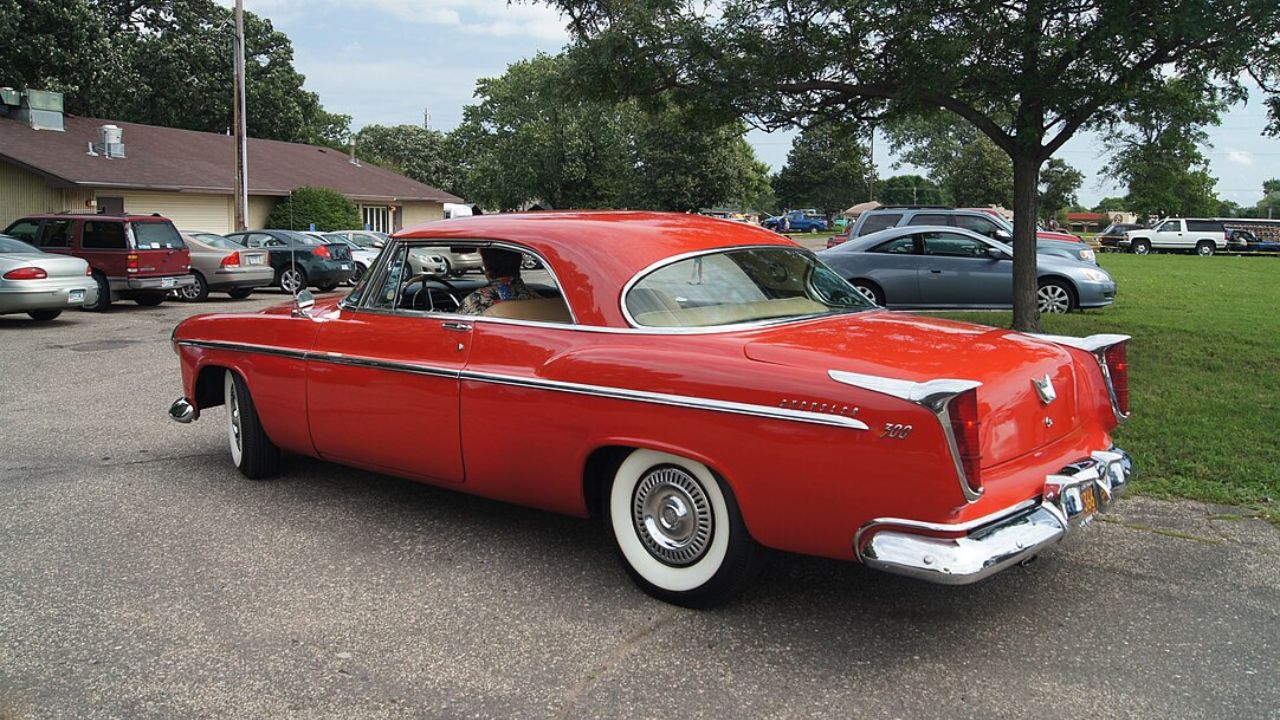
Aerodynamics played a crucial role in the C-300’s performance. Chrysler engineers designed the car with a sleek, streamlined body that minimized air resistance and improved speed. The car’s long, low-slung profile and distinctive grille were not just for show; they contributed to its overall performance.
This design philosophy was ahead of its time and set a precedent for future muscle cars. By focusing on aerodynamics, Chrysler ensured that the C-300 could cut through the air with minimal drag, enhancing its capability to reach high speeds with ease.
Robust Transmission
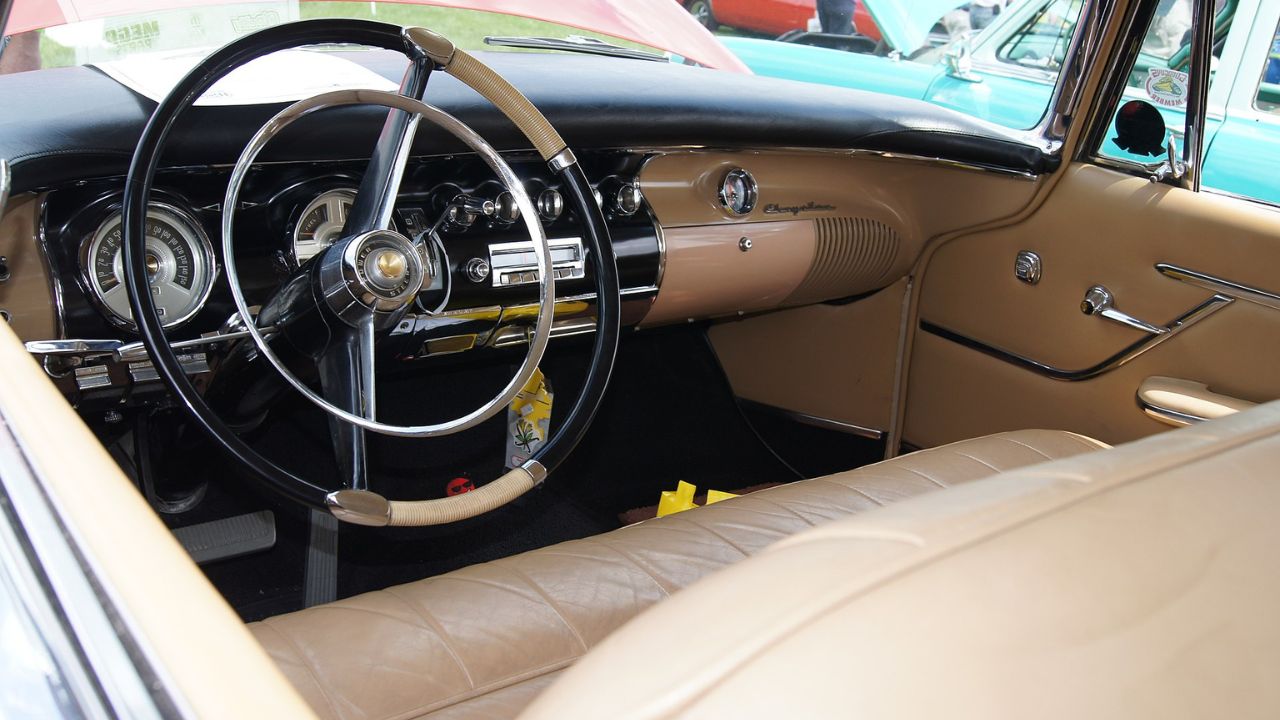
The Chrysler C-300 was equipped with a robust transmission system that complemented its powerful engine. The PowerFlite automatic transmission was a two-speed system that was both reliable and smooth. This allowed drivers to experience the full potential of the car’s engine without worrying about mechanical failures.
In an era where manual transmissions were still common, the C-300’s automatic transmission provided a seamless and effortless driving experience. It was an innovative feature that added to the car’s appeal and set it apart from its contemporaries.
Innovative Suspension
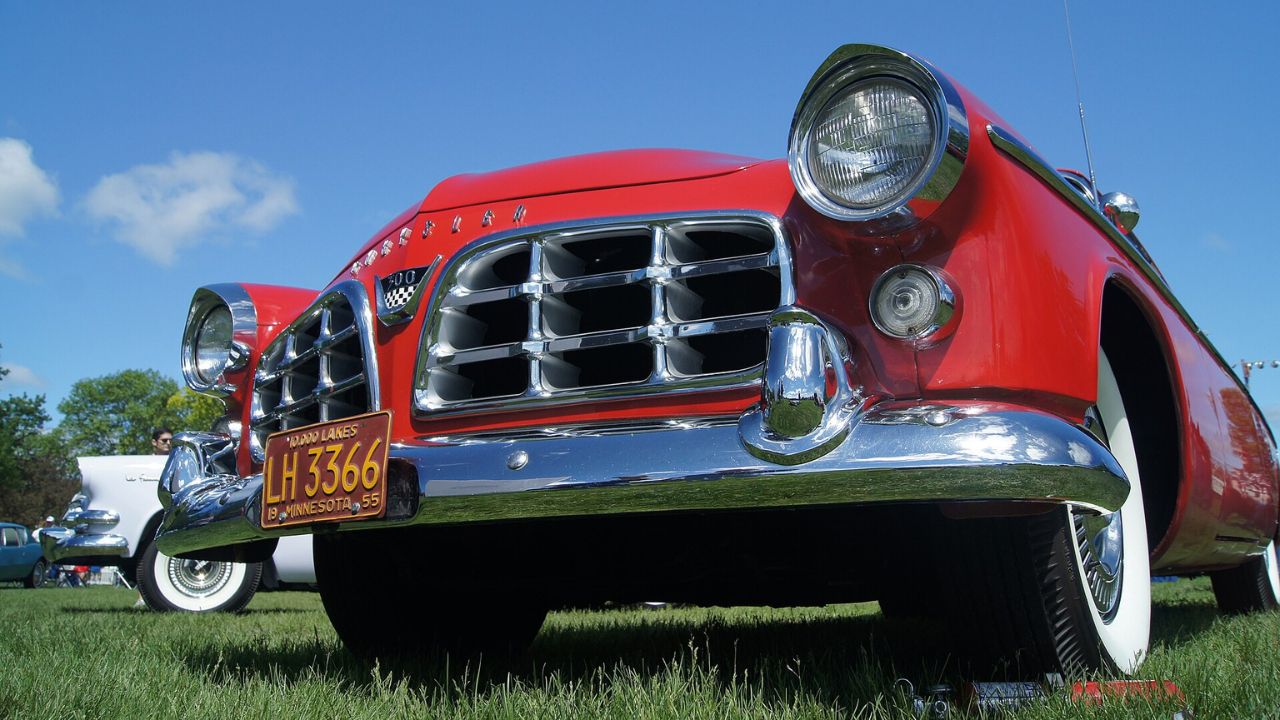
Chrysler’s engineers understood the importance of a good suspension system in achieving optimal performance. The C-300 featured a torsion bar front suspension, which was a relatively new technology at the time. This provided better handling and a smoother ride, especially at high speeds.
The innovative suspension design allowed the C-300 to navigate corners with precision and maintain stability on various road surfaces. This was a significant advantage for a car designed to be driven fast and hard, ensuring that it remained firmly planted on the road.
High-Speed Stability
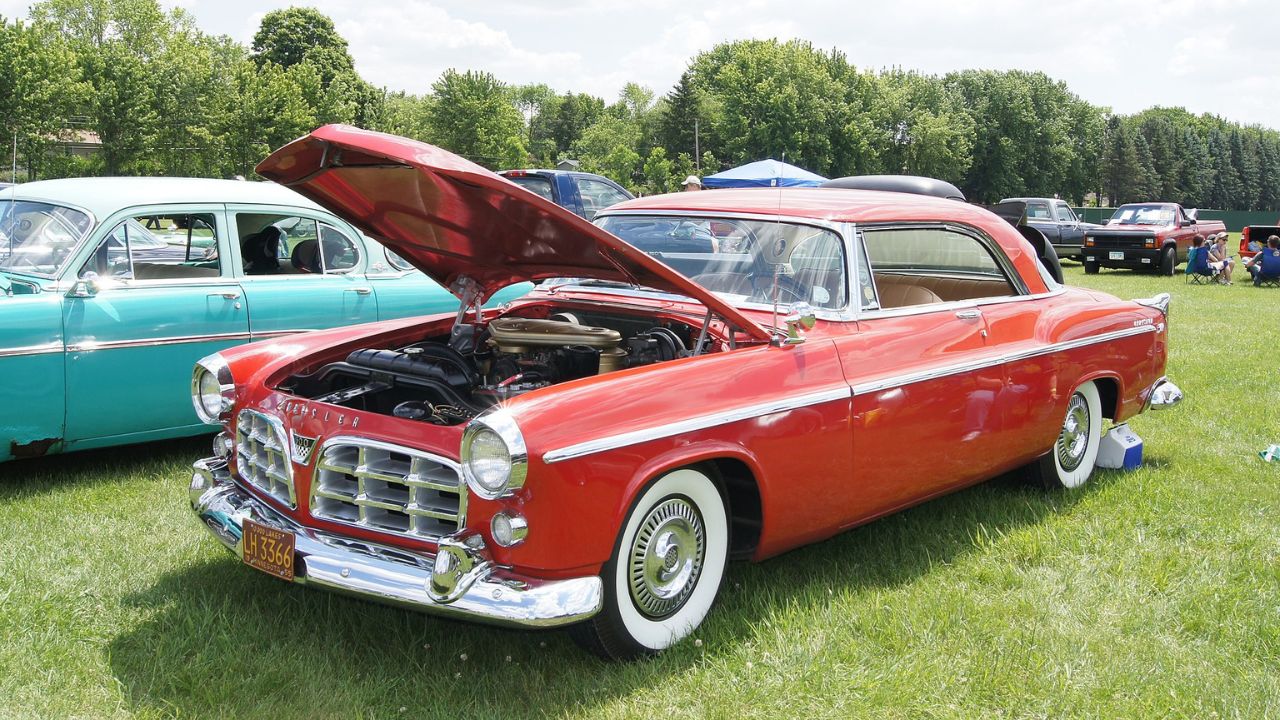
One of the standout features of the 1955 Chrysler C-300 was its high-speed stability. The combination of its aerodynamic design, powerful engine, and advanced suspension system made it a stable and reliable performer at high speeds.
Drivers could confidently push the C-300 to its limits, knowing that it would remain steady and responsive. This stability was a key factor in its success on the racetrack and contributed to its reputation as one of the most capable cars of its time.
Racing Legacy
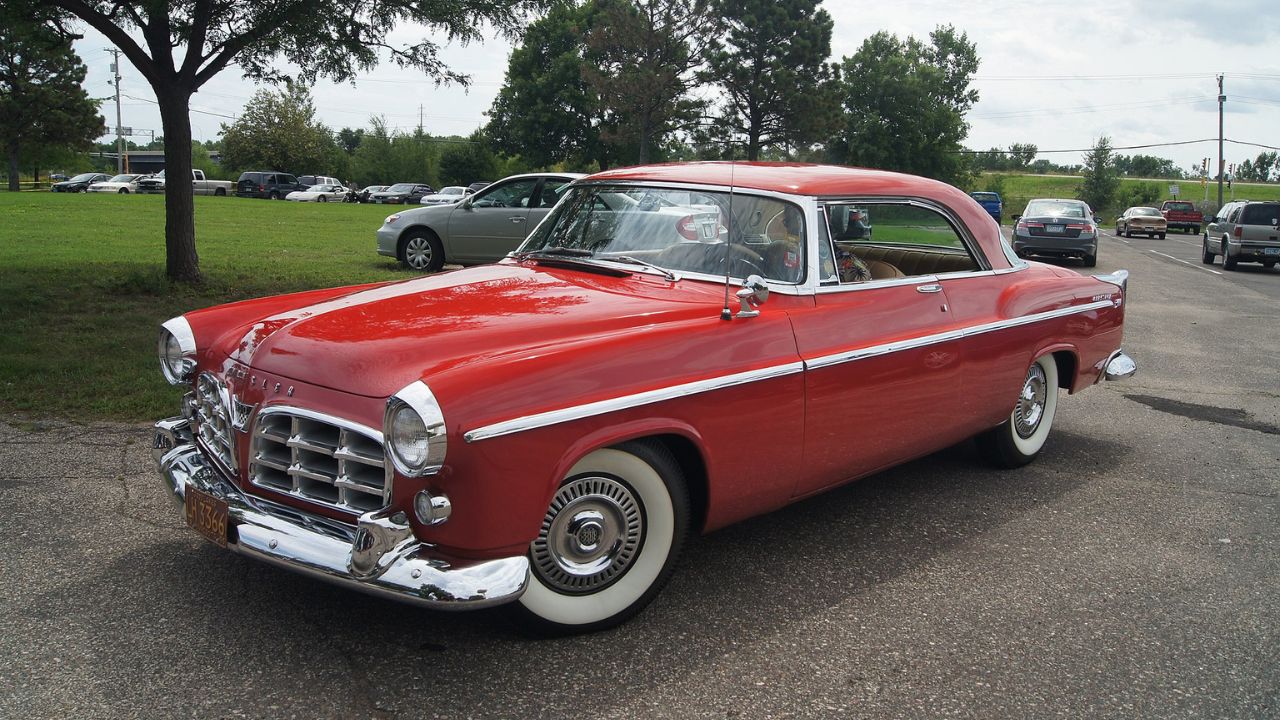
The C-300’s racing legacy is a testament to its engineering prowess. It dominated NASCAR circuits in the mid-1950s, winning numerous races and setting records. Its success on the track was due to its combination of power, speed, and reliability.
Chrysler’s commitment to performance and innovation was evident in the C-300’s racing achievements. It not only proved itself as a formidable competitor but also paved the way for future high-performance vehicles. The car’s racing legacy continues to be celebrated by automotive enthusiasts and historians alike.
Timeless Appeal
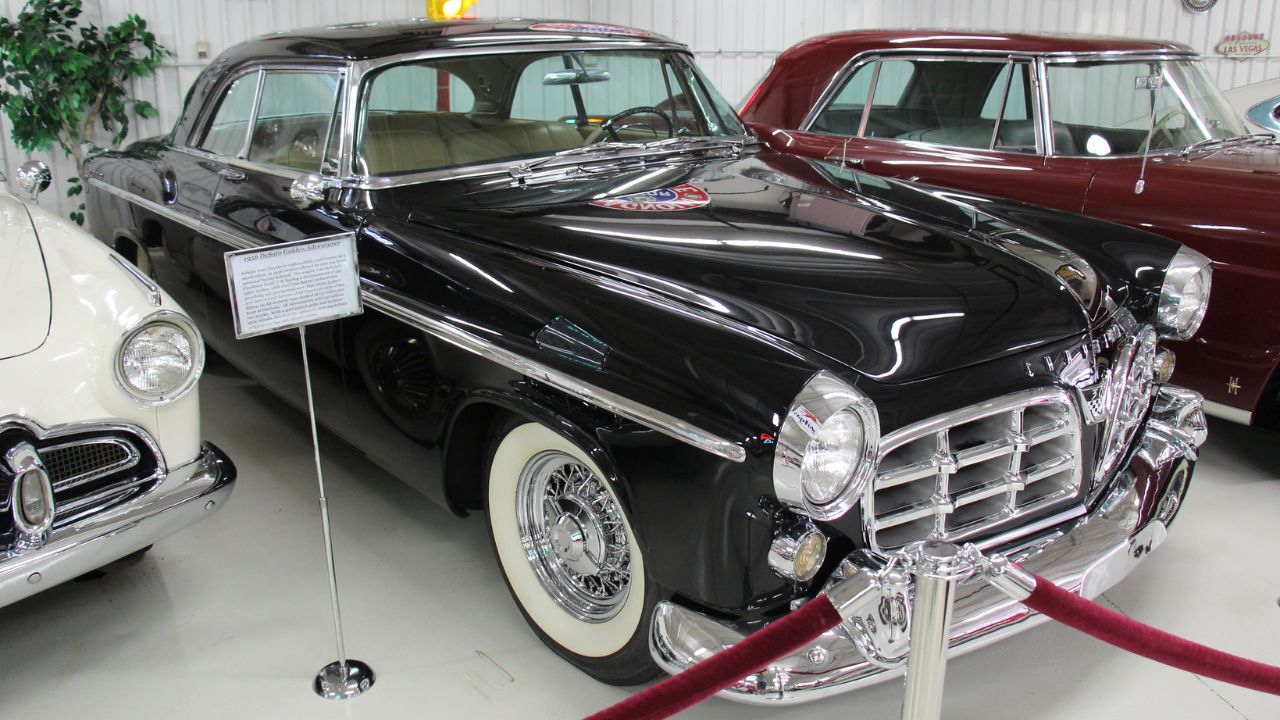
Even today, the 1955 Chrysler C-300 holds a special place in the hearts of car enthusiasts. Its timeless appeal lies in its perfect blend of performance, style, and innovation. The car’s design has aged gracefully, and its influence can still be seen in modern muscle cars.
For those interested in classic cars, the C-300 is a must-have. Its classic design and unmatched performance make it a cherished piece of automotive history. It’s a car that continues to captivate and inspire, reminding us of an era when American automotive engineering was at its peak.
Like Fast Lane Only’s content? Be sure to follow us.
Here’s more from us:
*Created with AI assistance and editor review.