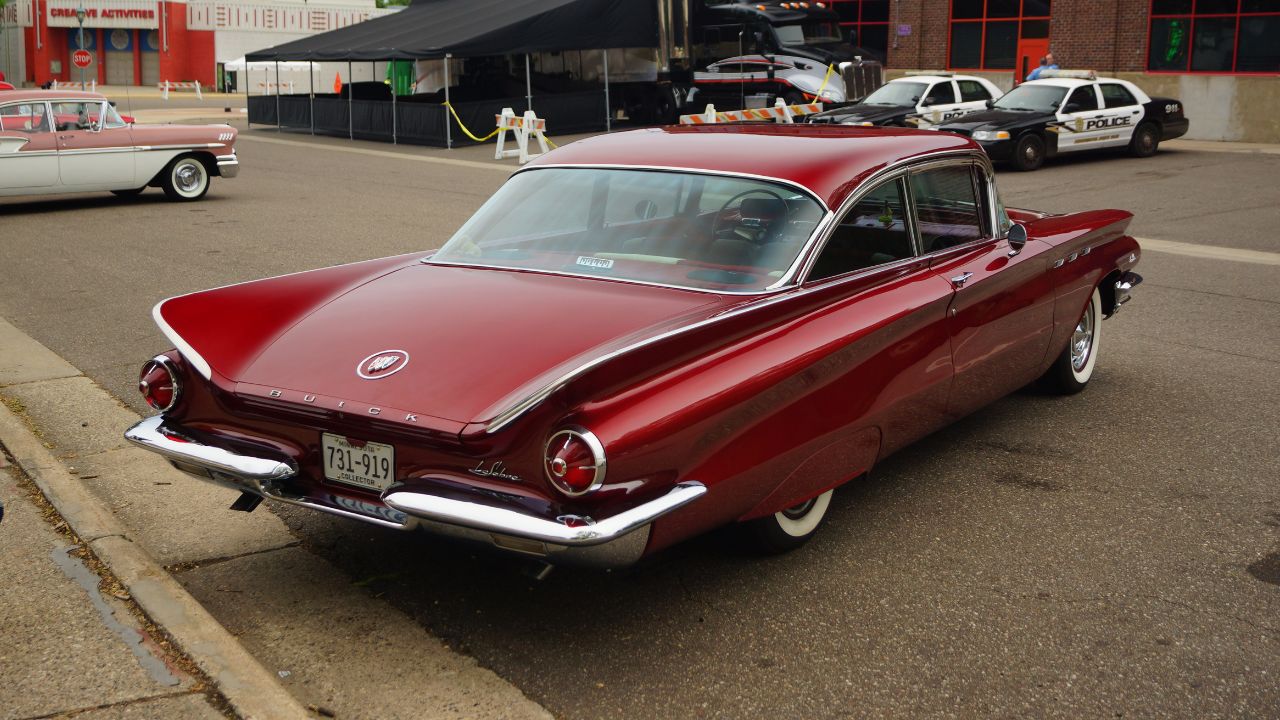
The 1960 Buick LeSabre wasn’t the flashiest car on the road, but it didn’t need to be. It hit a sweet spot between luxury and practicality, delivering big-car looks, solid engineering, and just enough flash to feel upscale. While others chased fins or gimmicks, Buick quietly refined the formula. Here are 10 things the ’60 LeSabre absolutely nailed.
Cleaned-up styling that still had presence
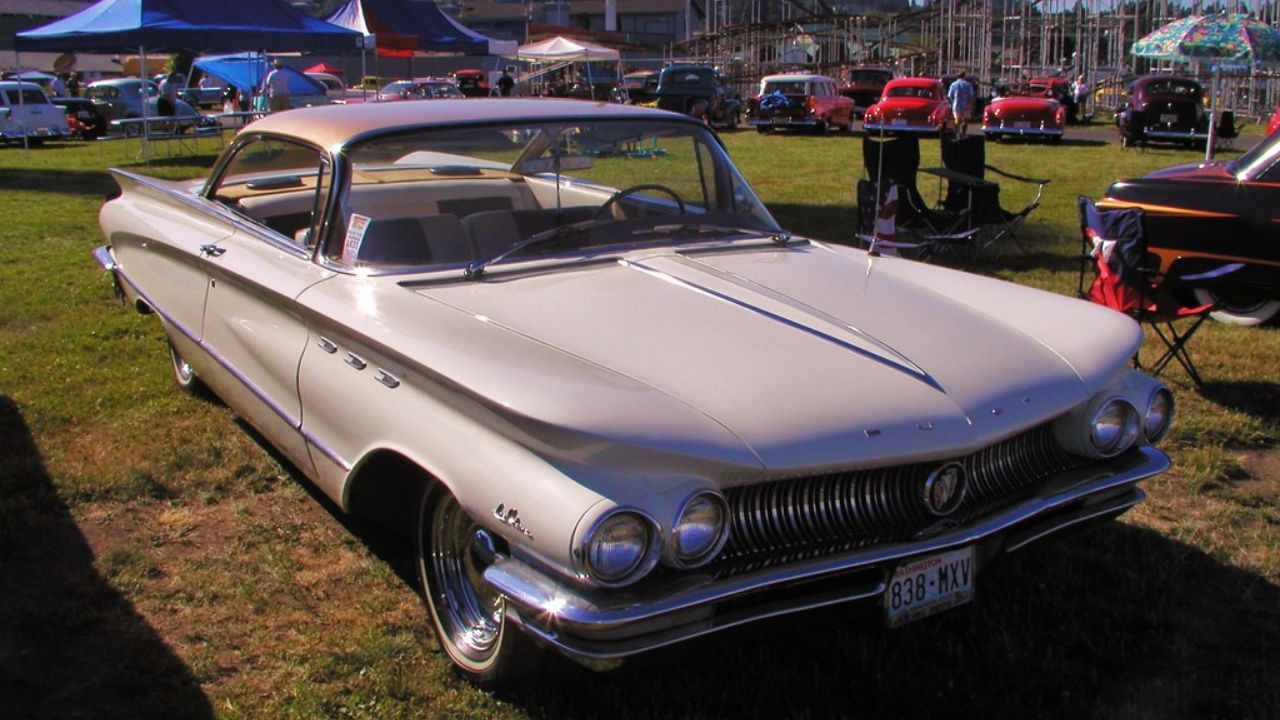
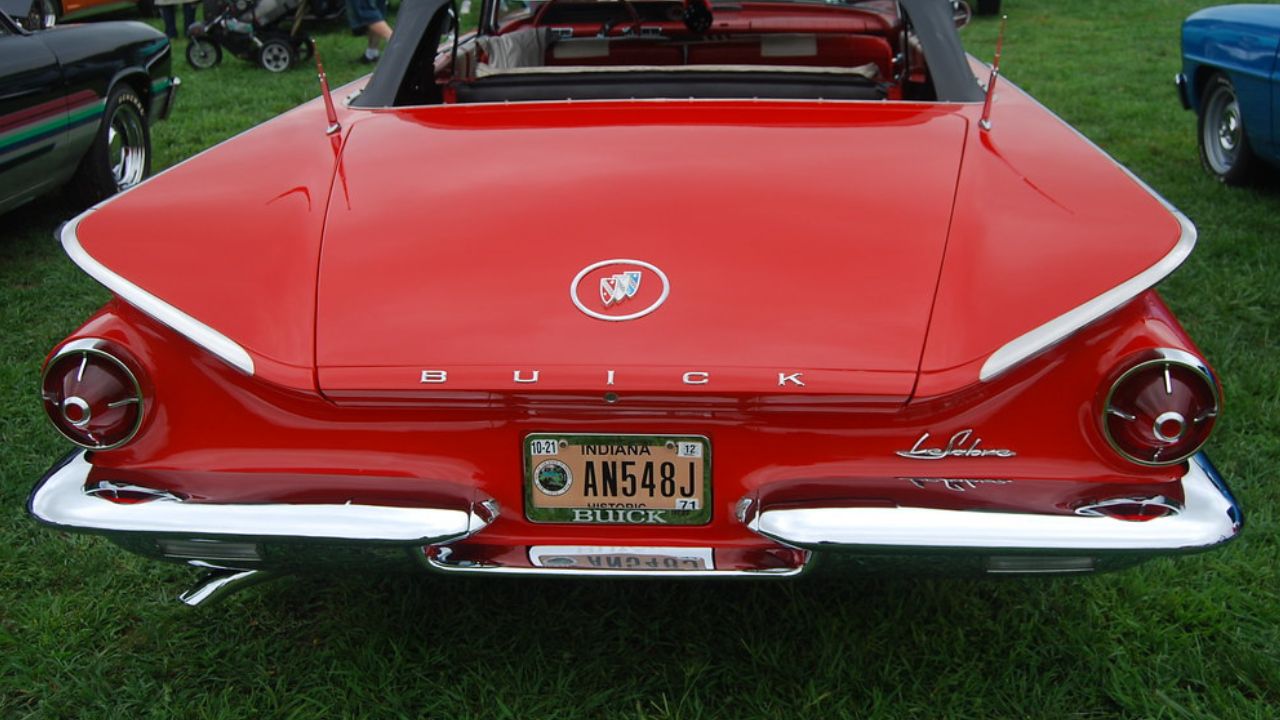
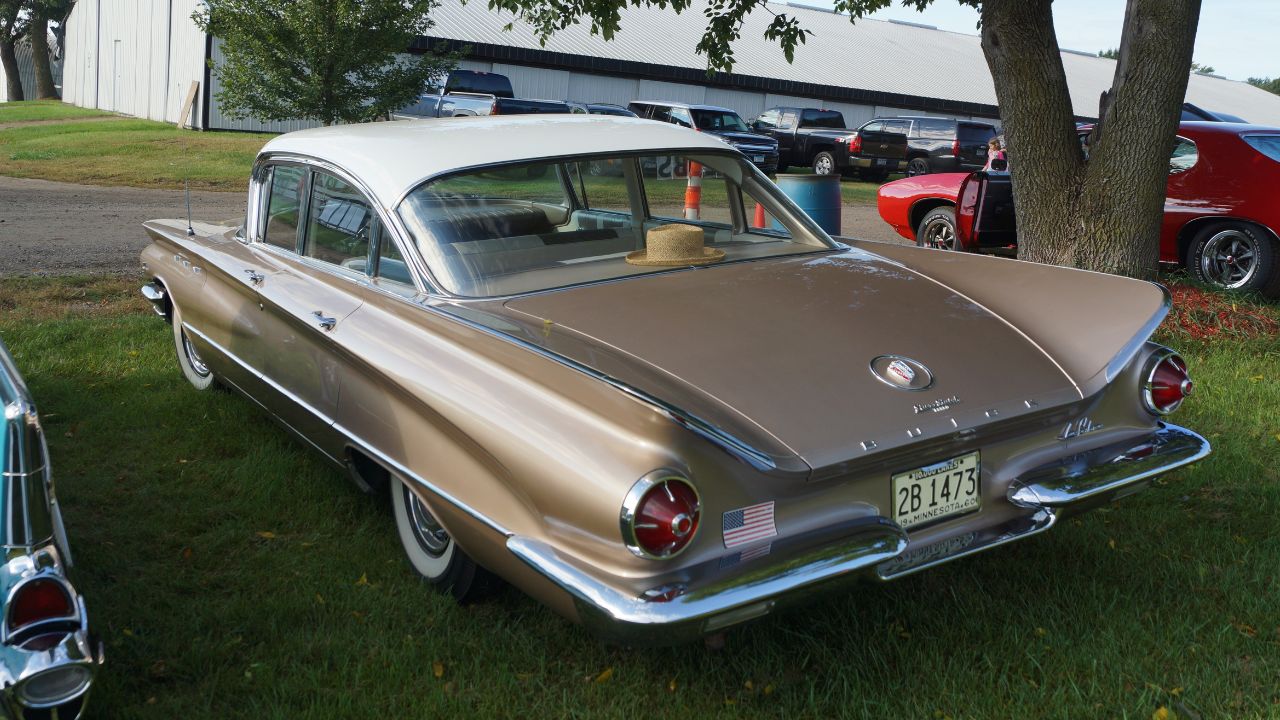
After the heavily finned 1959 models, the 1960 LeSabre dialed things back just enough. The tailfins were still there, but they were shorter and better integrated. The front end featured a cleaner grille and a less exaggerated headlamp treatment, giving the car a more grown-up look.
At 217 inches long, it still had full-size presence. The lines were smoother, and the side trim helped stretch the profile. It didn’t look like it was trying too hard, which made it age better than some of its contemporaries.
A 364 nailhead that pulled with confidence
Buick’s 364-cubic-inch “nailhead” V8 was the standard powerplant for the LeSabre. With 250 horsepower and 375 lb-ft of torque, it wasn’t designed to rev high—it made its power down low, where it was most useful for everyday driving.
The engine had a 10.25:1 compression ratio and ran through a 2-barrel carb as standard, though a 4-barrel version with 300 hp was optional. Paired with the Dynaflow automatic, it delivered smooth, seamless acceleration without a fuss.
Dynaflow wasn’t quick—but it was smooth
The Twin-Turbine Dynaflow transmission wasn’t built for drag racing. It was engineered for seamless shifts you barely noticed. Unlike other automatics of the era, it didn’t rely on gear changes as much as fluid coupling and torque multiplication.
That made for a different driving experience—slower off the line, but buttery smooth once underway. It was quiet, refined, and fit the car’s relaxed personality. Buick buyers weren’t looking for neck-snapping shifts—they wanted comfort.
A comfortable ride without floating away
The 1960 LeSabre used Buick’s “X-frame” chassis with coil springs at all four corners. Combined with a relatively long 123-inch wheelbase, it soaked up road imperfections without turning into a boat.
Steering was light but not disconnected, and body roll was well-managed for a car of its size. The ride leaned more toward comfort than control, but it didn’t wallow like some full-size sedans of the day. It felt planted without being stiff.
Optional power everything—if you wanted it
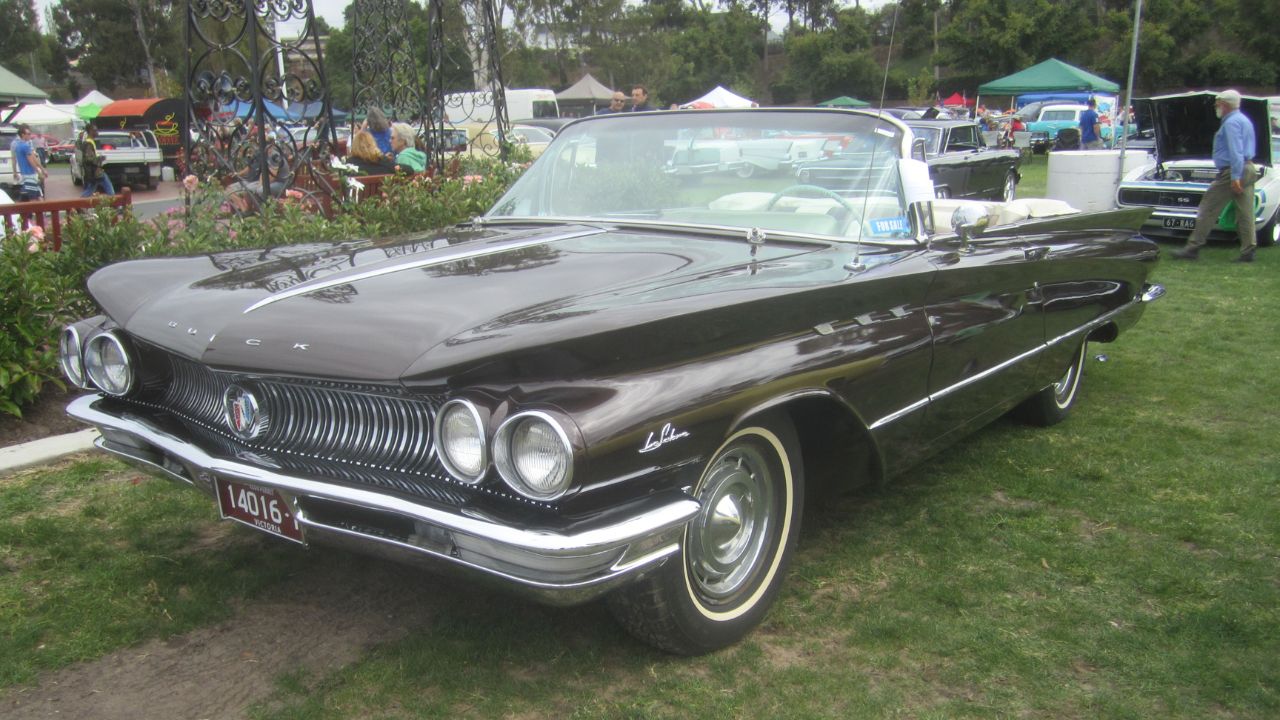
While the base LeSabre was fairly straightforward, buyers could load it up with power brakes, power steering, power windows, and even a 6-way power seat. Buick knew its audience—buyers wanted luxury touches without stepping up to an Electra.
The options list also included air conditioning, two-tone paint, and a Sonomatic push-button AM radio. For 1960, you could customize a LeSabre to the point where it almost felt like a mid-level Cadillac—but for a lot less money.
Interior design that felt upscale, not gaudy
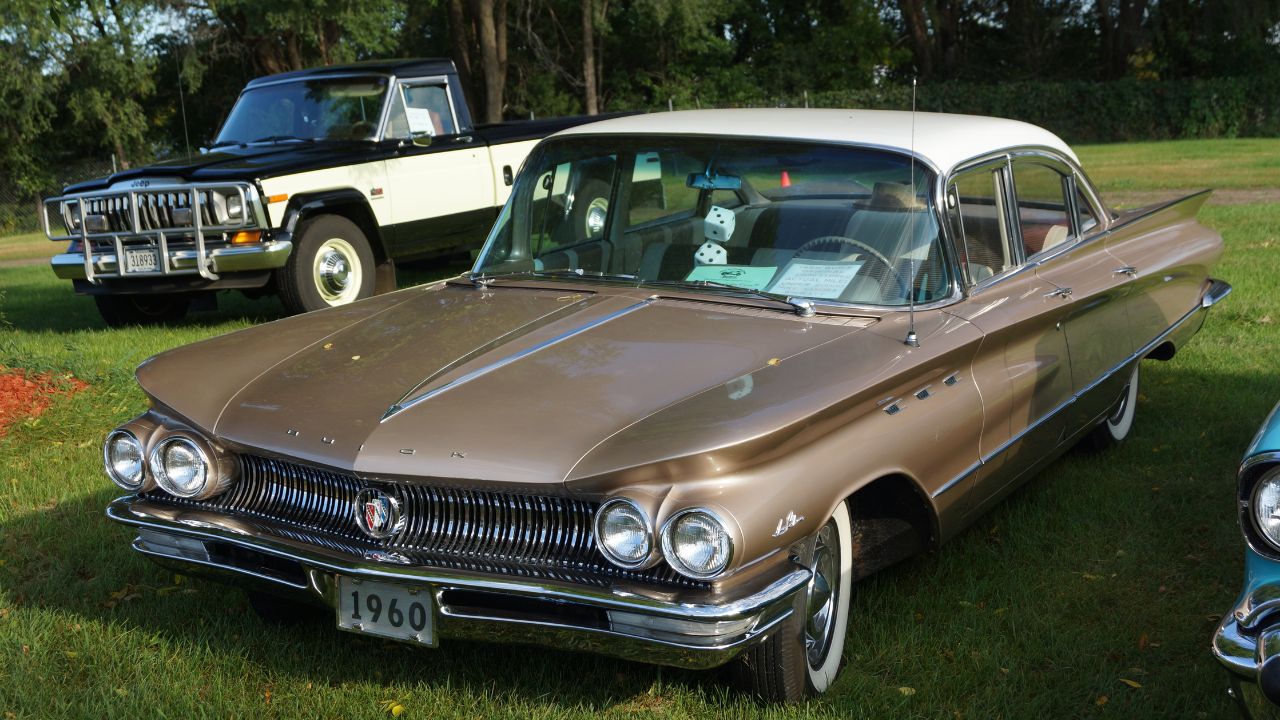
Inside, the LeSabre featured a clean dashboard layout with full instrumentation and minimal ornamentation. The materials weren’t over-the-top, but they felt well-fitted and durable. Bright trim was used sparingly, giving the cabin a tidy, upscale feel.
Cloth-and-vinyl bench seats came standard, but higher trims added more intricate patterns and padding. The steering wheel and switchgear had a level of finish that felt a step above the car’s price point, especially in custom-trimmed models.
Two- and four-door hardtops that looked sharp
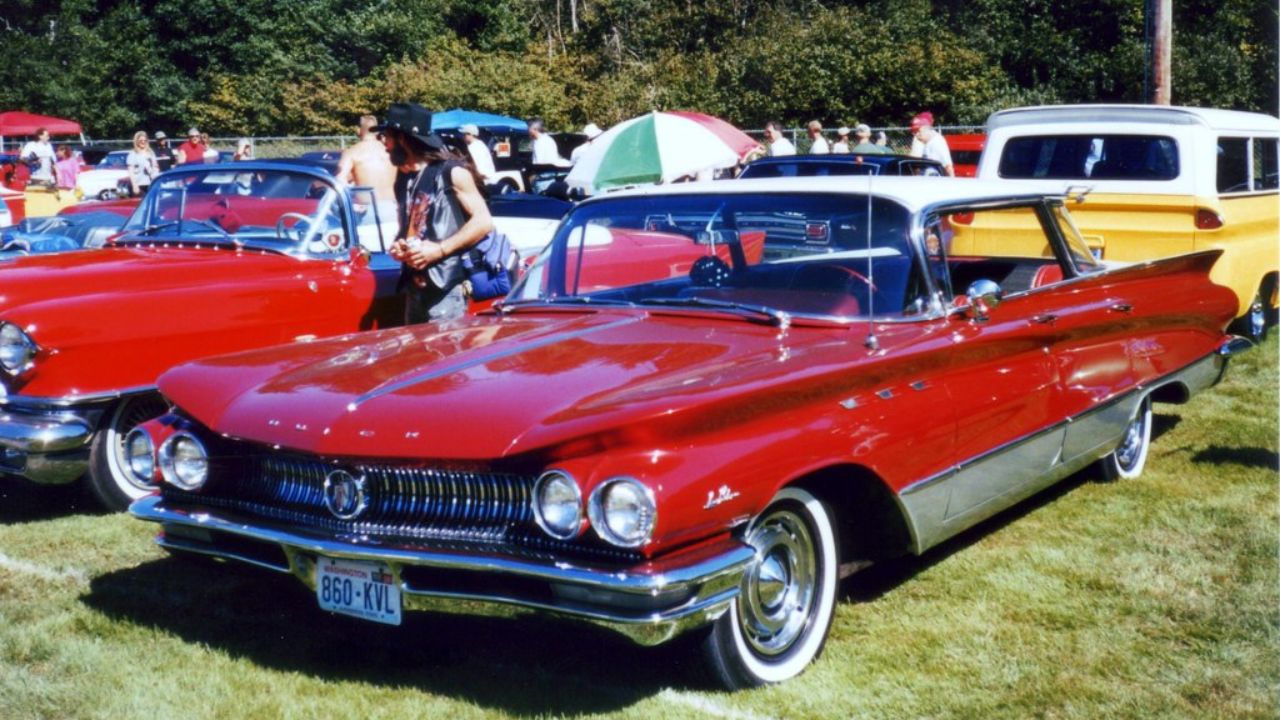
The 2-door and 4-door hardtop versions of the LeSabre were standouts in the lineup. The pillarless design gave the car a wide-open look with the windows down, and Buick’s sculpted rooflines didn’t look as boxy as some competitors’.
The 2-door especially had a clean fastback profile that paired well with the restrained tailfins. Buick offered a good color palette, and when matched with two-tone paint, the hardtops had plenty of visual appeal without looking busy.
Practical dimensions for a full-sizer
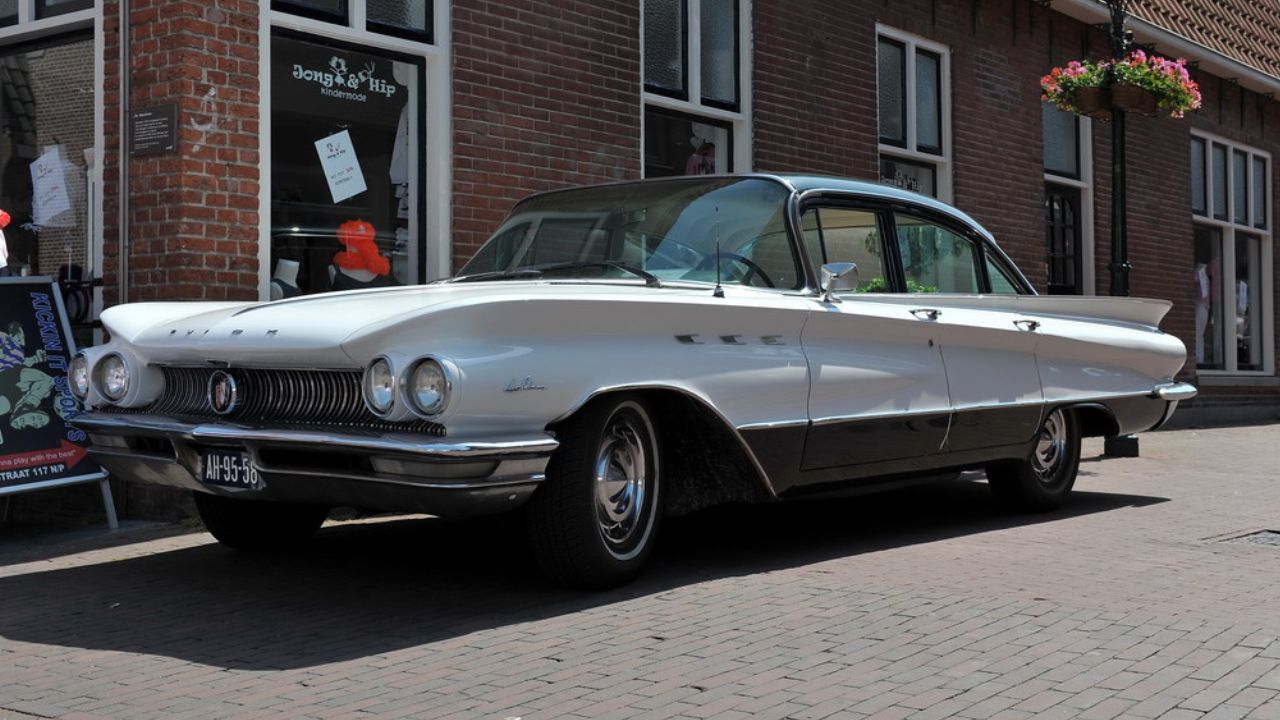
Despite being nearly 18 feet long, the LeSabre wasn’t oversized for its era. It was narrower than many of its peers, which made it easier to live with in tight spots. Front and rear overhangs were manageable, and visibility from the driver’s seat was excellent.
Trunk space was generous, with a wide opening and enough depth for luggage, groceries, or golf clubs. The back seat had real adult legroom. For a big American sedan, it was practical without being excessive.
Disciplined design across the trim lineup
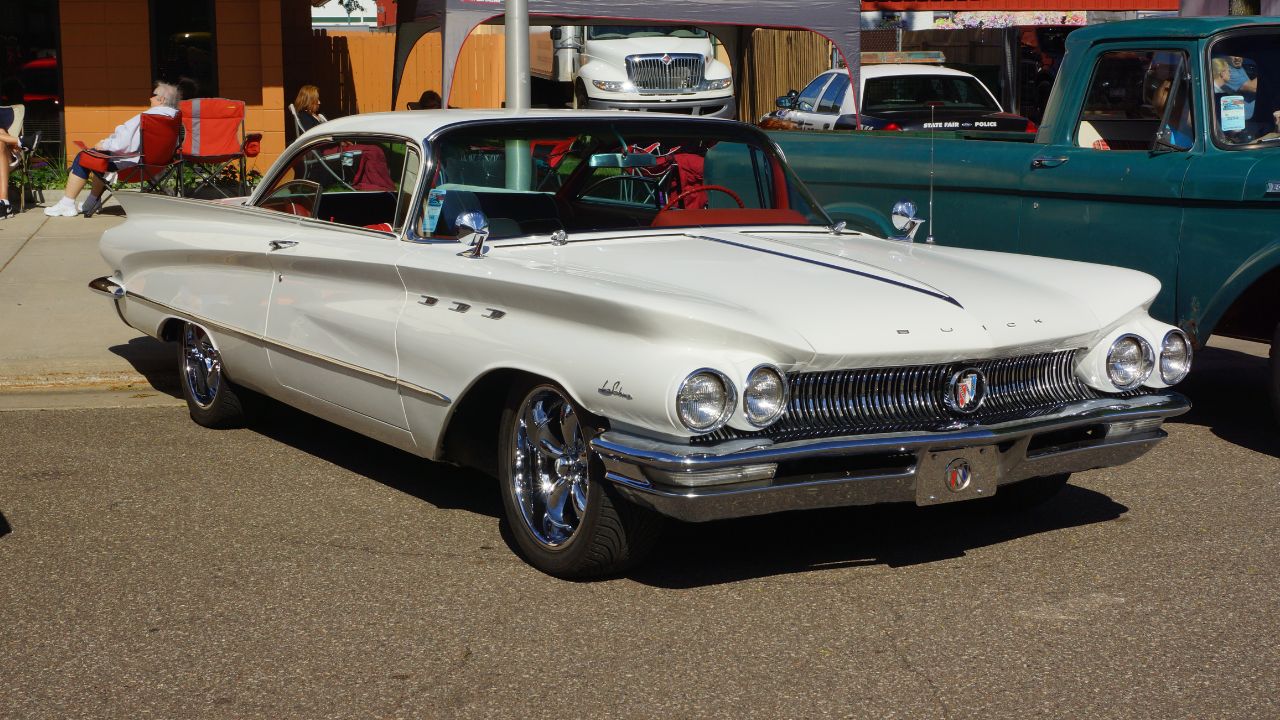
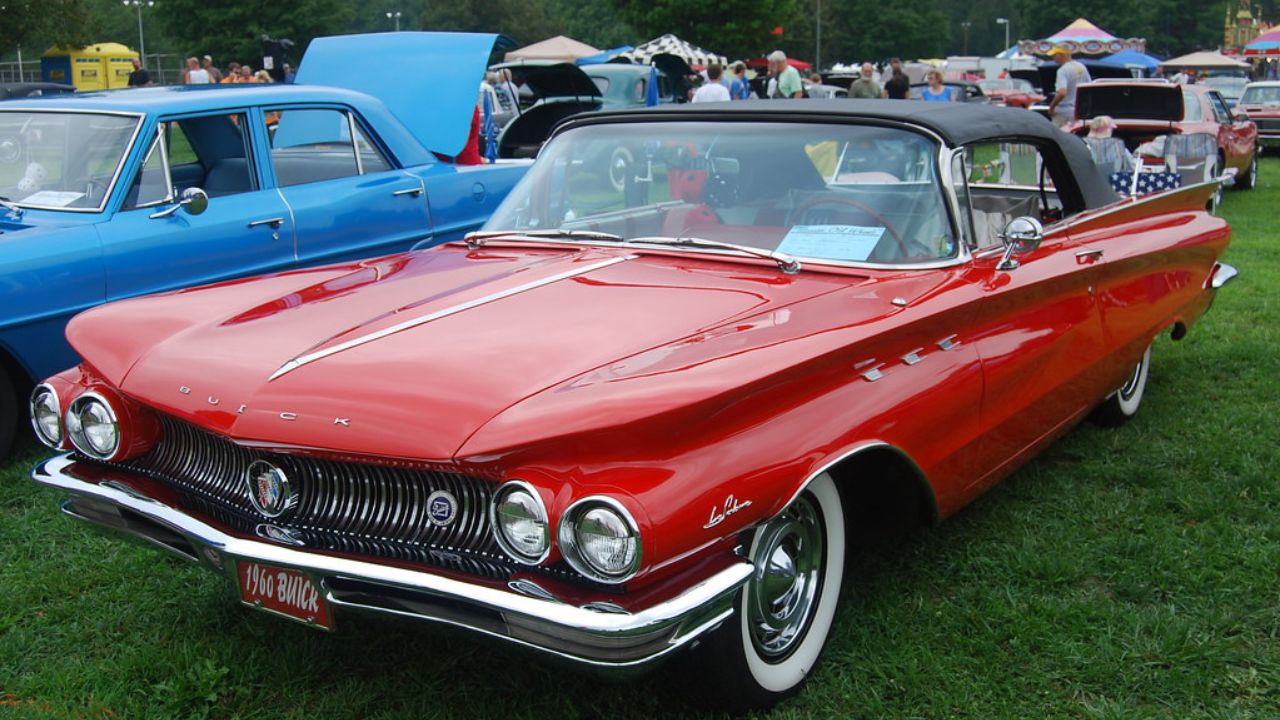
The 1960 LeSabre didn’t suffer from trim overload. Whether you bought the sedan, hardtop, or convertible, the design remained cohesive. Lower trims didn’t look stripped, and higher trims didn’t look like someone threw a chrome catalog at them.
That balance helped give the whole model line a sense of cohesion. Buyers could choose a LeSabre based on price or body style without ending up with a car that looked out of place next to its more expensive siblings.
It sold well—and for good reason
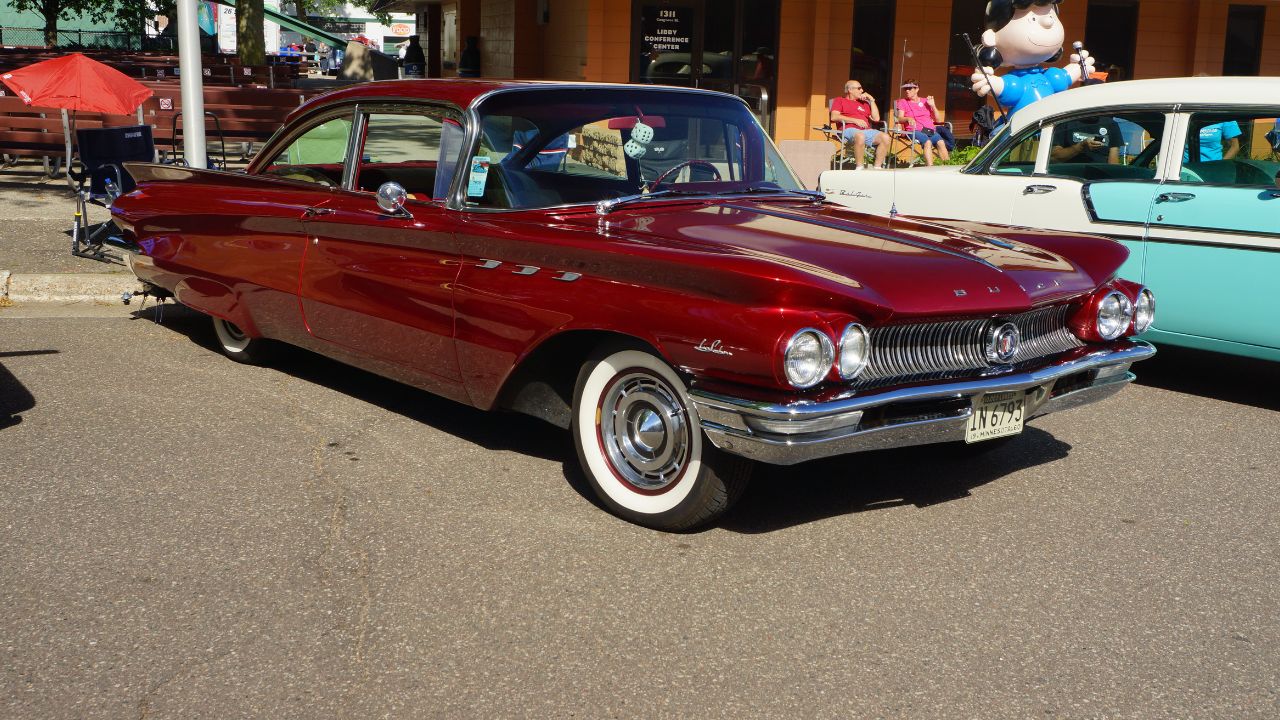
Buick moved over 150,000 LeSabres in 1960, making it the brand’s best-selling model that year. It offered enough luxury to feel special, enough performance to keep up, and enough restraint to avoid looking dated five years later.
While the Invicta and Electra offered more displacement or options, the LeSabre stayed right in the middle—appealing to drivers who wanted value without compromise. That balance is what Buick got right, and it’s why the ’60 LeSabre still holds up today.
Like Fast Lane Only’s content? Be sure to follow us.
Here’s more from us:
*Created with AI assistance and editor review.