Ford’s FE V8s arrived at a moment when American performance was shifting from backyard hot-rodding to factory-built power, and they quickly became the hardware that defined that transition. By combining big-displacement torque with race-proven durability, these engines turned family sedans, midsize coupes, and even pickup trucks into unlikely muscle legends that still shape how I think about Detroit performance today.
Although later small-blocks and big-blocks often steal the spotlight, the FE family laid much of the groundwork for Ford’s muscle era, from NASCAR ovals to drag strips and the Le Mans podium. Understanding how and why Ford built these engines is the key to understanding how the company rewrote its own performance playbook in the 1960s.
From workhorse V8 to performance foundation
When Ford introduced the FE series in the late 1950s, the goal was not to build a halo racing engine but to create a versatile V8 that could power full-size cars, trucks, and eventually performance models. The architecture emphasized a strong skirted block, generous bearing sizes, and a relatively compact external footprint, which let engineers scale displacement from the early 332 and 352 cubic inch versions into the larger 390 and beyond without abandoning the basic design. That combination of structural strength and flexibility is what turned the FE from a utility motor into a performance foundation once the horsepower wars heated up in the 1960s, as documented in period technical breakdowns of the FE’s block and rotating assembly design in sources such as FE engine build guides.
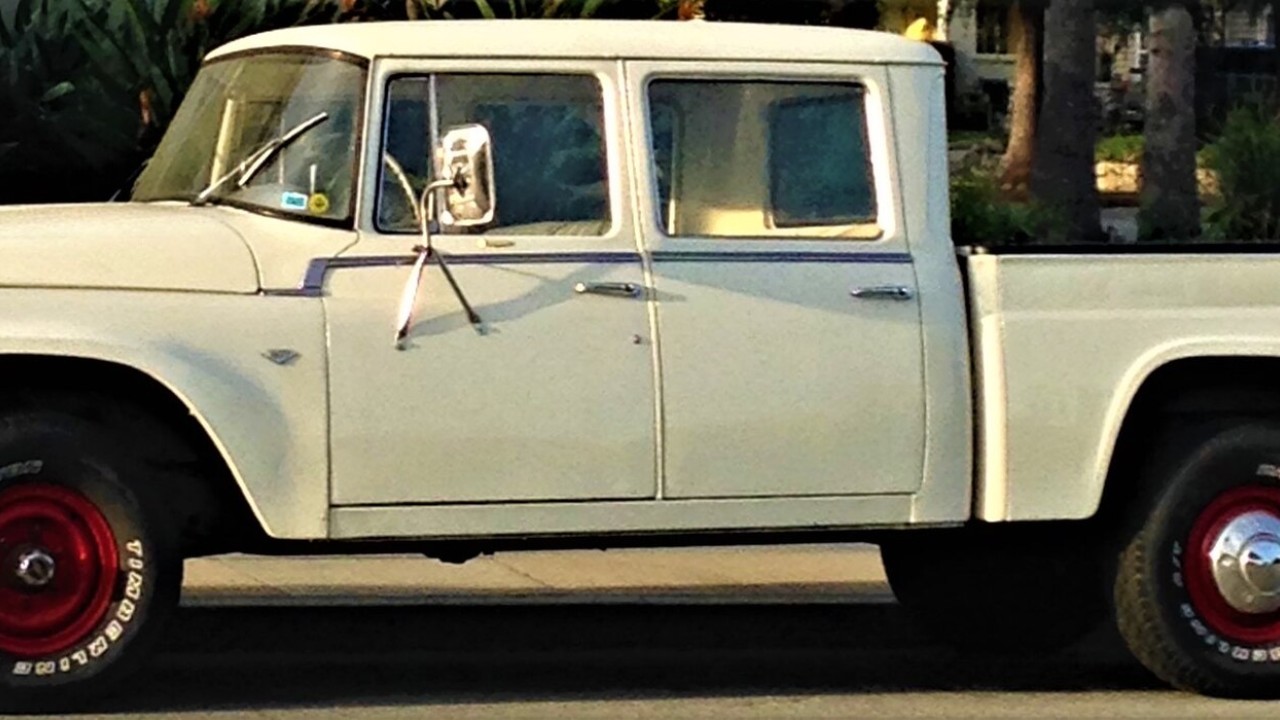
I see the FE’s evolution as a textbook example of how Detroit engineering often worked in that era: start with a durable, mass-market core, then let racing and marketing demands pull it toward higher output. Reports on early FE applications in Galaxies and F-series trucks show how the same basic engine family handled everything from towing duty to police-package service, which gave Ford confidence to push compression, camshaft profiles, and induction systems without sacrificing reliability. That broad base of real-world use, reflected in factory specifications and teardown analyses of 352 and 390 engines in historical FE overviews, set the stage for the more exotic variants that would follow.
Engineering the 390, 406, and 427 for the horsepower wars
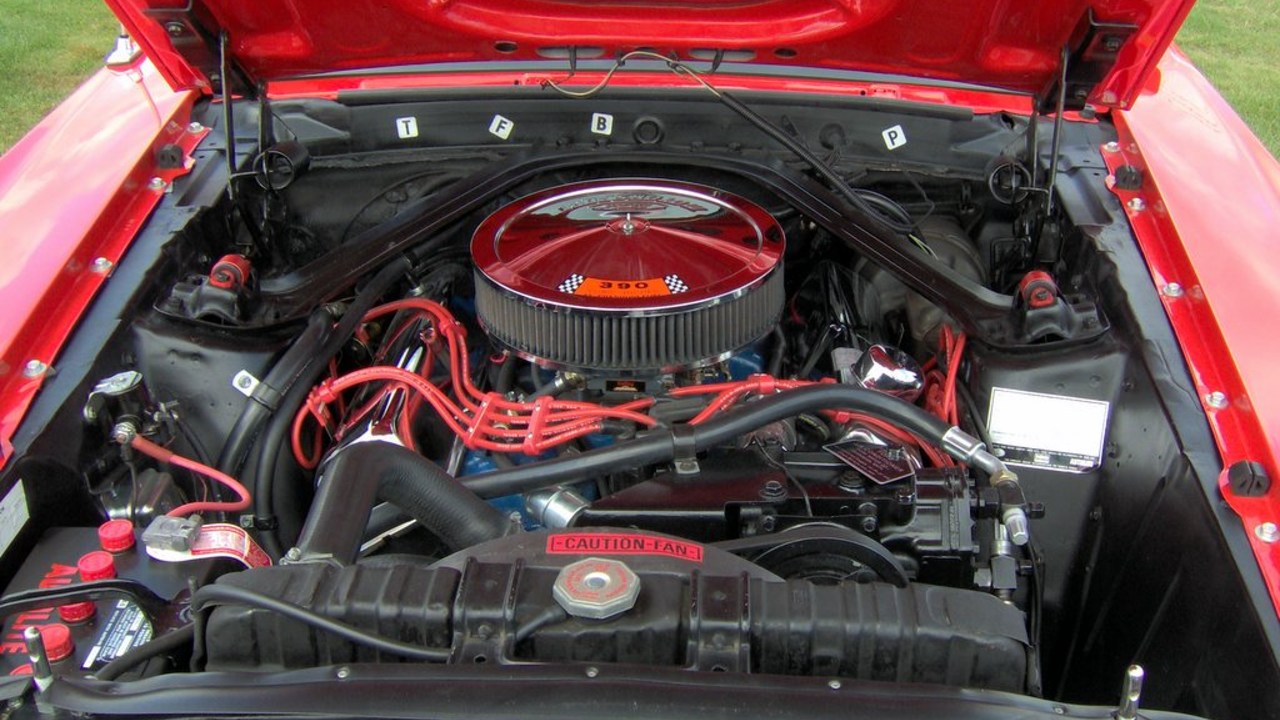
As the 1960s opened, Ford needed more than a stout workhorse; it needed engines that could win on Sunday and sell on Monday. The 390 cubic inch FE became the first widely available performance step, combining a longer stroke with hotter cam timing and better breathing cylinder heads to move full-size Fords and early Fairlanes into genuine muscle territory. Factory performance data and contemporary road tests, preserved in 390 FE performance retrospectives, show how these engines delivered strong midrange torque that made heavy cars feel unexpectedly quick, especially when paired with four-speed manual transmissions and performance axle ratios.
Ford did not stop at the 390. To keep pace with Chevrolet’s 409 and Chrysler’s Max Wedge, engineers enlarged the FE to 406 cubic inches, then refined the design into the now-legendary 427. The 406 experimented with larger bores and higher compression, but it was the 427, with its cross-bolted main caps, side-oiler lubrication layout, and race-ready internals, that turned the FE into a full-fledged competition weapon. Detailed race engine analyses and factory documentation, often cited in 427 side-oiler technical histories, confirm how these changes were aimed squarely at sustained high-rpm durability for NASCAR and endurance racing rather than just street bragging rights.
How FE power reshaped Ford’s muscle car lineup

Once the 390 and 427 were in production, Ford began dropping FE power into a wide range of platforms, effectively seeding its lineup with factory muscle long before the term became marketing shorthand. Full-size Galaxies with 390 and 427 options turned family cars into quarter-mile threats, while the midsize Fairlane and later the Torino used FE torque to bridge the gap between compact Falcons and big sedans. Period option sheets and production records, compiled in FE application guides, show how these engines appeared across trim levels, from understated sleepers to high-profile performance packages.
The FE’s influence extended into some of Ford’s most iconic nameplates. Early Mustangs could be ordered with the 390, transforming the pony car from a stylish cruiser into a serious straight-line performer, even if the heavier FE upset the car’s front-to-rear balance. The 427, meanwhile, found its way into limited-production specials and homologation models that blurred the line between street and race car. Documentation of these combinations, including 390-powered Mustang GTs and 427-equipped Fairlane-based drag packages in Ford FE muscle car spotlights, underscores how central the FE was to Ford’s performance identity before the 428 Cobra Jet and later 385-series big-blocks took over the spotlight.
Racing dominance from NASCAR ovals to Le Mans
On the track, the FE family did more than hold its own; it became the backbone of Ford’s factory racing push in the early and mid-1960s. In NASCAR, 427-powered Galaxies and later Fairlanes battled Chevrolet and Chrysler at superspeedways, with the side-oiler’s high-rpm oiling system giving Ford a crucial durability edge in long-distance events. Race result archives and technical write-ups, referenced in NASCAR-focused FE histories, highlight how the 427’s combination of big-bore breathing and bottom-end strength translated into sustained high-speed performance that stock-block rivals struggled to match.
The FE’s most famous chapter, however, unfolded in international sports car racing, where variants of the 427 powered the GT40 program that took on Ferrari at Le Mans. While the GT40’s success is often framed as a corporate grudge match, the mechanical reality is that Ford leaned on FE architecture to deliver the kind of reliable, high-output V8 needed for 24-hour endurance. Technical analyses of the GT40’s engines, including the relationship between the 427 side-oiler and the units used in the Mark II cars documented in GT40 engine histories, show how lessons from stock car racing fed directly into the design choices that ultimately carried Ford to multiple overall victories in France.
Legacy, aftermarket support, and why FE power still matters
Even after Ford shifted its performance focus to newer big-block and small-block families, the FE never really disappeared; it simply moved from the showroom to the enthusiast garage. The engine’s robust architecture and broad production run created a deep pool of cores, and the same traits that made it a reliable workhorse and race winner also made it a strong candidate for modern rebuilds. Contemporary engine builders continue to develop stroker kits, aluminum heads, and improved oiling solutions for FE blocks, a trend documented in current FE performance parts guides that catalog everything from street-friendly 390 builds to 500-plus cubic inch combinations.
For me, the FE’s lasting importance lies in how it bridges eras. It is a product of the late 1950s mindset that valued durability and torque, yet it was refined in the crucible of 1960s racing and muscle car competition. That dual identity explains why restorers chase correct-date 390s and 427s for Galaxies and Fairlanes, while hot rodders happily mix original blocks with modern internals and induction. Market analyses and auction results, summarized in FE value and collector reports, show that cars powered by these engines command a premium, not just for rarity but because the FE name still signals a particular kind of Ford performance heritage that newer engines cannot quite replicate.