Affordable performance cars that once sat unloved on classifieds are suddenly commanding real money again, as younger buyers chase analog driving feel and older enthusiasts circle back to the machines they missed the first time. I see the same pattern across auction data, dealer anecdotes, and enthusiast forums: a handful of once-cheap sports cars have crossed a psychological line from “used” to “collectible,” even if they still undercut traditional exotics on price.
Mazda Miata and the return of lightweight purity
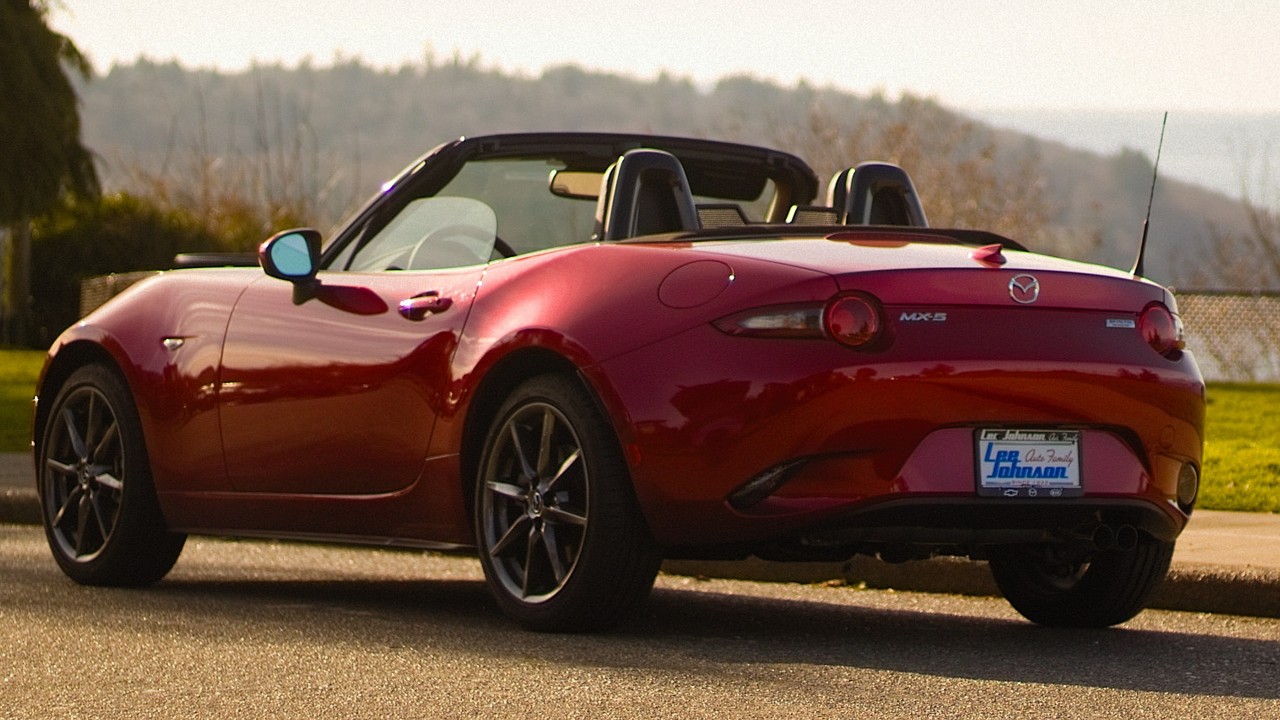
The Mazda MX-5 Miata is the clearest example of a car that went from budget beater to modern classic without ever losing its reputation as an everyman’s sports car. Early NA-generation cars with the pop-up headlights spent years as $3,000 track toys, but clean, low-mileage examples now trade for significantly higher prices as buyers rediscover the appeal of a light chassis, simple mechanics, and a manual gearbox. That shift reflects a broader fatigue with heavy, tech-laden performance cars and a renewed appetite for analog steering feel and modest power that can be enjoyed at legal speeds.
Later NB and NC generations, which were once overshadowed by the nostalgia of the original, have also started to firm up in value as enthusiasts realize they offer similar character with better rust protection and more power. Special trims such as Mazdaspeed-tuned turbo models and limited-run club packages are seeing the sharpest appreciation, helped by strong grassroots motorsport support and a deep aftermarket that keeps running costs in check. As more new sports cars move to automatic-only or hybrid powertrains, the Miata’s consistent formula of rear-wheel drive, naturally aspirated engines, and a standard manual transmission has made it a default choice for drivers who want a classic experience without classic-car fragility, a trend reflected in rising demand across enthusiast listings and online auctions.
Subaru BRZ, Toyota GR86 and the “slow car fast” renaissance
When the original Subaru BRZ and Scion FR-S (now Toyota GR86) launched, they were praised for balance but criticized for modest straight-line speed, which kept used prices soft for years. That perception has flipped as buyers reframe these coupes as the last affordable way to get a new, rear-drive, manual sports car with a naturally aspirated engine and a usable back seat. I see more shoppers cross-shopping them with older icons like the Nissan 240SX or E36 BMW 3 Series, only to find that the newer twins offer similar fun with better reliability and safety, which has pushed demand up for both early and facelifted models.
The second-generation GR86 and updated BRZ, with more power and sharper styling, have also lifted interest in the earlier cars by reminding people what the platform can do with the right tires and suspension. Track-day and autocross communities have embraced the twins as a modern “spec” choice, which keeps resale values strong and encourages owners to maintain them rather than run them into the ground. As turbocharged hot hatches disappear and crossovers dominate new-car showrooms, the BRZ and GR86 stand out in dealer inventories as rare examples of a simple, rear-drive coupe that can still be bought, modified, and daily driven without supercar-level costs, a combination that has made used examples far hotter than their early depreciation curves suggested.
Honda S2000 and the rise of modern classics
The Honda S2000 spent a long stretch as a slightly niche choice, admired for its 9,000 rpm redline but overshadowed in the used market by cheaper Miatas and more powerful turbo cars. Over the past few years, it has clearly crossed into modern-classic territory, with clean AP1 and AP2 models commanding prices that would have seemed unrealistic when they were just another early-2000s roadster. The car’s unique combination of a high-strung four-cylinder, precise six-speed manual, and a chassis tuned for serious track work has become impossible to replicate in today’s emissions and noise environment, which is exactly what collectors look for when they decide a car’s moment has arrived.
Limited production numbers compared with mass-market coupes, along with Honda’s reputation for durability, have made the S2000 particularly attractive to buyers who want a car they can both enjoy and treat as a long-term asset. Special editions and low-mileage examples have led the charge, but even higher-mile cars with documented maintenance are no longer the bargains they once were, as reflected in steadily climbing auction results. I see the S2000’s trajectory as a template for other early-2000s Japanese performance cars: once they age out of daily-driver duty and into enthusiast hands, scarcity and nostalgia combine to push them into a different price bracket.
Nissan 350Z, 370Z and the drift-fueled comeback
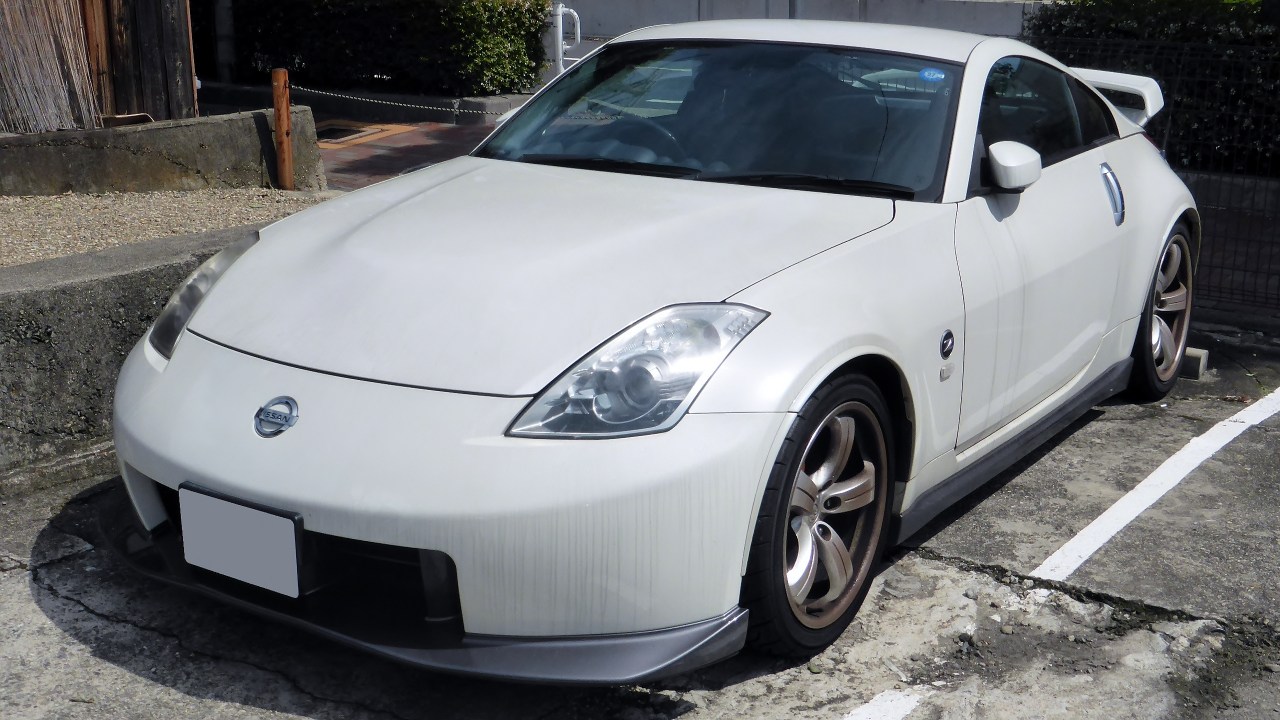
The Nissan 350Z and 370Z went through a predictable cycle: initial hype, years of heavy depreciation as they became cheap entry-level performance cars, and then a recent resurgence as enthusiasts reassess their value. For a long time, rough examples and a reputation for hard use kept prices low, but the same factors that made them popular with drifters and tuners are now driving a new wave of interest. A naturally aspirated V6, rear-wheel drive, and a manual option in a relatively simple package are increasingly rare in a market dominated by turbo fours and dual-clutch automatics, which has pushed buyers back toward cleaner Z-cars.
As the new Nissan Z arrives with a higher price tag and more complex twin-turbo hardware, the older 350Z and 370Z look like straightforward, mechanical alternatives that still deliver strong performance. I see more shoppers seeking out unmodified or lightly modified cars, often willing to pay a premium to avoid the cost of undoing years of budget tuning. That shift is visible in used-car searches, where well-kept examples no longer linger at the bottom of the price range. The drift scene’s continued love for the platform, combined with a shrinking pool of stock cars, has turned what were once disposable coupes into appreciating assets for owners who kept them clean.
BMW E36 and E46: from cheap beaters to enthusiast staples
For years, the BMW E36 and E46 3 Series were the default answer for anyone who wanted rear-wheel drive and a manual on a tight budget, which meant many were driven hard and maintained poorly. That era is ending as the supply of solid, rust-free cars shrinks and buyers recognize how much character these chassis offer compared with newer, more insulated models. The M3 variants have already made the leap into serious collector territory, but even non-M coupes and sedans with sport packages and straight-six engines are now attracting attention from enthusiasts who value hydraulic steering, balanced handling, and relatively simple electronics.
The shift is especially clear in the way buyers now prioritize maintenance history and originality, paying more for cars that have not been heavily modified or neglected. As newer BMWs move toward turbocharged engines and complex driver aids, the E36 and E46 generations stand out in used listings as the last of the truly analog 3 Series that can still be daily driven with reasonable running costs. I see more owners treating them as long-term projects rather than disposable commuters, investing in suspension refreshes and preventative cooling-system work because they believe the cars will hold or gain value instead of sliding further down the depreciation curve.
Porsche Boxster and Cayman: the “entry” Porsches that are not so cheap anymore
The Porsche Boxster and Cayman spent much of their lives in the shadow of the 911, often dismissed as the “entry-level” choice and priced accordingly on the used market. That perception has shifted as more drivers experience the mid-engine balance and realize that, on a twisty road or track, these cars deliver as much engagement as many older 911s for a fraction of the cost. Early 986 and 987 Boxsters, along with first-generation Caymans, have seen a noticeable firming of prices, particularly for cars with manual transmissions, sport packages, and documented service histories.
Concerns about issues such as intermediate shaft (IMS) bearings once depressed values, but better information and preventative solutions have made buyers more comfortable taking the plunge, especially when they can verify work through detailed ads. As air-cooled and early water-cooled 911s move further out of reach, enthusiasts who want a Porsche crest on the hood without six-figure budgets are increasingly funneled toward the Boxster and Cayman. I see that dynamic turning well-kept examples into sought-after cars rather than overlooked bargains, with special editions and S models leading the way but base cars no longer languishing at the bottom of the price spectrum.
Why these “cheap” sports cars are heating up together
Across all of these models, the same forces are at work: a shrinking supply of clean, unmodified cars, rising prices for new performance models, and a generational shift toward analog driving experiences. Younger enthusiasts who grew up on racing games and online videos now have the income to buy the cars they admired on screens, while older drivers are revisiting the machines they skipped when family or career took priority. That convergence has turned once-overlooked coupes and roadsters into shared cultural touchpoints, which is exactly the kind of narrative that tends to push values higher once it takes hold in auction data and enthusiast results.
I also see a practical undercurrent: many of these cars remain relatively affordable to run compared with modern turbocharged or hybrid performance models, with simpler electronics and strong aftermarket support. That makes them attractive not just as weekend toys but as usable daily drivers that still feel special, a combination that is increasingly rare in a market dominated by crossovers and electric vehicles. As long as those conditions hold, I expect these once-budget sports cars to stay in demand, with the cleanest, most original examples continuing to surprise their owners when it comes time to sell.