Most folks don’t think of Packard when they think performance—but for a brief window, they nearly pulled it off. From big V8s to aircraft engines and wild concept cars, Packard flirted with muscle before quietly bowing out. This article looks at the moments when Packard aimed for speed, even if history forgot to give them credit.
The Caribbean’s Subtle Muscle Shift

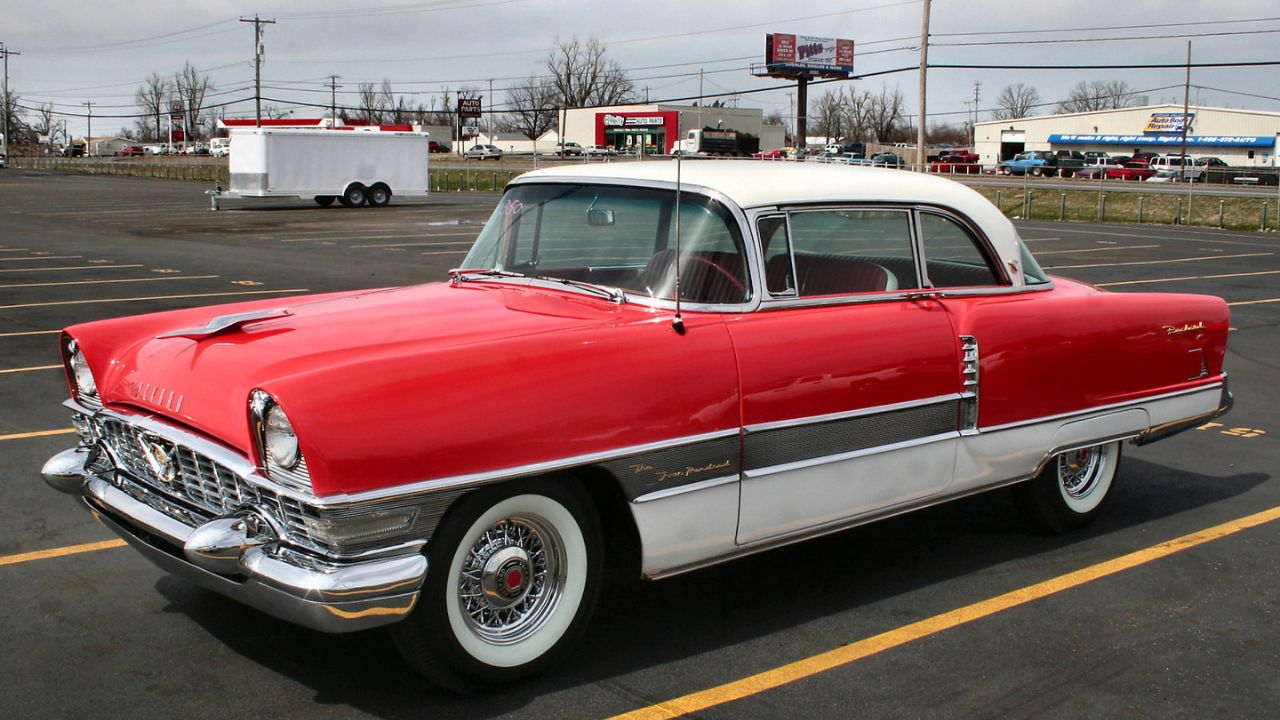
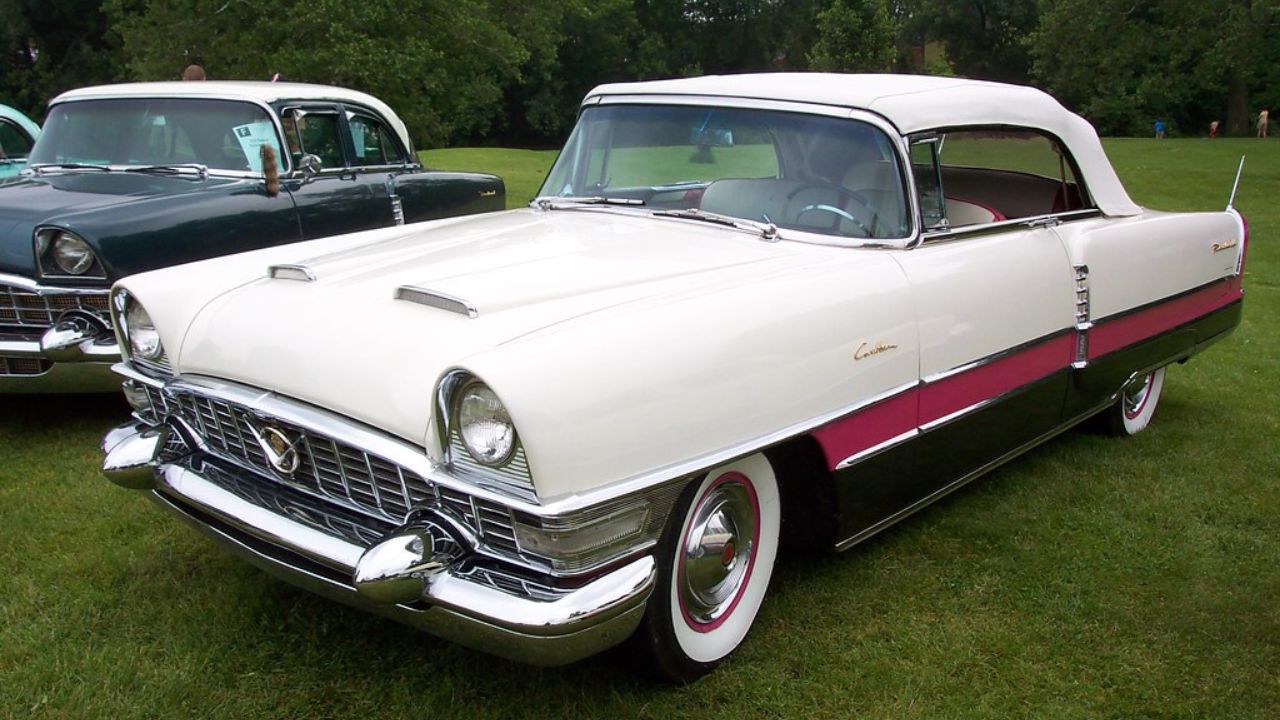
The 1956 Packard Caribbean may have looked like a boulevard cruiser, but it came with something unexpected under the hood. It used a 374-cubic-inch V8 producing 310 horsepower—impressive for a company known more for luxury than muscle. Twin four-barrel carbs and pushbutton Ultramatic drive hinted at something sportier.
Packard even gave the Caribbean a torsion-level suspension that handled better than most luxury boats of the day. It wasn’t meant for street racing, but it showed Packard wasn’t asleep at the wheel when it came to power. Sadly, the marketing didn’t push performance.
The 1955 400 Coupe Got a Serious V8
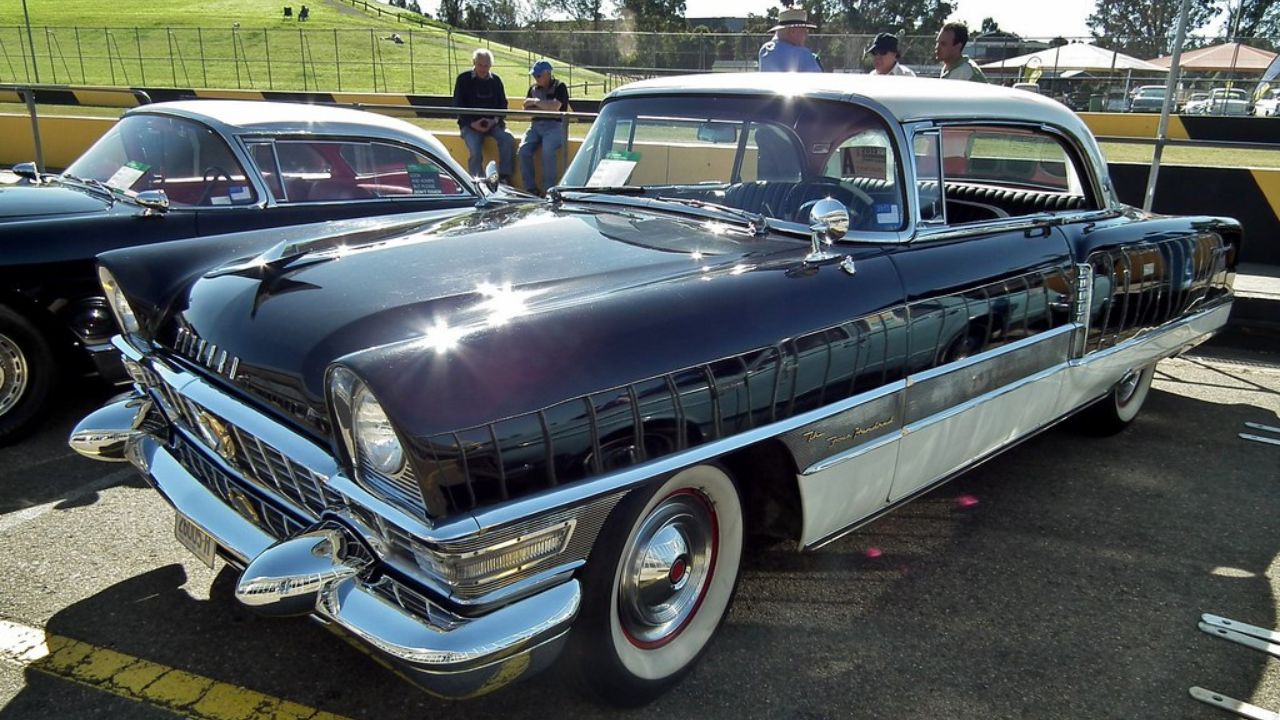
Packard’s 1955 400 coupe offered a 352-cubic-inch V8 making 275 horsepower—Packard’s first modern overhead-valve V8. It wasn’t just a last-ditch upgrade; it was a real effort to compete with Cadillac and Lincoln in power and prestige.
The 400 paired that engine with Ultramatic drive and torsion bar suspension, but it didn’t get much love from younger drivers. Despite solid torque and highway chops, it wasn’t marketed as performance, even if the specs nudged in that direction.
The Predictor Looked Fast, Even If It Wasn’t
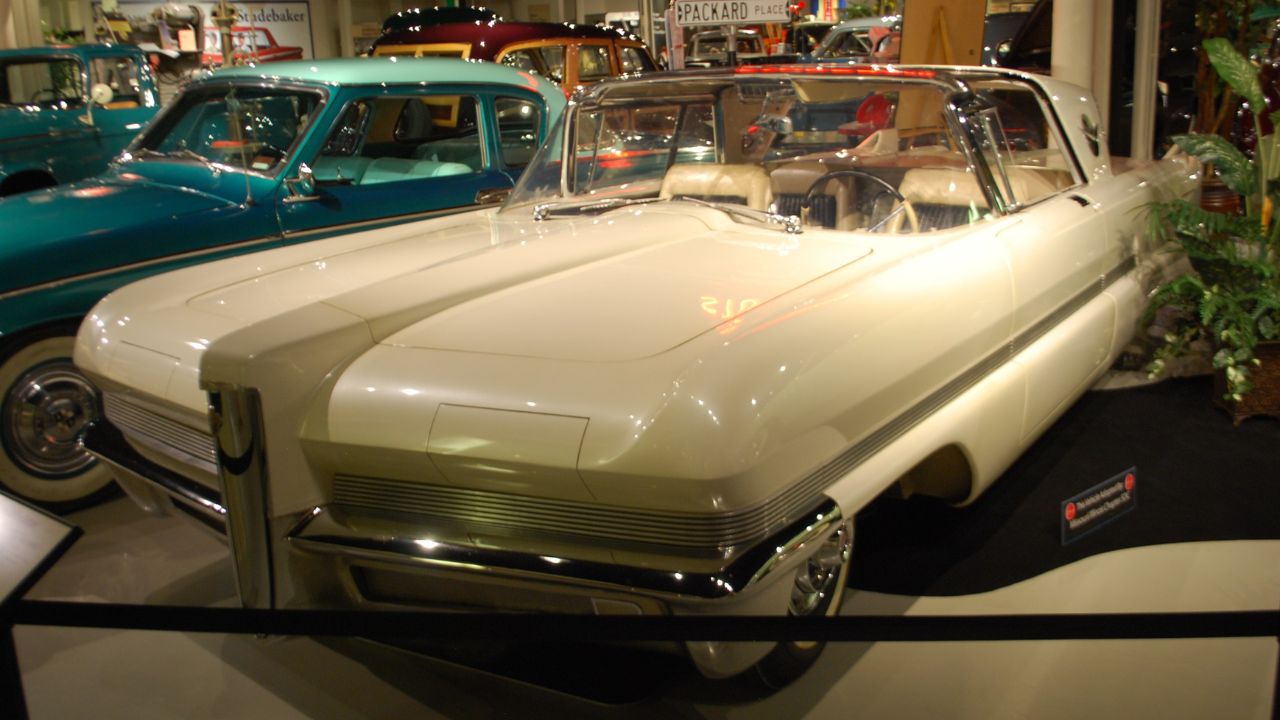
In 1956, Packard unveiled the Predictor concept car. It was never meant to go into production, but it featured a low, wide stance and jet-age styling that looked like it should house something potent under the hood.
It had a 374 V8 and all the visual cues of a muscle-era leader—just a decade too early. With front-hinged doors, a wraparound dash, and retractable roof panel, it hinted that Packard could be cool. Performance-wise, it was more style than speed, but it was a shift in tone.
The Hawk-Powered Packard Experiment
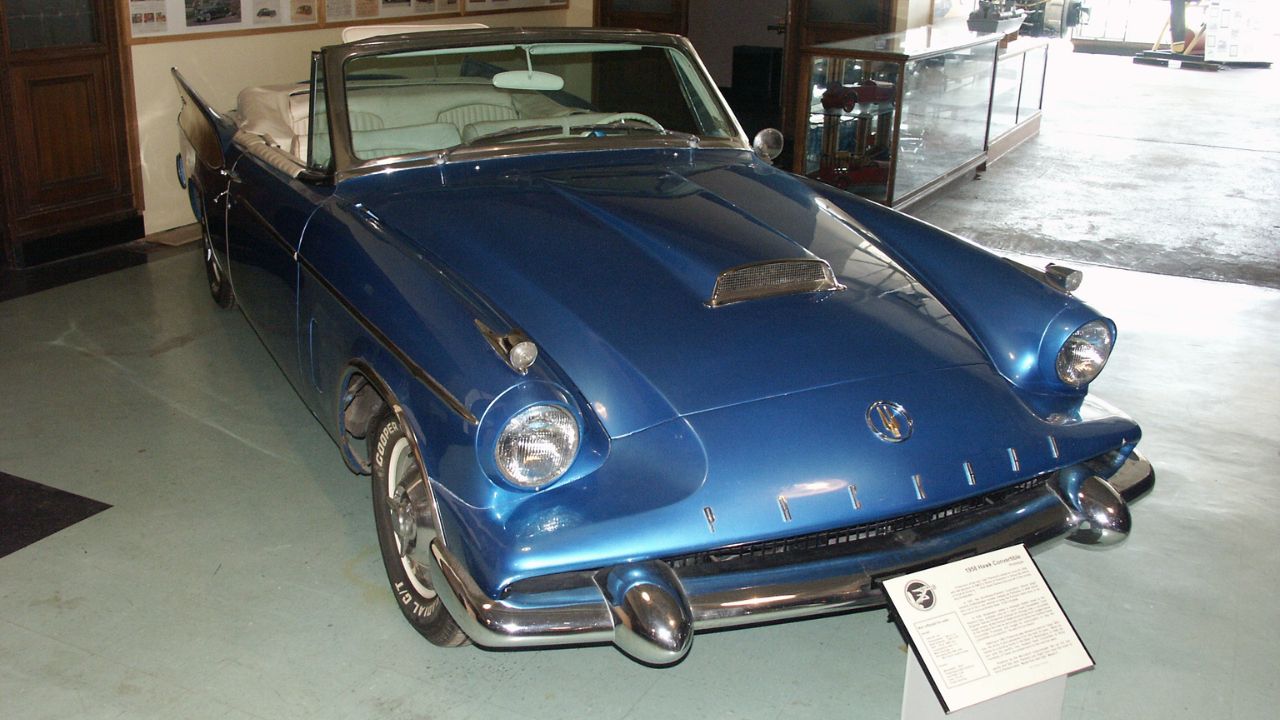
In 1958, Packard’s last gasp of performance came via the Hawk series—borrowed from Studebaker. Under the hood was a 289-cubic-inch V8 from the Golden Hawk, paired with a McCulloch supercharger producing 275 horsepower.
The body still said Studebaker, but Packard badges tried to keep the dream alive. It wasn’t a true Packard effort, but it was the only Packard-branded car with a factory supercharger. It was fast for the time, but the name had already lost its weight in the market.
Packard’s 1955 Torsion-Level Suspension Was Serious Engineering
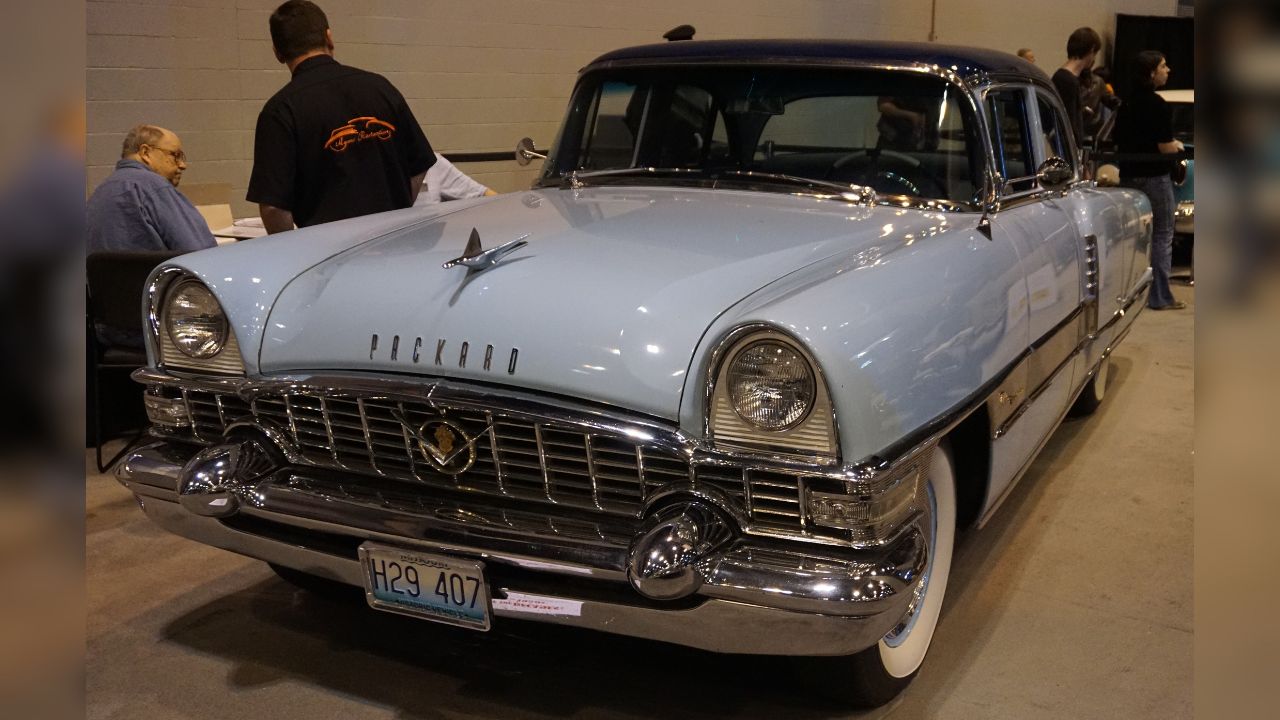
While not performance in the straight-line sense, Packard’s torsion-level suspension in 1955 was a bold engineering play. It used interconnected front and rear torsion bars and an automatic leveling motor for ride balance.
The result was a smooth, controlled ride that could handle uneven pavement without floating. It may have been too advanced for buyers expecting soft springs and sway, but it gave Packard something unique when others were chasing fins and chrome.
The Ultramatic Held Performance Back
Packard’s Ultramatic transmission was advanced for its time but ultimately limited the performance push. It was smooth and quiet, favoring comfort over aggressive shifts. Even when paired with the high-output V8s, it dulled acceleration.
Packard never fully developed a manual option to match its big engines, which meant the performance story was always half-finished. GM’s Hydra-Matic could at least be quick; Ultramatic always felt a bit hesitant, even when the car had enough horsepower to move.
Packard Built Engines for WWII Fighters
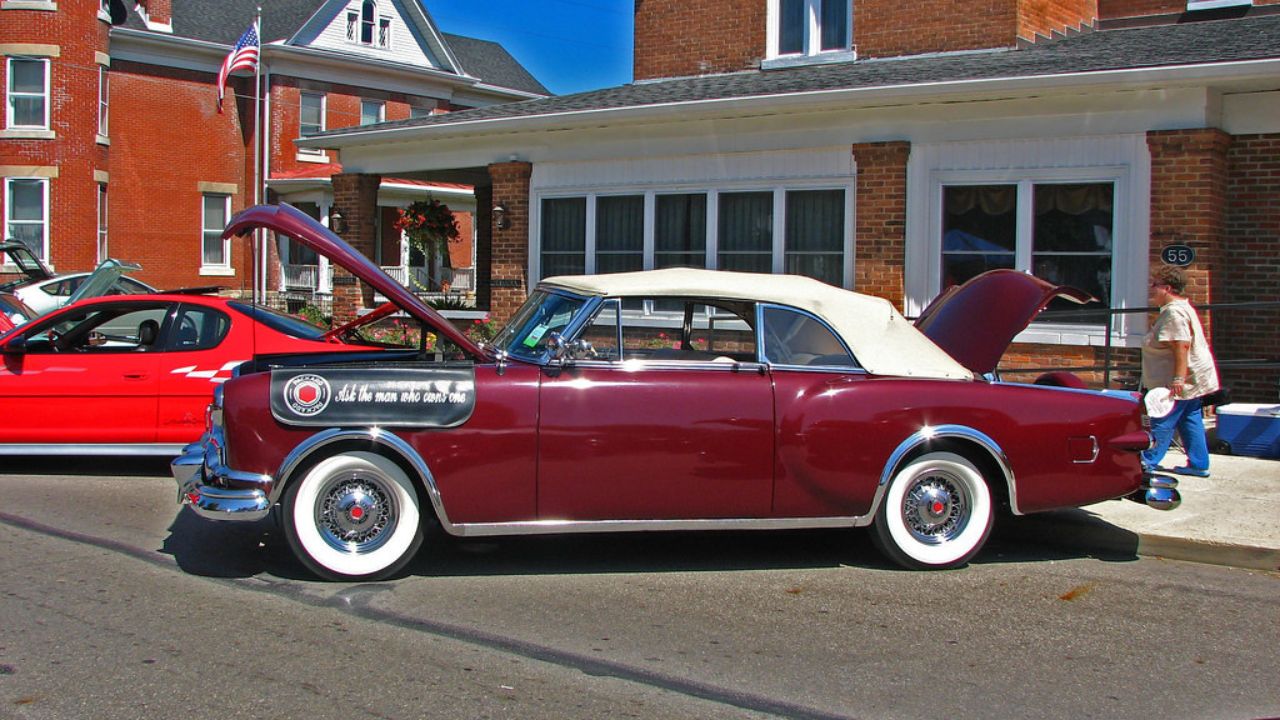
During World War II, Packard built licensed versions of the Rolls-Royce Merlin V12 for P-51 Mustangs. These supercharged engines were high-performance by any measure—1,400+ horsepower at altitude.
This wartime experience gave Packard credibility in engineering circles. But that know-how never fully made it back into their cars. By the time the postwar market opened up, Packard’s aircraft engine division wasn’t connected to its production car strategy.
The V8 Plan Came Too Late

By the time Packard launched its V8 in 1955, Cadillac and Lincoln had already moved on to faster, flashier models. Packard’s engines were solid on paper—high compression, decent horsepower—but lacked the follow-through.
There was no high-performance trim, no racing program, and no youth appeal. Packard’s V8 was capable, but it never got the marketing push or hardware to make it exciting. Timing hurt them most—they arrived late, and the industry passed them by quickly.
Like Fast Lane Only’s content? Be sure to follow us.
Here’s more from us:
*Created with AI assistance and editor review.