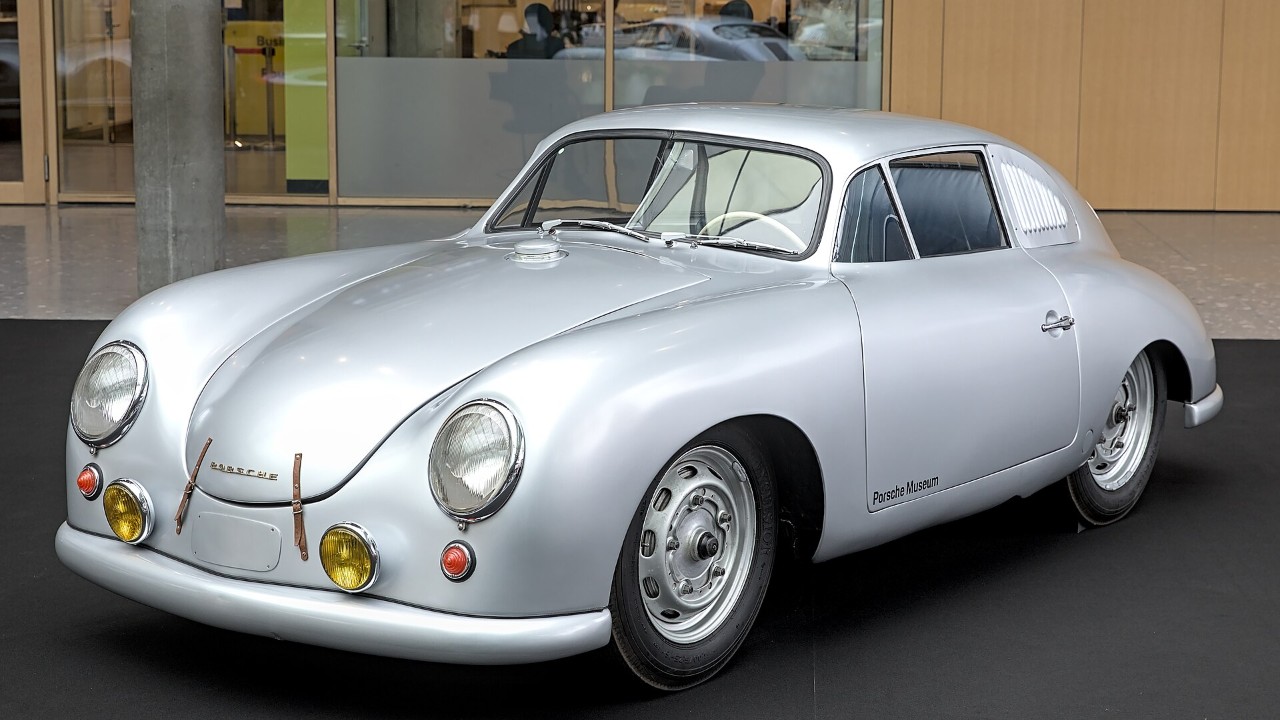
The 1953 Porsche 356 did not win its place in history with brute force. It did it with restraint, by proving that careful weight saving and modest power could outrun heavier rivals and shape how sports cars would be engineered for decades. In an era obsessed with displacement and cylinders, this early 356 showed that a light, efficient package could be just as potent as a big engine, and that lesson still echoes through modern performance cars.
That shift in thinking is clearest in the stripped back variants that appeared in the early 1950s, where Porsche pared the 356 down to its essentials. By focusing on mass, aerodynamics, and usable power rather than headline figures, the company created a template for lightweight speed that still defines its brand identity today.
The 356’s early formula: small engine, serious intent
From the outset, the Porsche 356 was built around the idea that a compact, efficient engine in a light shell could deliver real pace. The car drew on Volkswagen mechanical roots, but by the early 1950s Porsche had pushed that basic layout close to its limits. Bore and stroke were increased to 80 x 74 mm, and at 1.5 liters the VW engine had been taken as far as its design would permit, a point that underlined how much performance the engineers were extracting from modest displacement. That focus on getting the most from a small package, rather than simply bolting in a larger unit, set the tone for how the 356 would chase speed.
In the 1500 Super “Pre A” models that arrived in this period, Porsche treated the engine and chassis as a single system, not separate components. The company refined the flat four, improved breathing and internals, and matched that to gearing and suspension that let drivers carry momentum instead of relying on raw power. The result was a car that felt eager and responsive, even if its numbers looked conservative on paper, and it showed that careful tuning of a 1.5 liters engine in a light body could punch above its weight on road and track.
America Roadster: when lightness became the main weapon
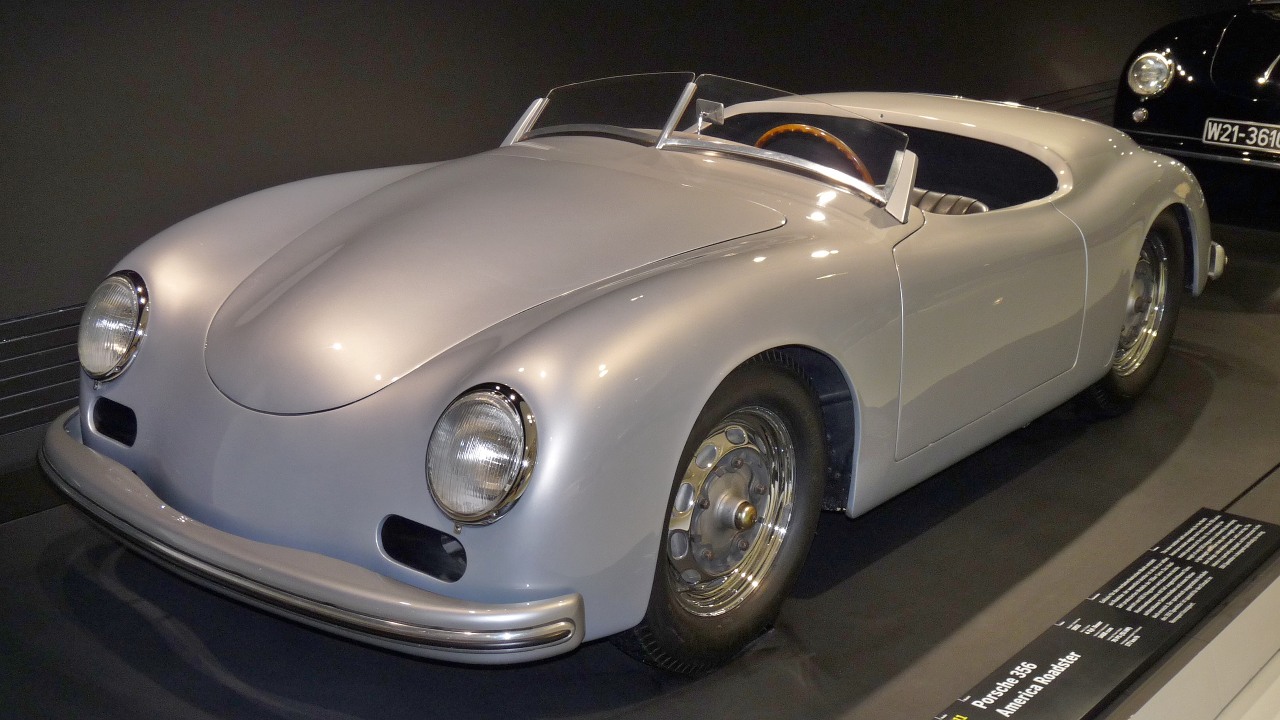
The clearest expression of Porsche’s lightweight obsession arrived with the 1953 356 America Roadster. Rather than chasing more power, the company stripped mass wherever it could, creating a car that was more tool than toy. Enter the America Roadster, a limited run machine built in tiny numbers for customers who valued lap times over comfort. A total of 17 were built, and 16 of those featured lightweight aluminum bodies, a decision that dramatically cut weight compared with the standard steel bodied cars and turned the 356 into a far sharper instrument.
That aluminum construction was not a styling flourish, it was a performance strategy. Total weight of the America Roadster dropped to a level that let its relatively modest engine deliver startling real world pace, especially on tight circuits and twisty roads where agility mattered more than straight line thrust. The car was not a commercial success, but it proved a crucial point inside and outside Porsche: if you removed enough mass, you did not need a huge engine to go very quickly. That lesson would later inform the company’s open top Speedster variants, which combined open air driving with outstanding driving dynamics and kept the focus on simplicity and low weight rather than luxury.
From America Roadster to Speedster: a lightweight lineage
The America Roadster’s limited sales did not end its influence. Instead, its core idea, a stripped back, driver focused 356, evolved into the more accessible Speedster models that followed. Porsche recognized that there was a market for open cars that prioritized handling and feedback, and it translated the Roadster’s lessons into a package that could be built in greater numbers. Open top driving pleasure combined with outstanding driving dynamics became a defining promise of these Speedster variants, which kept weight in check with simple interiors, low windshields, and minimal weather protection.
That philosophy created a lightweight lineage that stretched from the early 1950s into later decades. The America Roadster showed what was possible when engineers chased grams, and the Speedster turned that experiment into a recognizable product line that still resonates with enthusiasts. When modern limited run models revive the Speedster name, they are trading on a heritage that began with the 1953 cars, where Porsche proved that a lean, open 356 could deliver a purer, more involving kind of speed than heavier, more powerful rivals.
The 1500 Super “Pre A” and the limits of the VW base
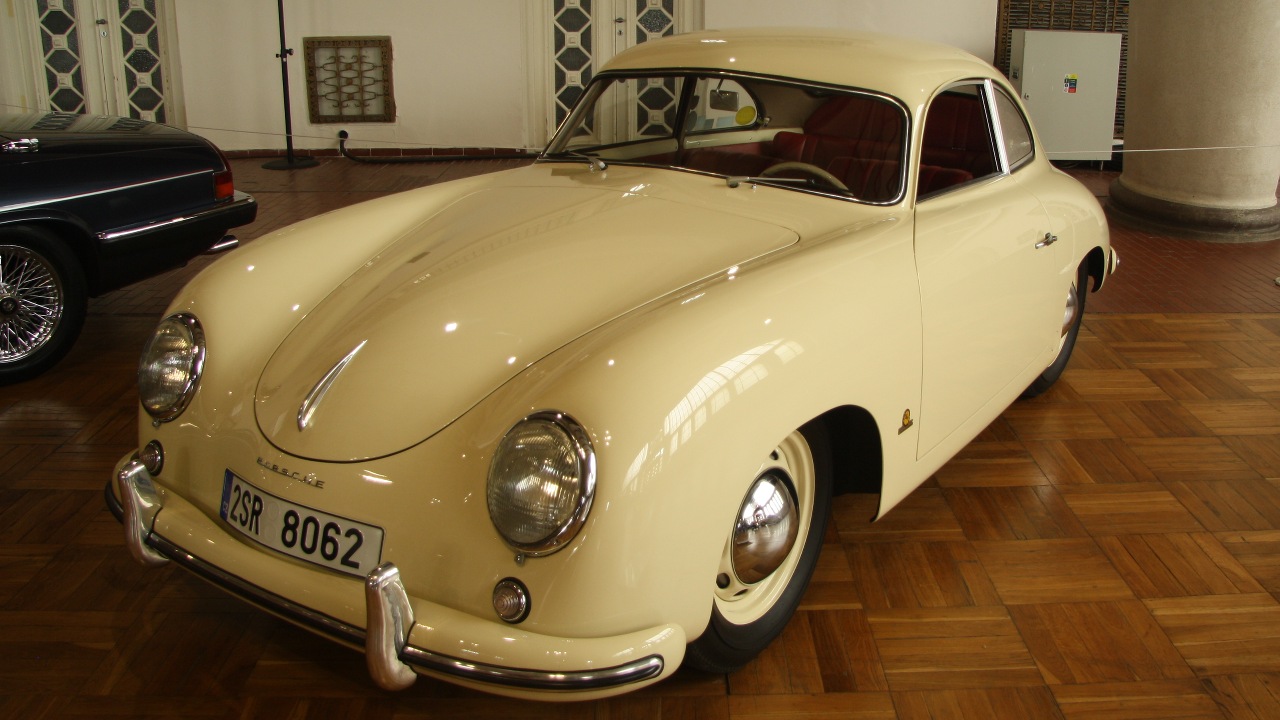
While the America Roadster grabbed attention with its aluminum body, the mainstream 356 range was quietly evolving in parallel, and the 1500 Super “Pre A” showed how far Porsche could push its Volkswagen derived hardware. Bore x stroke were now 80 x 74mm, and at 1.5 liters the VW engine had been taken as far as its design would permit, which meant the engineers had to look beyond displacement for gains. They refined combustion, improved cooling, and optimized gearing so that drivers could stay in the power band and exploit every fraction of available torque.
This approach reinforced the same lesson the America Roadster was teaching in more dramatic form. If the base engine could not grow much larger, the only way to go faster was to make the car lighter, slipperier, and more responsive. The 1500 Super “Pre A” models balanced their tuned engines with careful chassis work, creating a car that rewarded smooth, committed driving rather than brute throttle inputs. In practice, that meant a 356 could keep up with, and sometimes embarrass, bigger engined competitors on real roads, because it carried speed through corners and made better use of its modest power.
A 1953 356 in the modern era: why the formula still works
The durability of this lightweight philosophy is clear when I look at how a restored 1953 Porsche 356 is treated today. One recent build, described as The Elegant Side of the Shine Speed Shop Shines through on this Sexy 1953 Porsche 356, shows how modern craftsmen still respect the original balance of power and weight. Ron, a retired mechanical engineer behind that project, did not turn the car into a high horsepower restomod. Instead, he leaned into the 356 layout, preserving its compact proportions and low mass while updating details to make it more usable without losing its character.
That kind of build underlines why the 1953 car’s approach to speed still feels relevant. Enthusiasts could easily double the power with a modern engine, but many choose not to, because the appeal lies in how the 356 flows down a road rather than how hard it accelerates in a straight line. The same logic explains why contemporary commentators still describe the 356 as, for some, the purest Porsche ever made, even if others see it as overshadowed by the 911 that came after. In a performance world now crowded with heavy, high output machines, the idea that a light, modestly powered car can deliver deeper satisfaction feels more current than nostalgic.
Why 1953 still matters to Porsche’s identity
Looking back at 1953, I see more than a charming early sports car. I see a turning point where Porsche committed to a set of engineering values that still define the brand. The America Roadster’s aluminum body, the 1500 Super “Pre A” engine stretched to 1.5 liters, and the emerging Speedster concept all pointed in the same direction, toward cars that chased efficiency, agility, and feedback instead of raw size. Those choices taught customers and rivals that lightweight speed was not a compromise, it was a different, often more rewarding, way to go fast.
That identity continues to shape how modern Porsches are judged. When a new model is praised for feeling lithe despite its power, or when a limited run Speedster is celebrated for its focus on the driver, it is really the 1953 356 casting a long shadow. The early cars proved that a small, carefully honed machine could deliver serious performance, and that lesson has outlasted countless trends in styling and technology. Lightweight speed did not just help the 1953 Porsche 356 stand out in its own time, it helped define what a Porsche is supposed to be.
More from Fast Lane Only: