The 1955 Mercedes-Benz 300SL did not just arrive in showrooms, it detonated into public consciousness as a road‑legal extension of Grand Prix technology. With its dramatic gullwing doors and race‑bred engineering, it reset expectations of what a sports car could be and helped define the modern idea of automotive prestige. Seven decades later, its impact is still visible in record auction prices, museum collections, and the way enthusiasts talk about performance and design.
When I look at how the 300SL stunned the world, I see three intertwined stories: the bold decision inside Mercedes and Benz to turn a racing prototype into a road car, the radical engineering that made it unlike anything else on the street, and the way its legacy now shapes the top end of the collector market. Each of those threads helps explain why this car remains a benchmark rather than a period curiosity.
From racing gamble to “Destiny of Choice”
The 300SL’s origin story is rooted in a strategic gamble. After the trauma of the early 1940s, Mercedes and Benz leadership chose to reassert the brand through top‑tier motorsport rather than cautious, utilitarian products. Internally, that decision has been described as a kind of Destiny of Choice, a deliberate move to align engineering resources with the goal of being the most advanced name in performance rather than simply rebuilding volume. The competition 300SL race car, with its lightweight tubular frame and focus on endurance events, became the test bed for that ambition.
What makes the road‑going 1955 300SL so striking is that Mercedes and Benz did not water down that racing DNA for the showroom. Instead, they treated the production car as a direct extension of the works racers, much as the modern Mercedes and Benz Formula 1 program now informs halo road models. The company’s conviction to stay locked on its performance‑led business aims meant the 300SL arrived as a fully formed statement of intent, not a tentative experiment, and that clarity of purpose is a big part of why it felt so shocking to period buyers.
Gullwing drama and uncompromising design
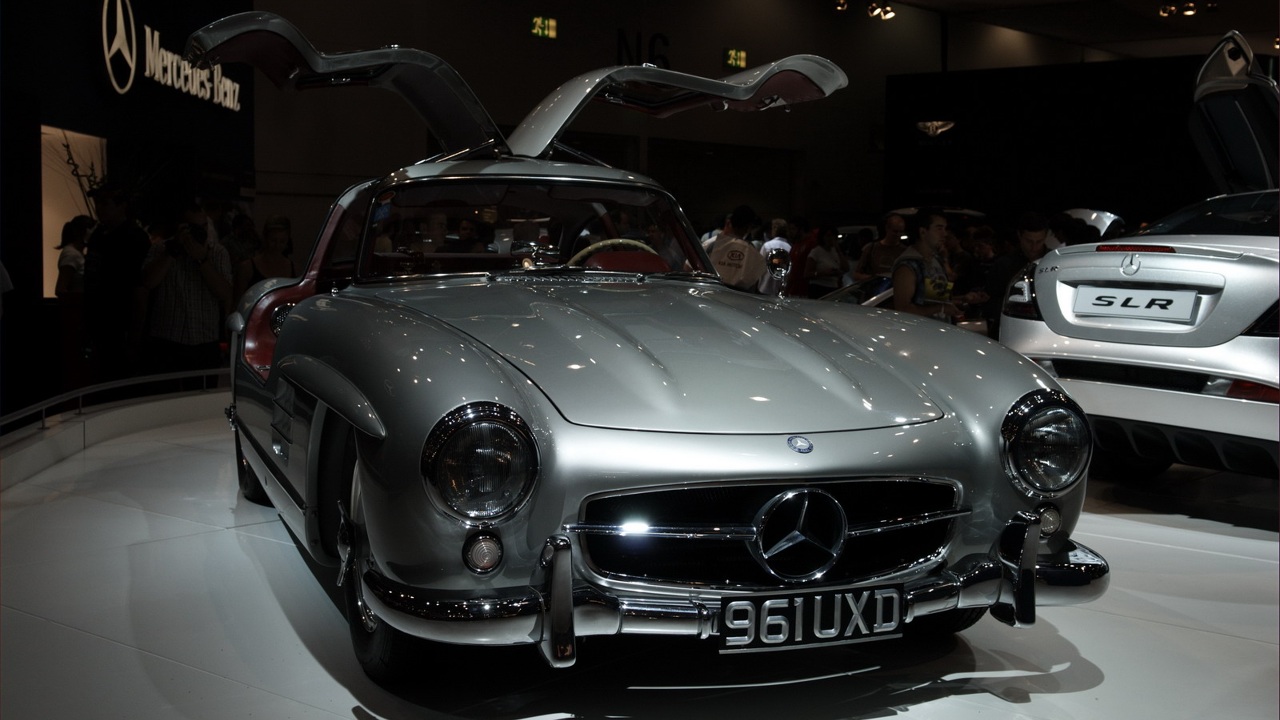
Visually, nothing announced the 300SL’s difference more loudly than its gullwing doors. They were not a styling gimmick but a structural necessity, the result of a very high, very strong tubular chassis that made conventional openings impossible. Engineers tried to accommodate regular doors and, as one account puts it, But the Germans lowered the sills as much as they could and still could not make a standard hinge work. The solution was to move the opening up into the roof, creating the signature Gullwing silhouette that instantly separated the car from anything else on the road.
That uncompromising approach extended across the body and cabin. The low, aerodynamic nose, the long hood, and the compact greenhouse were all dictated by performance and packaging rather than comfort. Even entry and exit demanded a kind of ritual, with drivers swinging a leg over the wide sill and dropping into a cockpit that felt closer to a race car than a grand tourer. The result was a machine that looked and behaved like a competition car that had somehow slipped onto public roads, which is exactly why early owners and spectators felt they were seeing something from the future.
Fuel injection, performance, and the road‑legal racer
Under the skin, the 300SL’s engineering justified its dramatic looks. The car used a fuel‑injected straight‑six derived directly from the competition program, and period experts have emphasized that it was the first production car with a fuel injection petrol engine. That system, adapted from the race motor, gave the 300SL both higher power and sharper throttle response than carbureted rivals, turning the car into a genuine high‑speed tool rather than a styling exercise. The link between the race car’s motor and the road unit was not marketing spin, it was a mechanical reality that drivers could feel every time they accelerated.
That blend of technology and usability is why the 300SL quickly earned a reputation as one of the world’s most coveted automobiles, a rare instant classic in the words of one detailed sales description of The Mercedes 300SL. It was fast enough to dominate autobahns and long‑distance routes, yet finished with the kind of craftsmanship and comfort that wealthy clients expected from Mercedes and Benz. In effect, it created the template for the modern super‑GT: a car that could win on Sunday in race form and then carry two people and luggage across a continent at high speed on Monday.
From showroom shock to auction royalty
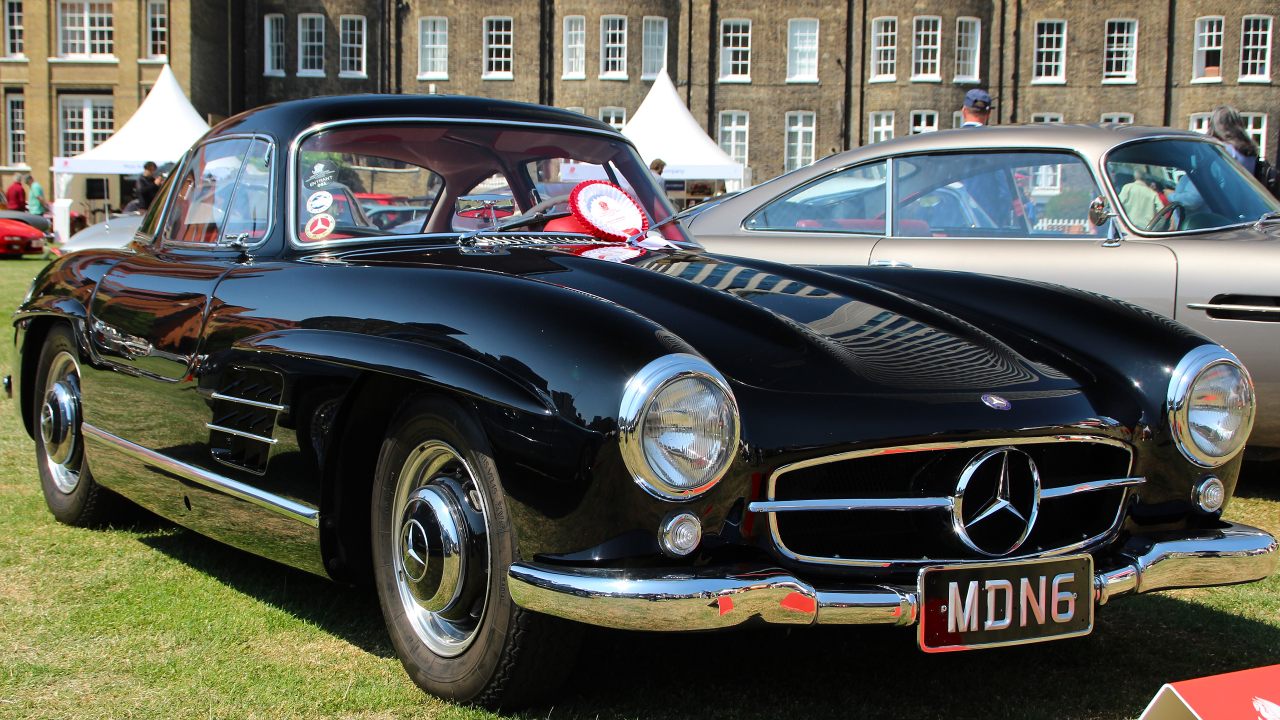
The shock that greeted the 300SL in the 1950s has, over time, translated into extraordinary collector demand. Valuation specialists note that the price of a 1955 Mercedes and Benz 300SL Gullwing can vary widely depending on condition, mileage, options, and history, but even a Typic example in good condition commands a seven‑figure sum. Exceptional cars with rare specifications or documented competition use sit even higher, reflecting how tightly the market now links this model to the origin story of modern performance luxury.
Some of the most dramatic numbers come from headline sales. One 1955 Alloy Gullwing, a lighter and rarer variant, was sold by Sotheby for just over 6.8 m dollars, underscoring how collectors prize even small increments of performance or rarity in the 300SL universe. That appetite is not limited to the road car either. The closely related 300 SLR Uhlenhaut Coup, a closed‑roof evolution of the racing program, has been described as the most valuable car in the world after a single example was sold at auction for a record price. Its extreme rarity, unique design, and direct link to Grand Prix success have made the Uhlenhaut Coup a kind of ultimate expression of the same engineering philosophy that produced the 300SL.
A legacy that still shapes the top of the market
The ripple effects of that 1950s shock are still visible in how the industry and collectors think about value. When analysts explain Why the world’s most expensive car cost so much money, they point to a familiar mix of factors: extreme scarcity, direct ties to top‑level racing, and a design that was radical in its own time rather than nostalgic. The 300 SLR Uhlenhaut Coup, with its 300 designation, its SLR engineering, and its Coup body, sits at the apex of that logic, but the standard 300SL Gullwing benefits from the same narrative. Both cars embody a moment when Mercedes and Benz treated the road as an extension of the circuit, and the market now prices that attitude accordingly.
For me, that is why the 1955 300SL still feels so alive. It is not just a beautiful object or a museum piece, it is a snapshot of a company choosing risk over caution and engineering over compromise. The fact that a related Uhlenhaut Coup can now command record sums, and that Driving the Mercedes and Benz Gullwing remains a benchmark experience for modern reviewers, shows how completely that choice reshaped expectations. When the 300SL first appeared, it stunned the world by proving that a road car could carry racing technology and drama into everyday life. The prices, the reverence, and the ongoing fascination simply confirm that the world has not stopped being stunned yet.
More from Fast Lane Only: