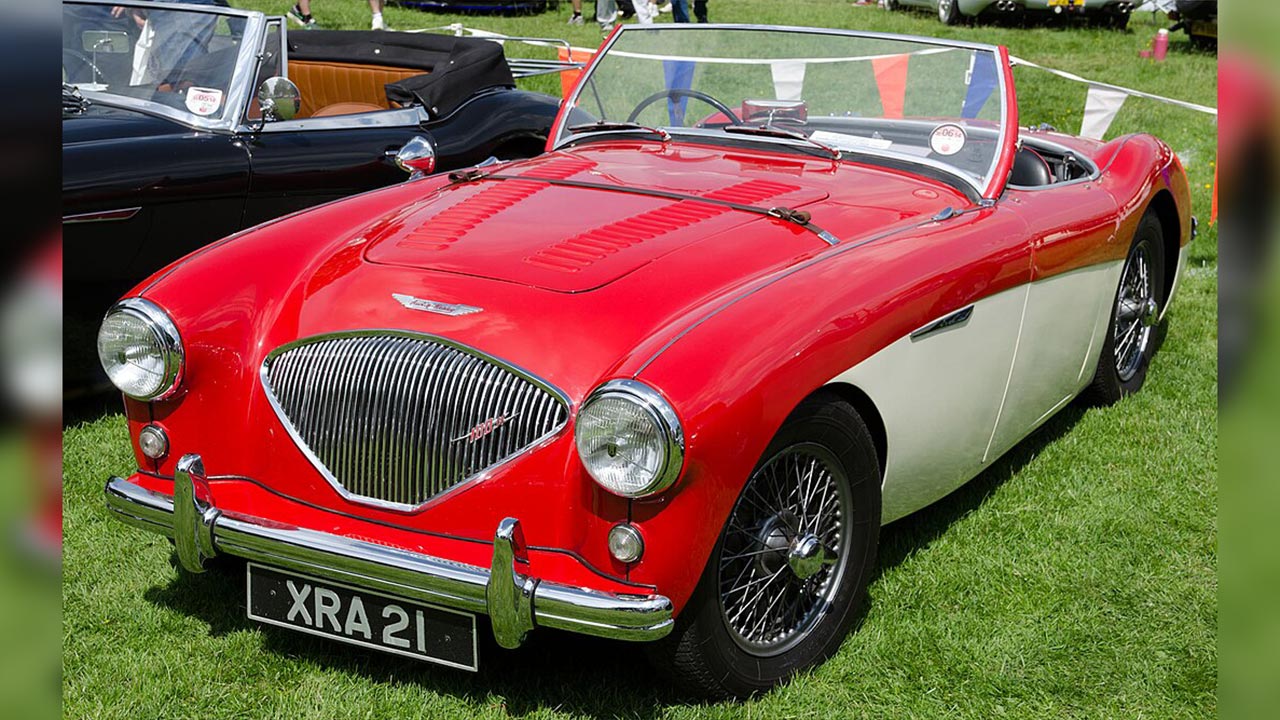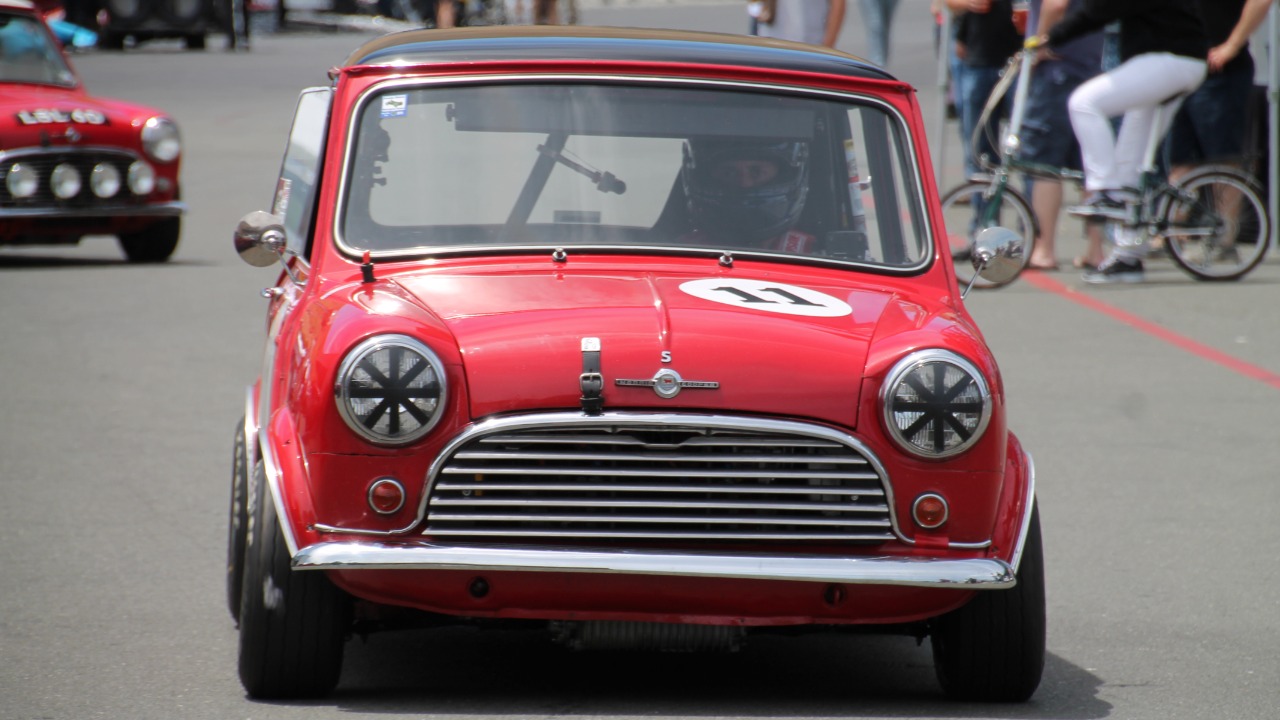
The 1965 Mini Cooper S did not just win a rally, it rewrote the pecking order of international motorsport. In a field packed with muscular machinery from established manufacturers, this tiny British saloon humiliated cars that, on paper, should have left it for dead. I want to look at how that happened, why it mattered, and how the same little box on wheels still shapes the way I think about performance today.
From fuel crisis fix to giant killer
Long before it was embarrassing giants on Alpine stages, the Mini was meant to be a practical answer to a national problem. Alec Issigonis created the original Mini to help Britain cope with a fuel crisis, prioritising space efficiency and economy over glamour. The irony, and the delight, is that in solving that packaging puzzle he accidentally produced one of the most agile small cars ever built, a machine that later reporting has called one of the greatest British cars of all time.
What fascinates me is how those humble engineering choices turned into a competitive weapon. By pushing the engine sideways and tucking the wheels into the corners, Issigonis gave the Mini a wheel-at-each-edge stance that made it feel like a go kart on public roads. Later analysis has stressed that, Most importantly for the Mini’s legacy, those innovations created handling that other automakers would chase for decades. By the time the Mini Cooper S arrived, the basic city car had quietly become a chassis that could dance around much larger rivals.
WHERE THE MINI MAGIC BEGAN
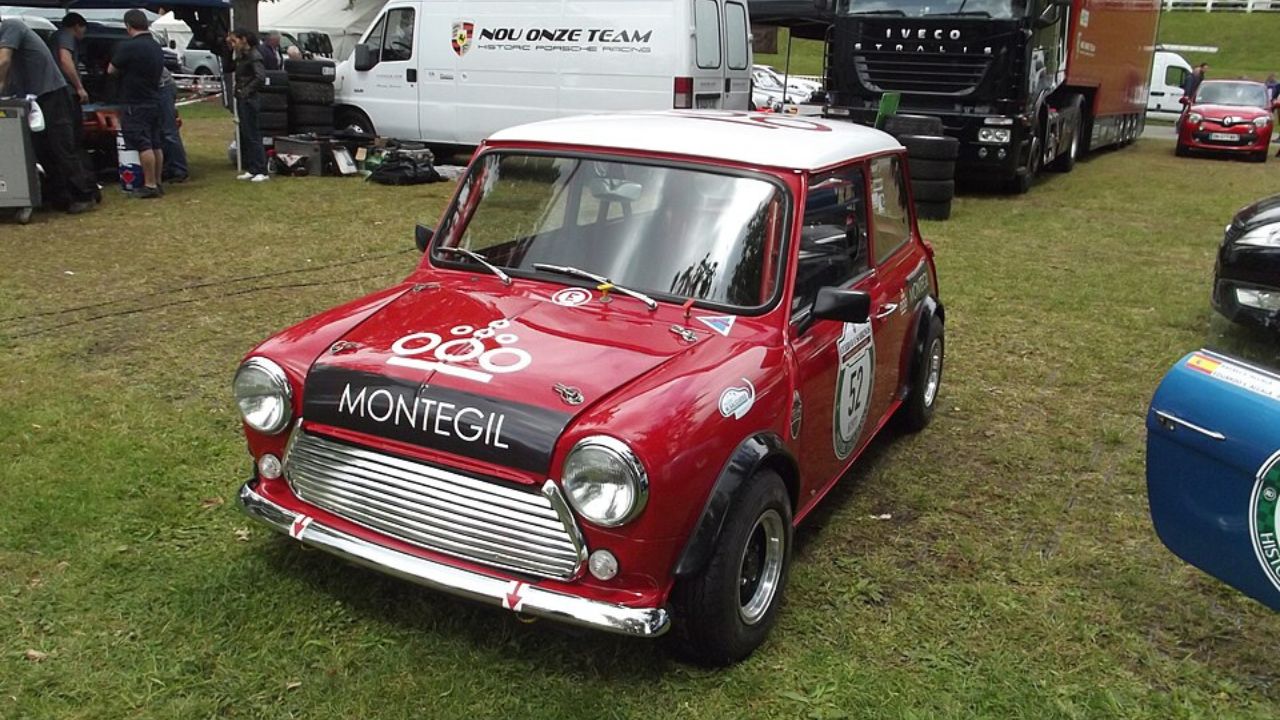
The story of the 1965 Mini Cooper S makes no sense without the breakthrough that came a year earlier. When Patrick Hopkirk crossed the Monégasque finish line in a Mini Cooper S, the whole racing world suddenly had to take this tiny car seriously. Official heritage accounts describe that moment under the banner “WHERE THE MINI MAGIC BEGAN,” and it is hard to argue, because that first Monte Carlo triumph turned a clever city runabout into a global motorsport symbol.
What I like about that early success is how stubborn it was. The works team kept bringing Minis back to the Monte, refining the cars and the crew combinations, even when the odds looked absurd against bigger, more powerful machines. That persistence meant that by the time the 1965 event rolled around, the Mini Cooper S was no longer a novelty. It was a threat, and the giants knew it.
The 1965 masterclass of Timo and Paul Easter
The 1965 Rallye Monte Carlo is where the Mini Cooper S truly embarrassed its heavyweight opposition. In that event, Timo Mäkinen from Finland, paired with co driver Paul Easter, took the compact British car and drove a near perfect rally. Contemporary accounts emphasise that Timo and Easter completed the demanding route without a single penalty point despite challenging conditions, a level of precision that exposed how clumsy some of the more powerful cars could be when the weather turned ugly.
For me, that is the heart of the humiliation. The Mini Cooper S did not win because others broke; it won because its crew and its layout were better suited to the real world of ice, snow and tight mountain hairpins. Reports on the car’s competition history underline that the Mini Cooper S was taking its second victory in the Rallye Monte Carlo for Makinen and Easter Timo Makinen and Paul Easter, confirming that the previous year had not been a fluke. When a supposedly underpowered car wins like that twice, the excuses start to sound thin.
How the Mini turned physics into an ally
What made those wins possible was not magic, it was physics used intelligently. The Mini’s short wheelbase, low weight and front wheel drive layout gave it traction and agility that big rear drive sedans could not match on snow packed roads. Analyses of its design point out that the Mini handled remarkably well because Issigonis pushed the wheels to the corners and kept the centre of gravity low. On twisty Alpine stages, that meant the car could change direction quickly, carry speed through tight bends and put its modest power down cleanly when others were sliding wide.
I find it telling that later retrospectives describe the Mini as a “giant killer” that burst the bubbles of more established brands. One detailed look at its rally record notes that Forty years after those Monte Carlo exploits, enthusiasts were still marvelling at how a small car from England took on the Monte Carlo and rivalled anything the world of rallying had to offer. The 1965 victory was the purest expression of that formula, a demonstration that clever packaging and balance could beat brute force.
Legacy of a humbled field
The embarrassment the 1965 Mini Cooper S inflicted on its rivals did not fade when the trophies were handed out. It changed how manufacturers thought about small cars and performance, and it cemented the Mini name in popular culture. Later coverage of the Monte Carlo story notes that Their Mini Cooper S became an instant icon, vanquishing more powerful competition and standing as a testament to British engineering. When I look at modern hot hatches, I still see echoes of that lesson that light, nimble and clever can be more effective than simply adding horsepower.
There is also a human side to the legacy that I find hard to ignore. The official heritage narrative points out that it has been 60 years since When Patrick Hopkirk first crossed that finish line, yet his persistence and that of his fellow drivers still define the MINI brand. When I picture Timo Mäkinen and Paul Easter threading their Mini Cooper S through the snow, I see more than a plucky underdog. I see a blueprint for how smart engineering, brave driving and a bit of audacity can turn a supposed disadvantage into a lasting advantage, and how one small car from England could make the giants look slow.