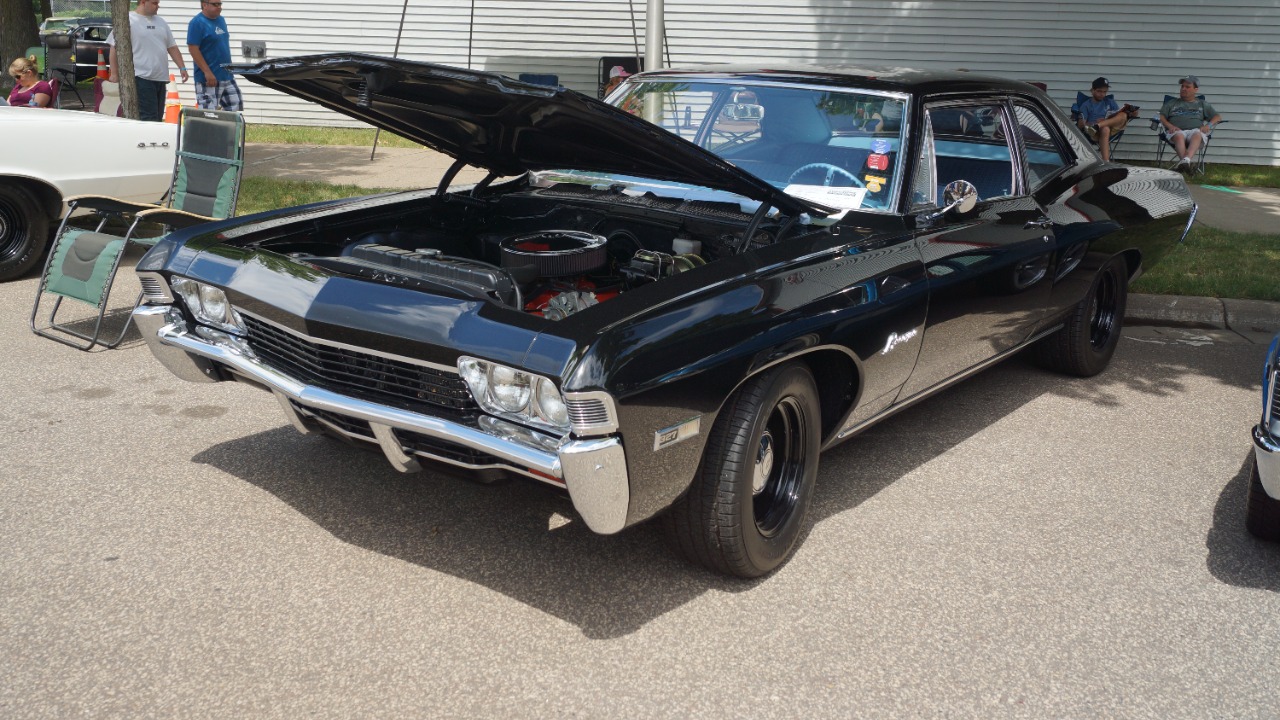
The 1968 Chevrolet Biscayne looked like the kind of car a small-town accountant would drive to work, not a machine that could embarrass big-name muscle at the drag strip. Under that plain sheet metal, though, Chevrolet quietly offered serious big-block power that turned this budget full-size into one of the great sleeper cars of its era. When I look at how little visual drama the car carried compared with what was hiding under the hood, it feels like one of the boldest inside jokes Detroit ever played on the street.
On the surface, the 1968 Chevrolet Biscayne was a no-nonsense full-size sedan, sold on clean styling, rugged reliability, and basic transportation rather than flash. Yet in the right configuration, it could pack a 427 cubic inch V8 and heavy-duty hardware that put it squarely in muscle car territory, even if most people never noticed until it was already pulling away.
The plain wrapper that set up the surprise
When I picture the 1968 Chevrolet Biscayne, I see a car that almost tried to disappear in traffic. It was the stripped-down end of Chevrolet’s full-size lineup, with minimal trim, simple interiors, and a focus on durability over glamour. Contemporary descriptions of the 1968 Chevrolet Biscayne emphasize its clean styling and rugged reliability, a straightforward package that appealed to buyers who cared more about longevity than luxury, and that understated character is exactly what made it such a perfect hiding place for serious performance.
That workhorse image was not accidental. The Biscayne had long been marketed as a budget full-size, the kind of car you would expect to see in taxi fleets or wearing a police crest on the door. Earlier in the lineup’s life, Chevrolet’s own positioning of the Chevrolet Biscayne leaned into that role, and even when enthusiasts later fixated on the big-block versions, the basic car remained a study in restraint. The lack of chrome, modest wheel covers, and unassuming colors all helped the 1968 model blend into the background, which only sharpened the contrast once a driver uncorked the power hiding inside.
How a budget sedan got a 427
The real twist in the story is how such a humble sedan ended up with one of Chevrolet’s most serious big-blocks. Produced in the 1960s, the Biscayne was initially a full-size, budget friendly sedan, but with the introduction of the 427 cubic inch option it stepped into a very different league. Enthusiast accounts of how the car was Produced in that era make it clear that Chevrolet quietly allowed buyers to order a 427 in a Biscayne, creating a combination that looked like a fleet car but pulled like a dedicated muscle machine.
Under the skin, the key was the L72 version of that big-block. Starting in 1968, the L72 once more became a factory option for the big Chevys, bringing with it serious internal upgrades that had already earned respect in smaller performance models. The engine’s availability in full-size Chevys meant a buyer could walk into a dealership and, with the right order sheet, pair that L72 with the lightest, plainest body in the catalog, turning the Biscayne into a weapon that few people saw coming.
Inside the L72: serious hardware in a sleepy shell
What made the L72 so special was not just displacement, but the way it was built. Chevy’s Sleeper 68 427 Biscayne used an engine option that featured solid lifters and a performance camshaft, along with 11:1 compression and 4-bolt main caps that signaled serious intent. Those details meant the 427 was not just big, it was engineered to live at high rpm and deliver the kind of punch that could transform a bare-bones sedan into a car that felt more at home on a drag strip than in a grocery store parking lot.
Numbers from period documentation underline how rare and focused this combination really was. In fact, only 568 L72 427-cid, 425-hp V-8 engines found homes in the big cars, and it is believed that a scant 124 of those were dropped into Biscayne bodies. When I look at those figures, it is clear that Chevrolet did not intend this to be a mass-market package. Instead, it was a quiet nod to serious enthusiasts who understood that pairing a 427-cid, 425-hp engine with the lightest full-size shell created a car that could run with far more glamorous nameplates.
Factory drag cars and the culture of sleepers
Some of the most fascinating Biscaynes were the ones that left the factory already aimed at the quarter mile. Surviving footage and owner accounts describe how only a few of these cars still exist that is a Biscane with the factory 427 four-speed, a combination that essentially turned the car into a turn-key drag machine. Watching a Biscane with a 427 and a manual gearbox launch hard, nose rising while the body still wears dog-dish hubcaps, drives home just how radical the contrast was between appearance and performance.
That sleeper philosophy was not unique to the Biscayne, but the car became one of its purest expressions. Lists of muscle cars that hid their power in plain sight often point to the 1967 Chevrolet Biscayne 427 as an early example, noting how Chevrolet’s Biscayne was marketed as a budget full-size car, often seen in fleet or police use, even as some versions packed a 427 under the hood. The same mindset shows up in other models too, like the 1970 Chevrolet Nova SS, which enthusiasts remember as a compact muscle car with clean, no-nonsense styling that could surprise far more flamboyant rivals. In that broader culture of understated performance, the 1968 Biscayne 427 sits near the top of the sleeper hierarchy.
Price, rarity, and why collectors now care
Part of the Biscayne’s appeal, at least at the time, was how much performance you could buy for the money. Period pricing shows that a 1968 Biscayne with a big-block could be ordered for a cost of $2,998.00, a figure that undercut many better-known muscle cars that shared the same basic hardware. The overwhelming majority of production full-size Chevys with 427s were fitted with hydraulic-lifter 385 horsepower versions, which were already potent, but the L72 cars gave buyers even more for that relatively modest outlay, especially when you consider that many better-trimmed models pushed into the mid-$4,000 price range.
That bargain positioning is a big reason the car has become so coveted today. The Chevy Biscayne 427 sleeper occupies a strange sweet spot in muscle car history, hiding brutal big block performance inside one of the least assuming bodies Chevrolet sold. As collectors have dug into the production numbers and realized how few L72 cars were built, the model has shifted from overlooked oddity to serious blue-chip collectible, with well-documented examples now treated as historically important pieces of Chevrolet’s performance story rather than just old fleet cars.
More from Fast Lane Only: