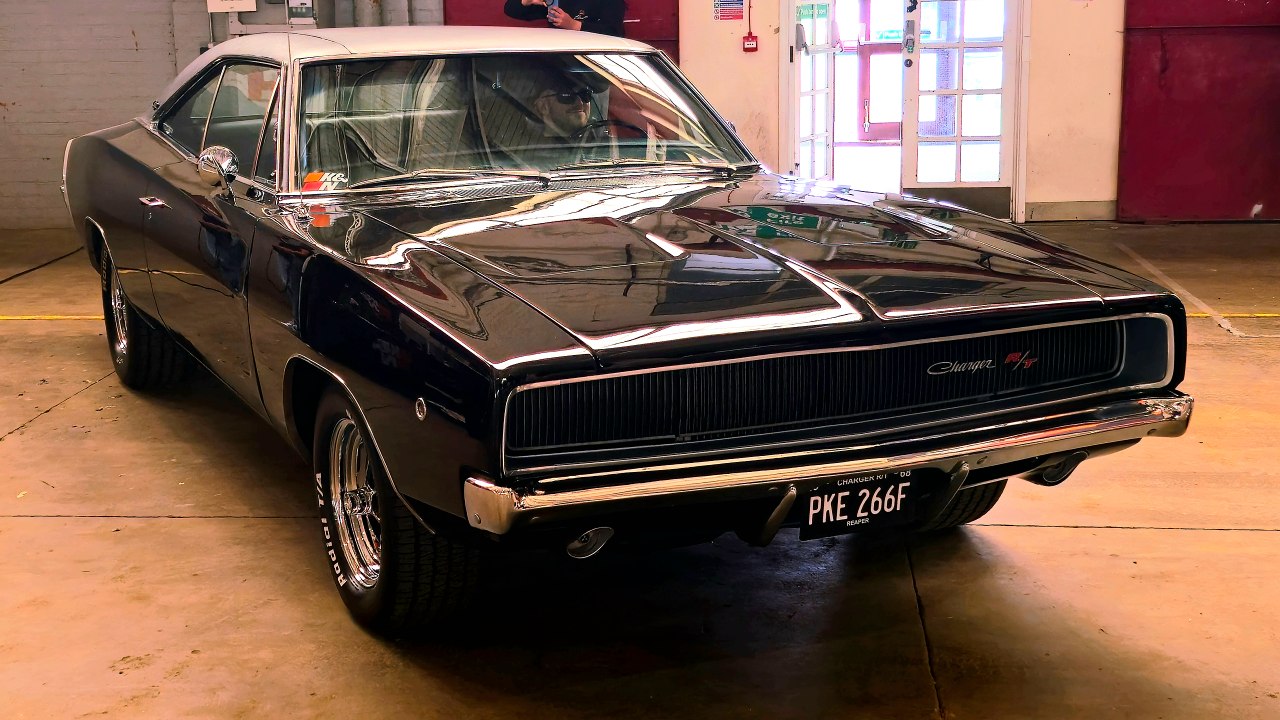
The 1968 Dodge Charger did more than join the muscle car wars, it changed what a performance coupe could look and feel like on American roads. With a fastback profile, hidden headlights, and a stance that seemed to crouch over its rear wheels, it projected a kind of menace that rivals struggled to match. That presence, backed by serious V8 power and huge sales, turned the second generation Charger into a lasting reference point for muscle car design.
From styling experiment to street dominator
By the late 1960s, Dodge was searching for a way to stand out in a crowded field of big engine coupes, and the answer arrived with the second generation Charger. Designers pushed the car away from the more formal look of earlier models and into a sleeker, more aggressive shape, with a long hood, short deck, and a sweeping roofline that visually tied the rear pillars into the trunk. Accounts of The Birth of the car describe how Dodge treated the Charger as a statement piece in the blooming muscle car era, using bold body sculpting and a wide stance to set it apart from its competitors.
The redesign was not just a styling exercise, it was a calculated move to capture buyers who wanted a car that looked as fast as it felt. The Charger’s new bodywork, with its recessed grille and full-width taillights, gave it a distinctive identity that enthusiasts still recognize instantly. Production plans initially targeted 35,000 units, a figure that reflected cautious optimism rather than guaranteed success. The fact that demand quickly outstripped that expectation showed how effectively Dodge had read the market and how strongly the new shape resonated with buyers who wanted a car that looked like nothing else in the showroom.
How the second generation Charger reset expectations
The 1968 model marked the first year of the second generation, and it reset expectations for what a mid-size performance coupe could be. The Charger’s proportions, with a broad shoulder line and deeply inset glass, created a muscular silhouette that made even other muscle cars look conservative. Contemporary and modern commentators alike point to the 1968 Dodge Charger as a benchmark in automotive styling, with one detailed video breakdown of the Dodge Charger the design ranking it among the best styled cars of all time, not only for its bodywork but for the way its engines, transmissions, and interiors worked together to support that visual drama.
That cohesive package helped the Charger move from niche curiosity to mainstream force. The redesign of The Charger for 1968 was so successful that production climbed far beyond the original plan, with tens of thousands more cars built to meet demand. Enthusiast coverage often notes that this surge effectively tripled Dodge’s sales in the segment, a reflection of how the second generation car connected with buyers who might previously have chosen a rival brand. In that sense, the 1968 Charger did not just look different, it forced competitors to rethink how bold they needed to be to keep up.
Powertrains that matched the attitude
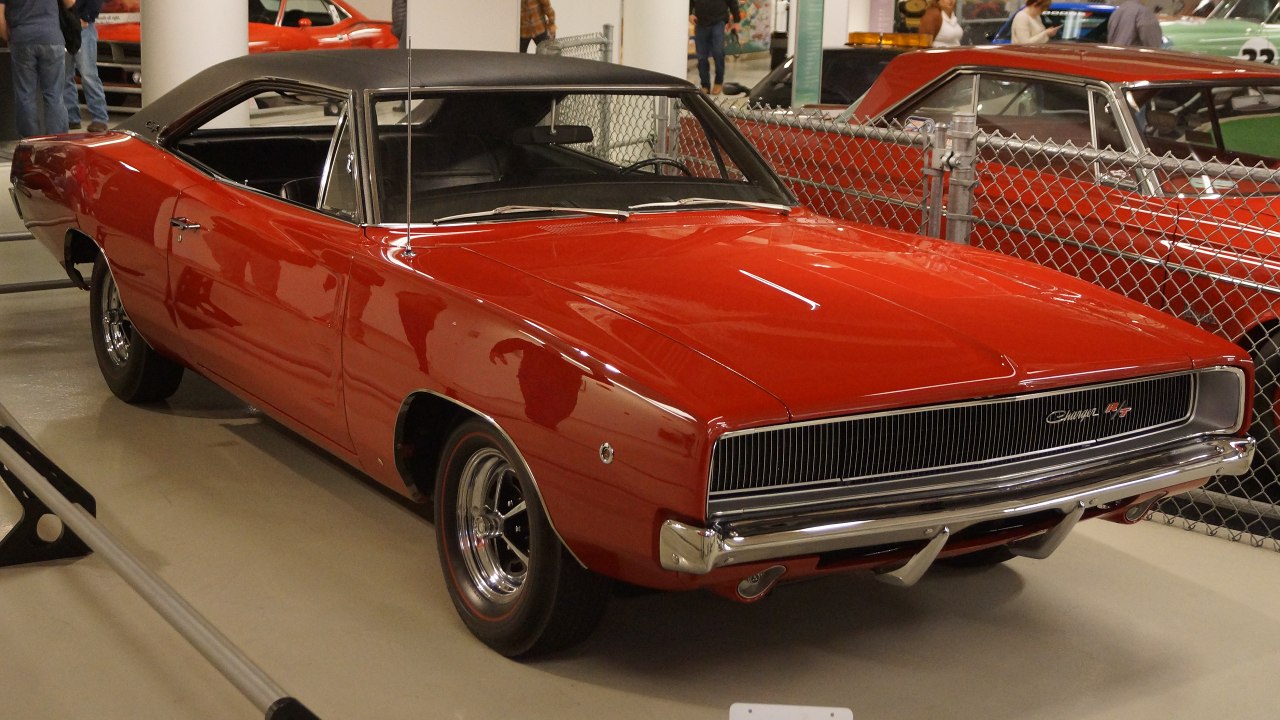
A menacing profile would have meant little if the Charger did not deliver on performance, and Dodge made sure the engine lineup matched the car’s visual aggression. Under the hood, buyers could choose from a range of V8s that gave the big coupe serious straight line speed, with the most coveted options sitting at the top of the big block hierarchy. Collectors and historians consistently point to the Big block engines as the defining mechanical feature of the 1968 Charger R/T, especially the legendary 426 and the 440 M variants that gave the car its fearsome reputation.
Those powertrains did more than generate impressive quarter mile times, they reinforced the Charger’s identity as a serious performance machine rather than a styling exercise. Modern market analysis of R/T options shows that cars equipped with the 426 and 440 M combinations command the highest premiums, a sign that enthusiasts still value the way these engines transformed the driving experience. When a short video feature calls the 1968 model the most popular muscle car ever put on the market and credits it with tripling Dodge sales overnight, it is capturing the same idea: the Charger’s presence only mattered because the mechanicals underneath could back it up every time the light turned green.
The Charger as cultural shorthand for danger
Over time, the 1968 Dodge Charger evolved from a showroom success into a cultural symbol, especially in film and television. Its long, dark profile and aggressive stance made it a natural fit for roles that needed a car to signal danger or rebellion before a character even stepped out. Enthusiast coverage of a restored 1968 Dodge Charger R/T describes it as The Bad Guy Car Of Choice, a phrase that neatly captures how directors and audiences came to see the car as visual shorthand for trouble. That association did not happen by accident, it grew out of the same design decisions that made the Charger look more sinister and imposing than its peers.
This on screen persona fed back into the car’s real world image, reinforcing the idea that owning a Charger meant embracing a certain outlaw edge. As restorations and survivor cars continue to surface, coverage often highlights how the 1968 model year marked the moment when the modern Dodge Charger identity was born, with the second generation shape setting the template for every revival that followed. That feedback loop between pop culture and product design helped cement the Charger’s status as more than just another muscle car, it became a character in its own right.
Why the 1968 Charger still defines muscle car presence
Decades after it left showrooms, the 1968 Dodge Charger still serves as a reference point whenever enthusiasts talk about what a muscle car should look like. Its combination of a low, wide stance, a fastback roofline, and a clean, uncluttered body has aged with unusual grace, which is why modern commentators continue to single it out in discussions of the best styled performance cars. Video essays that revisit the Cha era often place the 1968 Charger alongside other icons, but it is the Dodge that tends to dominate the conversation when the topic turns to pure visual impact.
For me, what ultimately sets the 1968 Charger apart is how completely it aligned its looks, performance, and cultural role. The cautious plan for 35,000 units gave way to a production run that far exceeded expectations, the big block options like the 426 and 440 M gave it the power to match its stance, and its recurring role as the archetypal villain’s car turned it into a symbol recognized even by people who have never driven one. That combination is why, when enthusiasts talk about muscle car presence, the conversation so often circles back to the 1968 Dodge Charger as the standard that others are still chasing.