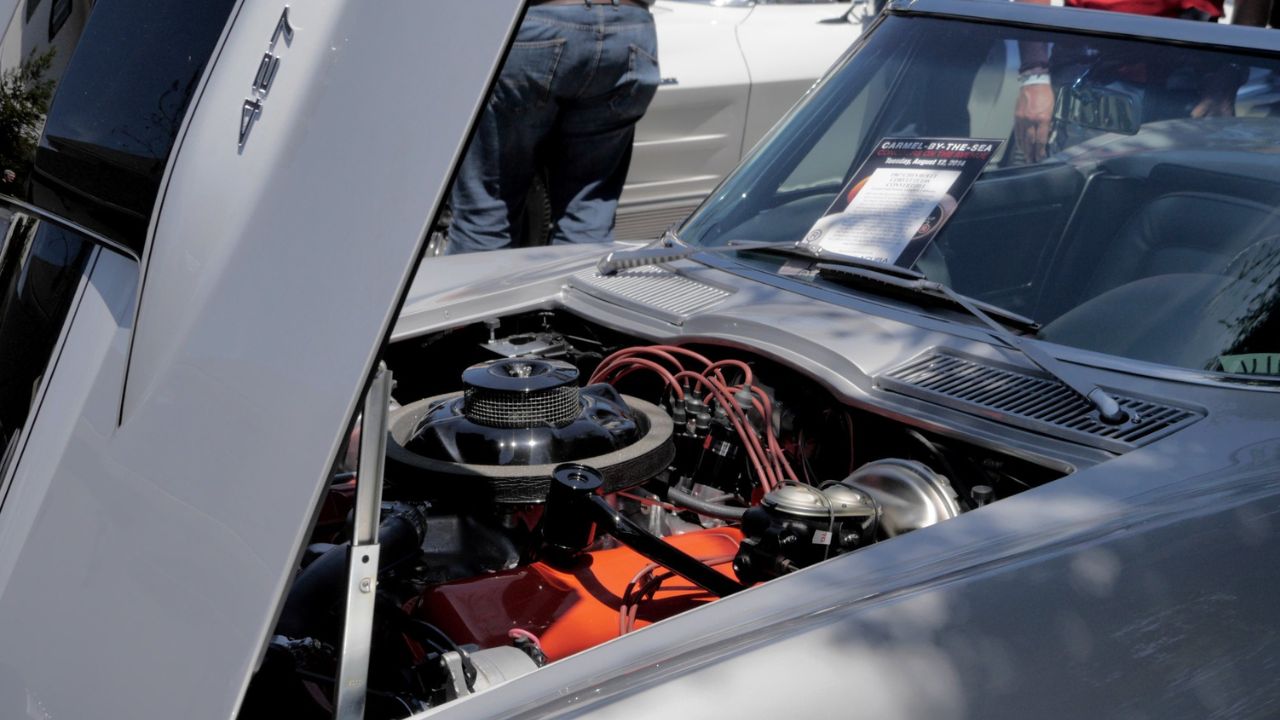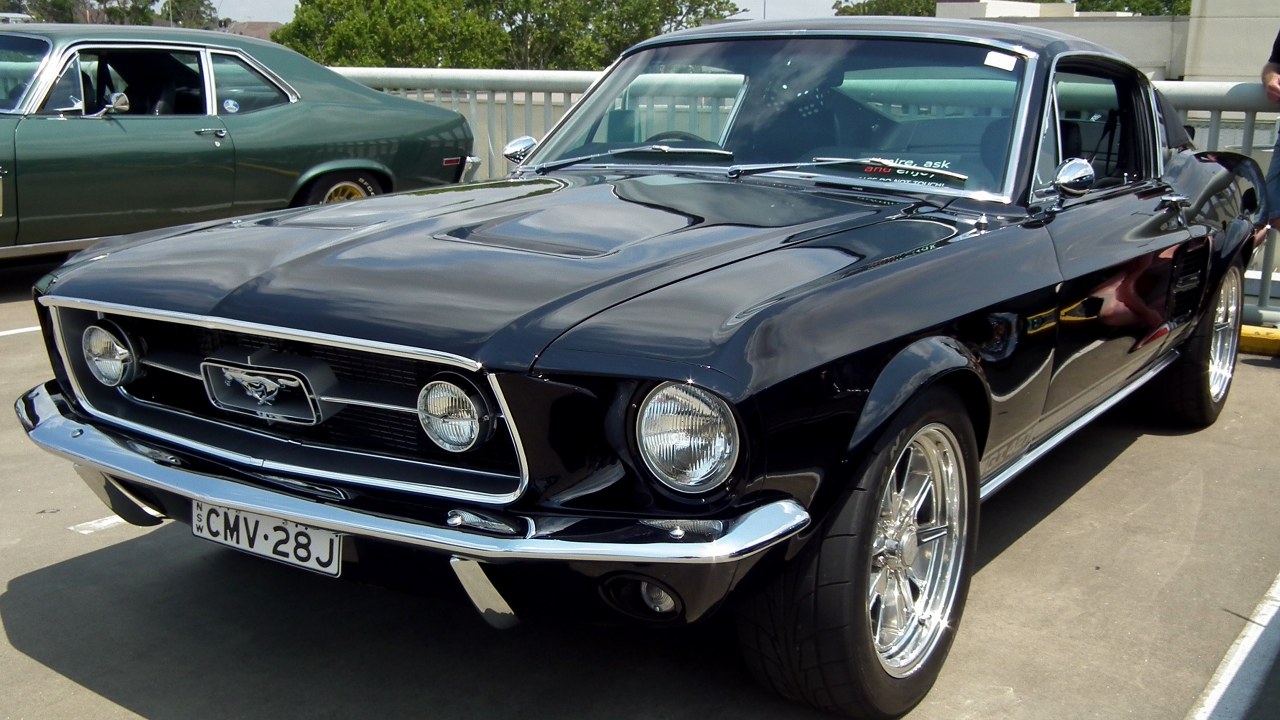
The 1967 Ford Mustang GT arrived at a moment when American culture was learning to speak in the language of speed, style, and rebellion. With its sharpened bodywork, bigger engines, and fastback profile, it did more than update a popular pony car. It gave filmmakers, advertisers, and drivers a ready-made symbol that could project power, attitude, and a distinctly American sense of freedom.
By the late 1960s, the Mustang was already a sales success, but the 1967 GT turned it into something closer to a cultural instrument. Its design, performance options, and on-screen presence allowed it to be deployed as a visual shorthand for defiance, cool, and even menace, a role that still shapes how collectors and audiences respond to the car today.
The 1967 Mustang GT as a turning point in the pony car story
I see the 1967 Mustang GT as the moment the original pony car stopped being a clever compact and started to look like a weaponized design statement. Earlier Mustangs had been engineered around the “T-5” prototype concept of Affordability, practicality, and broad appeal, but the 1967 model year pushed the car outward and downward, with a wider track, more aggressive stance, and sheet metal that emphasized muscle over modesty. That shift did not abandon the original formula, it sharpened it, turning the Mustang GT into a car that could still be a daily driver while visually signaling that it belonged in the escalating horsepower wars of the era.
Designers leaned into that new posture with the 1967 Mustang GT / GTA 2+2 Fastback, which Jan describes as having a Bold New Design that immediately set it apart. The fastback roofline, deeper side sculpting, and more pronounced grille treatment gave the GT a predatory look that resonated with buyers and, crucially, with filmmakers looking for a car that could dominate the frame. That visual aggression, combined with the availability of serious V8 power, is a key reason the 1967 Ford Mustang is now singled out as one of the finest years for the model and a standout for collectors who value the blend of beauty and brawn described in Why The Ford Mustang Stands Out For Collectors.
From street machine to screen icon
Once the 1967 Mustang GT had the looks and performance to match the era’s rising expectations, it was almost inevitable that it would be drafted into cinematic duty. The Mustang had already begun to appear in films, but by the late 1960s it was becoming a fixture in action sequences and chase scenes, where its compact size and muscular styling read perfectly on camera. In the 1968 action film often cited in discussions of car culture, In the story of The Mustang in popular culture, the car’s on-screen presence is singled out as a key reason it became an American icon, and the 1967 GT fastback shape is central to that visual legacy.
Ford itself now leans on this filmography when it recounts how the Mustang has appeared alongside Bond and in other high-profile roles. Company retrospectives highlight how the Mustang has shared the screen with characters like Jame in the film K9, where a Mustang is chased by an army of police, underscoring how naturally the car slots into cinematic narratives of pursuit and escape. In a corporate look back at iconic on-screen moments, Ford treats the Mustang’s film roles as part of its brand DNA, and the 1967 GT’s fastback silhouette is one of the most recognizable shapes in that reel.
Engineering a car that could carry a myth
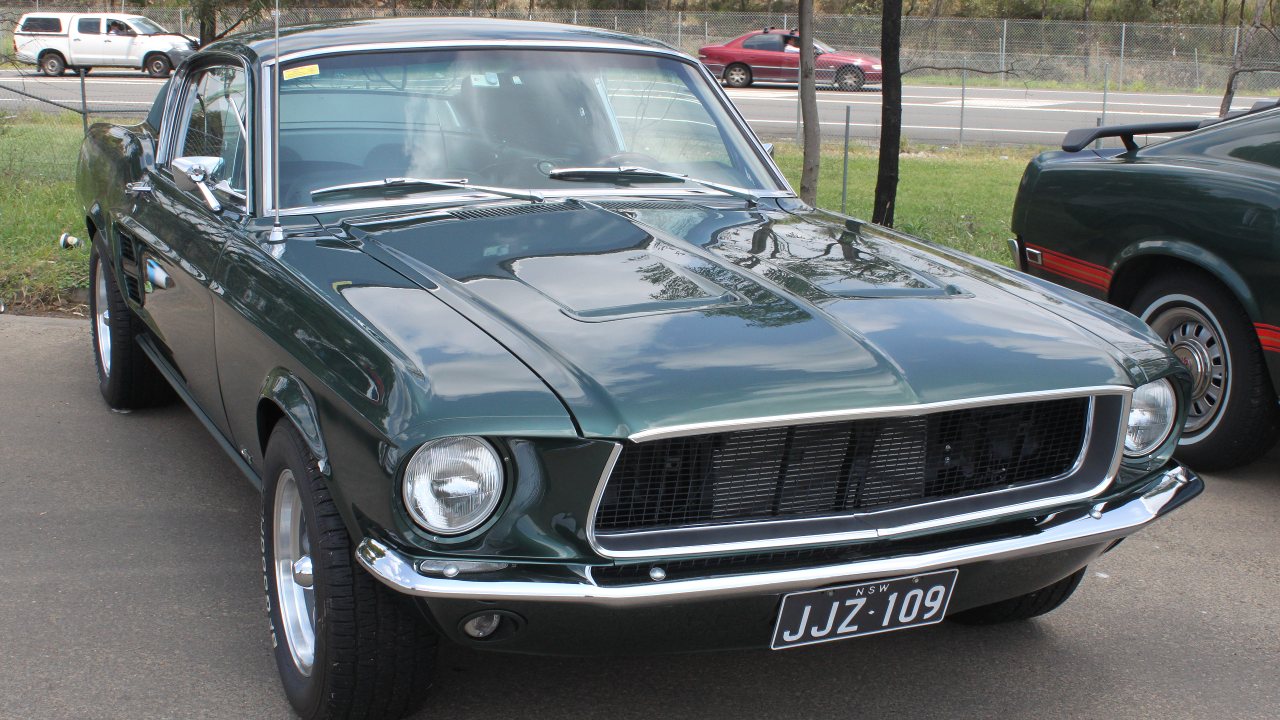
For a car to function as a cultural weapon, it has to be more than a prop, it has to deliver the performance that its image promises. The 1967 Mustang GT did that by offering serious powertrain options and chassis upgrades that matched its aggressive styling. The GT package brought uprated suspension, disc brakes, and V8 engines that transformed the car from a stylish commuter into something that could credibly be driven hard on screen and on the street. That mechanical credibility is one reason collectors still gravitate to the 1967 Ford Mustang, which is described in Ford Mustang Stands Out For Collectors as a near ideal combination of design and performance.
The same basic platform also supported more extreme interpretations, most famously the 1967 Shelby GT500. In a retrospective titled Revving Back in Time, analysts describe Exploring the Legacy of the Shelby, they frame the 1967 Mustang as the birth of a legendary automobile that could be tuned into a track-capable machine while still looking at home on public roads. That dual identity, part everyday car and part race-bred weapon, gave storytellers enormous flexibility. A director could cast a 1967 GT as the hero’s scruffy daily driver or as a purpose-built street racer, and audiences would accept either role because the underlying engineering supported both readings.
How the Mustang’s origin story shaped its 1967 persona
To understand why the 1967 GT resonated so strongly, I look back to the way The Mustang was conceived. The original “T-5” prototype was built around three core qualities, with Nicknamed the Project emphasizing Affordability, practicality, and style that could appeal to younger buyers. That foundation meant that by the time the 1967 model year arrived, the Mustang already had a broad cultural footprint, from suburban driveways to college campuses. The GT package did not replace that mass appeal, it weaponized it, giving ordinary drivers access to a car that looked and felt like the machines they saw in racing coverage and action films.
Over time, that feedback loop between street and screen turned the 1967 Mustang GT into a kind of shared reference point. When The Mustang is described as an American icon that has achieved fame through appearances in popular culture, as one analysis of The Mustang notes, the 1967 shape is one of the key mental images people summon. It represents the moment when the original affordability-focused pony car project evolved into something more charged, a car that could be bought by ordinary people but carried the visual and mechanical intensity of a far more exotic machine.
Why the 1967 GT still feels dangerous today
Decades after it left showrooms, the 1967 Mustang GT still carries an aura that newer performance cars struggle to replicate. Part of that is scarcity and nostalgia, but part of it is the way the car’s proportions and details were tuned to suggest motion and intent even at a standstill. Jan’s description of the 1967 Mustang GT / GTA 2+2 Fastback as having a Bold New Design that gained immense popularity and now commands premiums at auctions captures how that visual language continues to work on collectors and casual observers alike. When a car that old can still fetch strong money, it is a sign that its image has not dulled.
Modern coverage of Mustang culture often circles back to the late 1960s as the period when the car’s identity was forged. In discussions of how The Mustang became a cultural icon, analysts point to its repeated appearances in film, its roots in the T-5 prototype’s affordability-driven brief, and its evolution into high performance variants like the Shelby GT500. The 1967 GT sits at the intersection of those threads. It is recognizably the same car that democratized sporty motoring, yet it looks and feels like a sharpened tool, ready to be deployed in stories about speed, rebellion, and escape. That is what makes it feel like a cultural weapon even now, a machine that still projects more attitude than most modern cars can manage.