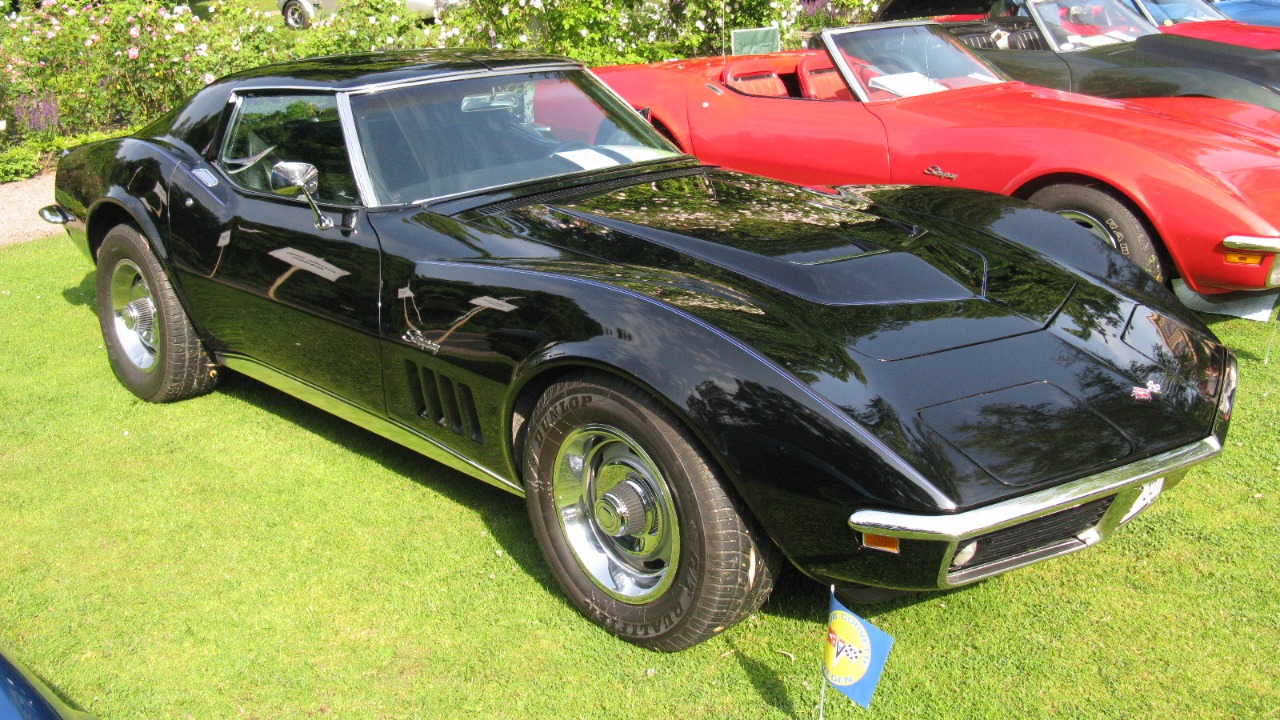
The 1969 Chevrolet Corvette L88 was not built to coddle anyone. It was a barely tamed race car that happened to wear license plates, a machine that treated comfort as dead weight and civility as a distraction from speed.
When I look at the L88 today, I see a factory experiment in how far a mainstream brand could push a street car toward the track before it stopped making sense for ordinary drivers. The answer, as the L88 proved, was “much farther than most people were ready for.”
The secret weapon Chevrolet tried to hide
From the start, the L88 program was designed to live in the shadows. Chevrolet did not really want casual buyers walking into Oct showrooms and driving out in L88-powered Corvettes, because the package was engineered for competition first and daily life a distant second. Internal strategy treated the option as a backdoor for racers who wanted a factory-built weapon, not a weekend cruiser, and Chevrolet even structured pricing and ordering so that only the most determined customers would find it.
That corporate caution hardened into an active effort to keep the car out of the wrong hands. Contemporary reporting notes that Chevrolet did not want to sell L88-powered Corvettes to the general public in 1969, and the company piled mandatory extras onto the order sheet that quietly pushed the price into race-car territory. On paper, the L88 looked like an odd, expensive outlier in the catalog, but in reality it was the sharpest tool the brand could legally hand to privateers.
A 427 that lied about its own power
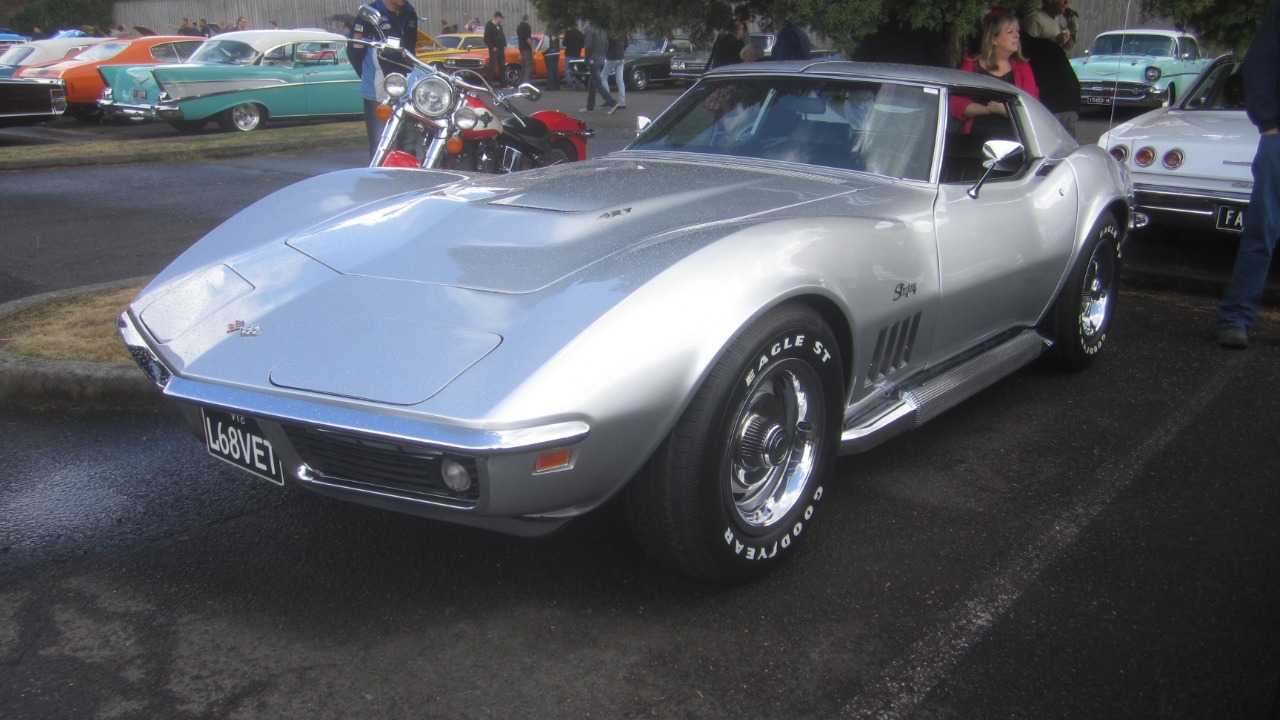
At the heart of the L88 story is an engine that refused to play by showroom rules. The big-block V8 was a 427 cubic-inch brute, and it was tuned with high compression, aggressive cam timing, and race-ready internals that made sense on a grid but felt outrageous on a commute. Officially, Chevrolet rated the L88 at 430 horsepower, a figure that looked only modestly higher than other big-block options and helped keep regulators and insurers from panicking.
The numbers, of course, were a polite fiction. Period testing and later dyno work suggest the engine was easily capable of more than 500 horsepower in factory trim, and detailed Engine Specifications list the Displacement at 427 cubic inches with Horsepower rated at 430 but estimated to be over 500. Later, Hemmings rebuilt an L88 and squeezed out 574.4 horsepower at 5900 RPM, a figure that exposes just how conservative the original rating really was.
Built for the grid, not the grocery run
Everything about the L88 package signaled that comfort had been left on the cutting-room floor. The car deleted creature comforts that most Corvette buyers took for granted, and the engine’s temperament made low-speed driving a chore rather than a pleasure. In period testing, one road test noted that, at a stop light, with the transmission left in gear, the engine pulled so hard against the brakes that Apparently low-speed operation could not really be had at all.
That unruly behavior was not a flaw so much as a design choice. The L88 Corvette was never meant for the casual driver, and contemporary accounts describe the 427 cubic-inch big-block V8 as a piece of hardware engineered specifically for sanctioned racing, effectively a factory-built race car that happened to carry a warranty. One detailed history flatly states that The L88 Corvette was never intended as a boulevard cruiser, and that philosophy explains why the car felt so raw in traffic yet so alive at full throttle.
Corporate subterfuge and terrified insurers
Inside General Motors, the L88 became a story of internal politics as much as engineering bravado. Company leaders knew that unleashing a car this fast into public hands would attract the wrong kind of attention from regulators, insurers, and even rival divisions. One detailed account of the engine’s backstory describes how the chevrolet L88427 is not just an engine but a tale of corporate subterfuge, engineering genius, and a high-stakes battle over what the brand could get away with, a narrative captured vividly in a Mar video that digs into the internal drama.
Outside the boardroom, the car’s reputation quickly outpaced its spec sheet. Insurance companies, already wary of big-block muscle, saw the L88 as a worst-case scenario, a lightweight Corvette with race-bred power and almost no concessions to safety or comfort. One social clip even frames it as The Corvette That Terrified Insurance Companies Imagine, a phrase that neatly captures how the car’s raw capability collided with an industry already scrambling to price risk in the muscle era.
Rarity, racing glory, and the myth that followed
Because the L88 was so uncompromising, very few buyers actually signed on the dotted line. Production numbers stayed tiny, and that scarcity is a big part of why the 1969 cars are so coveted now. One detailed breakdown notes that Only 20 L88 cars were built in 1967, and the engine option did so well in races that the number soared to 80 cars in 1968, with a total of 116 L88 Corvettes produced across the three-year run. By 1969, the final-year examples had already earned a reputation as the purest expression of the concept, the last time the factory would be this brazen about selling a race package over the counter.
Chevrolet’s own behavior helped turn those cars into legends. The company’s disinformation campaign actively discouraged L88 sales to customers who were not professional racers, and internal documents even declared the L88 Corvette an “off-road vehicle,” language that signaled just how little interest the brand had in positioning it as a normal road car. That strategy is laid out clearly in coverage of an impeccably original 1969 L88 coming to auction, where the car’s survival in unmodified form is treated as a minor miracle given how hard it was pushed on track.
Why the L88 still matters in a cushioned world
Looking back from a modern era of adaptive dampers and ventilated seats, the L88 feels almost alien. It ignored comfort not because engineers forgot about it, but because they deliberately chose to prioritize lap times and durability over everything else. That clarity of purpose is why the car still resonates with enthusiasts who will never own one, and why the phrase “L88” carries a weight that goes far beyond its three characters.
For me, the 1969 Chevrolet Corvette L88 is a reminder that some of the most interesting road cars arrive when a manufacturer builds for a very small audience and accepts that most people will walk away. The L88 was loud, hot, and unforgiving, but it was also honest about what it wanted to be, a street-legal extension of the pit lane that treated comfort as optional equipment in a world that increasingly expects it as standard.
More from Fast Lane Only: