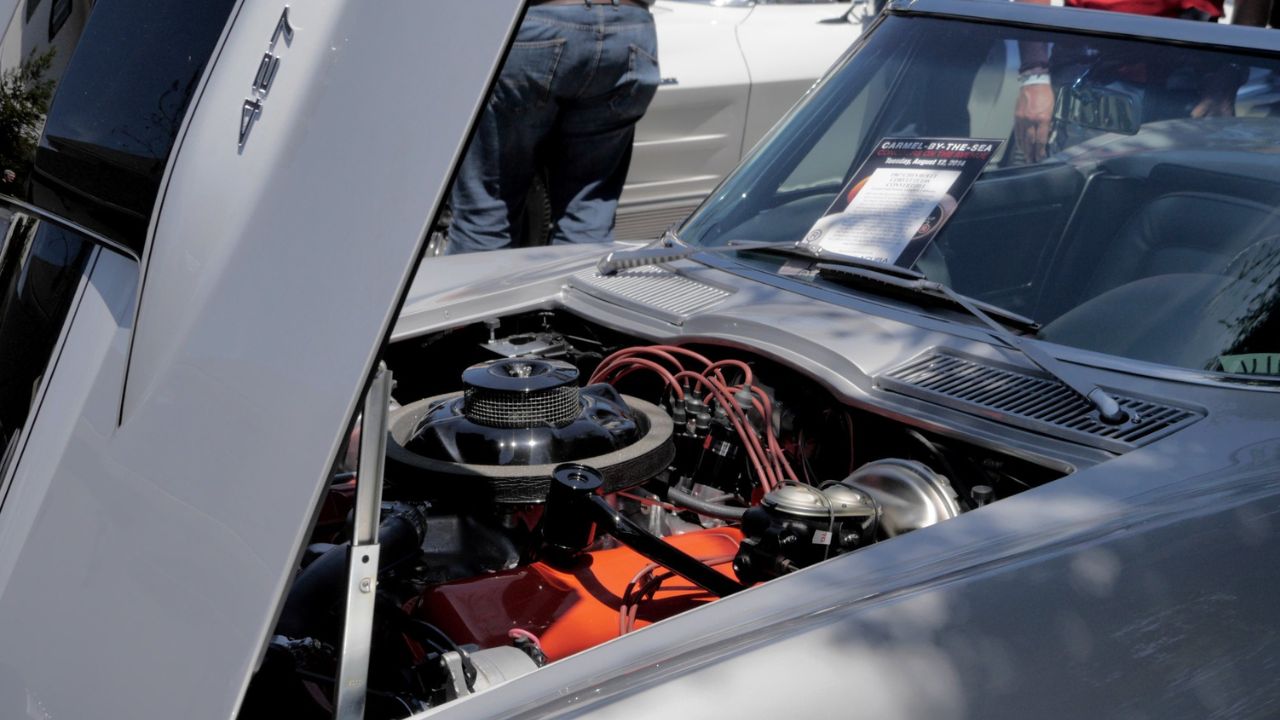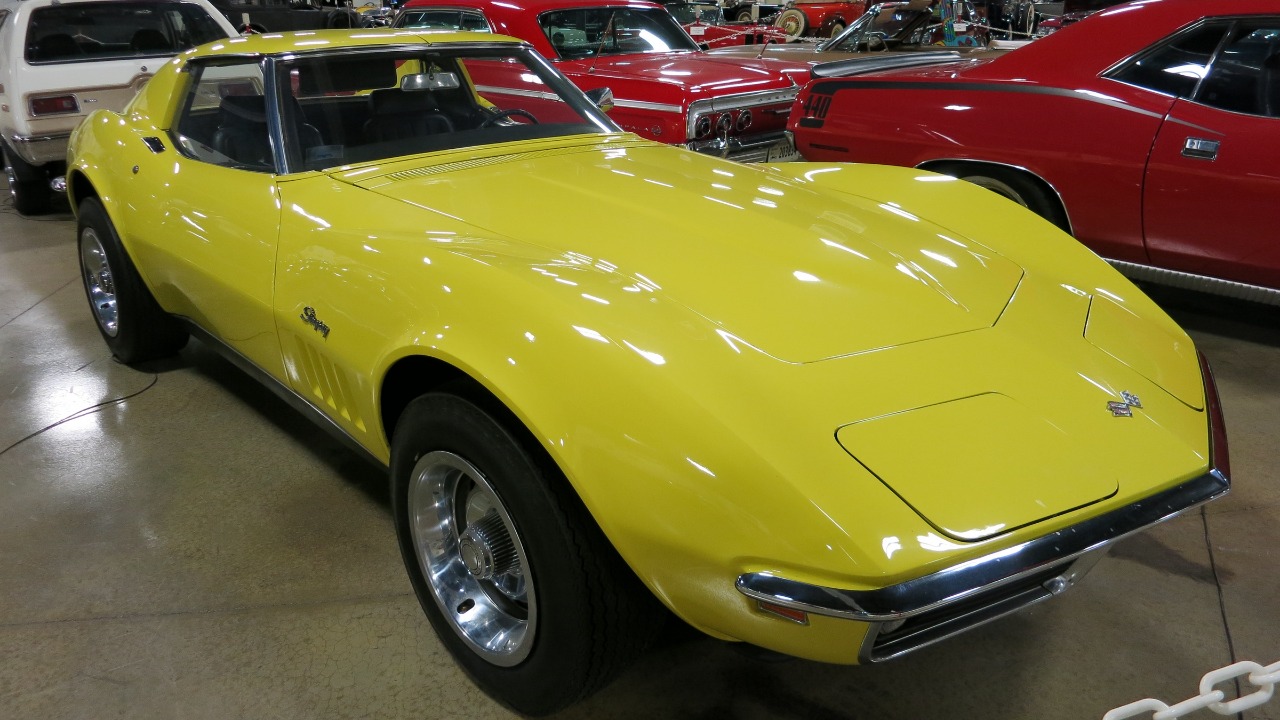
The 1969 Corvette did not arrive quietly. It showed up with flared fenders, a more aggressive stance, and the kind of mechanical options that turned a pretty sports car into a street brawler. When I look back at that model year, I see the moment the third-generation Corvette stopped being just a new shape and started to wear the wide-hipped attitude that still defines the car’s image today.
The year the C3 found its swagger
By its second season on sale, the third-generation Corvette had already shaken off the last traces of the Sting Ray era and leaned into a more muscular identity. The 1969 car kept the basic “Coke-bottle” silhouette, but the bodywork looked fuller over the rear wheels and the details were cleaned up so the shape read as leaner and tougher at the same time. Underneath, Chevrolet doubled down on performance hardware, with multiple big-block V8s and a long list of driveline and suspension choices that turned the car into a highly configurable weapon rather than a single, fixed recipe.
That mix of curves and capability is laid out in period specifications that catalog everything from the small-block base engines to the most serious 427 cubic inch options, along with the transmissions, axle ratios, and comfort gear that buyers could stack on top. Looking through those 1969 Corvette specs, I am struck by how deliberately Chevrolet tried to serve both the boulevard crowd and the dragstrip faithful in one package, which goes a long way toward explaining why the car’s widened haunches have become shorthand for American performance excess.
Comfort meets aggression in the options list
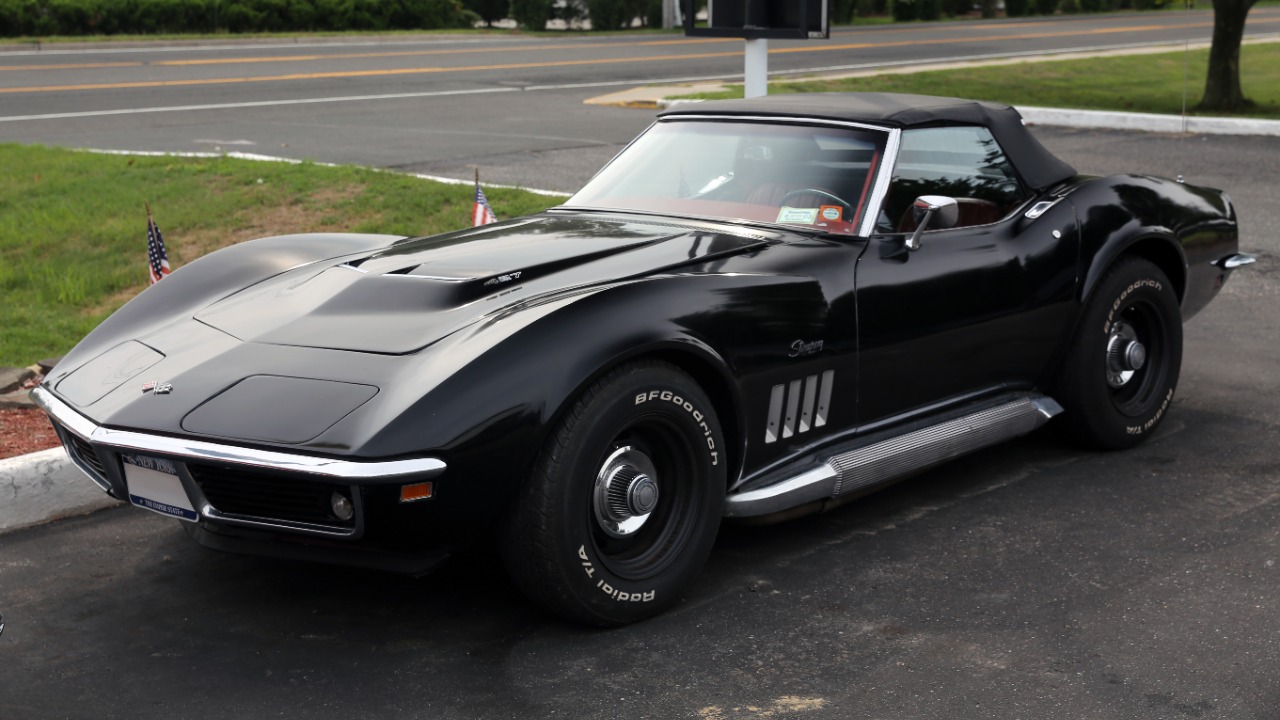
What really sells the 1969 Corvette’s attitude for me is not just the way it looks, but the way the order sheet let owners tailor that look to their lives. You could spec a snarling big-block with side pipes and still tick boxes for creature comforts that would have seemed indulgent on a sports car only a few years earlier. The factory literature leaned into that shift, arguing that there was no reason you could not have serious performance and modern amenities in the same fiberglass shell.
One period brochure even asked, “Why shouldn’t you have air conditioning if you want it? No good reason,” before rolling straight into a pitch for removable roof panels and color-keyed interiors, right down to whether the tops were black or white. That blend of bravado and practicality shows up clearly in the detailed options breakdown, and it is part of why I think the 1969 car feels like the moment the Corvette stopped apologizing for being both a long-distance cruiser and a serious performance machine.
Living with a wide-hipped ’69 today
Decades later, the 1969 Corvette’s mix of style and substance still has the power to stop people in their tracks, but it also comes with the realities of an aging performance car. When I watch a seasoned mechanic walk around a survivor-grade example, pointing out the quirks of vacuum-operated headlights, aging bushings, and the tight packaging around those big rear tires, I am reminded that this attitude-heavy shape demands careful upkeep. In one inspection of a dream ’69 Vette, the host of a channel that has been posting since Oct methodically checks for frame rust, body cracks, and signs of deferred maintenance, underscoring how important it is to look past the shine.
Owners who have lived with these cars for years echo that lesson. One enthusiast on a C3 discussion board, posting in a section labeled C3 General Corvette, lays out 22 years of experience with a 1969 car and notes that he bought it when it was already 35 years old. His long list of solved problems, from electrical gremlins to suspension wear, reads like a reminder that the same flared fenders and low stance that look so good in photos also mean tight clearances, heat, and vibration that will find any weak point if you do not stay ahead of the maintenance curve.
From Baldwin Motion brutes to ZL1 unicorns
Of course, the 1969 Corvette’s reputation for attitude is not built on styling alone, it is cemented by the wildest versions that tuners and the factory pushed out into the world. On the dealer side, few names loom larger than the 1969 Chevrolet Corvette Baldwin Motion builds that turned already potent cars into near-race machines with radical bodywork and huge power. A walkaround of one such Chevrolet Corvette Baldwin Motion at a shop called I-95 Muscle highlights how these cars combined flared fenders, custom hoods, and period graphics with serious engine work, creating an almost cartoonish version of the factory wide-hip look that still feels outrageous today, even if the original video now notes that some content is not available and references 95 M in its metadata.
On the factory side, nothing captures the 1969 Corvette’s extremes like the all-aluminum ZL1 427, a racing engine that briefly slipped into the option list and turned a handful of street cars into legends. A Corvette history overview notes that 1969 was the only year buyers could order this 427 cubic inch, 7.00 liter monster in a production car, and that only two so equipped were ever built. That rarity is why a later social post can accurately describe the 1969 ZL1 as “The Rarest Chevrolet Corvette Ever Produced The,” calling it the rarest production Corvette of all time and underlining just how far the factory was willing to go in that single model year. Seeing that claim attached to a photo of a pristine ZL1 on The Rarest Chevrolet Corvette Ever Produced The post drives home how the 1969 car’s swollen fenders were matched by equally swollen performance numbers.
Even beyond the ZL1, 1969 stands out in the model’s timeline. A club history notes that this was the only year for a C3 side exhaust option and repeats that the all-aluminum ZL-1 427 cu in (7.00 L) was available only then, with just two cars so equipped. That same overview of Corvette history helps explain why enthusiasts treat 1969 as a high-water mark, a year when the styling, the options, and the most extreme powertrains all lined up to give the car a presence that still feels almost otherworldly.
Custom paint, wild one-offs, and the stories we keep
Not every 1969 Corvette that turns heads today is a factory-correct time capsule. Some of the most striking examples I have seen are heavily customized cars that lean into the body’s curves with modern paint and wheels while keeping the original proportions intact. One video tour of a 1969 car sprayed in House Of Kolor Cobalt Blue makes that point perfectly, with the narrator pausing to admire how the color shifts over the fender peaks and then joking that the finish certainly is not “’60s fodder.” That clip, labeled with the code 135877 and posted in Mar, treats the car’s updated look as proof that the basic shape can handle bold choices, and the description invites viewers to learn more about this cool Chevy through the House Of Kolor Cobalt Blue build details.
Other custom projects push even further, turning the 1969 Corvette into a canvas for radical bodywork that almost erases the original lines while still relying on that wide stance and long hood. In one feature titled “They Only Built 10 Of These Corvettes…For A Good Reason,” a host walks through a series of wild coachbuilt cars, including the Mantaay and the Can Am Spider, and talks about how each one tried to stretch the Corvette’s limits. Watching that Mar showcase, I am reminded that the 1969 chassis and its exaggerated hips have inspired not just restorations, but full-blown reinterpretations that treat the car as raw material for experimentation rather than a sacred object.
Why the ’69 still matters to enthusiasts and curators
For all the wild customs and rare factory specials, the 1969 Corvette’s lasting impact also shows up in quieter places, like museums and club gatherings where people trade stories about their first ride in a big-block car or the years they spent bringing a tired example back to life. Institutions that preserve these cars understand that they are more than just pretty shapes, they are touchstones for entire eras of American car culture. One organization dedicated to the model explains that, to tell the Corvette’s story, it relies on The National Corvette Museum artifact and archive collection, which it continues to expand with the help and support of enthusiasts who donate cars, documents, and memorabilia. That mission is laid out in a call for additions to the Corvette Museum collection, and it underscores how central years like 1969 are to the broader narrative.
On a more personal level, I find that the 1969 car’s broad shoulders and unapologetic stance still resonate because they capture a moment when American performance was both optimistic and slightly unhinged. You can see that in the way a mechanic in an inspection video from Oct grins when he blips the throttle on a healthy big-block, or in the pride of an owner who has spent decades sorting out the quirks of a 35 year old car so he can keep driving it. You can feel it in the rumble of a side-exhaust ZL1 that exists as one of only two, or in the shimmering reflections off a House Of Kolor Cobalt Blue custom that started life as a regular production coupe. All of those threads tie back to the same core truth: when the 1969 Corvette gained those wider hips and that extra attitude, it did not just change its own reflection, it reshaped what a lot of us think a proper American sports car should look and feel like.
More from Fast Lane Only: