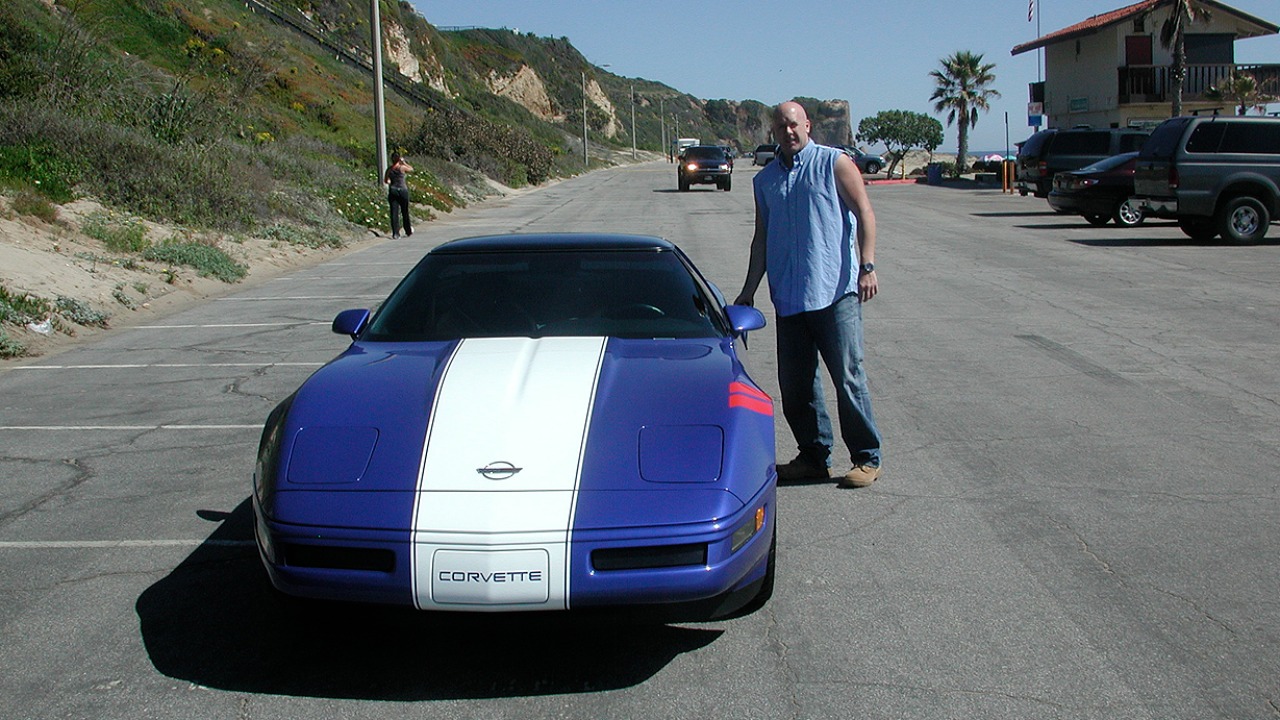
The 1996 Corvette Grand Sport was not just a colorful sendoff for the C4 generation, it was a carefully crafted salute to one of Chevrolet’s most storied racing efforts. By reviving a name that had been dormant for 33 years and pairing it with track-focused hardware and unmistakable visuals, Chevrolet turned a limited-production road car into a rolling history lesson. I see that one-year model as a bridge between the secret skunkworks racers of the 1960s and the modern performance Corvettes that followed.
The Grand Sport name that refused to fade
Long before the 1996 car arrived, the Grand Sport badge had already become legend in American racing circles. In the early 1960s, Chevrolet engineers created a small run of lightweight Corvette racers that punched far above their weight, and that short, intense campaign gave the name a mystique that still lingers. It is no accident that enthusiasts talk about how Few badges in American performance carry the same narrative heft as the Corvette Grand Sport, because those original cars proved that a production-based sports car could harass purpose-built competition on the world stage.
That early chapter ended abruptly, but the mythology only grew, which is why the name’s absence from showrooms became part of its power. According to detailed model histories, it took a full 33 years before the Grand Sport designation returned on a production Corvette. When Chevrolet finally revived it for the 1996 Chevrolet Corvette Grand Sport, the company was not just dusting off an old badge, it was reconnecting the contemporary Corvette to a racing program that had been cut short, and giving fans a tangible way to own a piece of that unfinished story.
A one-year C4 built with racers in mind
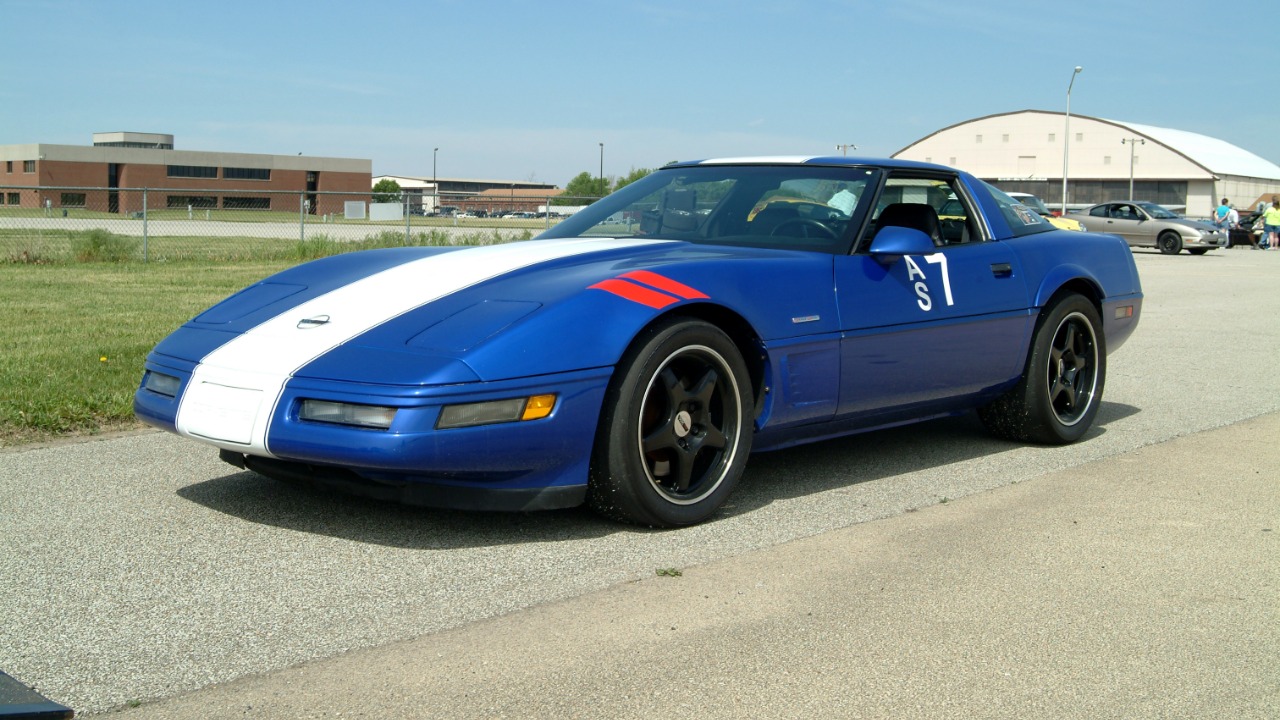
By the mid 1990s, the C4 Corvette was nearing the end of its run, and Chevrolet had every reason to let it fade quietly as the next generation approached. Instead, the company chose to send it off with a focused, track-leaning variant that made clear the car still had teeth. Enthusiast reporting has described how The Corvette Grand Sport Got Made To Slay Snakes, a pointed reference to the Dodge Viper that dominated performance headlines at the time, and that mindset shaped everything from the powertrain to the chassis tuning.
Under the skin, Chevrolet leaned on lessons from decades of competition to sharpen the car’s responses. Factory documentation on Grand Sport Performance The original Grand Sport racer of 1963 is explicit that those early cars taught rivals about speed, stamina and the value of a balanced package, and the 1996 Grand Sport applied that same philosophy to a road-legal coupe and convertible. The suspension, brakes and gearing were all chosen to make the most of the engine’s output on a road course, turning the final-year C4 into a car that felt more like a club racer with plates than a mere appearance package.
Powertrain as a tribute to Corvette’s performance climb
To honor a racing heritage, the engine could not be an afterthought, and Chevrolet treated the 1996 Grand Sport’s powertrain as a statement. The car arrived in the shadow of the ZR1, whose exotic hardware had already pushed the Corvette into supercar territory. That earlier flagship used an LT5 V8 with double overhead cams designed with Lotuses, and with its Lotuses designed double overhead cam LT5 V8 the ZR1 reached a high of 405 horsepower, setting a benchmark for factory Corvette performance that the Grand Sport had to acknowledge even as it charted a different path.
Instead of copying that formula, the Grand Sport doubled down on the small block tradition that had powered so many Corvette race cars. The 1996 Corvette Grand Sport has the horsepower to support its racing heritage, with a new 330-horsepower LT4 small block V8 as standard equipment. That LT4 used high-flow cylinder heads and friction-reducing roller rocker arms to deliver its output, and period specifications note that the Grand Sport is equipped with this LT4 rated at 330 horsepower at 5800 rpm, a figure that gave the car the muscle to back up its historic nameplate on both street and track.
Paint, stripes and a visual callback to 1963
Racing heritage is as much about what you see in the paddock as what you feel from the driver’s seat, and Chevrolet understood that the 1996 Grand Sport needed to look like a descendant of the 1963 cars. Factory descriptions emphasize that the 1996 Grand Sport recalls the original racer appearance of 1963 with Arctic White striping on vivid Admiral Blue paint, a combination that made the car instantly recognizable. That color scheme was not a random styling exercise, it was a deliberate echo of the competition livery that had made the original Grand Sport stand out on track.
The connection between color and history ran deeper than a single model year. Official literature notes that There is a special significance that goes along with the “Grand Sport” nameplate, and that the Corvette Grand Sport Coupe tributes the original racer appearance with its vivid Admiral Blue paint. When Chevrolet paid tribute to the original mid-year race cars with 1,000 Admiral Blue coupes and convertibles in 1996, that limited run turned the paint and stripes into a visual shorthand for the entire Grand Sport story, and it sparked a passion with enthusiasts of all generations who recognized the callback the moment they saw it.
Exclusivity, legacy and why collectors still care
Part of what makes the 1996 Grand Sport such a potent tribute is how carefully Chevrolet controlled its presence. The car was built for a single model year, and detailed coverage of its market impact points out that the 1996 C4 Corvette Grand Sport was a one-year production run, which means that if you own one you have a very special car on your hands. That scarcity, combined with the historically loaded name and the distinctive appearance, has turned the model into a touchstone for collectors who care as much about narrative as they do about numbers.
Even within the broader Corvette universe, the Grand Sport’s mix of rarity and racing symbolism stands out. Enthusiast analyses of Exclusivity In a Chevrolet Corvette point out that Car collectors often gravitate to vehicles whose backstory is as compelling as their spec sheet, and the Grand Sport checks that box with ease. By reviving a storied racing name, wrapping it in Admiral Blue and Arctic White, and giving it a serious LT4 heart, Chevrolet ensured that the 1996 Corvette Grand Sport would be remembered not just as the last hurrah of the C4, but as a heartfelt nod to the competition roots that made the Corvette an icon in the first place.
More from Fast Lane Only: