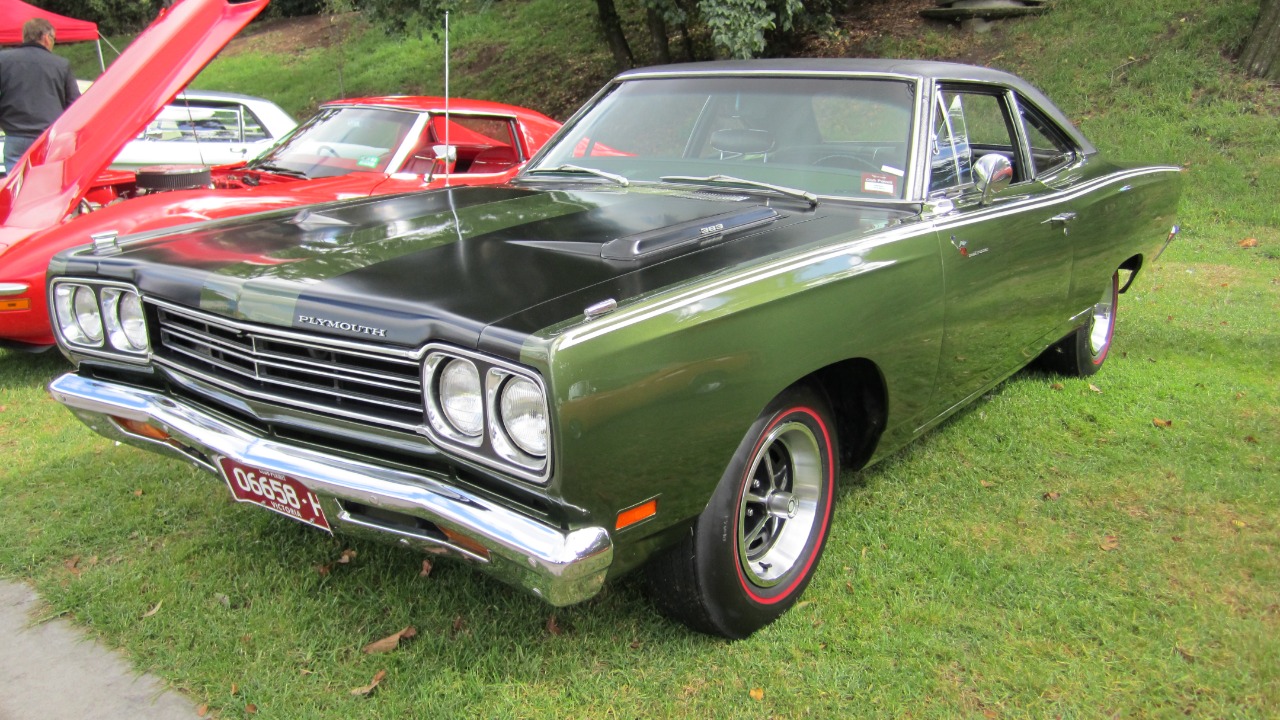
The 1969 Plymouth Road Runner arrived at a moment when muscle cars were getting faster, flashier, and a lot more expensive, and it calmly rewrote the rules. Instead of piling on chrome and luxury, it proved that raw speed could be priced within reach of a young buyer with a decent job and a taste for quarter-mile bragging rights. By stripping the formula back to basics, it turned budget performance into a winning business strategy and a cultural touchstone.
When I look at that car now, I see more than a cartoon bird on the fender and a big V8 under the hood. I see a deliberate decision to democratize performance, to make serious acceleration something you could buy without a second mortgage or a second car. The Road Runner did not just make speed affordable once; it set a template that performance brands still chase today.
The back-to-basics idea that broke the muscle-car mold
At the heart of the 1969 Road Runner story is a simple idea: cut the fluff, keep the speed. Plymouth’s engineers and marketers leaned into a “back to the basics” formula that treated power and price as the only two numbers that really mattered. Instead of loading the car with plush interiors and prestige options, they focused on a bare-bones shell, a stout drivetrain, and just enough personality to make it memorable, a strategy that later coverage of the 1969 HEMI Road Runner still highlights as its core philosophy. That meant bench seats instead of buckets, minimal trim, and a focus on the kind of hardware that mattered at the drag strip rather than at the country club.
What I find striking is how intentional that restraint was. In an era when rivals were chasing ever more elaborate packages, Plymouth bet that a no-nonsense car with a big engine and a small price tag would stand out precisely because it did less. The Road Runner name, the cartoon tie-in, and the signature “beep-beep” horn added just enough fun to keep it from feeling cheap, but the real hook was that you were paying for performance first and everything else second. That clarity of purpose is a big part of why the car still feels honest today.
Pricing that put real muscle within reach
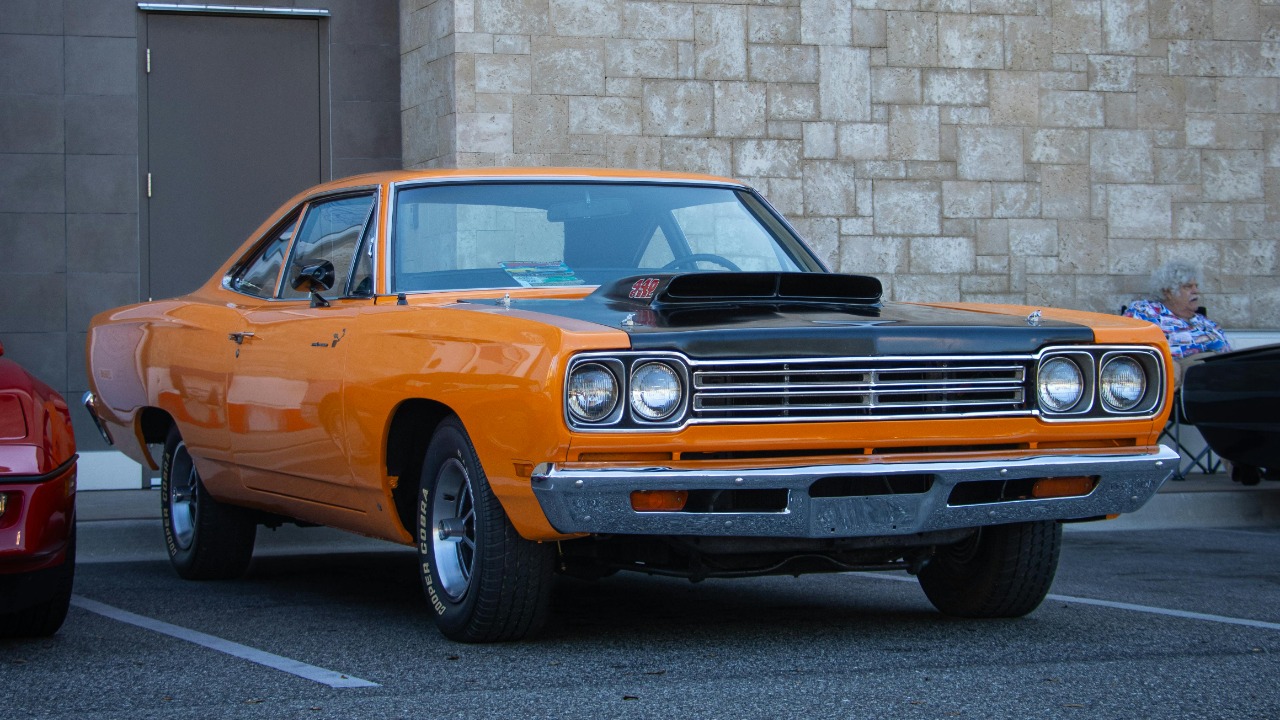
Affordability was not a marketing slogan, it was baked into the window sticker. The Road Runner Coupe started at $2,945, the Hardtop at $3,083 and the Convertible at $3,313, numbers that undercut many better-trimmed muscle cars of the day. By comparison, 1969 Plymouth GTX prices began at $3,416, which meant the more luxurious sibling cost hundreds more before you even started ticking option boxes. Those figures made it clear that Plymouth was willing to sacrifice margin and frills to hit a price that a younger buyer could realistically finance.
From my perspective, that pricing strategy is what truly made the Road Runner a people’s performance car. A teenager with a steady job at a factory or dealership could look at those numbers and see a path to owning something that could run with far pricier machinery. Even when buyers stepped up to the HEMI and paid the extra premium that came with it, the underlying structure of the lineup kept the Road Runner anchored as the budget choice in Plymouth’s performance catalog. The message was simple and powerful: you did not have to be rich to go very fast.
How the Road Runner stacked up against rival “econo-racers”
Of course, Plymouth was not alone in chasing the idea of a stripped-down, big-engine car. Period comparison tests lumped the Road Runner in with a whole field of so-called “econo-racers,” including Chevelle, Torino Cobra, Cyclone CJ, Super Bee, and GTO variants that tried to balance cost and quarter-mile times. Yet even in that crowd, the Road Runner’s formula felt particularly pure. One detailed look back at a Car and Driver comparison notes that Chevrolet did not actually offer a single RR-like package, instead relying on the SS396 option on the low-priced Chevelle to approximate the concept, a reminder that Chevrolet was adapting an existing model rather than building a dedicated budget bruiser.
When I compare those cars in my mind, the Road Runner stands out because it was conceived from the ground up as a performance bargain, not as a cheaper trim level of a more upscale line. The Chevelle 396, the Torino Cobra, and the rest were potent machines, but they often carried more standard equipment and a slightly more mature image. The Plymouth, by contrast, leaned into its blue-collar identity, from its cartoon mascot to its spartan interior. That difference in attitude mattered, because it told buyers that this car was not pretending to be anything other than a fast, affordable way to get from stoplight to stoplight in a hurry.
Sales success and the muscle-car hierarchy
The market responded to that clarity with real enthusiasm. By 1969, the Road Runner had climbed high in the muscle-car sales charts, proving that the gamble on affordability was paying off. One summary of the model’s history notes that this placed the Road Runner third in sales among muscle cars, with only the Pontiac GTO and Chevy’s SS-396 Chevelle outselling it, a ranking that underscores how effectively Plymouth had read the market. Sitting just behind the Pontiac GTO and Chevy, and specifically the Chevelle with its 396 engine, was no small feat for a car that had been pitched as the budget option.
To me, that third-place finish is as important as any horsepower figure. It shows that buyers were not just chasing prestige badges or plush interiors; they were willing to reward a car that delivered straightforward value and honest speed. In a field crowded with nameplates that promised everything to everyone, the Road Runner carved out a clear lane and stayed in it. That discipline helped Plymouth build a loyal following and proved that there was room in the muscle-car hierarchy for a car that proudly wore its bargain status on its sleeve.
The lasting appeal of affordable speed
Looking back from today, I see the 1969 Road Runner as an early blueprint for how to make performance accessible without diluting it. The combination of a stripped-down body, serious engine options like the HEMI, and carefully calibrated pricing showed that you could invite more people into the performance world without turning the car into a compromise. The fact that coverage of the 1969 HEMI Road Runner still emphasizes that “back to the basics” approach tells me that the core idea has aged better than many of the era’s flashier experiments. It is the clarity of the mission, not just the cubic inches, that keeps enthusiasts talking.
When I see modern performance cars wrestling with the balance between technology, comfort, and cost, I keep coming back to what Plymouth pulled off in 1969. The Road Runner proved that if you prioritize the right things, you can build a car that is fast, fun, and financially attainable for ordinary drivers. That is the real legacy of the 1969 Plymouth Road Runner: it did not just make one generation’s speed affordable, it set a standard that still challenges automakers to deliver honest performance without pricing out the very people who love to drive.