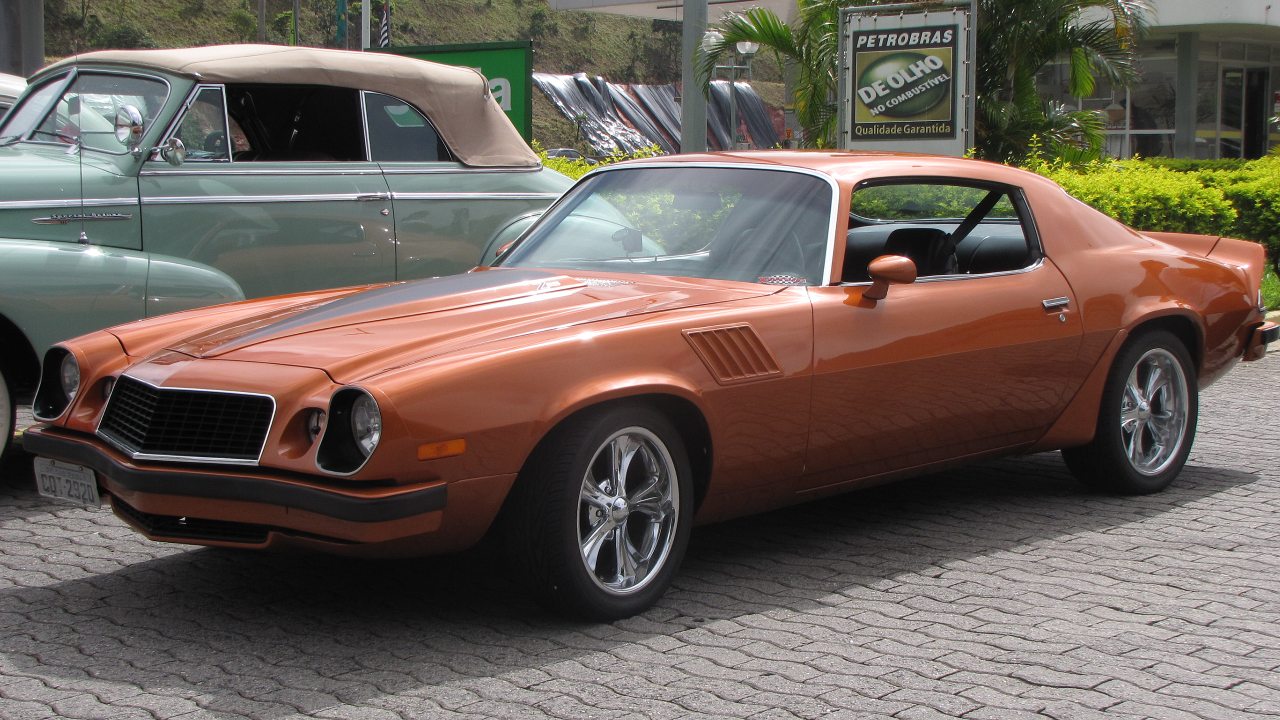
The 1974 Camaro arrived at a moment when federal safety rules were reshaping every American performance car, yet it managed to absorb bigger bumpers without surrendering the street-fighter stance that defined the second generation. The sheetmetal stretched, the chrome grew, and the silhouette evolved, but the car still carried the attitude of the early 1970 to 1973 models that had made the name a fixture in muscle car culture. I see that tension between regulation and rebellion as the key to understanding why this one-year-only look has become such a compelling crossroads in Camaro history.
The one-year shape that bridged two Camaro eras
The 1974 Camaro occupies a narrow but important bridge between the clean early second-gen cars and the softer, more formal shapes that followed later in the decade. It kept the smaller rear glass that enthusiasts associate with the 1970 to 1973 cars, which gave the roofline a tighter, more fastback profile even as the rest of the body grew longer and more substantial. That combination of compact greenhouse and stretched bodywork created a stance that still reads as classic muscle, even though the car was already adapting to a very different regulatory landscape compared with the first years of the generation.
Underneath that familiar roof, the car was not simply a carryover. The 1974 Camaro was lengthened, and production was pushed higher as General Motors leaned into the model’s popularity, a shift that signaled the car was moving from niche performance coupe toward a broader audience. At the same time, it remained a one-year-only style, because later cars would adopt a larger rear window and more pronounced changes to the body. That makes the 1974 configuration, with its smaller backlight and revised proportions, a snapshot of the platform in transition, a fact that owners of cars like the Type LT and Z28 have embraced as part of the model’s identity.
How safety rules reshaped the nose without killing the stance
The most obvious change for 1974 sat right at eye level: the bumpers. New federal safety standards demanded more robust impact protection, and the Camaro responded with larger aluminum units that projected farther from the body than the slim chrome bars of earlier years. On paper, that sounds like a recipe for visual bloat, especially when compared with the tidy split bumper setups that had defined some of the most aggressive early second-gen cars. In practice, the designers worked to integrate the new hardware with revised front and rear fascias so the car still read as low and wide rather than tall and clumsy.
Those larger bumpers immediately divided opinion among purists, who saw them as a visual compromise forced by regulation rather than a natural evolution of the design. Yet the 1974 Camaro still sat low, with a long hood and short deck that preserved the classic pony car proportions, and the aluminum construction kept weight in check compared with heavier steel alternatives. Enthusiasts have since learned how to tweak and tuck the factory bumpers to sit closer to the body, a modification that sharpens the original intent without erasing the car’s period-correct character. The fact that builders can massage the stock pieces, rather than replace the entire front clip, underscores how much of the original attitude survived the regulatory overhaul.
Performance survived, even as the rules tightened
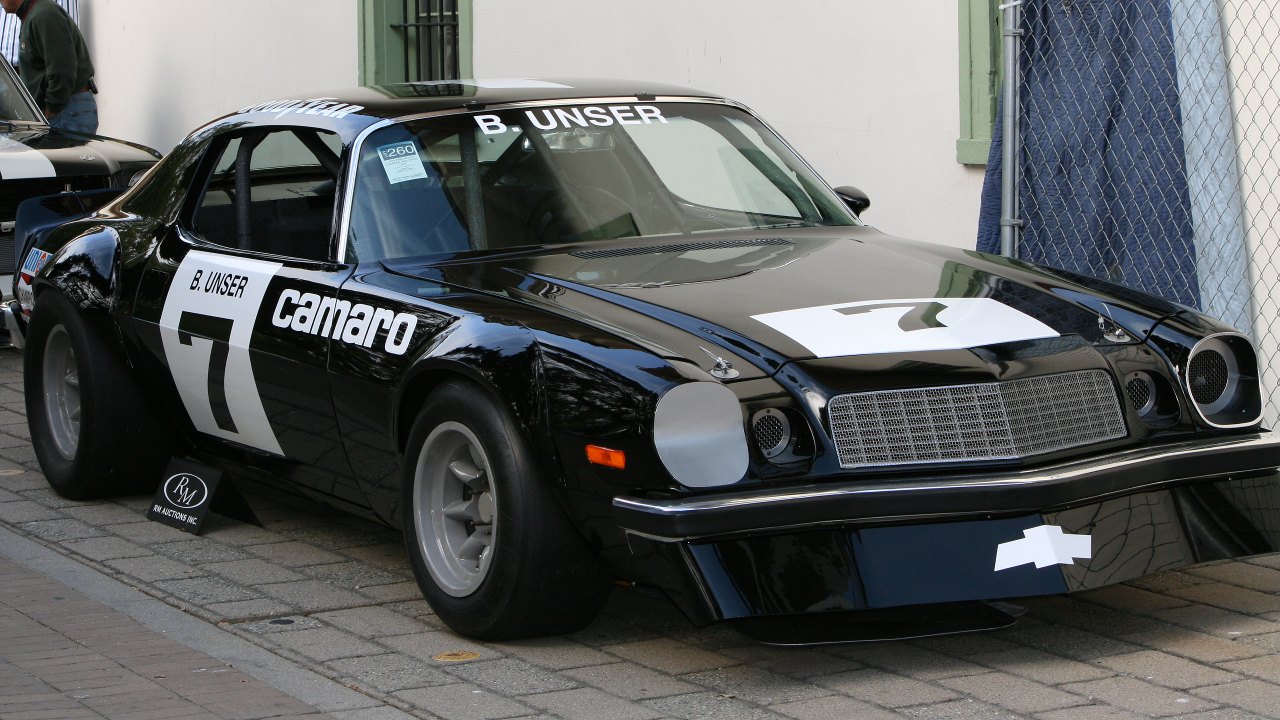
Regulation did not stop at the bumpers, and the early 1970s were not kind to horsepower figures across Detroit. Even so, the 1974 Camaro Z28 proved that performance had not vanished, it had simply adapted. The Z28 package centered on a 350 cubic inch L82 small-block V-8 that was rated at 245 net horsepower, a figure that might look modest compared with the gross numbers of the late 1960s but still delivered serious real-world pace. Net ratings also reflected more realistic conditions with full accessories and exhaust, so the car’s capability on the street remained stronger than the spec sheet alone might suggest.
Beyond the headline power number, the Z28 specification showed that Chevrolet was still engineering for enthusiasts. The L82 used components such as heat-treated and shotpeened rods to handle sustained high-rpm use, and the chassis tuning kept the car competitive in an era when many performance badges were being reduced to appearance packages. That mechanical substance is why unrestored examples of the 1974 Z28, especially those that have survived decades in storage, are now treated as proof that the performance spirit did not die in the early 1970s. The car’s combination of real power, durable internals, and still-aggressive gearing means it can hold its own against both its predecessors and many of its contemporaries.
Why enthusiasts still chase the 1974 look
For a long time, the 1974 Camaro sat in the shadow of the earlier split bumper cars, which had become icons of the second generation. Over time, however, the one-year styling and its mix of old and new elements have earned a following of their own. Builders appreciate that the car retains the smaller rear window and low-slung profile of the 1970 to 1973 models while wearing the updated bumpers and trim that mark it as a mid-decade machine. That blend of cues lets owners lean either toward a period-correct restoration or a more aggressive pro-touring approach without fighting the basic lines of the body.
Real-world examples show how flexible the 1974 canvas can be. A Type LT powered by a 350 Small Block Chevy, rolling on Cragar S/S wheels with white letter tires and a Cherry Bomb exhaust, demonstrates how easily the car can channel classic street machine energy while still wearing its factory-style aluminum bumpers. The fact that 1974 was the last model year before catalytic converters arrived also matters, because it left the exhaust system less restricted from the factory and made performance upgrades more straightforward. That combination of visual distinctiveness, mechanical potential, and regulatory timing has helped turn what was once seen as an awkward middle child into a sought-after platform for both preservation and modification.
The split bumper legacy and the lure of backdating
The gravitational pull of the early second-generation cars is still strong, especially the Split bumper Camaros that defined the most aggressive factory front-end treatment of the era. Those cars were wider, bigger, and sat lower than the first-generation models, and the split bumper arrangement framed the grille in a way that made the nose look even more purposeful. It is no surprise that owners of later cars, including 1974 to 1981 models, often look back at that design and wonder how much of it they can graft onto their own cars without losing structural integrity or running afoul of fitment issues.
That desire has created a cottage industry around backdating later second-gen cars to resemble the 1970 to 1973 chrome bumper look. Fabricators have shown that it is possible to convert a 1974 to 1981 Camaro to an earlier-style front end, but doing so requires more than simply bolting on a pair of split bumpers. The later cars were engineered with different front sheet metal, core supports, and bumper mounting structures to accommodate the larger impact systems, so a proper conversion demands careful metalwork and parts selection. I see that level of effort as a testament to how powerful the early design remains, but it also highlights how much of the 1974 car’s own character is tied to its unique combination of safety-driven hardware and enduring muscle car stance.
More from Fast Lane Only: