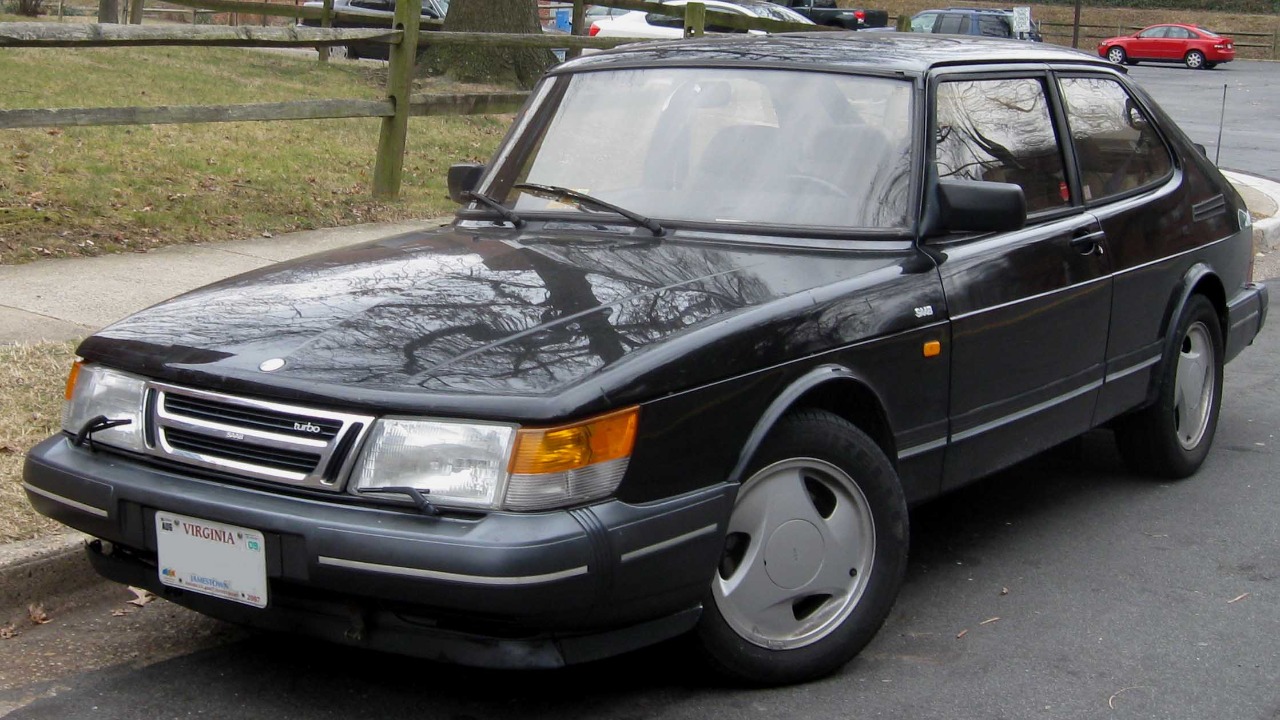
The 1978 launch of the Saab 900 did more than add another model to a small Swedish carmaker’s range. It crystallised a new identity, turning Saab from an eccentric niche brand into a confident designer of turbocharged, safety‑obsessed, and defiantly individual cars. In the years that followed, that first 900 would become the reference point for everything people, myself included, now associate with the name.
Looking back at that moment, I see a company using one car to tie together its aviation roots, its engineering experiments, and its growing ambition in markets like the United States. The 900 was not perfect, but it was coherent, and that coherence is why it still feels like the moment Saab figured out who it wanted to be.
From quirky outsider to turbo specialist
To understand why the 900 mattered so much, I start with the car that came before it. Saab had already spent the late 1960s and 1970s turning the 99 into a rolling laboratory, evolving from an outsider in engine development into a respected specialist in turbocharging technology. Over roughly two decades, the company used the 99 to prove that forced induction could work in everyday family cars, not just in exotic machinery, and it did so while placing unusually high priority on ergonomics and driver focus, as period analysis of the Saab makes clear.
By the time the 900 arrived, that groundwork meant Saab could build a new flagship on more than just styling tweaks. The 900 was originally introduced for the 1979 model year, with Sales commencing in the fall of 1978, and it carried over the longitudinal engine layout and front‑wheel‑drive hardware that had been refined in the 99. According to technical histories of the 900, the car combined that familiar mechanical base with a longer, safer front structure and a beam‑axle rear suspension, turning Saab’s turbo know‑how and safety obsession into a more mature, export‑ready package.
Design that made practicality look radical
What strikes me most about the first 900 is how its shape managed to be both practical and radical at the same time. Contemporary commentators have noted that Saab’s 900 combined practicality with forward‑thinking design, from its turbo engines to its cockpit‑inspired interiors, and that every detail seemed to have a purpose rather than chasing fashion. A modern video breakdown of the 900 highlights how the steeply raked wraparound windscreen, tall glasshouse, and hatchback rear were all tuned for visibility and cargo space, yet they also gave the car a silhouette unlike anything else in its class.
Inside, Saab doubled down on that functional aesthetic. The dashboard curved gently around the driver, major controls were grouped logically, and the ignition key sat between the front seats instead of on the steering column. That central switch has since been singled out as one of the most quirky aspects of the Saab 900, part of a cabin that also featured a distinctive wraparound windshield and ergonomic controls, as enthusiasts of the Unique Ignition layout like to point out. In an era when many rivals were still boxy three‑box sedans, the 900’s form‑follows‑function approach became a visual shorthand for Saab’s new identity.
Safety and “built like a tank” engineering
Saab’s aviation background had always coloured its marketing, but with the 900 the company translated that heritage into tangible safety engineering. The structure was designed with strong deformation zones and a reinforced passenger cell, and later retrospectives on the model describe it as Built like a tank, with a strong emphasis on crash protection and real‑world durability. Fans of the Built quality still talk about doors that shut with a vault‑like thud and bodies that resisted rust better than many contemporaries.
Safety was not just about the shell. Commentators looking back on the 900 emphasise that Safety and Innovation Saab has long been associated with safety innovation, and the 900 was no exception, with Features that included strong side‑impact protection and carefully tuned crumple zones. Enthusiast write‑ups of the Safety and Innovation philosophy argue that this car was one of the most iconic Saab of its era precisely because it made crash protection and occupant survival part of the brand’s everyday promise, not a niche selling point.
The turbocharged icon that defined performance
For all that structural seriousness, the 900’s identity really snapped into focus when Saab bolted on a turbocharger. When Saab launched the 900 Turbo, it took the lessons learned on the 99 and applied them to a larger, more refined platform, creating what later fans would call The Turbocharged Icon. A retrospective from Aug on a classic‑car page describes how the 900 Turbo returned as a cult favourite, with Wheels and styling that signalled performance without losing everyday usability, and how that balance helped cement the car’s reputation among enthusiasts of Wonders and Classic Cars USA who still share photos of it in Public groups.
Under the skin, the numbers were modest by modern standards but transformative in context. Accounts of the 900 Turbo’s specification describe a curb weight around 1180 kg and a Suspension layout with Independent front MacPherson struts and a rear beam axle with coil springs, backed up by Brakes using Discs all around with front ventilated rotors. Technical summaries of the Suspension and braking hardware underline how Saab tuned the chassis for stability at speed and secure handling in poor weather, which made the surge of turbo torque feel controlled rather than intimidating.
That combination of pace and poise resonated far beyond Sweden. A detailed community history of Saab in the United States notes that Although a few other carmakers had dabbled in turbocharging, or offered turbos on expensive, limited‑production sports cars, Saab used the 900 Turbo to normalise the technology in everyday driving. Enthusiast historians of Although Saab’s American story argue that this car, more than any other, taught a generation of drivers that a practical hatchback could deliver serious performance without sacrificing winter traction or family‑car comfort.
A cult classic and the template for future Saabs
Over time, the 900’s role shifted from cutting‑edge product to cult object, but its influence inside Saab only grew. Collectors and dealers now describe The Saab 900, produced from 1978 to 1998, as an iconic Swedish car that combined pioneering design and innovative technology, and they treat it as a benchmark when assessing later models. A specialist listing for The Saab 900 2.0i 16v Combi‑Coupe leans heavily on that heritage, emphasising how the car’s long production run and distinctive body styles turned it into a symbol of Swedish engineering values.
Inside the company, the 900 also set the tone for what came next. Commentators on Saab’s later large car point out that The Saab 900 Classic, produced from 1978 to 1993, is one of the most iconic models in Saab’s history, known for its distinctive design and strong identity, and that it directly shaped thinking around the Type Four platform that underpinned the 9000. In enthusiast discussions of The Saab 900 Classic, the car is credited with giving Saab a clear design language and engineering template that later models tried, with varying success, to reinterpret.
More from Fast Lane Only: