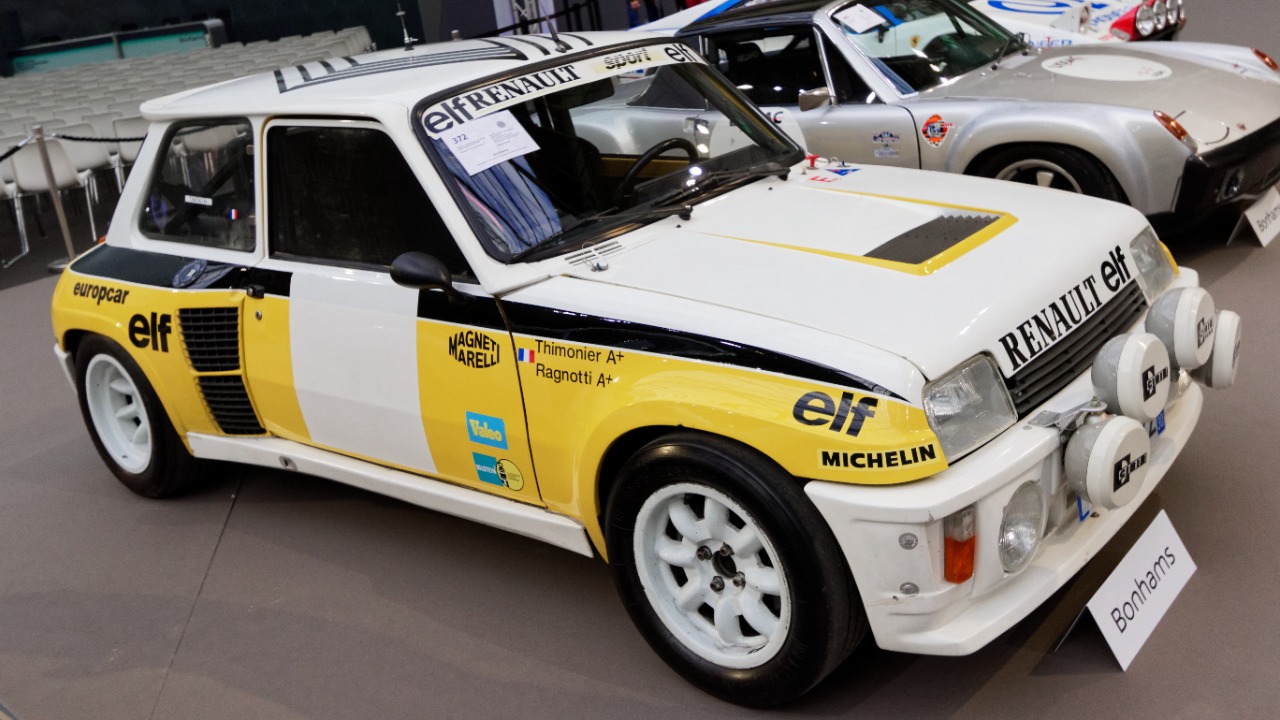
The 1983 Renault 5 Turbo did not just add another name to the rally entry list, it rewrote what fans expected a small hatchback to be capable of on loose gravel and narrow tarmac. By taking a familiar city car silhouette and turning it into a mid‑engined, rear‑drive weapon, Renault created a spectacle that stunned spectators and reshaped the Group B era’s appetite for wild engineering.
When I look back at that season, what stands out is how abruptly the Renault 5 Turbo shifted from quirky experiment to genuine crowd shock, its squat stance and explosive power delivery turning every stage start into an event. The car’s blend of radical layout, raw turbocharged character and accessible road‑going spin‑offs meant that, almost overnight, a humble hatchback became one of rallying’s most intimidating sights.
From shopping car to mid‑engined monster
The genius of the Renault 5 Turbo was that it began life as something utterly ordinary, then quietly hid extraordinary hardware under a familiar shell. Though the car used a modified body from a standard Renault 5 and still wore the same badge, the mechanical package underneath was radically different, with a mid‑mounted engine and rear‑wheel drive replacing the original front‑mounted layout and front‑wheel drive. That contrast between everyday outline and exotic architecture is what made fans do a double take when they first saw one idling in a service park.
By pushing the engine behind the front seats, Renault created a short‑wheelbase machine that looked almost cartoonish, with swollen rear arches and a cabin shoved forward over the front axle. The result was a car that felt more like a compact prototype than a tuned supermini, and the moment spectators heard it fire up, the illusion of a simple hatchback vanished. The mid‑engine, rear‑drive configuration, documented in period detail on the Renault 5 Turbo entry, turned a city runabout into a purpose‑built stage car that looked barely tamed for public roads.
The turbocharged heart that defined its character
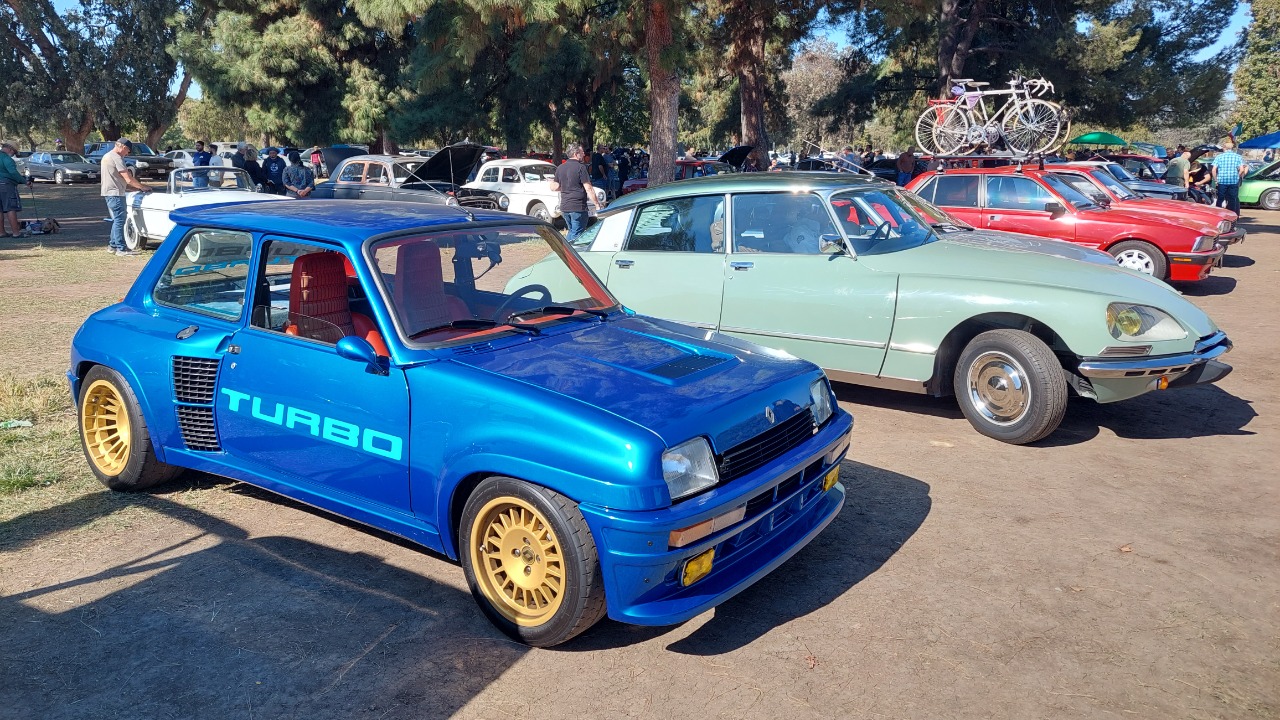
Under those dramatic rear vents sat a compact four‑cylinder that, on paper, did not sound especially exotic, yet in practice gave the Renault 5 Turbo its ferocious personality. The engine relied on Bosch K‑Jetronic mechanical fuel injection, often referred to in period as Bosch Cageronic, and by late 1970s standards the basic unit was really nothing special in isolation. What transformed it was the addition of a turbocharger and the decision to mount it in the middle of the car, which turned a modest displacement into a punchy, boost‑dependent power source that came alive once the revs climbed.
That combination of relatively simple hardware and aggressive tuning meant the car delivered its power in a sudden, almost theatrical surge that fans could hear and feel from the roadside. The way the boost built, then hit, gave the Renault 5 Turbo a reputation for being demanding but thrilling, a character captured in period‑correct detail in enthusiast breakdowns of the 5 Turbo engine and Cageronic system. For spectators, that meant every exit from a tight hairpin was a small drama, with the car hesitating for a heartbeat before slingshotting forward in a burst of noise and opposite lock.
Group B ambitions and the birth of the Turbo 2
By the early 1980s, manufacturers were locked in an arms race to build ever more extreme machines for Group B, and Renault wanted the 5 Turbo to be more than a curiosity. The original version, often called Turbo 1, was packed with exotic alloy components that kept weight low but also made the car expensive to build and buy. To turn rally success into a broader presence on the road, Renault needed a variant that preserved the madness of the concept while trimming the cost and complexity that came with those early homologation specials.
That is where the 1983 Renault 5 Turbo 2 entered the story, and it is the car that many fans remember shocking them trackside. Launched in 1983 as a more accessible version of the Turbo 1, the Renault 5 Turbo 2 traded some of those exotic alloy parts for steel, yet it kept the mid‑mounted 1.4‑litre turbocharged engine, rear‑wheel‑drive layout and the same outrageous flared arches and short wheelbase that defined the original. Contemporary descriptions of the Turbo 2 as a homologation legend underline how it balanced cost cutting with authenticity, keeping around 160 hp for the road and preserving the razor‑sharp handling that made it a terror on special stages.
How the 1983 car stunned rally crowds
By the time the Turbo 2 appeared in 1983, rally fans had already seen powerful rear‑drive cars, but few expected such aggression from something that still looked, at a glance, like a Renault 5. The shock came from the way the car attacked stages, darting into corners with its nose pinned down and its tail dancing, then exploding out of bends as the turbo spooled. On narrow European roads, the short wheelbase and mid‑engine balance made it look almost nervous, yet in the hands of skilled drivers it could be placed with millimetre precision, a quality that left spectators talking long after the dust settled.
What really set the 1983 Renault 5 Turbo apart was how it bridged the gap between motorsport spectacle and road‑car fantasy. Fans lining the stages knew that the wild machine howling past them had a direct relative they could, at least in theory, buy from a showroom, and that connection made the car feel more tangible than pure prototypes. Later retrospectives on the era describe the 1980s as a golden period of motorsport‑inspired road cars, with manufacturers turning out some of the most iconic and aggressive machines ever to wear number plates, and the Renault 5 Turbo sits squarely in that lineage of turbo power and rally spirit that defined the decade.
Legacy of a small car with a big reputation
Looking back now, the 1983 Renault 5 Turbo 2 feels like a snapshot of a brief, unrepeatable moment when regulations, engineering ambition and fan appetite all aligned. The car’s mix of mid‑engine layout, rear‑wheel drive and unapologetically boosted power delivery would be difficult to justify in a modern mass‑market hatchback, yet that is exactly what makes it so compelling in hindsight. It showed that a manufacturer could take a humble platform, flip its layout on its head and still deliver something that resonated with both hardcore rally followers and everyday enthusiasts.
For me, the enduring appeal of the Renault 5 Turbo lies in how completely it committed to its own outrageous idea. Though it started as a modified Renault 5, it ended up as a machine that felt closer to a race car than a commuter, and the 1983 Turbo 2 crystallised that identity in a form more people could experience. When rally fans talk about the cars that truly shocked them, the image of that squat, wide‑arched hatchback, spitting gravel and waiting for the turbo to light, still comes up, proof that a small French city car managed to punch far above its weight in the wildest years of the sport.
More from Fast Lane Only: