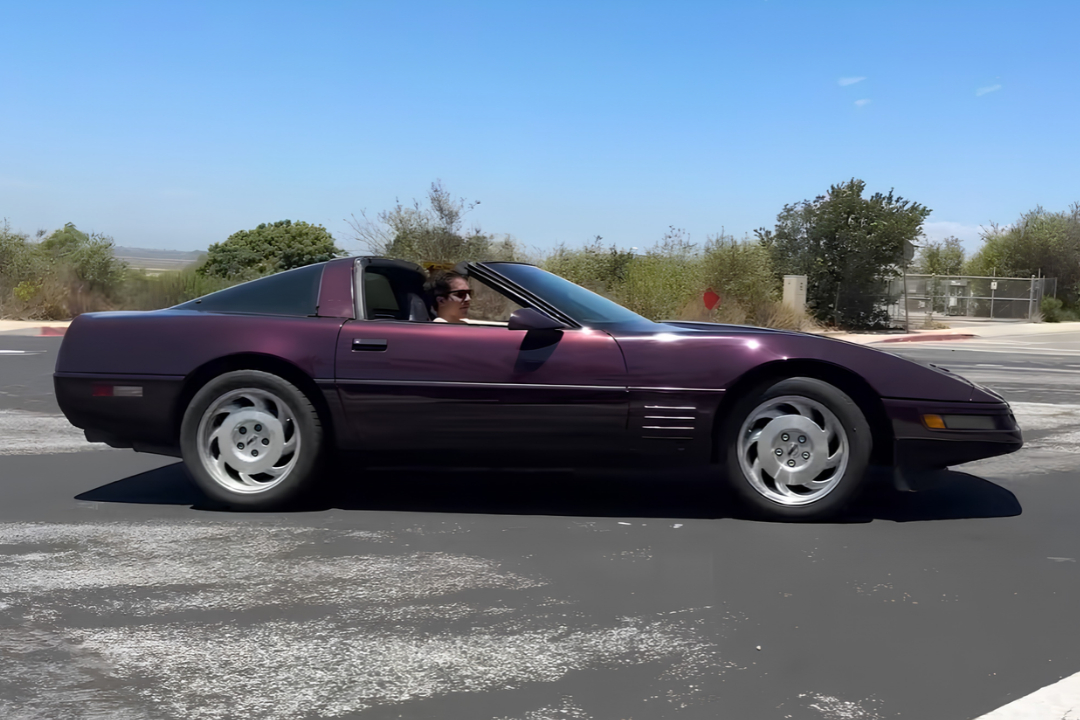
The 1992 Corvette LT1 marked a turning point for Chevrolet’s venerable small block, taking a layout that dated back to the 1950s and dragging it into the electronic, emissions‑conscious 1990s. Instead of a gentle refresh, the LT1 was a ground‑up rethink of how a pushrod V8 could make power, meet regulations, and still feel like a proper Corvette engine. It modernized the small block architecture so effectively that its basic ideas set the stage for everything from later Gen III designs to today’s crate engines.
From aging L98 to a new generation of small block
By the early 1990s, the C4 Corvette’s performance was being held back by its existing L98 V8, which produced 250 hp (186 kW) and relied on older tuned port injection hardware that favored low‑end torque over high‑rpm breathing. The chassis and suspension had evolved into a sharp, capable platform, but the powertrain was rooted in an earlier era of emissions and fuel‑economy compromises. According to Chevrolet’s own small‑block history, the L98 350 had already been upgraded in 1985 with an all‑new tuned port system as engines moved toward modern EFI, yet the basic package was running out of headroom.
Inside General Motors, the answer was not to abandon the small block but to reinvent it as a new Generation II design, still displacing 350 cu in (5.7 L) but engineered for higher output and tighter emissions. Reporting on the 1992 Corvette notes that the second‑generation Chevy small block arrived that year as a clean‑sheet LT1, replacing the L98 as the standard engine and immediately lifting the C4 out of its performance plateau. One technical analysis describes the Gen II LT1 as an updated version of the long‑running L98, but with enough internal changes that it effectively launched a new chapter for The Chevrolet small‑block engine.
Engineering leap: reverse cooling, higher compression, and modern controls
The LT1’s most radical change was its cooling strategy, which flipped the traditional flow path so coolant reached the cylinder heads before the block. Contemporary coverage described this as a key feature of the new Gen II LT1 small block, with coolant no longer flowing through the intake manifold and instead targeting the hottest areas first. By keeping the combustion chambers cooler, engineers could safely raise compression without detonation, which was central to the LT1’s power and efficiency gains over the outgoing L98.
Under the hood of the 1992 Corvette, the LT1 combined that reverse‑flow cooling with a 350 cu in 5.7 L displacement, higher compression, and a more advanced ignition and fuel‑control system. Technical guides on the 1992 LT1 detail how the engine used an iron block with aluminum heads, a compact front‑mounted ignition system, and updated EFI calibration to deliver stronger midrange and a higher usable redline. One performance overview notes that the new iron block and aluminum head 350ci 5.7L LT1 produced 300 hp at 5,000 rpm and 330 lb‑ft at 4,000 rpm, with a 5,700 rpm redline, a clear step up from the 245 to 250 hp L98 small block it replaced.
Performance payoff in the C4 Corvette
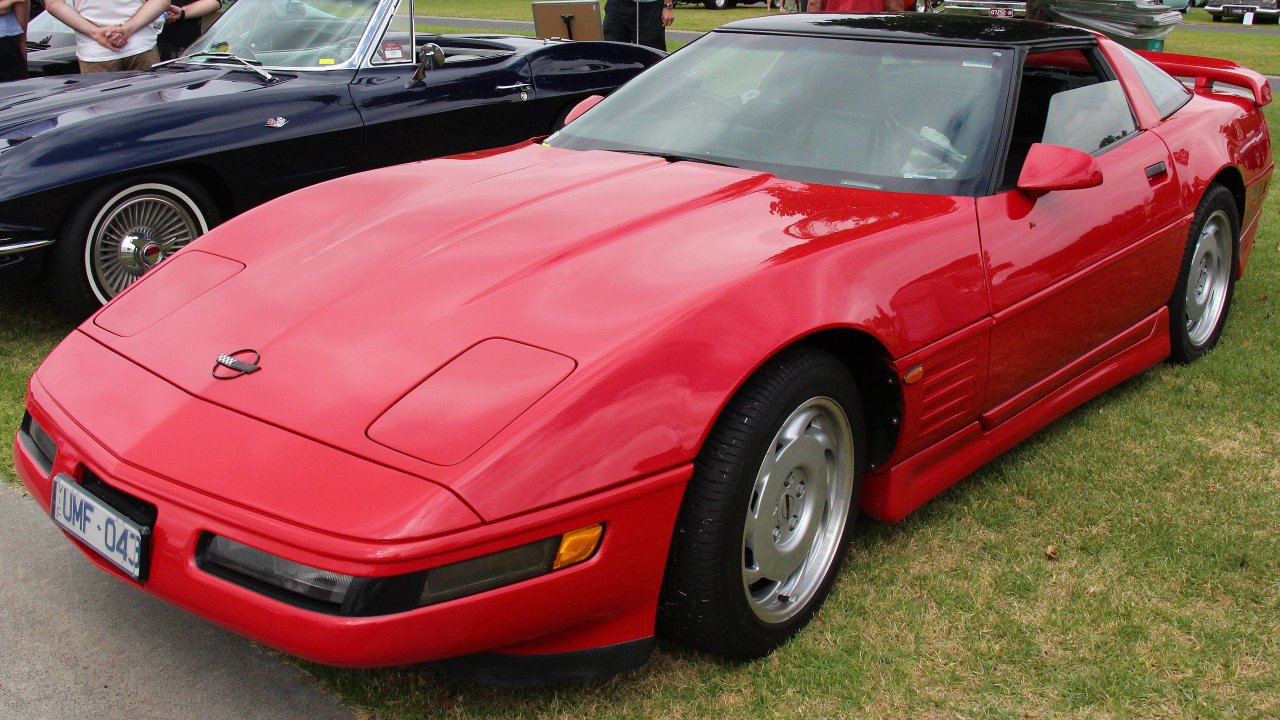
On paper, the LT1’s numbers transformed the C4’s character, but the real impact was how the car drove. Enthusiast analyses of the 1992 Corvette point out that the LT1’s 300 horsepower and roughly 325 pound feet of torque gave the car the kind of acceleration and flexibility that the chassis had long deserved. Where the L98’s long‑runner intake and conservative cam profile had emphasized low‑rpm grunt, the LT1 pulled harder through the midrange and stayed eager closer to its 5,700 rpm redline, making the car feel more modern without sacrificing the small block’s trademark torque.
Corvette‑focused reporting describes the LT1 as the most significant new feature of the 1992 model year, crediting it with a substantial 50 hp gain over the previous engine and a corresponding jump in real‑world performance. A deep dive into the C4’s final engines notes that Chevrolet positioned the LT1 as the standard powerplant from 1992 through the end of the generation, with the higher‑spec LT4 arriving later as an evolution of the same Gen II architecture. In that context, the LT1 did more than add speed, it reset expectations for what a factory small block Corvette could deliver in the early 1990s.
Balancing power, emissions, and everyday drivability
What made the LT1 especially important in small block history was not just the extra horsepower, but how it reconciled performance with tightening emissions rules and fuel‑economy demands. A technical article on rebuilding the LT1 points out that the Generation II engine arrived roughly Thirty‑seven years after the birth of the original small block Chevy V8, and it was engineered from the outset for cleaner combustion and better fuel efficiency. Higher compression, more precise EFI control, and improved combustion chamber design allowed the LT1 to meet contemporary standards without resorting to exotic materials or overhead cam layouts.
Chevy’s own small‑block timeline underscores how the Gen II LT1 fit into a broader shift toward electronic management, noting that as early as 1985 Chevrolet had been moving its 350 toward modern EFI systems. By the time the LT1 reached the Corvette, that evolution had matured into a package that could idle smoothly, deliver strong part‑throttle response, and still satisfy enthusiasts when driven hard. Coverage of the LT1’s design does acknowledge that some of its innovations, such as the front‑mounted ignition and optically triggered distributor, later became known reliability weak points, yet even critics concede that the new setup improved performance on an otherwise stout engine.
Legacy: the last classic small block and a bridge to the LS era
In retrospect, the 1992 LT1 looks like both a culmination and a transition. One historical overview labels the Gen II LT1 and LT4 as the last small block in the traditional sense, a final refinement of the architecture that had powered Chevrolet performance for decades. The engine kept the familiar 90‑degree V8 layout, pushrod valvetrain, and 350 cu in displacement, but wrapped those fundamentals in modern cooling, ignition, and EFI technology that made the small block relevant in a decade increasingly defined by overhead cams and multivalve imports.
At the same time, the LT1’s emphasis on efficient combustion, higher compression, and integrated electronic control foreshadowed the Gen III LS‑series that would follow. Enthusiast retrospectives on the LT1 argue that before the LS1 arrived, this high‑tech V8 brought the small block Chevy into the modern era, proving that a pushrod design could still compete on power, refinement, and emissions. When I look at the arc from the early carbureted small blocks to the LS engines that dominate today’s swaps and crate catalogs, the 1992 Corvette LT1 stands out as the hinge point, the moment The Chevrolet small-block engine stopped chasing the future and started defining it again.
More from Fast Lane Only: