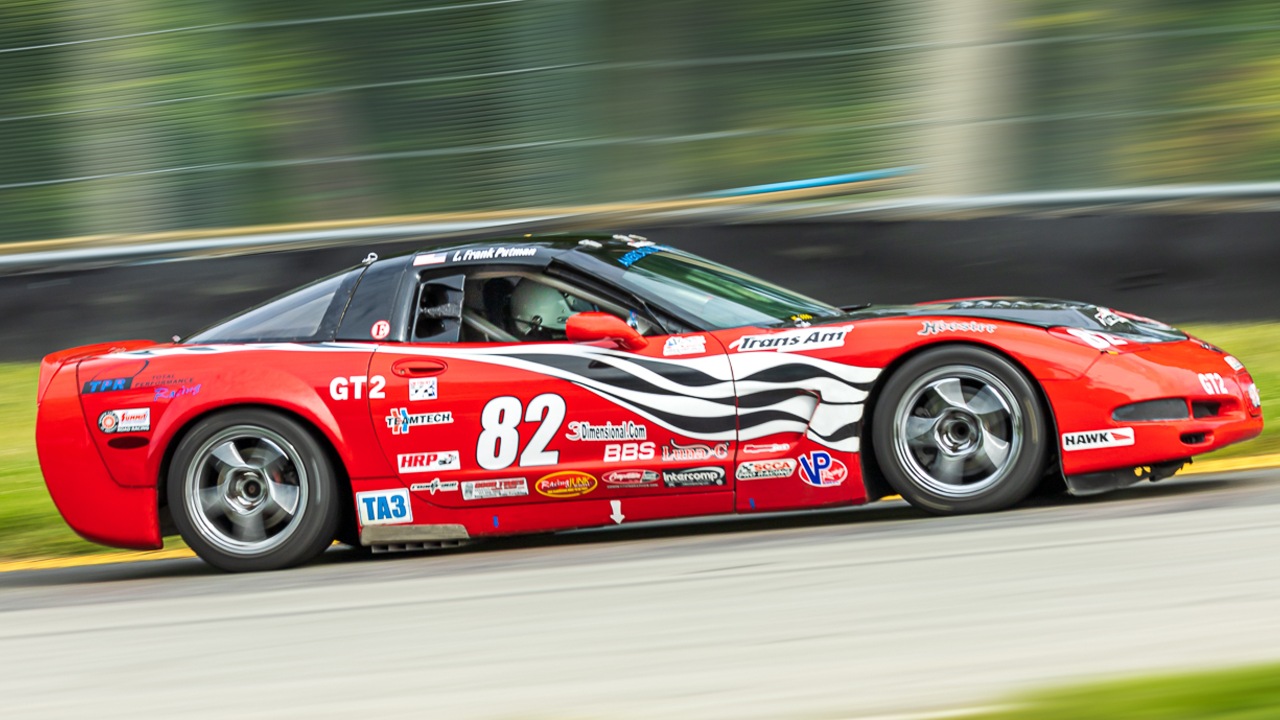
The 1997 Chevrolet Corvette C5 did not simply replace the C4, it redirected what a Corvette was supposed to be. By pairing a clean-sheet chassis and drivetrain with real-world comfort and usability, it set the template that every modern Corvette has followed. I see that car as the moment the brand stopped chasing isolated performance numbers and instead built a complete, coherent sports car.
A clean break from the C4 era
By the mid 1990s, the Corvette needed more than a refresh, it needed a reset. The C4 had delivered strong performance but carried compromises in refinement, packaging, and structural stiffness that were becoming impossible to ignore in a world of increasingly polished rivals. The C5 answered with an all new platform that moved beyond incremental tweaks, starting with a structure designed from the outset for rigidity, better weight distribution, and reduced noise and vibration, a shift that contemporary Corvette Specs material described as the stiffest Corvette yet.
The debut underscored how serious that break was. The C5 was unveiled at the North American International Auto Show in Detroit, a stage usually reserved for major strategic statements, not routine model updates. From there, GM began selling the C5 Corvette to what was described as widespread global appeal, with interest building even before production started, a sign that the market understood this was a fundamentally different car. That early response reflected how thoroughly the C5 rethought the Corvette formula, from its proportions to its engineering, rather than simply trying to polish the C4’s aging architecture as noted in period Corvette history coverage.
The LS1 and transaxle that changed the drivetrain playbook
Under the hood, the C5 introduced the LS1, a small block V8 that quietly launched one of the most influential engine families in modern performance. The LS1 delivered strong power and torque while being lighter and more compact than the iron-block engines that came before it, a combination that improved both acceleration and handling. Later analysis of the C5 era has emphasized how this unique engine design delivered the most advanced small block V8 in Corvette history, and that judgment has held up as the LS architecture spread far beyond the Corvette into a wide range of performance applications, as chronicled in pieces on The Legend of the C5.
Just as important as the engine was where the rest of the drivetrain lived. The C5 adopted a rear mounted Transaxle, connected to the LS1 by a torque tube, which shifted more weight toward the back of the car and dramatically improved front to rear balance. That layout, detailed in later Corvette FAQ coverage of the Debut Years, was not a cosmetic change, it was a structural decision that influenced how the car turned in, how it put power down, and how it rode over imperfect pavement. By moving the transmission to the rear, the C5 set a pattern that later Corvettes would refine but not abandon, confirming that this was the moment the drivetrain philosophy pivoted.
A chassis built on stiffness and advanced technique

The C5’s structure is where the reset becomes most obvious. Engineers pursued Advanced construction techniques to create a chassis that was both lighter and significantly stiffer than its predecessor, a combination that allowed the suspension to do its job more precisely. Reporting that dissected the 1997 to 2004 platform has described how this ultra stiff backbone became the secret to the C5 Corvette’s balance of comfort and control, with the suspension components effectively hanging off a rigid central structure rather than fighting flex, an approach summarized under the banner of Improving On a Legend in later Advanced chassis analysis.
That stiffness translated directly into measurable performance. Contemporary testing recorded skidpad numbers of 0.93 g, which was the best number ever achieved by a production Corvette at the time, a figure that underscored how the new platform could generate serious grip without resorting to race car harshness. The same sources that documented that 0.93 g figure also highlighted how the C5’s structure substantially reduced squeaks and rattles compared with earlier generations, reinforcing that the gains were not limited to track metrics. In other words, the C5’s chassis did not just make the car faster, it made it feel more solid and refined in everyday use, a dual benefit that earlier generations struggled to deliver, as detailed in period Corvette coverage.
From weekend toy to long-distance sports car
One of the most underrated ways the C5 reset the Corvette path was by making it a genuinely livable car. The new platform freed up more passenger and trunk space, which in turn made the Corvette a realistic choice for long trips rather than a cramped weekend toy. Later technical retrospectives have noted that with the C5’s packaging improvements, the Corvette could finally be used for long distance touring without asking occupants to sacrifice comfort or luggage capacity, a shift that helped broaden its appeal among American sports car enthusiasts, as highlighted in analyses of the C5 Corvette line up.
That usability was not an accident, it was baked into the design brief. Marketing material from the time leaned into the idea that Even the wind will have a hard time catching it, but the same documents emphasized that The Corvette’s aggressive race car appearance went beyond pure styling to deliver real world benefits. Aerodynamics, interior space, and ride quality were treated as interconnected pieces of the same puzzle, not separate checkboxes. The result was a car that enthusiasts like Gayle, who owned a 2000 C5 Corvette Convertible, could daily drive without feeling like they were compromising on comfort, a point that later Corvette Convertible owners have echoed when reflecting on the Debut Years.
Legacy: the gamechanger that still shapes Corvettes
Looking back from today, it is clear why so many enthusiasts describe the C5 as a gamechanger. Later commentary has argued that calling it merely a performance bargain does it a disservice, because it was also one of the most important Corvettes ever built. That perspective rests on how thoroughly the C5 redefined expectations, from its LS1 and Transaxle layout to its structural stiffness and everyday usability, a combination that has led writers to urge readers to give it a second look as more than just a used car deal, as reflected in retrospective pieces that frame the C5 as one of the most important Cor models.
The C5’s influence is also visible in how little its core formula changed over its production run. Aside from cosmetic differences such as new wheel styles, paint colors, and special pace car or commemorative editions in 1998, 2003, and 2004, the basic package remained consistent, a sign that Chevrolet felt it had finally landed on the right blueprint. Later generations would add power, technology, and eventually a mid engine layout, but the C5 was the car that first aligned performance, refinement, and usability into a coherent whole. When I look at the modern Corvette story, I see the C5 as the pivot point where the car stopped being a fast but flawed icon and became a fully realized sports car, a view echoed by enthusiasts who still call the C5 a massive leap forward for the Corvette world in detailed Apr discussions.
More from Fast Lane Only: