The 1969 Chevrolet Chevelle COPO did not start life as a showroom hero. It was a quiet corporate workaround that let a handful of dealers slip a race-bred 427 into Chevrolet’s mid-size body, creating a car that could outrun almost anything on the street. Over time, that low-profile special order has turned into one of the most coveted muscle machines of its era, a car whose legend now rests on rarity, performance and the way it rewrote the rules for factory-built power.
To understand how this happened, I need to trace the COPO Chevelle from its roots in the broader Chevelle lineup, through the backdoor ordering system that made it possible, and into the modern collector market where its value keeps climbing. The story is as much about corporate limits and dealer ingenuity as it is about quarter-mile times.
The Chevelle’s muscle car foundation
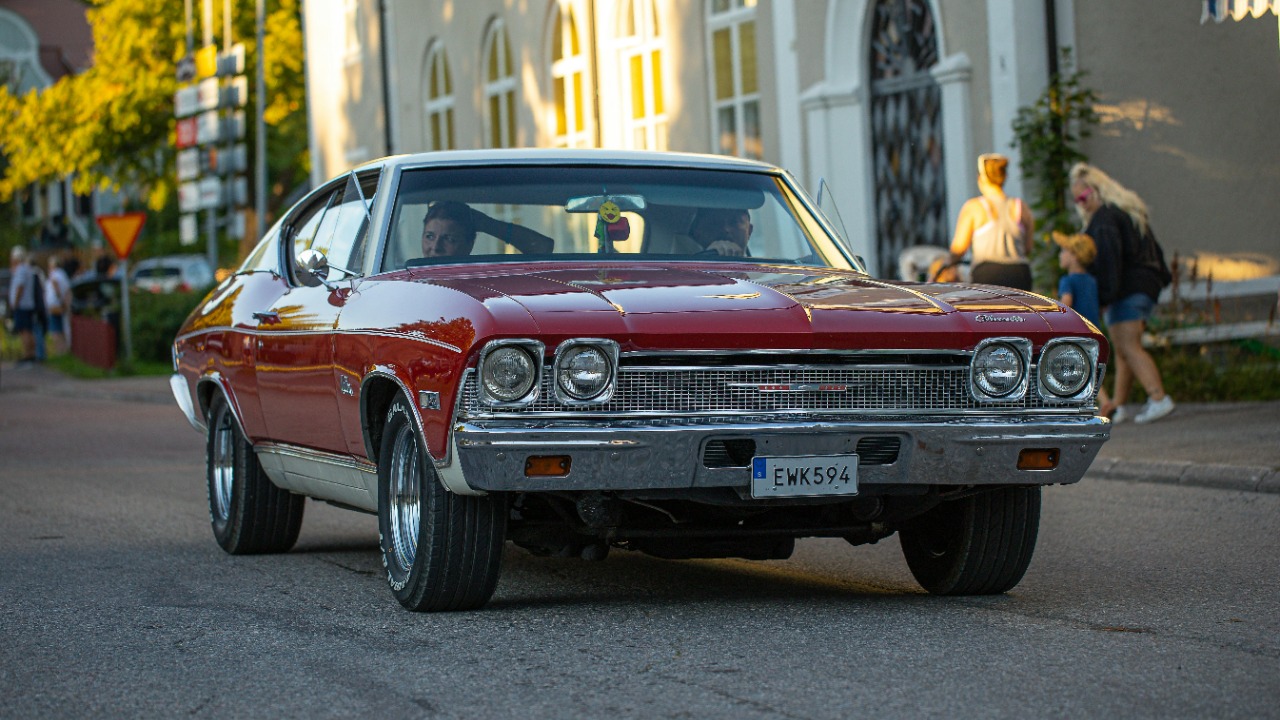
By 1968 and 1969, the Chevrolet Chevelle had already become a core muscle car, thanks to a mix of aggressive styling and accessible performance. A major redesign gave the car a lower, more purposeful stance, and contemporary reviewers highlighted how the shape and proportions projected what one analysis called “Styling oozes Testosterone,” capturing how the sheetmetal alone sold the idea of speed. The SS versions, with their blackout grilles, bold badging and functional performance hardware, turned the Chevelle into a car that looked as fast as it felt, and that visual impact laid the groundwork for any later special-order variant to be taken seriously.
Crucially, the Chevelle SS was also relatively affordable, which meant younger buyers could step into big-block performance without exotic pricing. Reports on the 1968–69 SS models emphasize that the package combined strong acceleration with everyday usability, a balance that helped the Chevelle become a common sight at stoplights and drag strips alike. In 1969 the SS specification evolved within the lineup, but the formula stayed the same: a muscular A-body, a big engine, and a price that kept it within reach of enthusiasts. That broad popularity is what made a stealthier, more extreme version like the COPO meaningful, because it emerged from a platform that already defined mainstream American performance.
Corporate limits and the COPO workaround
Even as the Chevelle SS gained a reputation, Chevrolet corporate policy capped what engines could be installed in its mid-size A-body. Prior to 1970, stuffing anything larger than a 396-ci big block in a Chevrolet A-body involved a post-sale engine swap, not a factory build. That limit was meant to keep the mid-size cars from overlapping too aggressively with full-size models and to manage liability and insurance concerns. For drag racers and performance-focused dealers, however, the 396-ci ceiling was a frustrating barrier, especially when rivals were fielding ever more powerful street machines.
The loophole was the Central Office Production Order system, or COPO, which Chevrolet originally used for fleet and special equipment orders. Dealers realized they could use COPO codes to specify components that were not part of the regular retail catalog, including the 427 cubic inch big block that was otherwise reserved for Corvettes and certain full-size cars. By quietly combining the Chevelle body with the 427 through this internal channel, they created a car that technically complied with the letter of corporate policy while completely changing the performance equation. The 1969 Chevrolet Chevelle COPO 427 emerged from this process as a factory-assembled, warranty-backed car that bypassed the usual engine restrictions.
Building a 427-powered street weapon

The heart of the COPO Chevelle legend is that 427, a race-bred big block dropped into a chassis that had been designed around smaller engines. Contemporary performance coverage describes how this combination transformed the car into a serious threat at the drag strip, with acceleration that rivaled or surpassed many purpose-built muscle icons. When people talk about the street kings of 1969, they often start with Hemi Chargers and other high-profile Mopar and Ford offerings, but the COPO Chevelle belonged in that same conversation, even if it was built in far smaller numbers and marketed with far less fanfare.
Road tests and later retrospectives emphasize that the COPO Chevelle was not just about straight-line speed, although its quarter-mile times were the headline. The car retained the basic practicality of the Chevelle platform, with a usable interior and the ability to function as daily transportation, which made its performance even more striking. One detailed review of a Yenko-prepped 1969 Chevy Chevelle, which used the same 427 foundation, highlights how the car combined brutal acceleration with relatively civil road manners, underscoring that the underlying engineering was robust enough to handle the extra power. That balance of everyday usability and near-race-level performance is a key reason the car’s reputation has grown over time.
Dealer tuning and the Yenko connection
While the COPO mechanism made the 427 Chevelle possible, it was dealer vision that turned it into a cultural touchstone. Performance-focused dealers like Don Yenko recognized that there was a market for factory-built cars that could compete with the quickest machines on the street, and they used COPO orders to create their own branded versions. A detailed test of a Yenko 1969 Chevy Chevelle shows how these cars layered dealer-specific touches on top of the COPO hardware, from visual cues to suspension and gearing choices tailored for drag racing. The result was a car that felt more like a limited-production homologation special than a typical showroom model.
These dealer-built variants amplified the mystique of the COPO Chevelle by giving it a narrative and a face. Instead of being an anonymous fleet code, the car became associated with specific personalities and racing programs, which helped stories about their exploits spread among enthusiasts. Video features on the 1969 COPO Chevelle describe it as a “secret special order 427 powered monster,” capturing how the car’s low-key factory origins contrasted with its real-world performance. That mix of insider knowledge, dealer branding and genuine capability helped the COPO Chevelle move from obscure option code to enthusiast legend.
From sleeper special to blue-chip collectible
For years, the COPO Chevelle was known mainly within hardcore muscle circles, but its status has shifted as collectors have reassessed what matters most from the late 1960s. Values for the 1969 COPO Chevelle keep climbing because collectors now recognize how unusual it was for Chevrolet to sanction a 427 in an A-body through official channels. Analyses of recent sales point to the combination of cubic inches, rarity and documented factory provenance as the main drivers of price, with well-documented cars commanding strong results at auctions and in private sales. The car’s backstory as a corporate workaround has become a selling point, not a footnote.
Market profiles of the 1969 Chevrolet Chevelle COPO 427 describe it as a “super deal” when compared with more famous nameplates like Hemi cars and high-profile Six Pack Mopars, especially given its performance credentials and limited production. As more enthusiasts learn how the COPO system worked and how few of these cars were built, demand has intensified for original examples and correctly restored cars. I see that shift as the final stage in the COPO Chevelle’s transformation: what began as a quiet internal code has become a symbol of the most extreme factory-backed muscle of its time, and the market is now pricing it accordingly.