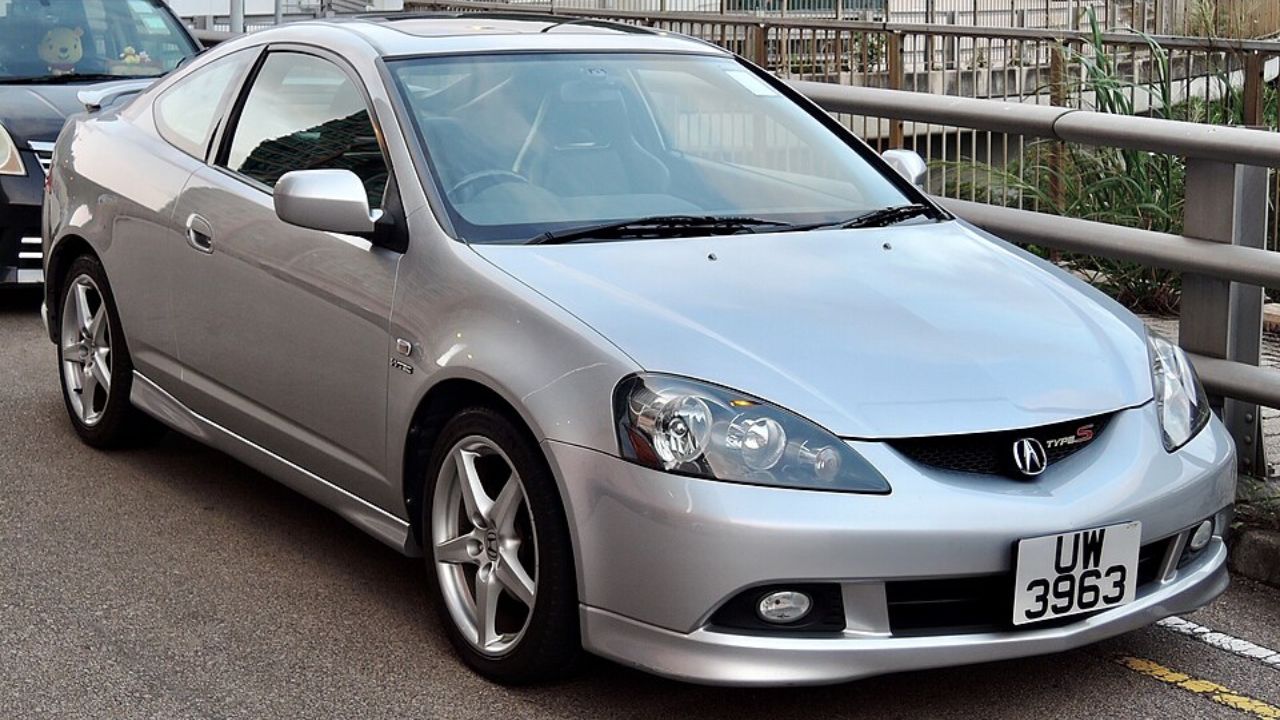
The 2002 Acura RSX Type-S arrived at a tricky moment, tasked with replacing a cult hero while nudging Honda’s performance coupe formula into a more refined, modern era. It wore a new badge, sat on a fresh platform, and traded some of the Integra’s rawness for polish, yet it kept the core idea of a high-revving, front-drive sport compact intact. Looking back now, I see it as the car that quietly updated the Integra playbook for a new generation, even if many enthusiasts did not recognize it at the time.
From the driver’s seat, the RSX Type-S felt like a bridge between the analog 1990s and the more sophisticated 2000s, pairing a screaming four-cylinder with a more grown-up cabin and everyday usability. It did not chase turbo torque or rear-drive theatrics, it simply refined the familiar Integra recipe with better structure, more power, and a chassis that could still light up a back road.
From Integra icon to Liftback experiment
To understand how the RSX Type-S modernized the Integra, I start with the badge itself. The Integra-based RSX arrived as a Liftback coupe, known internally as DC5, and it was introduced as the replacement for the long-running Acura Integra in North America. That meant the car had to carry forward a beloved lineage while also signaling a new direction for Acura, which was moving away from alphanumeric-free names and toward a more upscale image, and the RSX nameplate was the spearhead of that shift, even as the underlying formula remained familiar.
Outside the United States, the story was more straightforward, because the same car was still badged as the Honda Integra, which underlined how closely the RSX was tied to its predecessor in engineering and spirit. In other words, what American buyers saw as a clean-sheet Acura RSX was, in global terms, simply the next Honda Integra, and that continuity matters when I think about how the Type-S variant updated the Integra idea without abandoning it.
Carrying the Integra’s performance torch
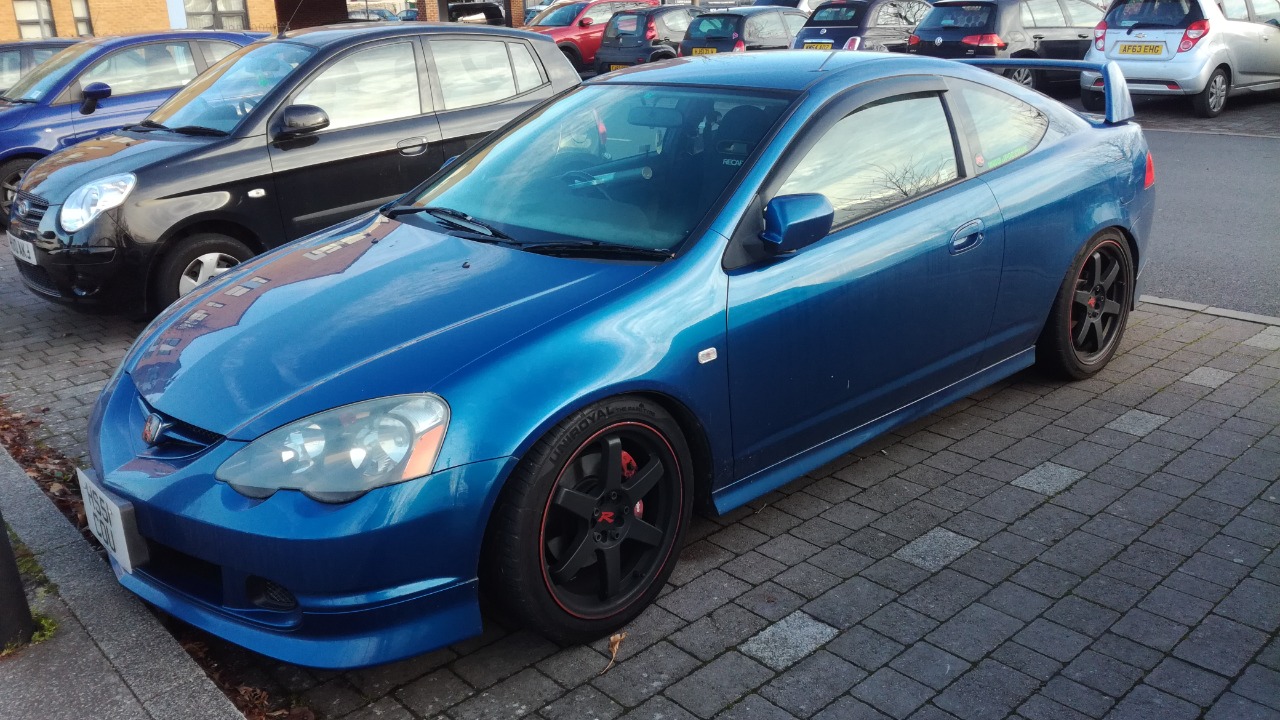
Any discussion of modernization has to start with performance, and here the RSX Type-S clearly set out to evolve what the Integra had already done so well. Earlier Integra heroes like the DC2 Integra Type R, especially in its famous Phoenix Yellow paint, had built their reputation on razor-sharp handling, a screaming naturally aspirated engine, and a manual gearbox that rewarded commitment. That car, with its 5-speed manual and track-bred tuning, set a high bar for what a front-drive coupe could be, and it created expectations that any successor would have to meet.
The RSX Type-S responded by leaning into a new generation of high-revving four-cylinder power, pairing its advanced engine with a close-ratio manual transmission and a more rigid body structure. Reviews of the Type-S were described as rather gushing, with most criticism focused on styling rather than the way the car drove, which tells me that from behind the wheel the RSX largely delivered on the Integra’s promise. The fact that the Type-S accounted for a significant share of the RSX’s sales reinforces the idea that buyers who cared about performance recognized it as the spiritual continuation of the Integra formula, even if the badge on the trunk had changed.
Refinement, structure, and the daily-driver shift
Where the RSX Type-S really modernized the Integra concept, in my view, was in how it balanced performance with everyday livability. The car was introduced in the summer as the successor to Acura’s beloved Integra, and early long-term testing noted that it was met with some wariness from loyalists who feared the new model would soften the edge that made the old car special. Over time, though, extended seat time showed that the RSX Type-S offered a more solid structure, a quieter cabin, and a more mature ride, all while keeping the high-rev character that defined its lineage.
That dual personality made the RSX Type-S a more realistic daily driver than the hardcore Integra Type R, which had been engineered with track work in mind and came with compromises like a very firm ride and minimal sound insulation. Reports on the earlier Integra Type R note that all Type Rs used a five-speed manual gearbox and a limited-slip differential, and that the transmission was strong but would only tolerate so much abuse, which hints at how focused and demanding that car could be. By contrast, the RSX Type-S aimed to deliver most of the thrills with fewer sacrifices, and that shift toward refinement is exactly what I think of when I say it modernized the Integra idea for a broader audience.
Chassis tuning and front-drive sophistication
The RSX Type-S also updated the Integra’s dynamic toolkit, especially in how it handled front-drive traction and stability. Earlier Integra performance models relied heavily on mechanical solutions like the limited-slip differential fitted to the Type R, which helped put power down but also required the driver to manage torque steer and a more nervous front end. In the RSX era, engineers began to blend mechanical grip with more sophisticated suspension tuning and electronic aids, which allowed the car to keep each front wheel working more evenly without yanking the steering wheel around in the driver’s hands.
That evolution shows up clearly when I look at how modern reviewers describe the RSX’s behavior under power, noting that the car feels composed rather than frantic when accelerating out of a corner. One detailed drive review points out that the front end stays calm instead of pulling left and right, crediting the way the chassis and differential manage torque to keep each wheel rotating at a similar rate. For a front-drive sport compact, that kind of composure is a big step forward from the more raw, sometimes unruly character of earlier Integra variants, and it is another way the RSX Type-S quietly brought the Integra concept into a more modern handling era.
Legacy, perception, and the Integra nobody wanted
Even with all those advances, the RSX Type-S has long carried a reputation as the Integra nobody wanted, a phrase that captures how enthusiast nostalgia can overshadow incremental progress. Some of that perception comes down to styling, since period buyer guides note that complaints about the RSX Type-S centered on its looks rather than its dynamics, and some of it stems from the fact that the car arrived after the halo of the DC2 Integra Type R had already hardened into legend. When a previous generation is remembered as the purest expression of a formula, any successor that adds comfort or polish risks being dismissed as softer, even if it is objectively quicker or more capable.
From my perspective, the RSX Type-S deserves more credit as the car that kept the Integra spirit alive under a different nameplate, especially given that The RSX was still sold as the Honda Integra outside the U.S., which makes the lineage impossible to ignore. The Integra-based RSX, introduced as a Liftback coupe with both base and Type-S variants, bridged the gap between the analog 1990s and the more refined 2000s, and it did so without abandoning the core ingredients that made the Integra special. When I look at how enthusiasts now chase clean DC5s and revisit period long-term tests, I see a slow reappraisal taking shape, one that finally recognizes the 2002 Acura RSX Type-S as the modernized Integra it was always meant to be.
More from Fast Lane Only: