Innovation often springs from simplicity, and the automotive world is no exception. Some of the most iconic vehicles began as straightforward ideas that evolved into legends. From the desire to create affordable transportation to the pursuit of efficiency and thrill, these cars have left a lasting mark on the industry and our culture.
The Volkswagen Beetle: A Car for the People
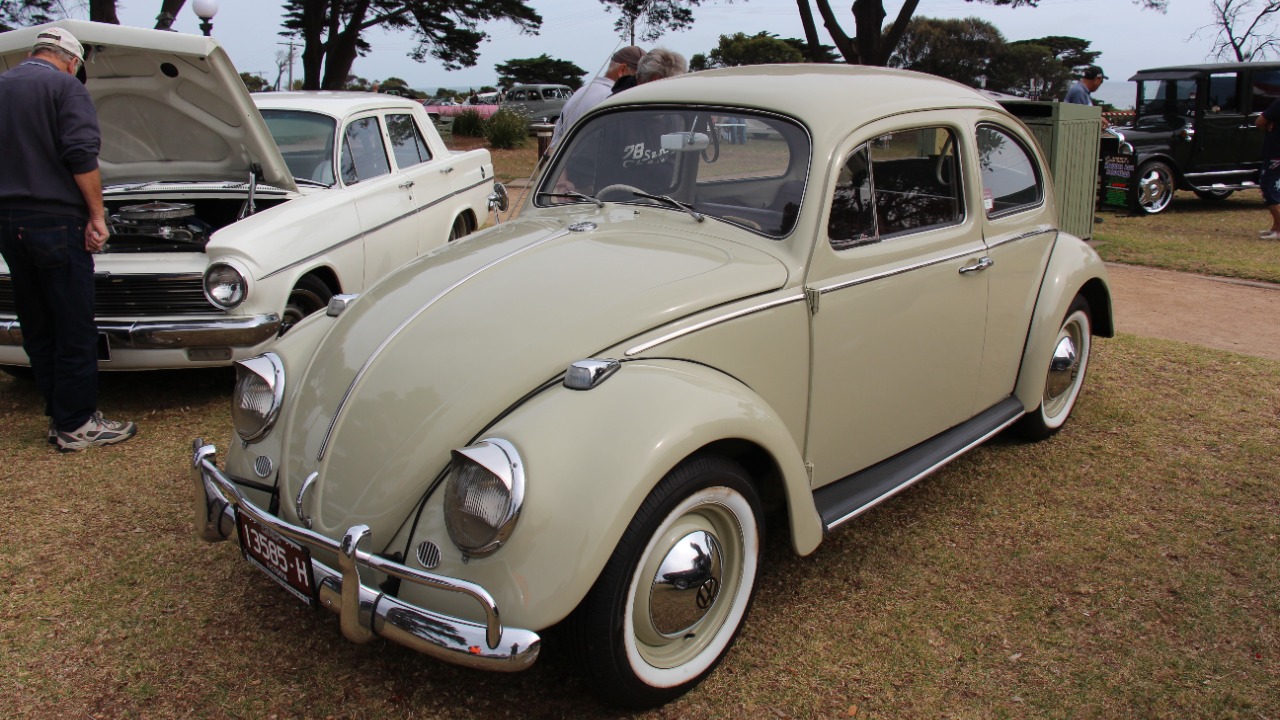
Originally designed in the 1930s, the Volkswagen Beetle was conceived as a “people’s car” by Ferdinand Porsche. Its design aimed to provide affordable mobility to the masses, featuring a simple, rounded shape and rear-engine layout. The Beetle’s production gained momentum after World War II, becoming a symbol of the post-war economic boom. By the 1960s, it had gained immense popularity, selling millions worldwide.
The charm of the Beetle lay not only in its affordability but also in its reliability and unique personality. Its quirky design and compact size made it ideal for urban environments, while its robust engineering allowed it to thrive in various conditions. This car transcended its initial purpose, becoming a cultural icon and even inspiring a new generation of electric vehicles.
Ford Model T: Revolutionizing Mass Production
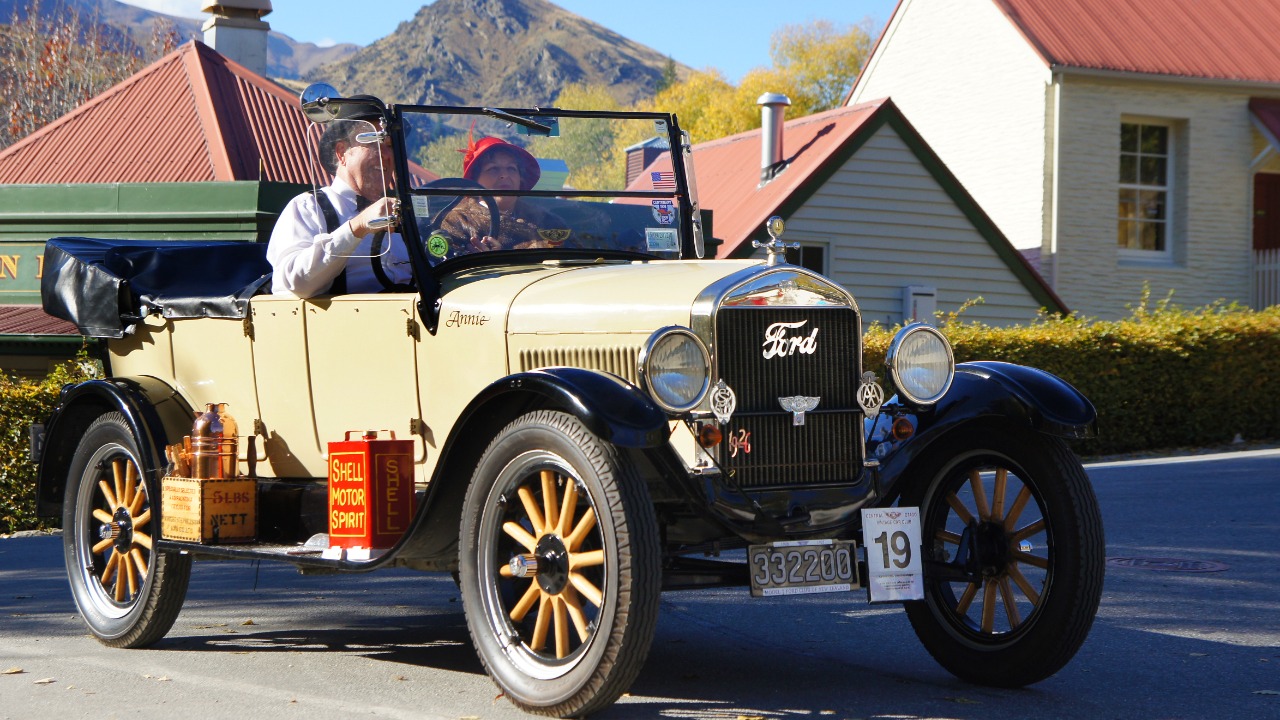
Introduced in 1908, the Ford Model T fundamentally changed the automotive landscape. Its affordability and simplicity made it accessible to the average American, with a price that dropped to around $300 by the 1920s. Henry Ford’s introduction of the assembly line revolutionized production methods, allowing for faster manufacturing and lower costs. This innovation not only made cars affordable but also boosted the economy by creating jobs.
The Model T’s design was utilitarian, with a focus on function over form. It featured interchangeable parts, which simplified repairs and maintenance. By the time production ceased in 1927, over 15 million units had been sold, making the Model T the first mass-produced car in history. Its legacy continues to influence modern automotive manufacturing practices.
Toyota Corolla: The Compact Car for Everyone
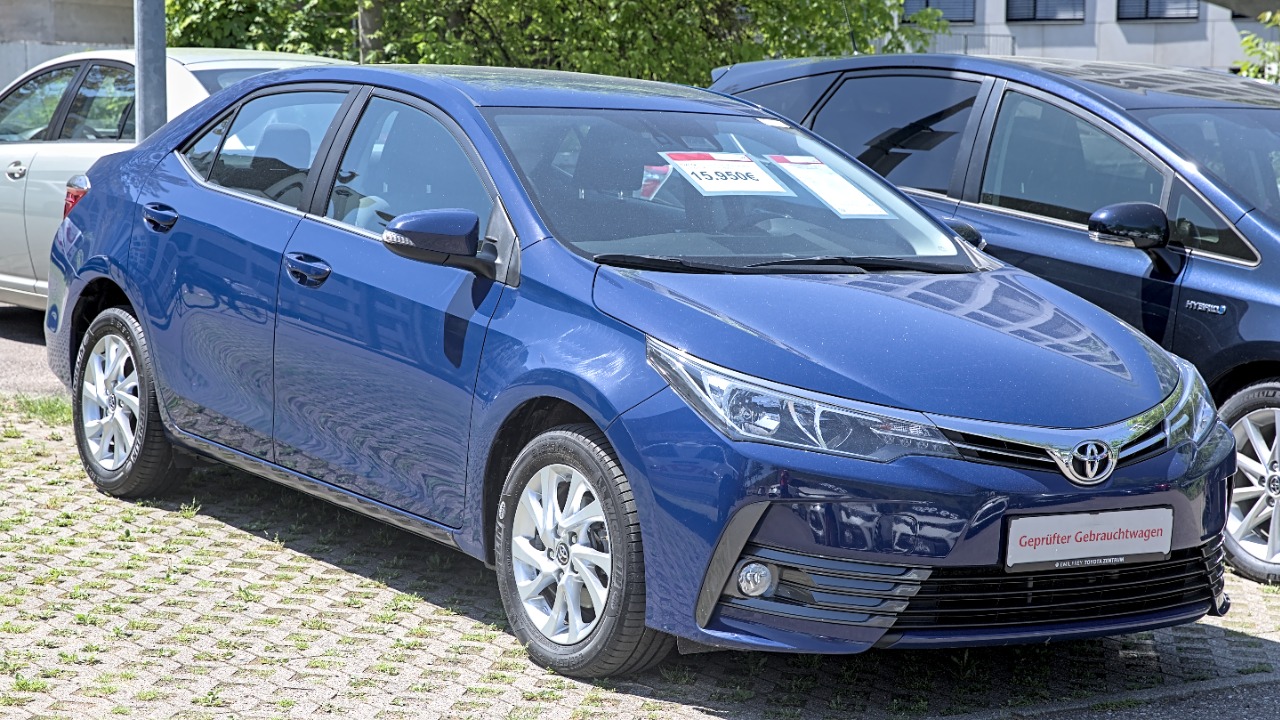
Launched in 1966, the Toyota Corolla was designed with the idea of providing reliable, economical transportation. Its compact size, fuel efficiency, and affordability made it an instant hit, especially with young families and first-time car buyers. Over the decades, the Corolla evolved while maintaining its core values, becoming a staple in the global automotive market.
The Corolla’s reputation for reliability earned it a loyal following, leading to its status as one of the best-selling cars of all time. With over 44 million units sold worldwide, the Corolla represents a significant chapter in automotive history. Toyota’s commitment to continuous improvement and innovation has allowed the Corolla to adapt to changing consumer needs while retaining its identity as a practical and dependable vehicle.
Mini Cooper: A British Icon Born from Efficiency
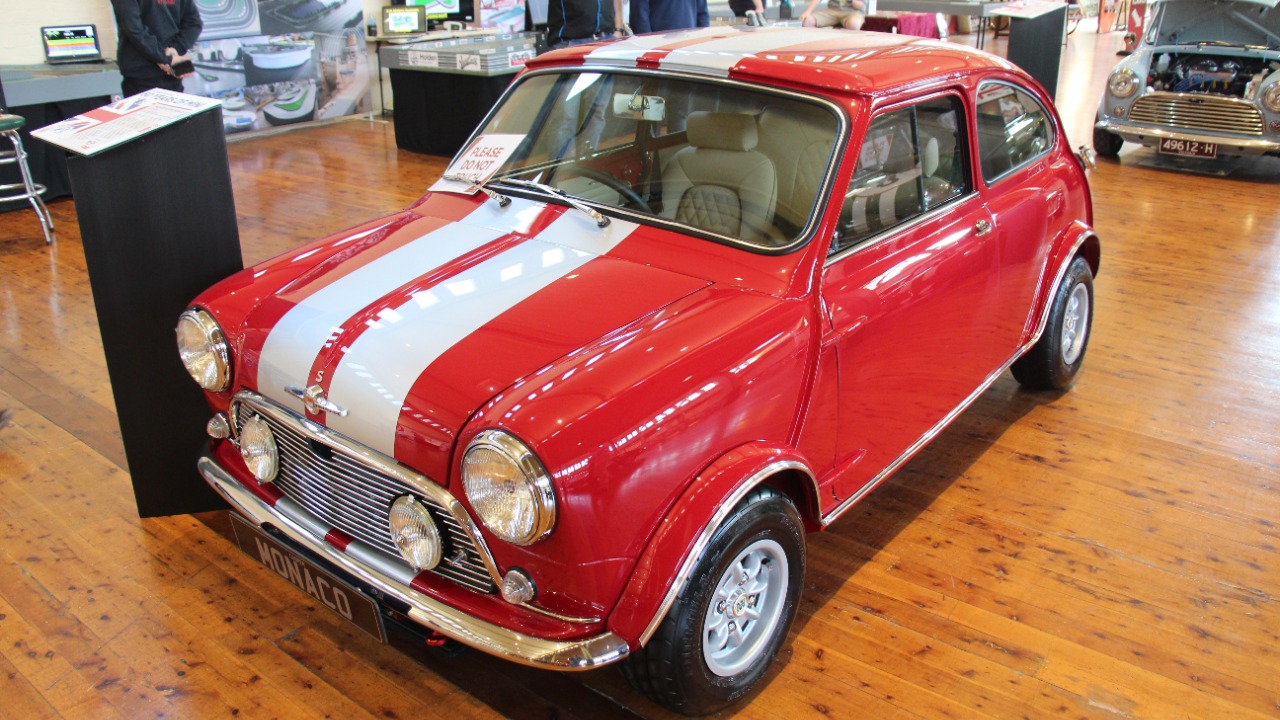
The Mini Cooper emerged in the early 1960s as a response to the oil crisis and the need for a small, efficient car. Designed by Sir Alec Issigonis, it featured a transverse engine layout that maximized interior space while maintaining a compact footprint. The Mini quickly became a symbol of British culture, known for its quirky design and agile handling.
Its success on the racetrack, particularly in events like the Monte Carlo Rally, solidified the Mini’s status as a performance vehicle despite its small size. The Cooper variant, developed in collaboration with racing legend John Cooper, introduced a sporty edge to the classic model. The Mini’s blend of fun, efficiency, and style has ensured its place in automotive history and continues to influence modern compact cars.
Honda Civic: The Affordable Performance Car
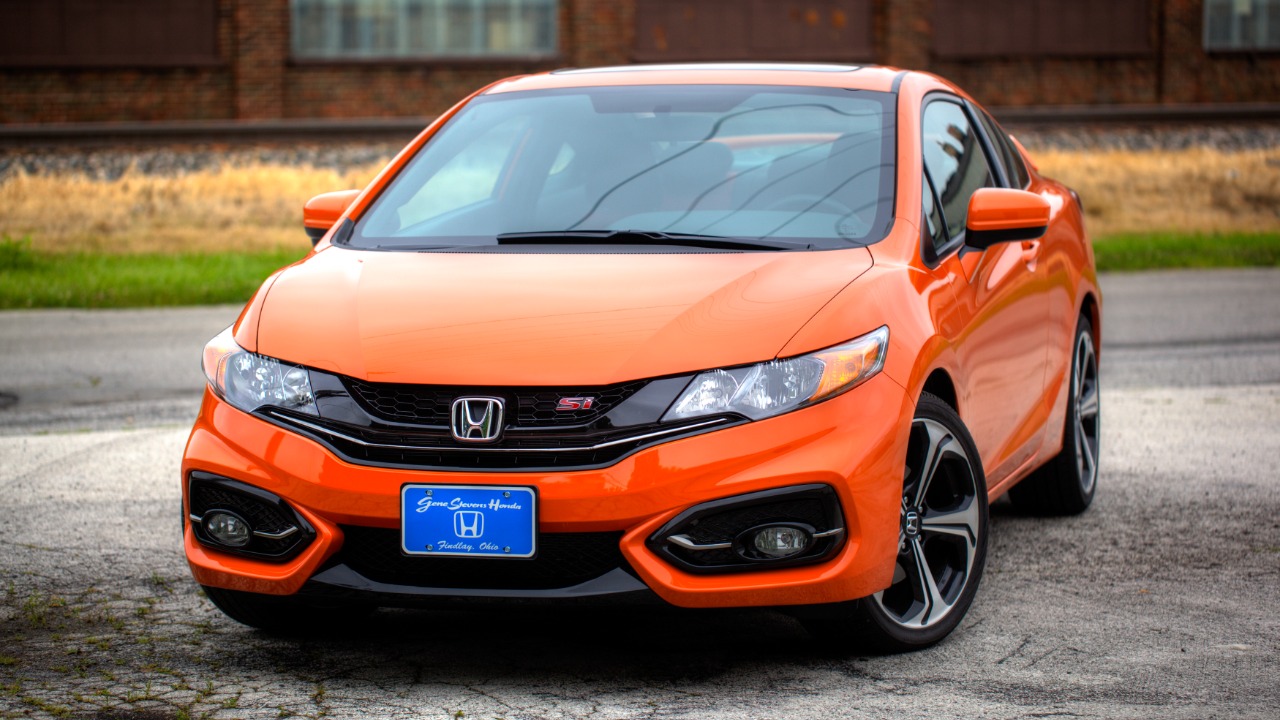
When the Honda Civic was launched in 1972, it aimed to provide a combination of efficiency, reliability, and affordability. Over the years, it has become synonymous with performance in the compact car segment. The Civic’s engineering brilliance lies in its lightweight construction and responsive handling, appealing to driving enthusiasts without breaking the bank.
The introduction of the Civic Si and Type R models showcased Honda’s capability to blend performance with practicality. These variants elevated the Civic’s image, making it a favorite in the tuning community. Its continual evolution, from a basic commuter car to a performance powerhouse, reflects Honda’s commitment to innovation and consumer preferences, ensuring the Civic remains a top choice for drivers worldwide.
Land Rover Defender: From Military Roots to Off-Road Legend
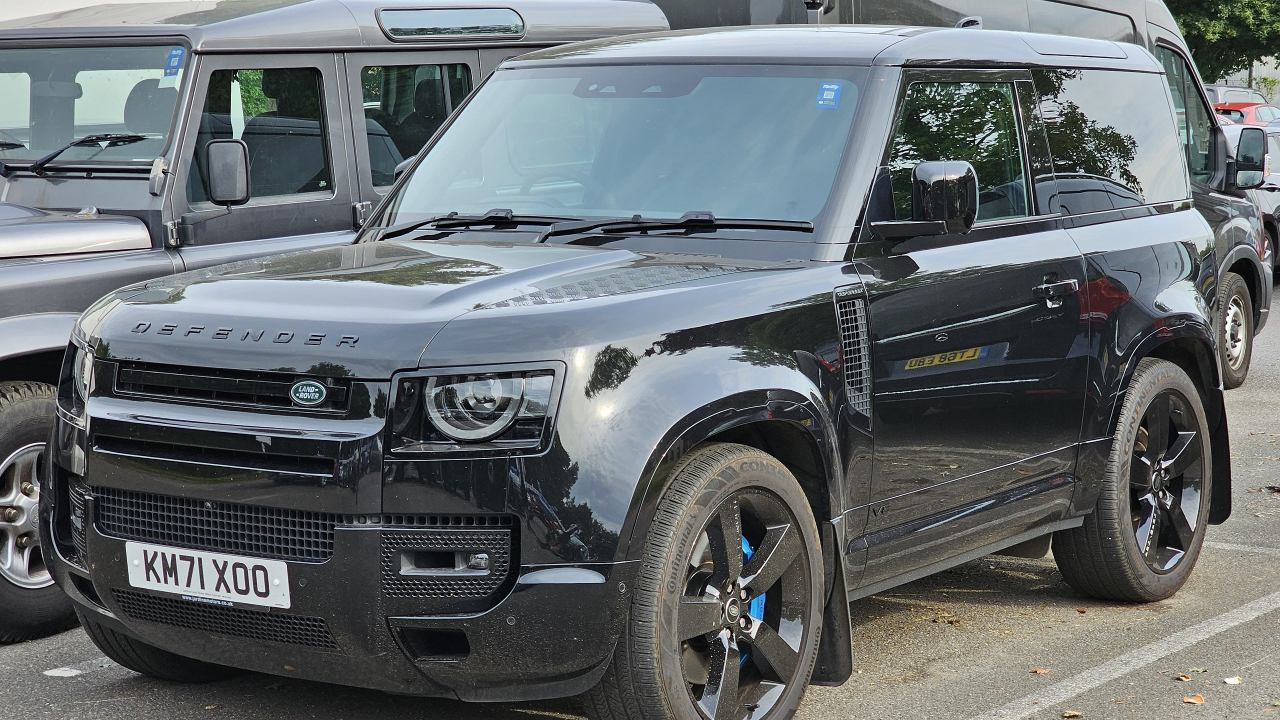
Initially designed for agricultural and military use in 1948, the Land Rover Defender quickly gained a reputation for its ruggedness and versatility. Its boxy design and four-wheel-drive capability made it an ideal vehicle for challenging terrains, earning it a loyal following among adventurers and off-road enthusiasts alike.
Over the decades, the Defender evolved while maintaining its utilitarian appeal. It became a staple for various professions, from farmers to military personnel, and even found its way into luxury markets. The Defender’s legacy is marked by its ability to adapt to modern standards while retaining its iconic status. With the introduction of the new Defender, Land Rover aims to honor its heritage while appealing to a new generation of drivers seeking adventure.
Porsche 911: The Evolution of a Sports Car

Launched in 1964, the Porsche 911 was designed as a high-performance sports car that combined speed with everyday usability. Its distinctive design and rear-engine layout set it apart from its competitors. Over the years, the 911 has undergone numerous iterations, each improving performance and technology while retaining its classic silhouette.
The 911’s motorsport success, particularly in events like the Le Mans 24 Hours, solidified its status as an automotive icon. Its blend of luxury and performance has attracted a diverse range of enthusiasts, from casual drivers to professional racers. As the 911 continues to evolve with modern technology, it remains a benchmark for sports cars worldwide, symbolizing the pursuit of automotive excellence.
Jeep Wrangler: The Ultimate Adventure Vehicle
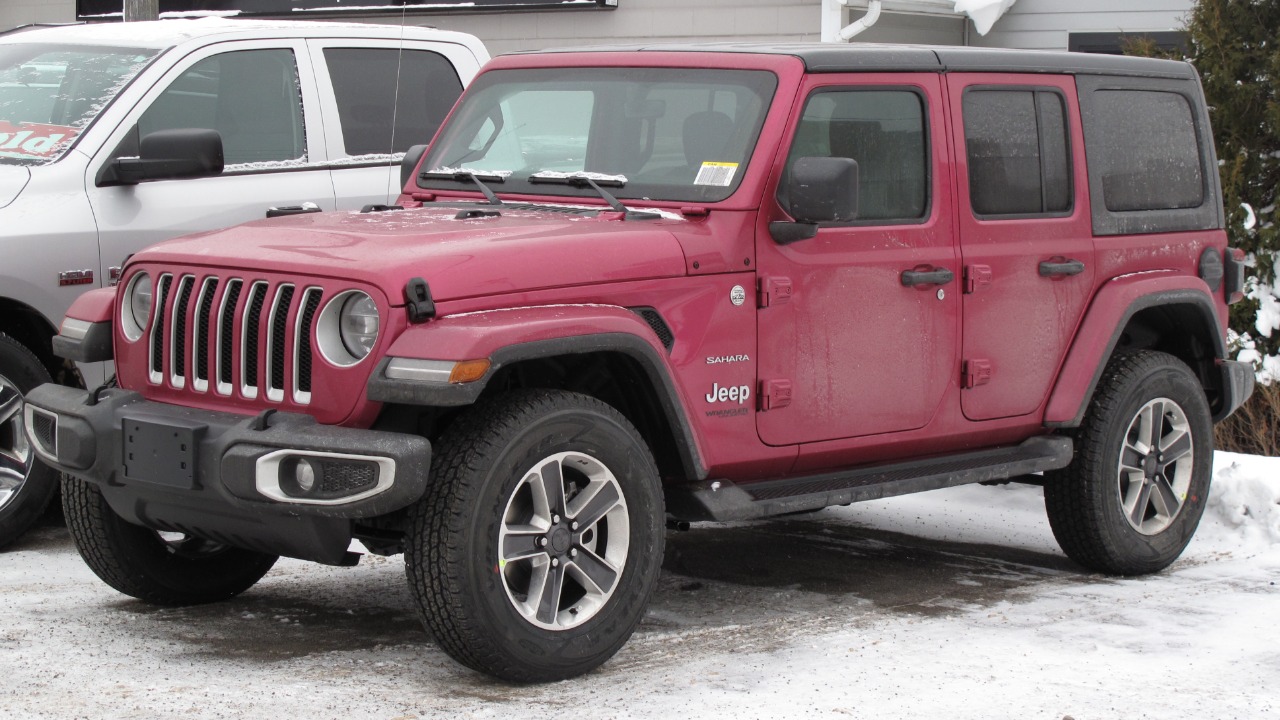
The origins of the Jeep Wrangler can be traced back to World War II when it was developed as a military vehicle. Its rugged design and four-wheel-drive capability made it an essential tool for the armed forces. After the war, the Jeep brand evolved into a civilian market, with the Wrangler becoming a symbol of adventure and off-road capability.
The Wrangler’s design remains true to its roots, featuring a boxy shape and removable doors for an authentic outdoor experience. Its versatility has made it popular among outdoor enthusiasts, capable of tackling challenging terrains and providing a fun driving experience. As Jeep continues to innovate, the Wrangler remains a testament to the brand’s adventurous spirit and rugged reliability.
Tesla Roadster: An Electric Dream Became Reality
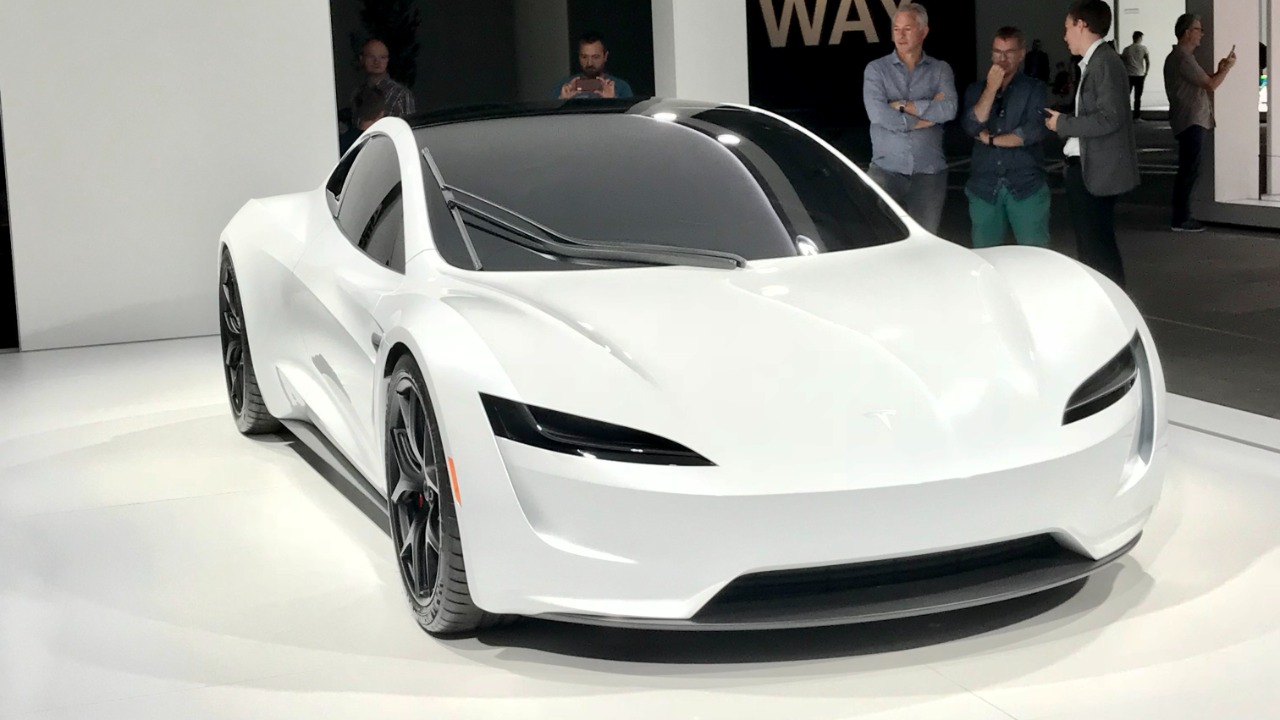
When the Tesla Roadster was launched in 2008, it marked a significant turning point in the automotive industry. This all-electric sports car challenged the perception that electric vehicles were slow and impractical. With a 0-60 mph time of just 3.7 seconds, the Roadster demonstrated that electric cars could be thrilling and performance-oriented.
By using cutting-edge battery technology and lightweight materials, Tesla set a new standard for electric vehicles. The Roadster paved the way for future models, proving that eco-friendly cars could compete with traditional gasoline vehicles. Tesla’s vision of sustainable transportation has sparked a revolution, influencing automakers worldwide to invest in electric technology and shaping the future of driving.
Subaru Outback: The Original Adventure Wagon
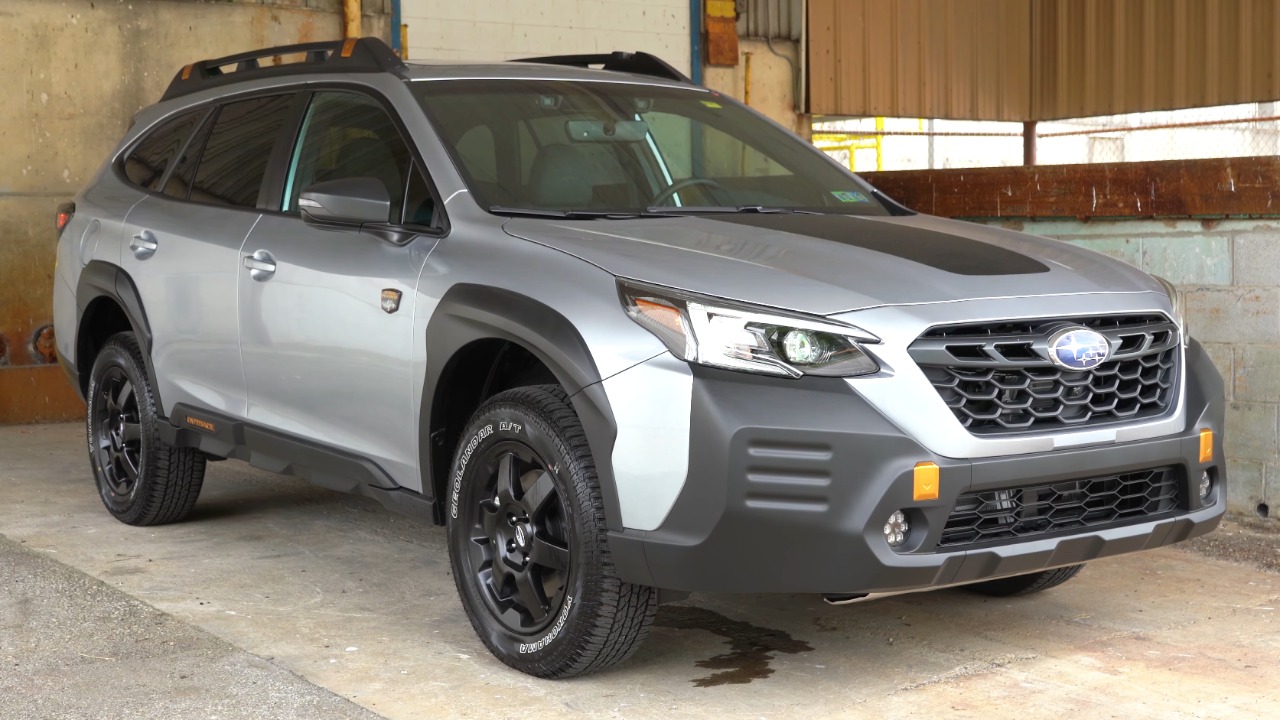
Launched in 1995, the Subaru Outback was one of the first vehicles to blend the practicality of a station wagon with the ruggedness of an SUV. Designed for active lifestyles, it features all-wheel drive and a higher ground clearance, appealing to outdoor enthusiasts who required versatility in their vehicles. The Outback quickly gained popularity for its reliability and capability, making it a favorite among families and adventurers alike.
Over the years, the Outback has evolved, incorporating modern technology and safety features while maintaining its core identity. Its reputation for durability and performance in various weather conditions has solidified its place in the automotive market. As Subaru continues to innovate, the Outback remains a symbol of adventure and practicality for drivers seeking both comfort and capability.
More from Fast Lane Only
- Unboxing the WWII Jeep in a Crate
- 15 rare Chevys collectors are quietly buying
- 10 underrated V8s still worth hunting down
- Police notice this before you even roll window down
*Research for this article included AI assistance, with all final content reviewed by human editors.