The automotive world is filled with iconic vehicles and powerful engines, yet some of the most influential powertrains have remained in the shadows. These engines have not only propelled cars through history but have also shaped the very landscape of the automotive industry. From the early days of mass production to modern engineering marvels, each engine has left an indelible mark that deserves recognition.
Ford Model T’s Inline-4 Engine
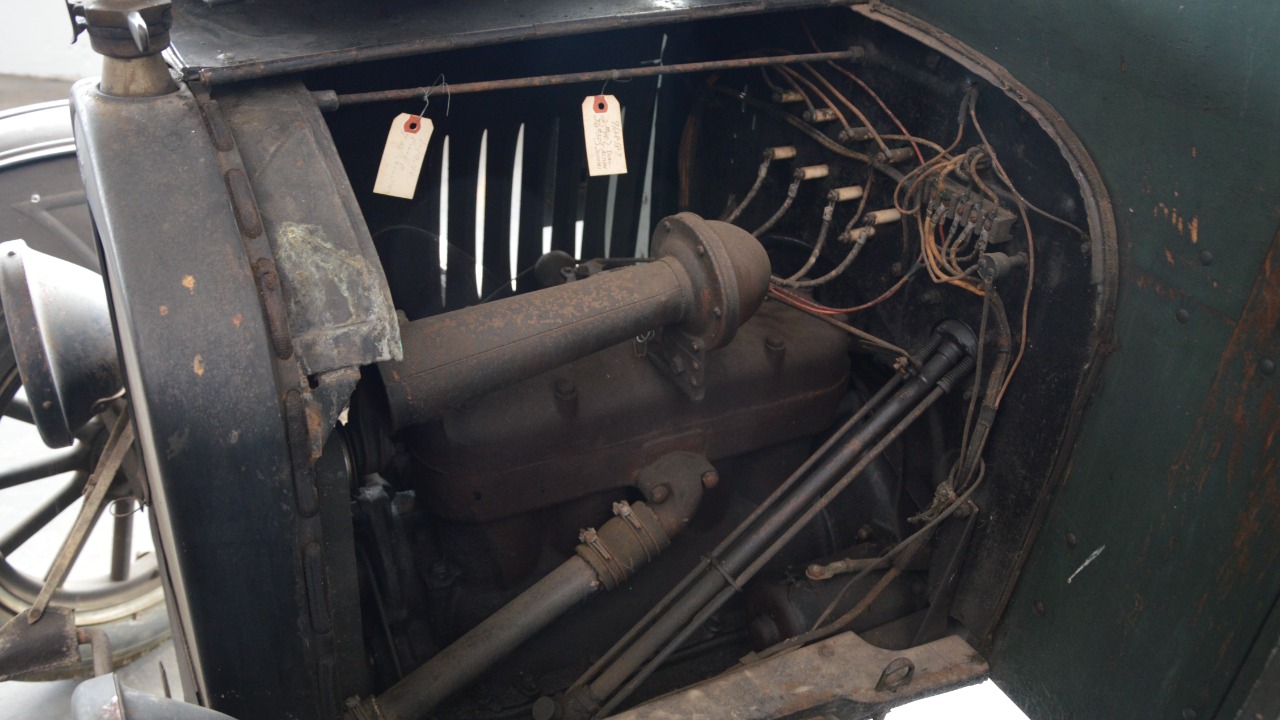
Introduced in 1908, the Ford Model T revolutionized the automotive industry with its simple design and affordability. At the heart of this historic vehicle was its 2.9-liter inline-4 engine, which produced a modest 20 horsepower. While this may seem underwhelming by today’s standards, it was more than sufficient for a car that was designed for utility and mass appeal. The Model T’s engine was not only reliable but also easy to maintain, allowing average citizens to become car owners for the first time.
This engine played a pivotal role in the democratization of transportation, and the mass production techniques developed by Henry Ford significantly lowered costs. The Model T sold over 15 million units before discontinuation in 1927, making it one of the most successful cars of all time. Its influence on automotive engineering and manufacturing processes set a precedent that is still relevant today.
Chevrolet Small Block V8

The Chevrolet Small Block V8, introduced in 1955, is one of the most significant engines in automotive history. This compact powerhouse has been a staple in American muscle cars, sports cars, and trucks for decades. The original 265 cubic inch version produced 162 horsepower, but as it evolved, so did its performance. The Small Block family has undergone numerous iterations, leading to the high-performance variants found in vehicles like the Chevrolet Corvette and the legendary Camaro.
Its lightweight design and versatility have made it a popular choice for engine swaps and custom builds. The Small Block’s robust aftermarket support has allowed it to thrive in various motorsport applications, from NASCAR to drag racing. With over 100 million units produced, the Small Block V8 has not only powered vehicles but has also become a cultural icon, symbolizing the American automotive spirit.
Volkswagen Beetle’s Flat-4 Engine
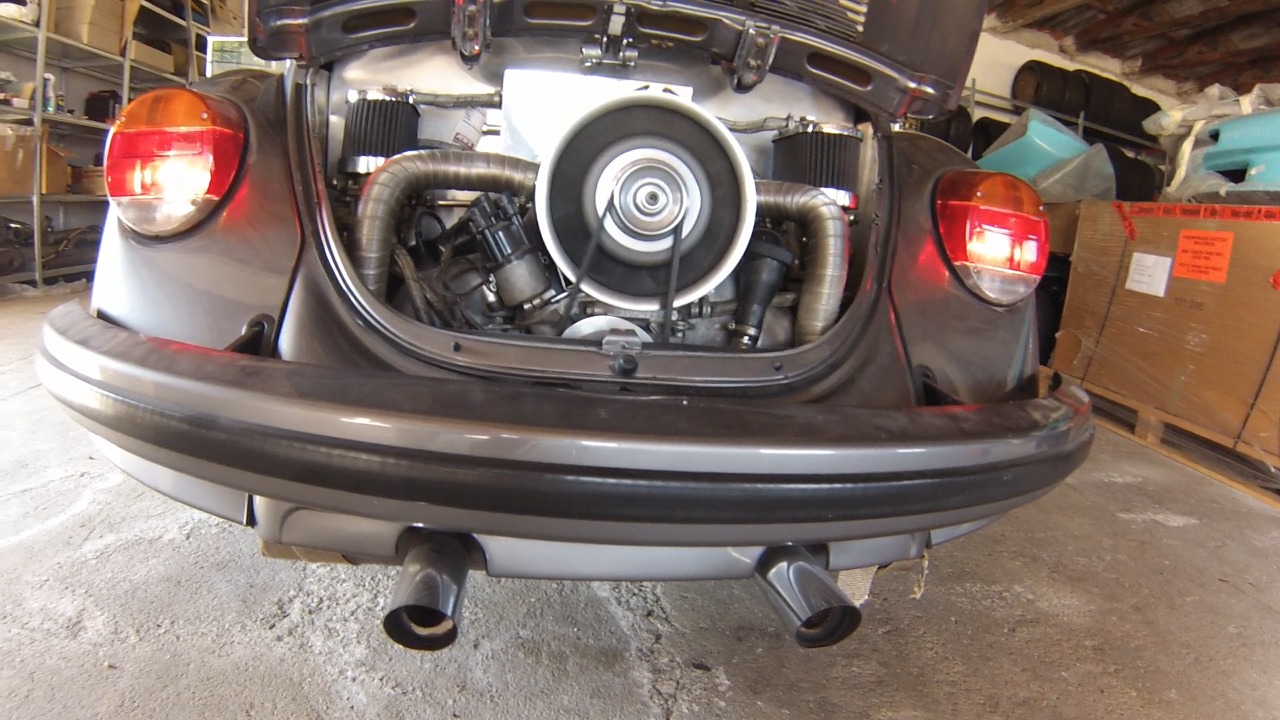
When talking about automotive history, one cannot overlook the Volkswagen Beetle and its unique flat-4 engine. Launched in 1938, the Beetle’s engine was a simple, air-cooled, 1.2-liter unit that produced around 30 horsepower. This innovative design allowed for a compact layout and excellent weight distribution, contributing to the car’s renowned handling characteristics. The simplicity of the flat-4 engine meant that it was easy to maintain, making the Beetle an accessible vehicle for countless families around the world.
Over its production run, which lasted until 2003, the Beetle became one of the best-selling cars of all time, with over 21 million units sold. The flat-4 engine has become a symbol of reliability and efficiency, demonstrating that an engine doesn’t need to be powerful to be effective. Its design has influenced countless other vehicles, and its legacy continues to resonate in modern automotive engineering.
Jaguar XK Inline-6 Engine
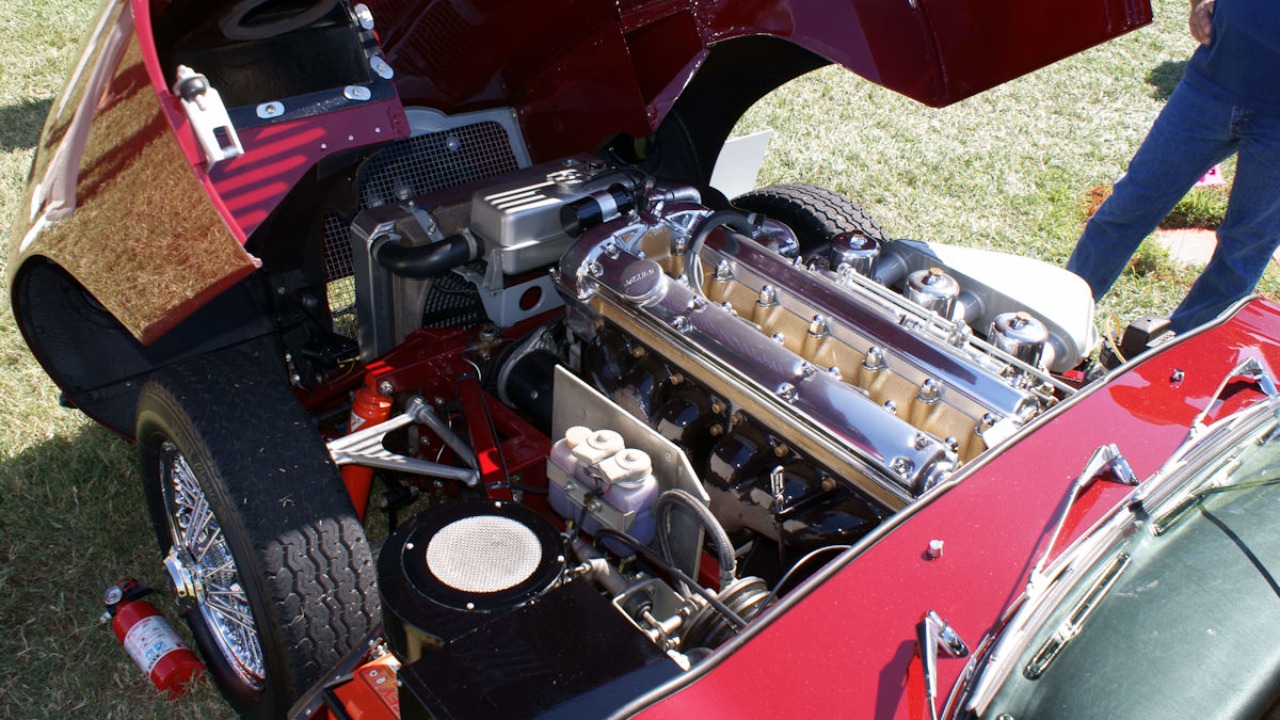
The Jaguar XK inline-6 engine, first introduced in 1949, was a game-changer for British performance cars. This 3.4-liter engine produced an impressive 160 horsepower, allowing models like the Jaguar XK120 to reach speeds of over 120 mph, making it the world’s fastest production car at the time. Its smooth power delivery and refined performance made it a favorite among enthusiasts and luxury drivers alike.
The XK engine featured an advanced overhead cam design, which was relatively rare for its time. This innovation contributed to its reputation for high-revving capability and responsiveness. The engine was used in various Jaguar models until the late 1980s, firmly establishing itself as a core part of the brand’s identity, representing elegance and performance in the automotive world.
Toyota K-Series Inline-4 Engine
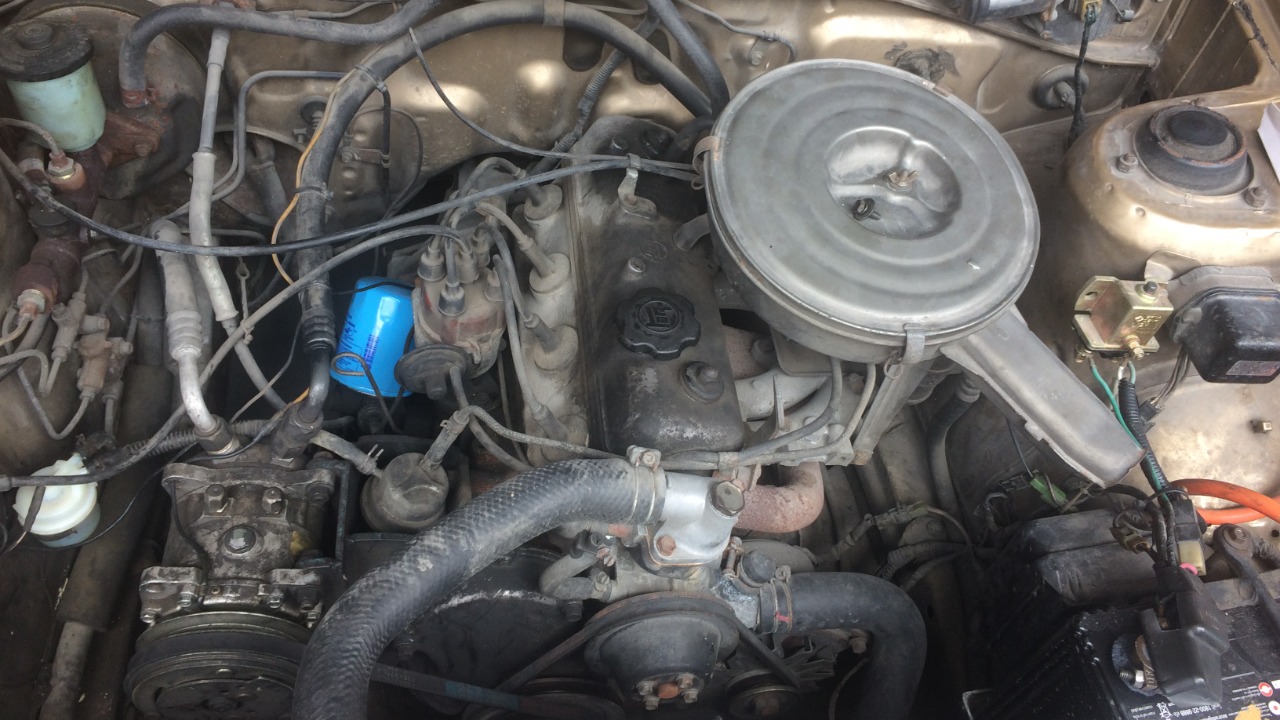
The Toyota K-Series inline-4 engine, introduced in the early 1960s, was a pivotal component in many of the brand’s early models. This engine family was known for its durability and efficiency, powering vehicles like the Toyota Corona and the classic Toyota Land Cruiser during its formative years. The K-Series offered a balance of power and fuel economy, making it a popular choice among consumers and businesses alike.
With various displacements ranging from 1.2 to 1.6 liters, the K-Series engine provided reliable performance for a wide array of applications. Its engineering paved the way for Toyota’s reputation for producing long-lasting and dependable vehicles. The K-Series served as the backbone for many of Toyota’s early successes and set the stage for the company’s later innovations in engine technology.
Porsche Flat-6 Engine
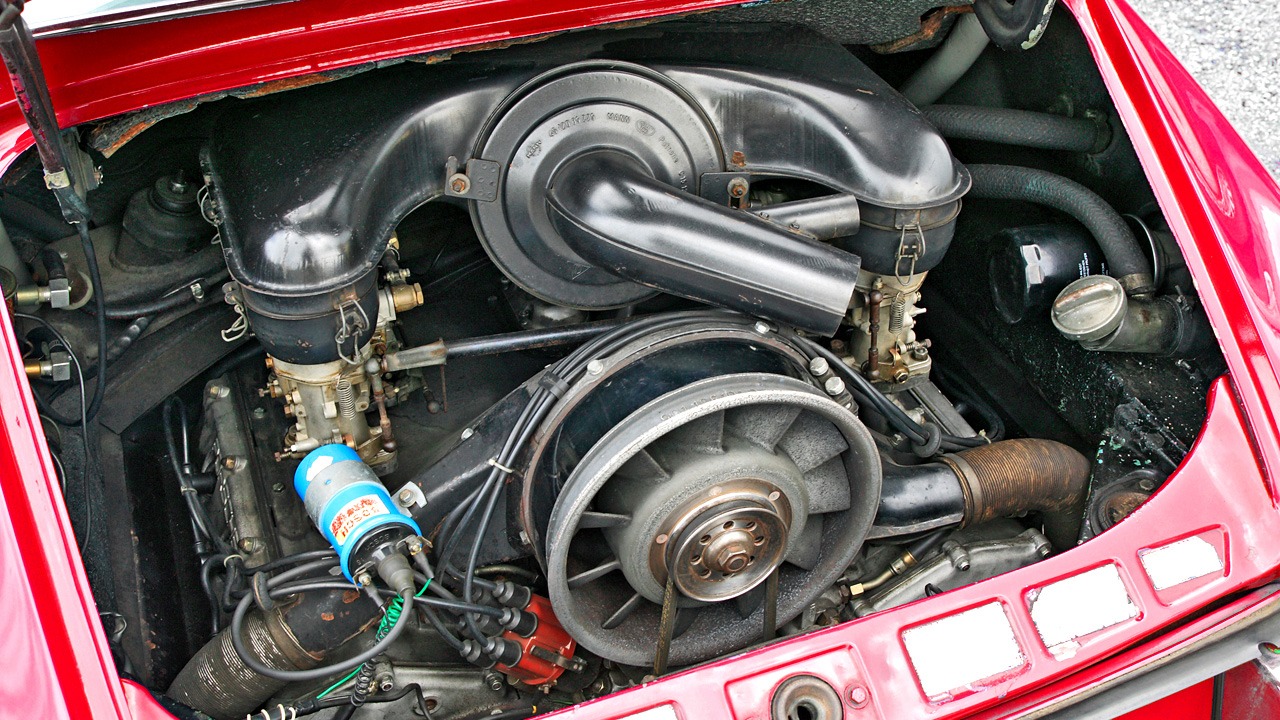
The Porsche flat-6 engine is a hallmark of the brand’s performance ethos, first introduced in the iconic 911 in 1964. This air-cooled engine quickly became synonymous with the brand, offering a unique sound and a distinctive driving experience. The original 2.0-liter version produced 130 horsepower, but over the decades, it has evolved significantly, with modern variants reaching upwards of 700 horsepower in models like the Porsche 911 Turbo.
The flat-6 design allows for a lower center of gravity, improving handling and stability. This engine has powered countless race-winning cars and has become a vital component of Porsche’s racing heritage. The flat-6’s combination of performance and engineering excellence has solidified its place in automotive history, making it a revered choice among enthusiasts and collectors alike.
Mercedes-Benz OM617 Diesel Engine
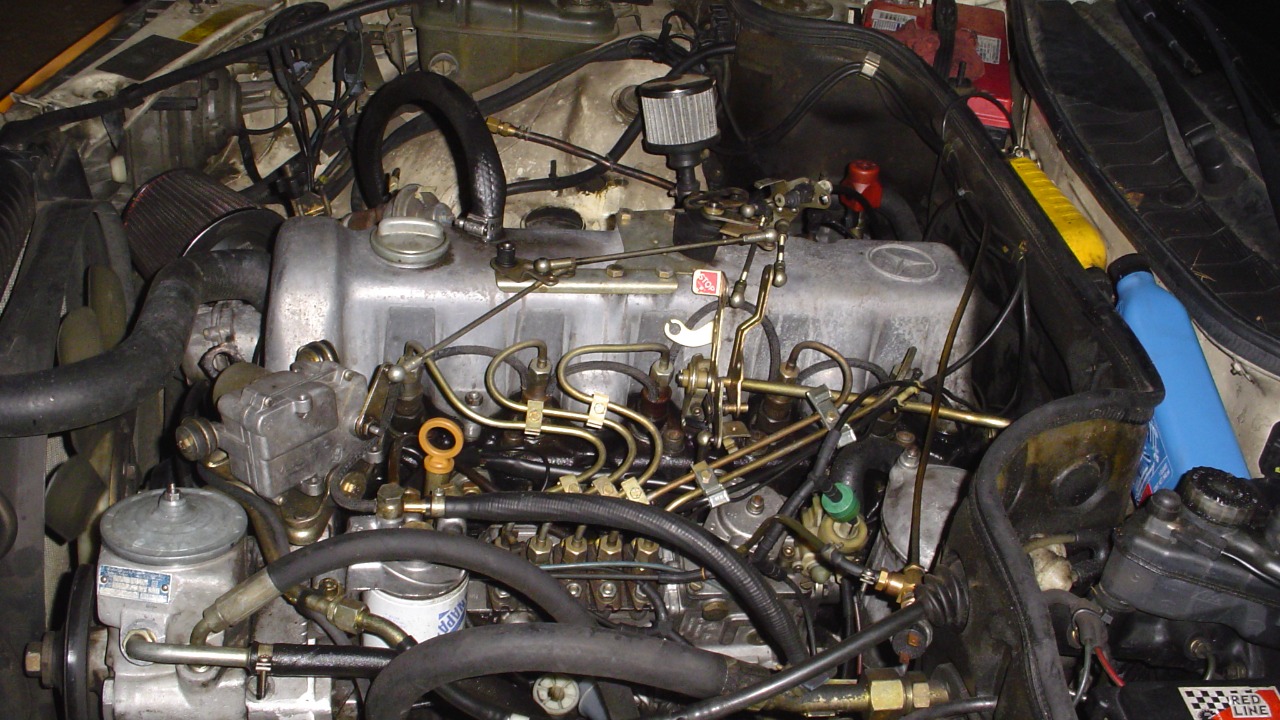
The Mercedes-Benz OM617 diesel engine, produced from 1974 to 1985, is celebrated for its durability and efficiency. This 3.0-liter inline-5 engine was famously used in the W123 series and became a favorite for long-distance travel due to its exceptional fuel economy and reliability. The OM617 produced around 60 to 70 horsepower, but its real strength lay in its longevity; many examples are still on the road today, even after hundreds of thousands of miles.
This engine showcased Mercedes-Benz’s commitment to engineering excellence and paved the way for increased diesel popularity in passenger cars. Its robust design and straightforward maintenance requirements made it a practical choice for many drivers seeking reliability over raw power. Moreover, the OM617 helped establish Mercedes-Benz’s reputation in the diesel market, influencing future generations of diesel engines across the automotive industry.
Honda K-Series Inline-4 Engine
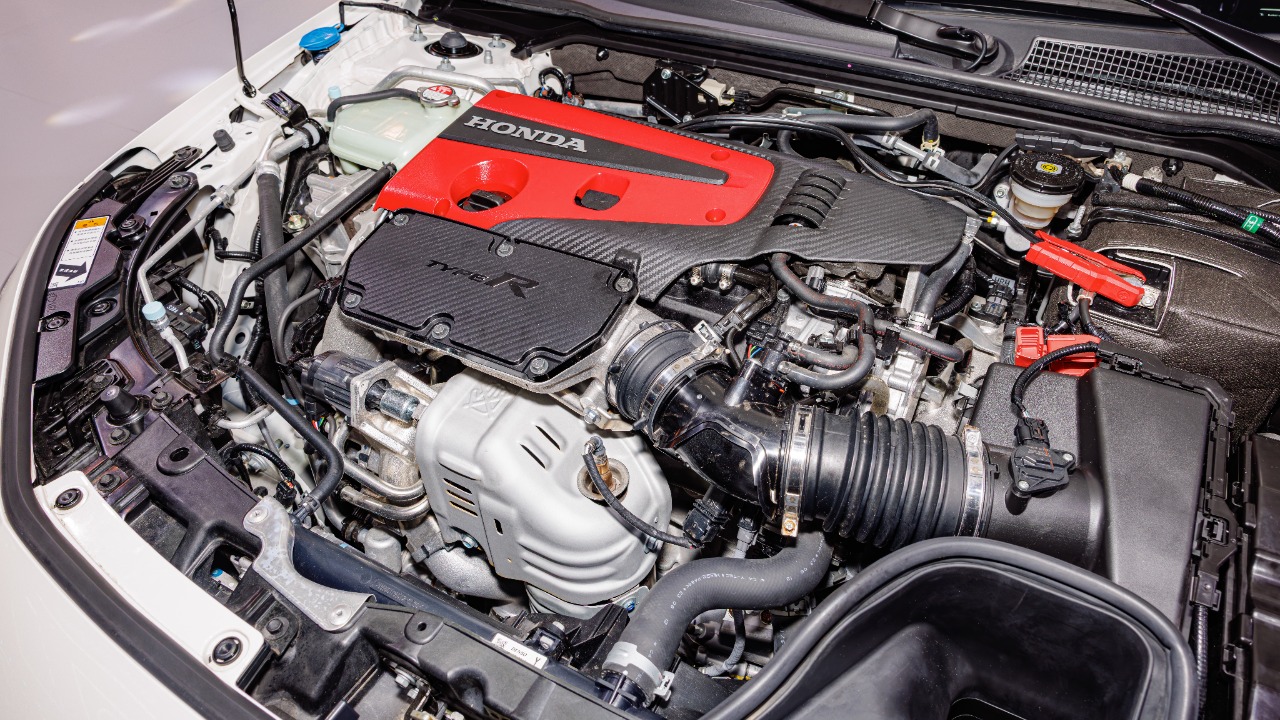
The Honda K-Series inline-4 engine, introduced in 2001, has become a cornerstone of Honda’s engineering prowess. This series of engines is known for its high-revving nature and efficiency, featuring a DOHC design that allows for improved airflow and performance. The K20 variant, for example, produces around 200 horsepower in models like the Honda Civic Si, making it a popular choice for both daily drivers and performance enthusiasts.
Honda’s K-Series engines have been lauded for their tuning potential, with a vast aftermarket support network that allows enthusiasts to extract even more power. Its lightweight construction and versatile design have made it a favorite for swaps in various platforms. The K-Series is not just an engine; it’s a testament to Honda’s ability to balance performance and reliability, cementing its place in automotive history.
BMW M10 Inline-4 Engine
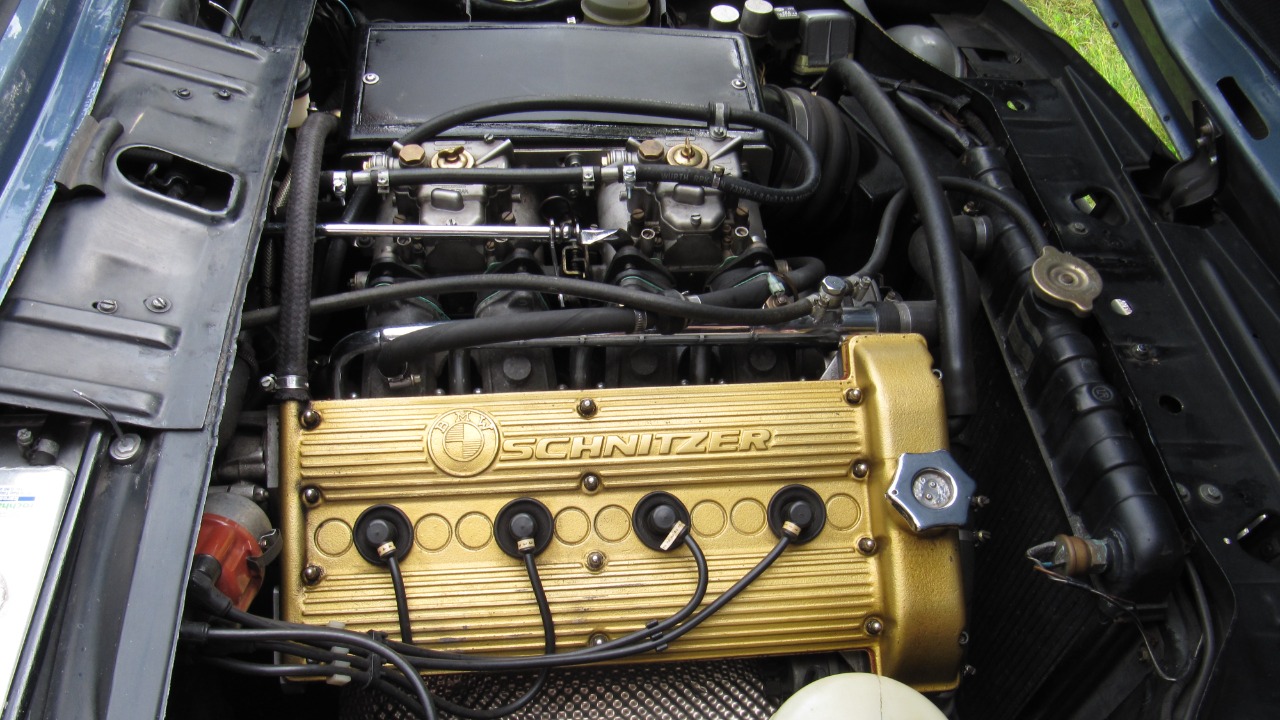
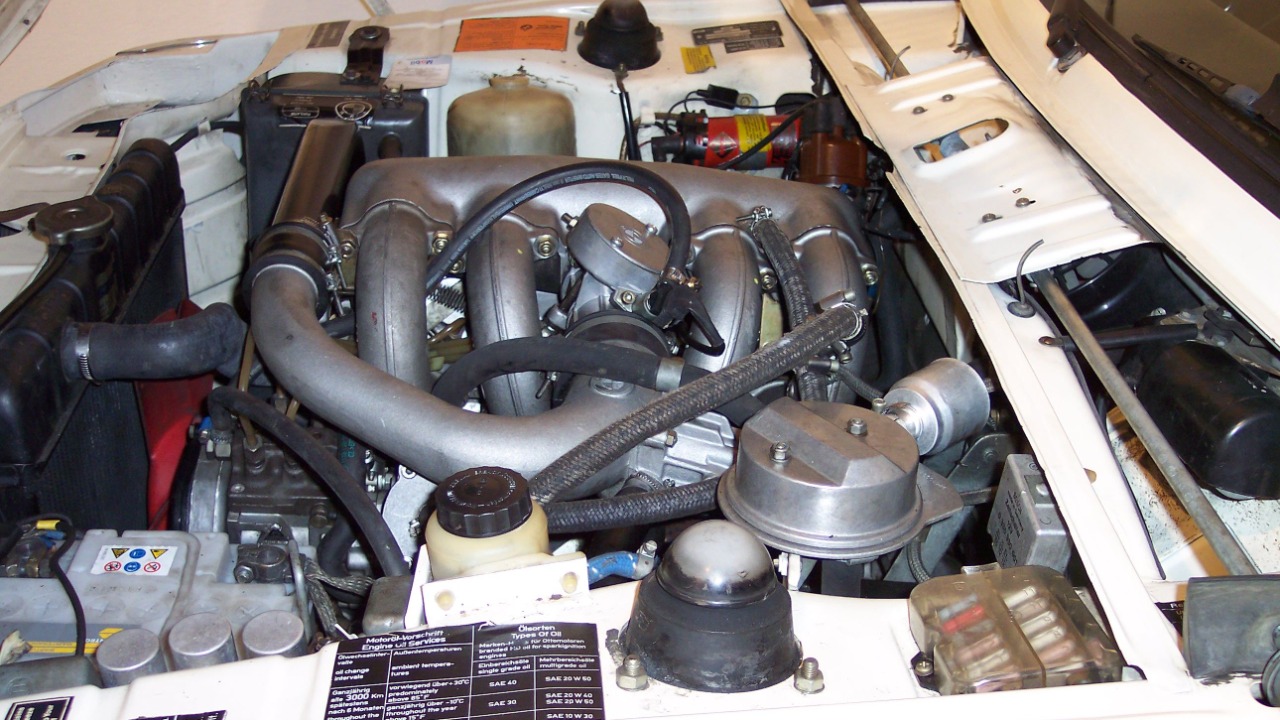
The BMW M10 inline-4 engine, introduced in 1962, is a legendary powerplant that has left a lasting legacy in the automotive world. Originally designed for the BMW 1500, the M10 quickly made a name for itself due to its lightweight design and sporty performance. With displacements ranging from 1.5 to 2.0 liters, the M10 became a favorite for enthusiasts, powering a variety of BMW models through the 1980s.
Its engineering excellence also made it a popular choice for motorsports, helping to establish BMW as a formidable contender in racing. The M10 laid the groundwork for future BMW engines, showcasing the brand’s commitment to performance and driving dynamics. Even today, enthusiasts appreciate the M10 for its tuning potential and robust design, ensuring its place in the annals of automotive history.
More from Fast Lane Only
- Unboxing the WWII Jeep in a Crate
- 15 rare Chevys collectors are quietly buying
- 10 underrated V8s still worth hunting down
- Police notice this before you even roll window down
*Research for this article included AI assistance, with all final content reviewed by human editors.