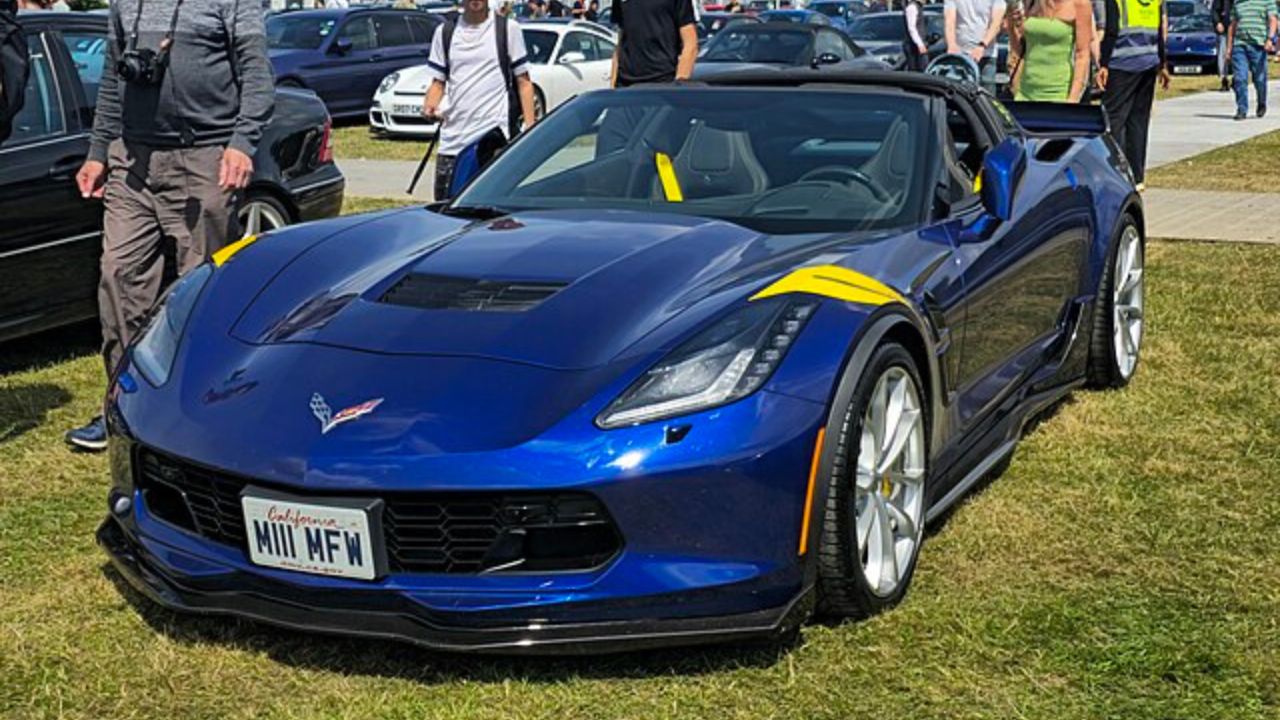
The 2010 Corvette Grand Sport arrived at a delicate moment for America’s sports car, just as the C6 generation was aging and the market was shifting toward ever more extreme performance. Instead of chasing bigger numbers at any cost, Chevrolet reached back into its own playbook and revived a classic idea: a wide, track-focused Corvette that kept its naturally aspirated heart. In doing so, the Grand Sport reconnected the modern car to one of the most storied names in Corvette history and quietly reset the benchmark for real‑world performance.
I see that car as the point where heritage and practicality finally shook hands. It was quick enough to bother supercars, civil enough to drive every day, and steeped in a racing lineage that stretched back to the 1960s. That balance, more than any single spec figure, is what made the 2010 Grand Sport feel like a genuine revival rather than a nostalgia badge.
From Zora’s secret weapon to a modern mission
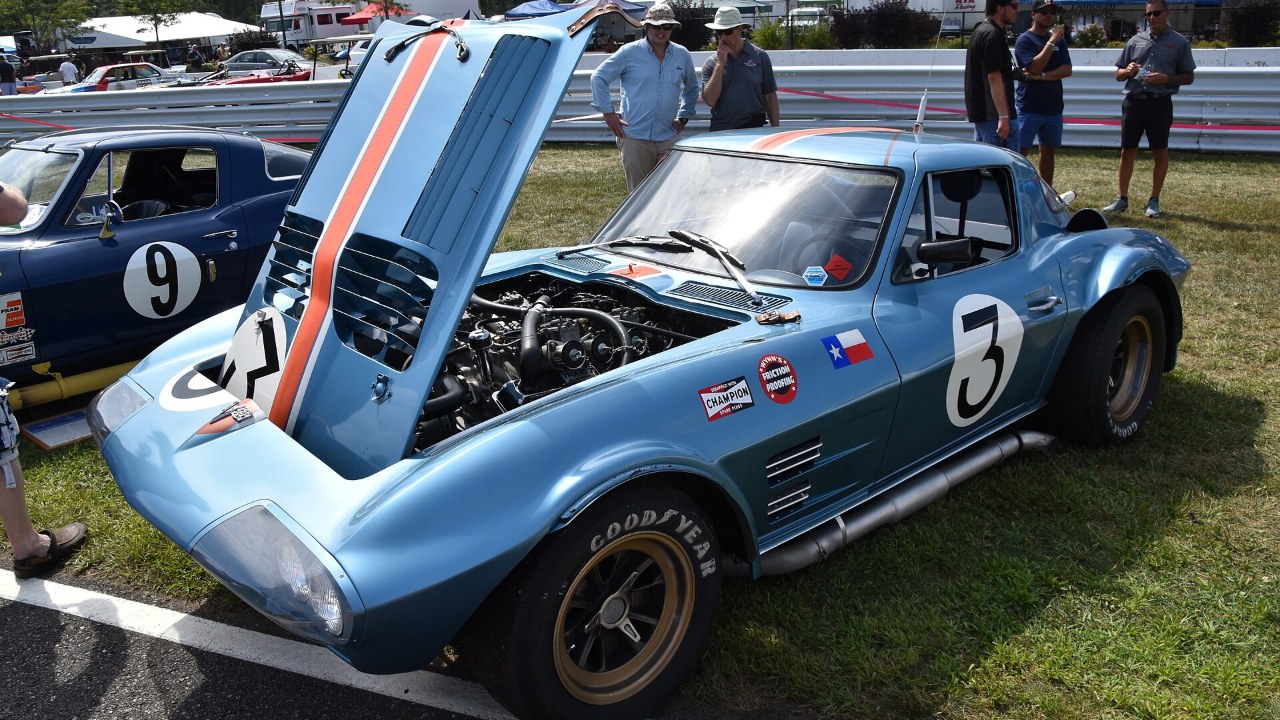
To understand why the 2010 Grand Sport mattered, I have to start with the original. In the early 1960s, engineer Zora Arkus Duntov pushed the Chevrolet Corvette into international racing with a small run of lightweight cars that wore the Chevrolet Corvette Grand Sport name. Those machines were stripped down, fitted with heavy duty power brakes and race hardware, and intended to take on the world’s best before corporate politics cut the program short, leaving the legend larger than the production run ever was, as chronicled in detailed history of the Corvette.
By the time the C6 generation rolled around, that story had become part of Corvette folklore, a touchstone for fans who loved the idea of a car that blended race car stance with road car usability. When Chevrolet decided to bring the Grand Sport name back for 2010, it was not just dusting off an old badge, it was reconnecting the showroom Corvette to Zora Arkus Duntov’s unfinished business. That historical weight is why the name Chevrolet Corvette Grand Sport still carries a charge for enthusiasts decades after those first cars tried to pave the way.
How the 2010 Grand Sport rewrote the C6 formula
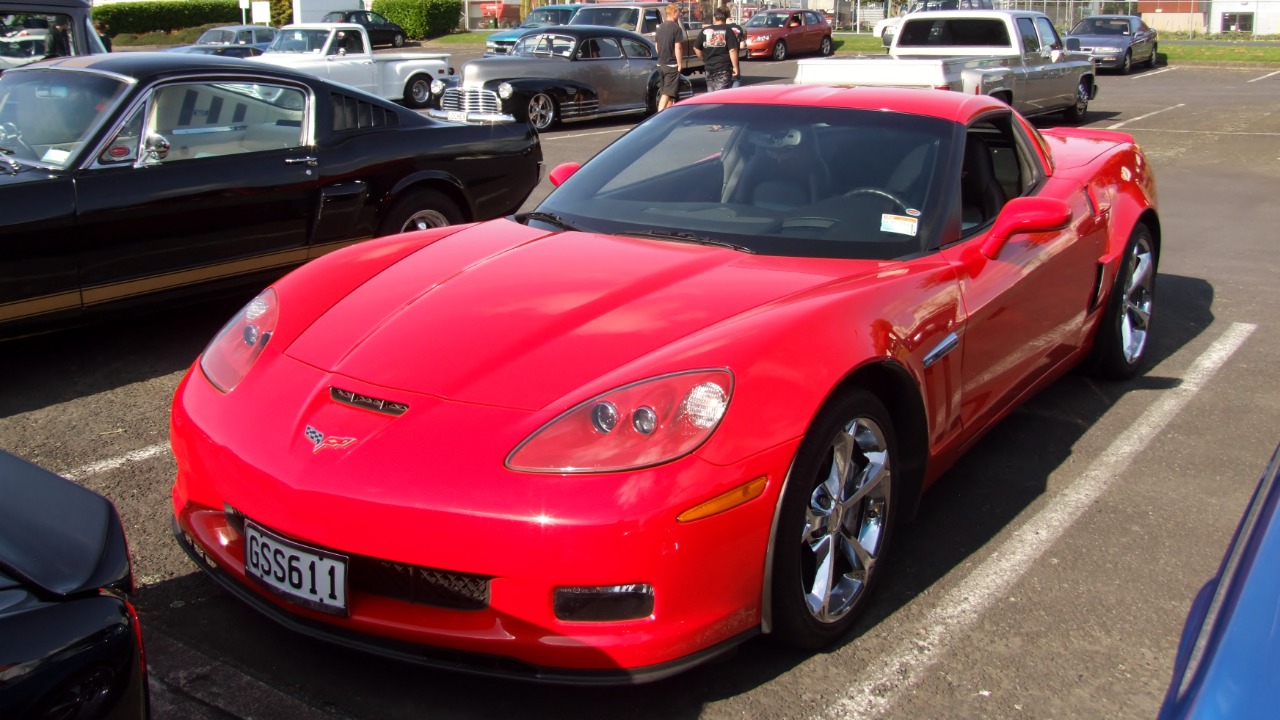
On paper, the 2010 Grand Sport looked deceptively simple, and that was its genius. Chevrolet took the standard Corvette’s LS3 based powertrain and paired it with wide body styling, a wider track, and a suspension package that had been sharpened with racing in mind. According to factory specifications, the new Grand Sport combined that LS3 engine with unique gearing, larger brakes, and specific aerodynamic tweaks so that the package delivered more grip and shorter stopping distances without resorting to forced induction, a blend laid out in the official 2010 Corvette specs.
From behind the wheel, that meant the car felt like a Corvette turned up to eleven rather than a different animal entirely. Its suspension tuning and wider footprint gave it a planted, eager character that made track days less intimidating and back roads more rewarding, while the LS3’s naturally aspirated response kept the driving experience linear and approachable. That mix of familiar power and upgraded chassis is exactly why the Grand Sport became such a sweet spot in the C6 lineup, a car that could be driven hard without demanding race driver reflexes.
Debut, design, and the wide body statement
The way Chevrolet introduced the car signaled how seriously it took the Grand Sport revival. The Corvette team pulled the wraps off the 2010 Chevrolet Corvette Grand Sport at the National Corvette Museum for the C5/C6 Registry Birthday Bash, using that gathering of die hard owners to showcase a long list of performance and cosmetic enhancements. That setting, described in coverage of the event that notes how the announcement came while fans were at the National Corvette Museum for the Registry Birthday Bash, underscored that this was a car built with the faithful in mind, as detailed in the report on the Grand Sport debut.
Visually, the Grand Sport leaned hard into that audience. The wide fenders, functional brake cooling ducts, and unique wheels gave it a stance that echoed the more extreme Z06, while still clearly signaling that this was a different flavor of Corvette. Contemporary analysis pointed out that the visual differences separating the Grand Sport from the base car were not just for show, they were tied to its wider track and upgraded hardware, a point reinforced in breakdowns of the 2010 to 2013 Chevrolet C6 Corvette Grand Sport that explain how Chevy watched earlier special editions rise in value and decided to apply that idea to its aging C6, as explored in a detailed look at Grand Sport prices and specs.
Replacing Z51 and redefining the “sweet spot”
Under the skin, the 2010 Grand Sport did more than add parts, it reshuffled the entire Corvette lineup. The Grand Sport Corvette effectively replaced the previously offered Z51 package, taking over the role of the handling focused model while adding its own identity and the option of a removable top. That shift meant buyers who once would have checked a box for firmer suspension now stepped into a distinct model with its own bodywork and tuning, a change laid out in the comprehensive Grand Sport Corvette guide.
From my perspective, that move crystallized the Grand Sport’s mission as the Corvette for people who wanted real track capability without stepping up to the more specialized Z06 or ZR1. It offered a unique blend of performance and amenities, with a suspension package that approached the capability of the Z06 while keeping the comfort and equipment level of the regular car. That balance is captured in technical summaries that describe how the Grand Sport, with its special equipment, delivered a mix of speed and livability that appealed to a broad slice of buyers, a point echoed in the Grand Sport Registry overview.
Performance benchmark and real world impact
On the road and track, the 2010 C6 Grand Sport quickly earned a reputation as a performance benchmark for naturally aspirated sports cars. Enthusiast analyses describe how the C6 Grand Sport redefined the formula by combining Z06 derived bodywork with a naturally aspirated V8, a manual transmission, and track ready handling that did not punish the driver on the street. That combination of hardware and tuning is why some owners still point to the Grand Sport as the moment when the Corvette found a modern balance between raw pace and everyday usability, a view supported by detailed discussions of how the Grand Sport became known as The Performance Benchmark.
Instrumented testing backed up that reputation. Road test reports noted that the Grand Sport name carries a lot of historical significance within Corvette’s racing lineage, but for 2010 the moniker was attached to a car that could sprint to 60 miles per hour in a handful of seconds and cover the quarter mile at 115 miles per hour while still being comfortable enough for long highway drives. Those numbers, paired with the car’s composure under braking and in high speed corners, showed how the Grand Sport delivered on its promise of track capable performance without sacrificing its role as a road car, as captured in the detailed road test of the Grand Sport.
Production popularity and enthusiast validation
The market’s response to the 2010 Grand Sport was just as telling as the test numbers. Production data for the 2010 model year Corvette show that the Grand Sport was a particularly popular edition of that year, with buyers gravitating toward its mix of visual drama and performance hardware across Coupes, Convertibles, Z06, ZR1, and Grand Sports. That popularity is spelled out in breakdowns that explore 2010 Corvette Production Numbers and Options and note how the Grand Sport emerged as a standout among the various body styles and trims, as detailed in the analysis of Corvette Production Numbers and Options.
For me, the real validation came from how quickly the car was embraced by track day regulars and club racers. Its blend of durability, speed, and relatively accessible pricing made it a favorite in paddocks where owners wanted something they could drive to the circuit, flog all weekend, and then drive home. That dual nature was on display in early test drives where journalists like Frank Marcus of Motor Trend took the 2010 Chevrolet Corvette Grand Sport around the General Motors proving grounds in Milford Michigan and highlighted how composed it felt at high speed, a perspective captured in the first test video that helped cement its reputation.
Why the Grand Sport formula still resonates
Looking back now, I see the 2010 Grand Sport as a turning point that quietly influenced how Chevrolet and other brands think about performance variants. Instead of chasing ever higher horsepower, it focused on chassis tuning, braking, and real world usability, a philosophy that has since become common in “clubsport” and “track pack” models across the industry. The Grand Sport showed that there was a strong audience for a car that sat between the base model and the all out track weapon, and that insight has echoed through later generations of Corvette and its rivals.
That is why the Grand Sport name still feels alive rather than archival. The 2010 car did not just revive a classic badge, it revived a way of thinking about performance that put balance ahead of bragging rights. By blending the LS3 based powertrain with wide body styling, a wider track, and racing bred suspension tuning, as laid out in the official specifications for the Grand Sport, Chevrolet created a Corvette that honored its past while pointing toward a more nuanced future for American performance, a legacy that continues to shape how I think about the ideal sports car.
More from Fast Lane Only: