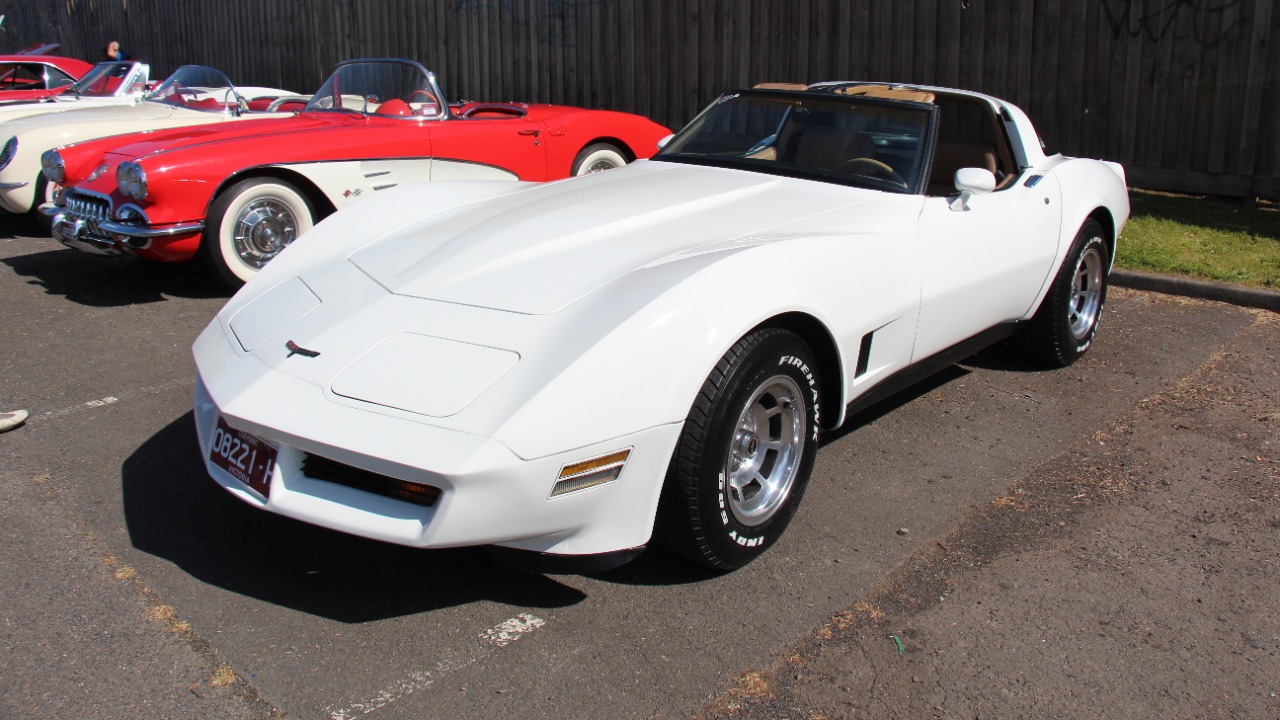
The 1981 Corvette arrived at a crossroads for America’s sports car, carrying the familiar long-hood, short-deck silhouette that had defined the third generation while quietly rewriting the script underneath. It was the last full model year before the C3 bowed out, and it captured the moment when the original Stingray spirit gave way to a more refined, emissions-conscious, automatic‑leaning future. When I look at this car, I see less a footnote and more a final chapter that closes the book on the classic Stingray era.
Styling barely changed, but the way the 1981 Corvette was built, powered, and driven signaled that the raw, analog Stingray of the late 1960s was gone. What remained was a transitional machine, one that blended new materials and comfort features with a body that had become an icon, and in doing so, it marked the end of that first, unfiltered interpretation of Corvette performance.
The last stand of the C3 shape
By 1981, the third‑generation body had been on the road for well over a decade, and its curves were as recognizable as any American performance car. The Chevrolet Corvette C3, introduced for the 1968 model year, had carried the brand from the late muscle era through fuel crises and tightening regulations, and it would remain in production until 1982, when it finally gave way to the C4. That long run meant the 1981 model sat right at the tail end of a generation that, as The Chevrolet Corvette record shows, stretched from 1967 until 1982 and defined the brand’s image for an entire generation of drivers.
That familiar bodywork was more than nostalgia, it was the last visual link to the original Stingray concept that had debuted in the 1960s. The third‑generation Corvette had arrived with a dramatic, flowing design that evolved from the second‑generation Sting Ray and carried the name into the 1970s, before the badging and marketing shifted. As one retrospective on when a Corvette is a Sting Ray or a Stingray explains, the third‑generation car debuted as a spiritual successor to the earlier Sting Ray and carried that lineage forward until the name was revived again with the seventh‑generation Corvette in 2014, long after the C3 had left the stage.
From raw Stingray to refined grand tourer
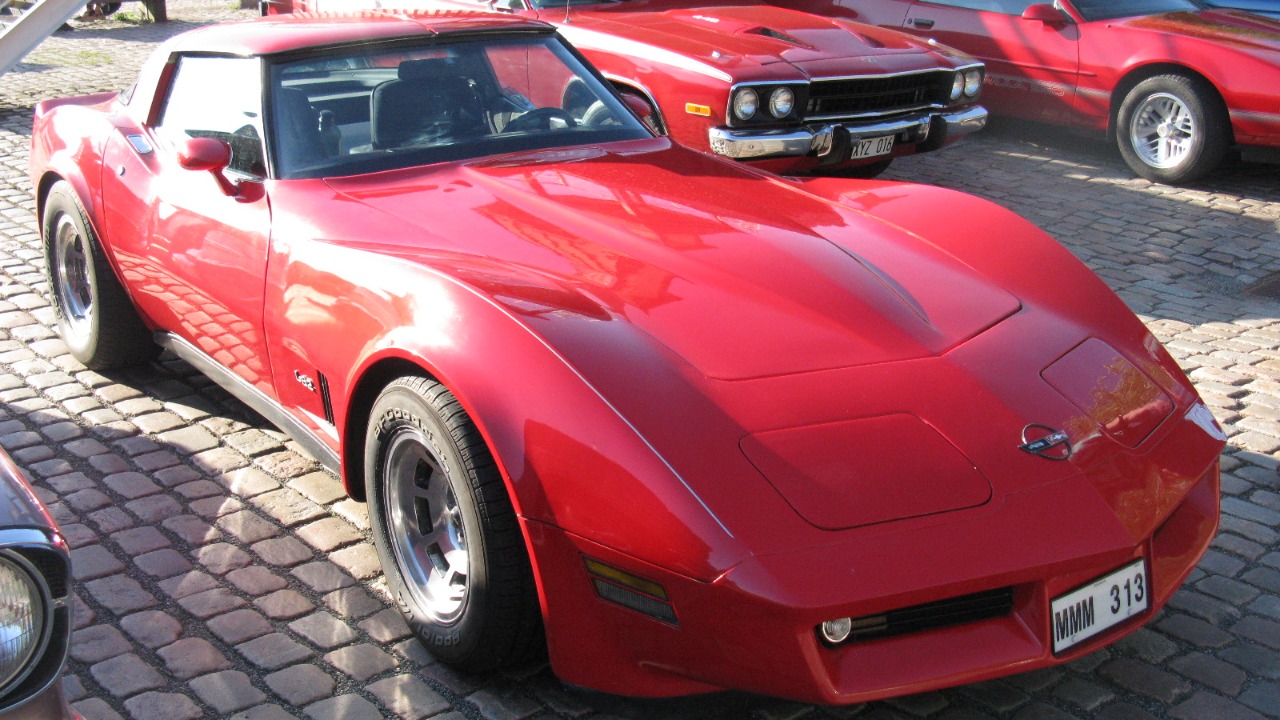
What really separates the 1981 Corvette from its late‑1960s ancestors is not the shape, it is the mission. The early C3s leaned heavily on big‑block power and a more aggressive personality, but by the early 1980s the car had shifted toward comfort and drivability. As emissions rules tightened and horsepower dropped in the 1970s, Corvette engineers leaned further into luxury, and the 1981 model reflects that pivot with its emphasis on convenience features and automatic transmissions over raw output.
Inside, the car moved even further from the stripped‑down sports car vibe that had defined the earliest Stingrays. A detailed breakdown of 1981 CORVETTE AESTHETICS notes that, while very few aesthetic changes occurred that year, the most notable was an interior upgrade that improved comfort and introduced the ability for the seats to recline, a change captured in the line that begins “While very few aesthetic changes occurred in 1981.” That kind of detail might sound minor, but it underlines how the car was being tuned for longer drives and broader appeal, not just weekend blasts on back roads.
Technology that pointed beyond the Stingray past
Under the skin, the 1981 model quietly introduced technologies that belonged to a different era than the original Stingray. Engineers were not just tweaking carburetors, they were rethinking how the car was built. For 1981, Corvette engineers trod where none had gone before by developing what was described as the world’s first and only fiberglass‑reinforced composite rear leaf spring, a component that reduced weight and earned a Society of Plastic Engineers Grand Award, signaling a shift toward advanced materials that would become more common in later generations.
The cabin also reflected a more modern approach to equipment. The 1981 Corvette specs list a long roster of standard and optional features, including dual‑unit retractable headlamps and Electric, Twin remote control sport mirrors that were operated by switches on the center console, along with carpeted doors with map pockets and other convenience touches. Those Electric, Twin mirrors in particular show how the car was embracing power accessories that would have felt out of place on the more bare‑bones Stingrays of the 1960s, but fit right in on an early‑1980s grand tourer.
The transmission shift that closed a chapter
If there is one mechanical decision that captures why 1981 feels like the end of the original Stingray era, it is the way the car was shifted. Earlier Corvettes had built their reputations on manual gearboxes, but by the early 1980s, buyer behavior and engineering priorities were changing. A detailed look at the period notes that a four‑speed manual transmission made its last appearance in 1981, and, according to the Corvette Black Book, Mike Antonick recorded that only a small fraction of buyers chose stick‑shifts that year, reflecting changing buyer preferences that favored automatics. That turning point is laid out in the analysis that begins “According to the Corvette Black Book, Mike Antonick,” which ties the data directly to the 1981 model year.
That shift away from manual gearboxes did not happen in a vacuum. As the 1970s wore on and horsepower declined, the broader trend, documented in a history of Corvette transmissions, was that more and more buyers chose the automatic, and by the time the 1981 car arrived, the manual was already on borrowed time. The broader shifting‑gears story shows how emissions rules and changing expectations pushed Corvette toward smoother, less labor‑intensive driving, a far cry from the clutch‑heavy, high‑revving experience that had defined the original Stingray years.
A quiet farewell before the C4 arrived
From the outside, the 1981 model did not scream “finale,” and that is part of what makes it so interesting to me. There were some exterior color differences over the 1980 to 1982 period and some interior color differences, but by and large the car looked familiar, even as its role was changing. A period overview of the 1980‑1982 Chevrolet Corvette notes that, while the styling stayed largely consistent, the engineering focus was already moving toward the cleaner, more modern package that would arrive with the next generation, including experiments with a mechanical fuel injection system that pointed to the future. That context is captured in the discussion that begins “There were some exterior color differences over the three model year period,” which frames 1981 as part of a broader end‑of‑era arc.
Even the production story hints at transition. The 1981 Corvette specs compiled by the National Corvette Museum show a car that was heavily standardized, with a single basic engine configuration and a long list of comfort and convenience features that would have been unimaginable on the earliest C3s. That same 1981 Corvette documentation underscores how the model year balanced its familiar fiberglass body with new materials, upgraded interiors, and a drivetrain mix that leaned toward automatic transmissions, all of which set the stage for the C4 that would arrive the following year and fully break from the original Stingray template.
More from Fast Lane Only: