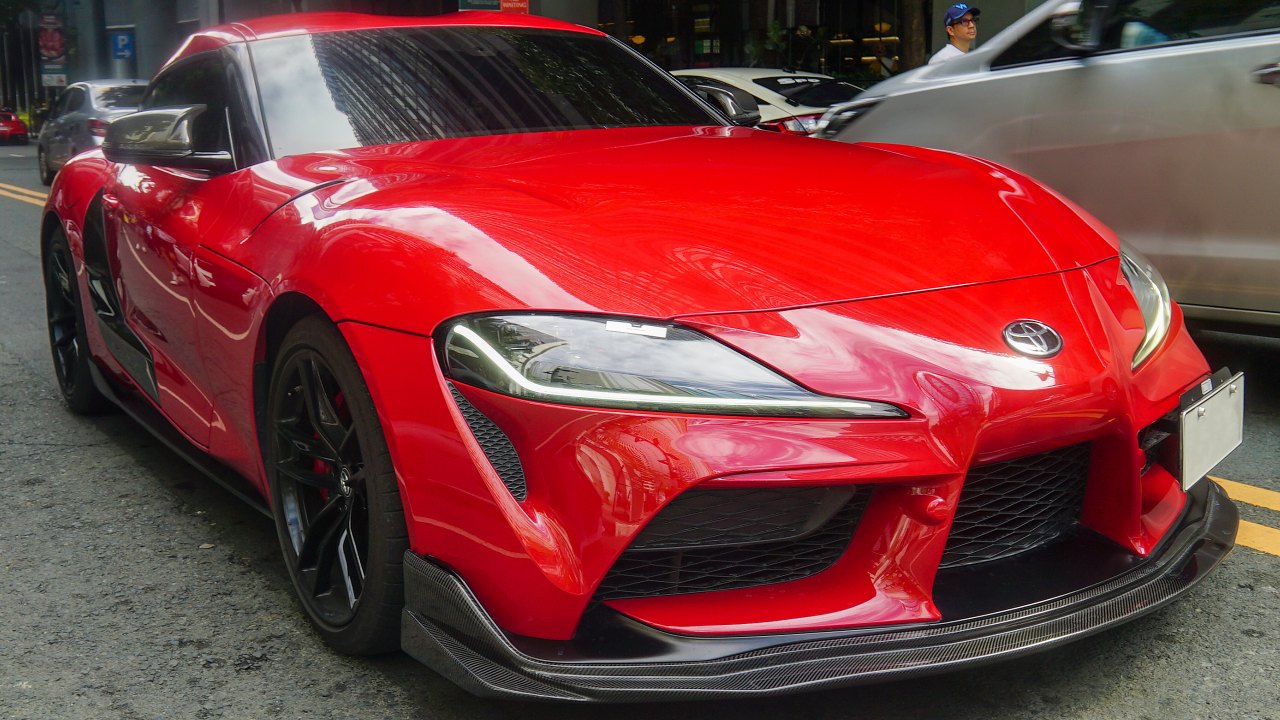
The 2020 Toyota GR Supra arrived with more baggage than almost any modern sports car, carrying two decades of nostalgia and a fan base that had already decided what it should be. Once the launch hype faded and owners started living with the car, the conversation shifted from memes and expectations to how this reborn Supra actually performed, felt, and held up in daily use. That is when the car finally had to answer to real expectations, not just the legend on its badge.
The weight of a legend meets a very modern sports car
By the time the 2020 Supra reached showrooms, it had already been framed as one of the most anticipated returns in performance-car history. Toyota itself leaned into that narrative, describing how the Supra nameplate was coming back after a 21 year absence and positioning the car as a halo model for enthusiasts. The company launched the fifth generation in two main trims, 3.0 and 3.0 Premium, with a limited Launch Edition and a focus on compact dimensions, a short wheelbase, and a front engine, rear drive layout that echoed earlier generations. That setup, combined with a turbocharged inline six and an electronically controlled differential, signaled that Toyota was serious about making the car feel like a proper sports coupe rather than a styling exercise.
At the same time, Toyota’s own materials made clear that this was not a retro remake but a thoroughly modern machine. The Supra was introduced with a quick shifting ZF 8 speed automatic transmission and no manual option in the lineup, a decision that immediately set expectations for how the car would be used and who it was aimed at. Official previews highlighted the 3.0 Premium grade, with its upgraded interior and technology, and emphasized that the Supra would be available later in the year with a relatively compact model range rather than a sprawling set of variants. From the start, then, the car was positioned as a focused, high tech sports car that would live or die on how it drove, not on how closely it copied the old formula.
First drives: fast, fun, and not quite what purists ordered
Once early drives began, the Supra’s core character emerged quickly: it was quick, playful, and more polished than some fans expected. Reviewers consistently praised the way the turbocharged six worked with the ZF 8 speed automatic, noting that the transmission shifted rapidly and cleanly and that the powertrain felt eager both on the road and on track. Several early tests described the car as simply a fun car to drive, with sharp turn in, strong grip, and a chassis that encouraged drivers to explore its limits without feeling nervous. The compact size and short wheelbase helped it feel agile, while the electronically controlled differential and stability systems kept the car composed when pushed.
Yet those same first impressions also highlighted where the new Supra diverged from the fantasy many enthusiasts had built up. Some critics pointed to the styling, noting that the body was covered in vents, ducts, and air intakes that were not all functional, which they found disappointing on a car with such a performance focused image. Inside, the use of familiar German switchgear and an infotainment system that was essentially standard iDrive reminded drivers that this was a joint project, not a pure in house Toyota effort. For some, that mix of thrilling dynamics and shared components created a disconnect between the Supra they had imagined and the one they were actually driving.
Living with it: daily driver reality and long term verdicts
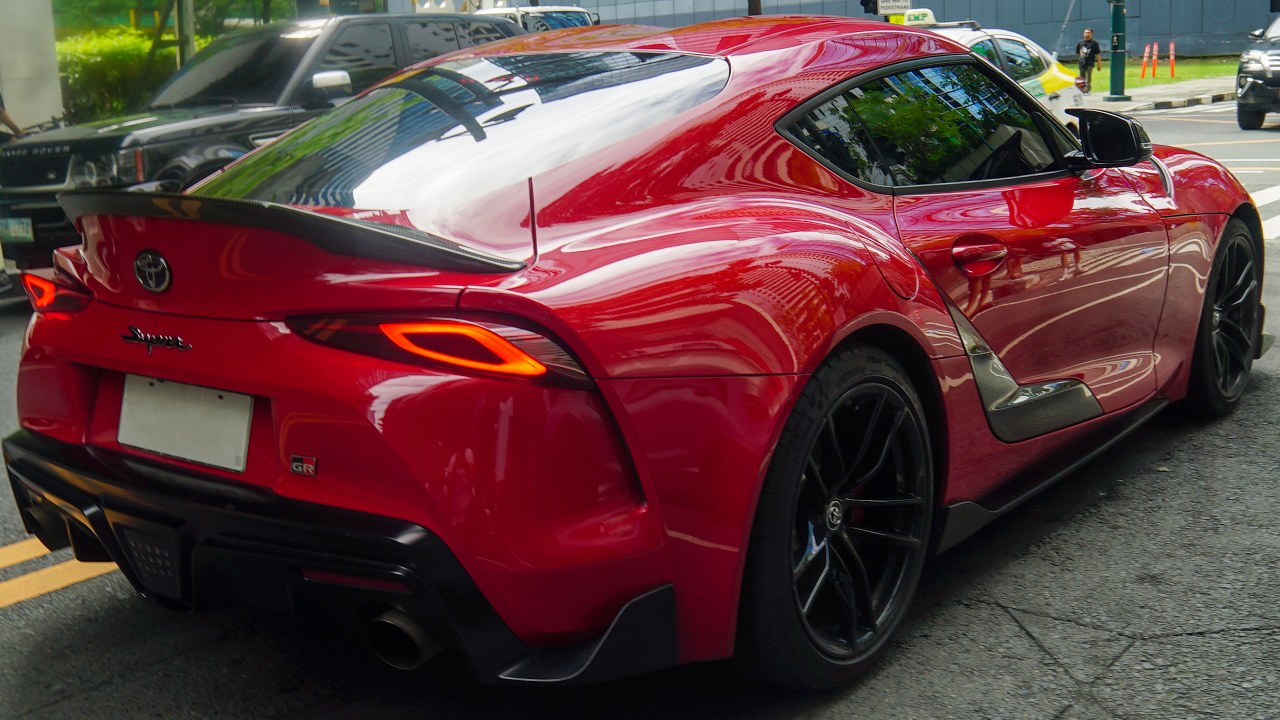
As the months went on and long term tests accumulated miles, the Supra’s strengths and compromises as a daily driver came into sharper focus. Extended reviews described the experience of commuting and running errands in the car as a mixed bag of emotions, with the excitement of its acceleration and handling balanced against practical limitations. The low seating position, thick rear pillars, and small rear window made visibility a recurring complaint, particularly in traffic or tight parking lots. Cabin storage and cargo space were also limited, reinforcing that this was a focused two seater rather than a versatile grand tourer.
On the other hand, those same long term reports found that the Supra could be surprisingly livable when judged as a sports car first. The ride quality, while firm, was generally considered acceptable for daily use, and the seats provided enough support for longer drives. Fuel economy figures around 24/31/26 mpg city, highway, and combined were noted as respectable for a car with this level of performance, which helped soften the blow of using it regularly. Over a full year of testing, one verdict framed the Supra as an eye catching sports car that delivered on its promise of speed and agility, even if some ergonomic quirks and visibility issues kept it from being the perfect all rounder.
Owners speak up: ratings, regrets, and quiet satisfaction
Once early adopters had time to live with their cars, owner feedback added another layer to the picture. On Toyota GR Supra Consumer Reviews, the 2020 model carried an overall score of 3.2 based on 50 reviews, a surprisingly modest number for such a hyped car. Within that group, 44% of respondents gave the car the highest rating, while others were more critical, and 57% marked that they would Recommend this vehicle. Comments often praised the Supra’s power and handling, with several owners noting that the car felt great on the road and delivered the kind of excitement they had hoped for, even if some felt the Value rating of 3.0 reflected concerns about price, equipment, or perceived compromises.
Not all experiences were positive. In one widely discussed example, an owner described how they bought a 2020 Supra and then returned it, asking bluntly what they were missing. That account listed Likes such as strong power delivery, the way the car put its power down safely, and enjoyable handling, but still concluded that the overall package did not justify keeping it. Complaints in that and similar stories tended to focus on cabin feel, technology familiarity, and the sense that the car’s character did not fully align with the buyer’s expectations of what a Supra should be. At the same time, other owners on the same review platforms reported that they had not had a regret since purchasing, underscoring how sharply opinions diverged once the car left the showroom and entered real life.
Did it meet the hype, or redefine it?
Looking back at the first model year, the fairest way to judge the 2020 Supra is to separate myth from measurable performance. On objective terms, the car delivered strong acceleration, precise handling, and a level of everyday usability that many traditional sports cars struggle to match. Multiple reviews framed it as Fast, Furious, and Fun, and long term testing confirmed that the core mechanical package held up well under sustained use. The combination of a turbocharged inline six, rear wheel drive, and a well tuned automatic transmission gave the car a clear identity as a modern, high tech sports coupe that rewarded enthusiastic driving.
Where the Supra struggled was in living up to a legend that had been frozen in time for two decades. Some enthusiasts could not get past the shared components, the lack of a manual gearbox, or the styling details that felt more decorative than functional. Others, including dealers and brand advocates, argued that the 2020 GR Supra exceeded expectations by bringing the nameplate back into the spotlight and attracting a new generation of drivers who cared more about how it drove than about its parts bin. In that sense, the moment the 2020 Supra finally faced real expectations was not at its auto show debut or in its first commercial, but in the quiet accumulation of owner reviews, long term tests, and daily commutes that revealed it as what it is: a very capable, very modern sports car that chose to move the Supra story forward rather than simply replay the past.
More from Fast Lane Only: