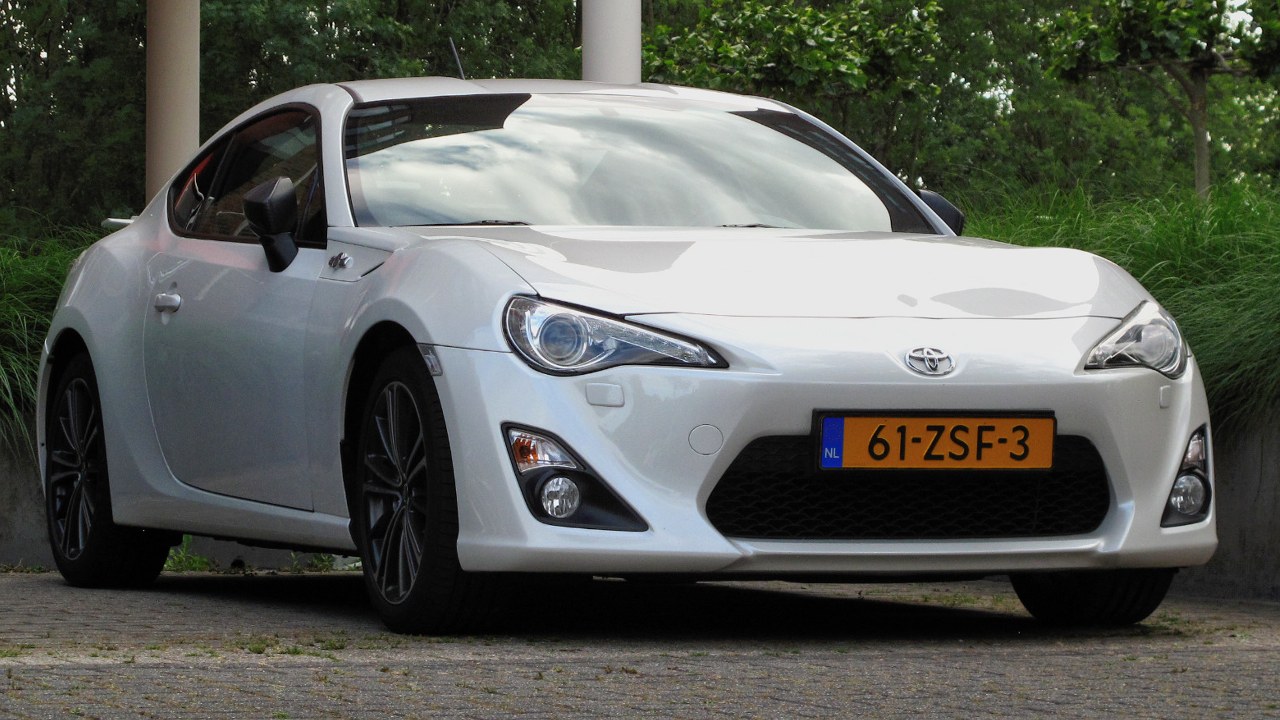
The 2013 Toyota GT86 arrived at a moment when performance cars were chasing ever bigger numbers, yet delivering less and less feel. Instead of joining the power race, Toyota built a light, modestly powered coupé that put steering feedback, chassis balance and driver confidence back at the center of the experience. I see that decision as a deliberate reset, a car designed to remind people that balance, not brute force, is what makes driving engaging.
By pairing a compact rear-wheel-drive platform with a low-slung boxer engine and carefully tuned electronics, the GT86 made accessible, exploitable handling its main selling point. It did not try to outgun turbocharged hot hatches in a straight line, it tried to outtalk them through the steering wheel and seat base. That philosophy is why the car still feels relevant today, long after its headline figures stopped turning heads.
Reclaiming feel in an era of numbers
When the GT86 appeared, the sports-car market was dominated by power outputs, 0 to 60 times and lap records. Toyota went in the opposite direction, setting a clear Development Goal that prioritized “superb handling rather than outright performance,” and then engineering the car around that brief. Instead of chasing huge grip and stability at all costs, the company focused on a chassis that would move around progressively, giving the driver time and information to react.
That intent shows up everywhere in the way the car drives. The naturally aspirated four-cylinder “boxer” engine was chosen as much for its compact, low mounting position as for its output, helping to create a very low center of gravity and a neutral balance between the axles. Toyota then tuned the suspension and stability systems so that, in its sportier settings, the GT86 would allow generous slip angles and lateral movement before intervening, expanding the permissible range of lateral motion rather than shutting it down at the first hint of fun. In an era when many performance cars felt locked down by electronics, this approach put the driver back in charge.
Lightweight engineering and the art of “just enough” grip
The GT86’s engineering team treated weight as the enemy of feel, and the car’s relatively low mass is central to its character. By keeping the structure compact and the powertrain light, Toyota created a platform that responds quickly to steering and throttle inputs, even without huge power. Both the powertrain and the driving position were set as low and as far back as possible to achieve the best balance, with the center of gravity quoted at just 475 mm, a figure more often associated with mid-engined exotics than affordable coupés.
Grip levels were also a conscious choice rather than an afterthought. Engineering the GT86 to handle well on Prius tyres meant the chassis was tuned around relatively modest rubber, with the goal of making the car playful and adjustable at sane road speeds. That decision had a useful side effect: owners who later upgraded to high performance tyres could unlock even more capability from a chassis that had been designed to work hard with less. Instead of masking its dynamics with ultra-wide tyres, the GT86 used “just enough” grip to keep things safe while still letting the driver explore balance and weight transfer.
Heritage, layout and the return of the simple sports coupé
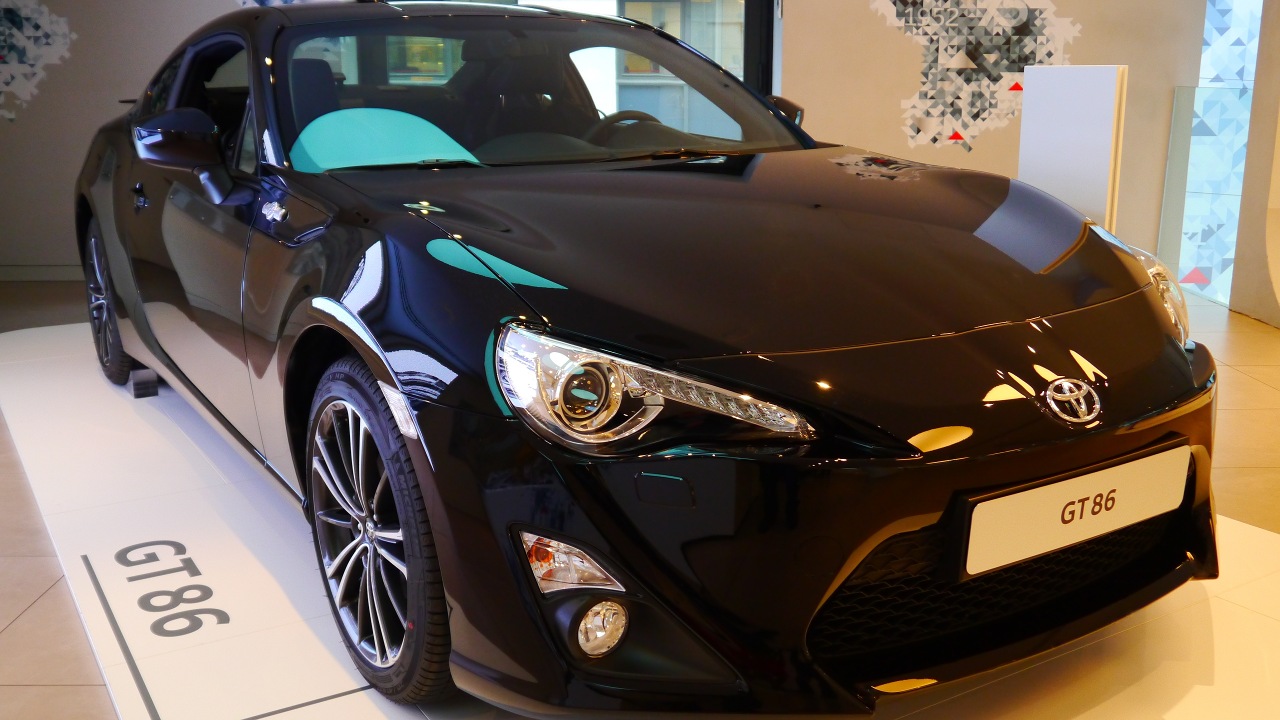
Toyota did not invent the idea of a light, rear-drive coupé with the GT86, it revived a formula that had defined some of its most beloved cars. The company’s own history with the Celica, launched in 1971 with rear-wheel drive powertrains and praised by enthusiasts for their balance, provided a clear template. The GT86 took that lineage and updated it with modern safety, emissions and refinement, but the core idea of a compact, front-engined, rear-drive car built for driver enjoyment remained intact.
The layout itself was chosen to serve that heritage and the handling brief. A front-mounted, horizontally opposed engine kept mass low and allowed the bonnet line to be dropped, improving visibility and helping the driver place the car accurately. Power was sent to the rear wheels through a simple, mechanical drivetrain that favored responsiveness over isolation. By resisting the temptation to add complex all-wheel-drive systems or heavy luxury features, Toyota created a car that felt mechanically honest, closer in spirit to classic Japanese coupés than to the increasingly digital sports cars that surrounded it.
Performance that invites you to work for it
On paper, the GT86’s performance figures look modest, and that is part of why it reset expectations. Independent testing has put its 0 to 62 time at 7.7 seconds, a number that will not win any Top Trumps battles against turbocharged rivals. The Toyota GT86 is a car that more often than not feels like it needs to be revved hard, with peak power arriving at a sky-high 6,400 rpm, and that characteristic shapes the way you drive it.
Because the engine rewards revs rather than low-end torque, exploring the upper reaches of the tachometer becomes part of the fun. I find that the car encourages you to “shift up and push on,” using the precise manual gearbox and the linear power delivery to stay in the sweet spot. That approach turns every on-ramp and back road into a small challenge: can you keep the engine singing, manage your momentum and link corners smoothly, rather than simply relying on a big torque hit to cover mistakes? The result is a car that feels alive at legal speeds, asking the driver to participate rather than spectate.
Accessibility, value and the democratization of balance
One of the GT86’s most important contributions was to make this kind of finely judged handling available at a price that most enthusiasts could realistically consider. Commentators at the time described the 2013 Toyota GT 86, sold as the Scion FR in the United States, as a superb buying value, noting that it delivered rear-drive sports-car dynamics at a price that most can afford. That affordability mattered, because it meant the car was not just a halo product, it was a tool that could actually get into the hands of younger drivers and track-day regulars.
That accessibility extended beyond the sticker price. Reviewers who revisited the car years later argued that if you thought involving affordable sports cars belonged back in history, Toyota’s GT86 was a welcome breath of fresh air, and some even called it a benchmark in its sector. The combination of a simple, robust drivetrain, relatively low running costs and a chassis that rewarded learning made it a natural choice for people who wanted to improve their driving, not just their acceleration times. By prioritizing balance, feedback and value over raw speed, the GT86 quietly shifted the conversation about what a modern sports car should be, and reminded the industry that the most memorable drives are rarely the fastest on paper.
More from Fast Lane Only: