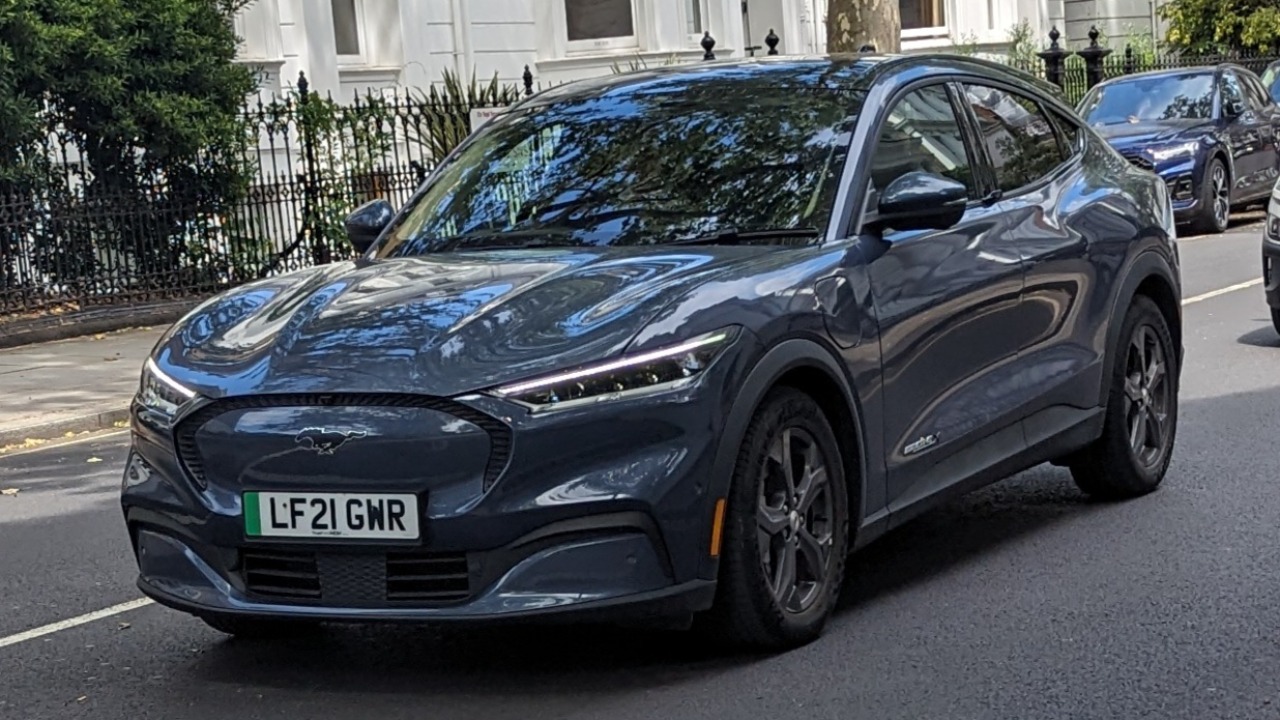
The 2021 Ford Mustang Mach-E did more than add another electric crossover to crowded dealer lots. By putting the pony badge on a battery powered SUV, Ford signaled that its most sacred nameplate was no longer tied to a V8 coupe, but to a broader idea of performance, technology, and relevance in an electric era. I see that moment as the point when Ford stopped treating electrification as a side project and instead rewrote what “Mustang” itself could mean.
From sacrilege to strategic bet
For decades, the idea of a Mustang SUV would have sounded like a bad joke, the kind of concept sketch that dies in a design studio trash can. Inside Ford, though, the pressure to build a compelling electric SUV collided with the need for a name that could cut through the noise, and executives ultimately decided the vehicle was worthy of wearing the pony badge that had defined American muscle for generations, turning a once unthinkable Mustang SUV into a calculated risk on brand reinvention that was first detailed in depth in reporting on how the badge decision was made.
That decision did not come lightly, and before the team committed to the Mustang identity, engineers were told to benchmark the vehicle against established performance references so that the electric crossover would feel like a legitimate member of the family rather than a cynical badge job, a process that insiders later described when they explained how, before the decision to make it a Mustang, they were explicitly told to benchmark the vehicles.
Naming the future: Mach, trademarks, and marketing heat
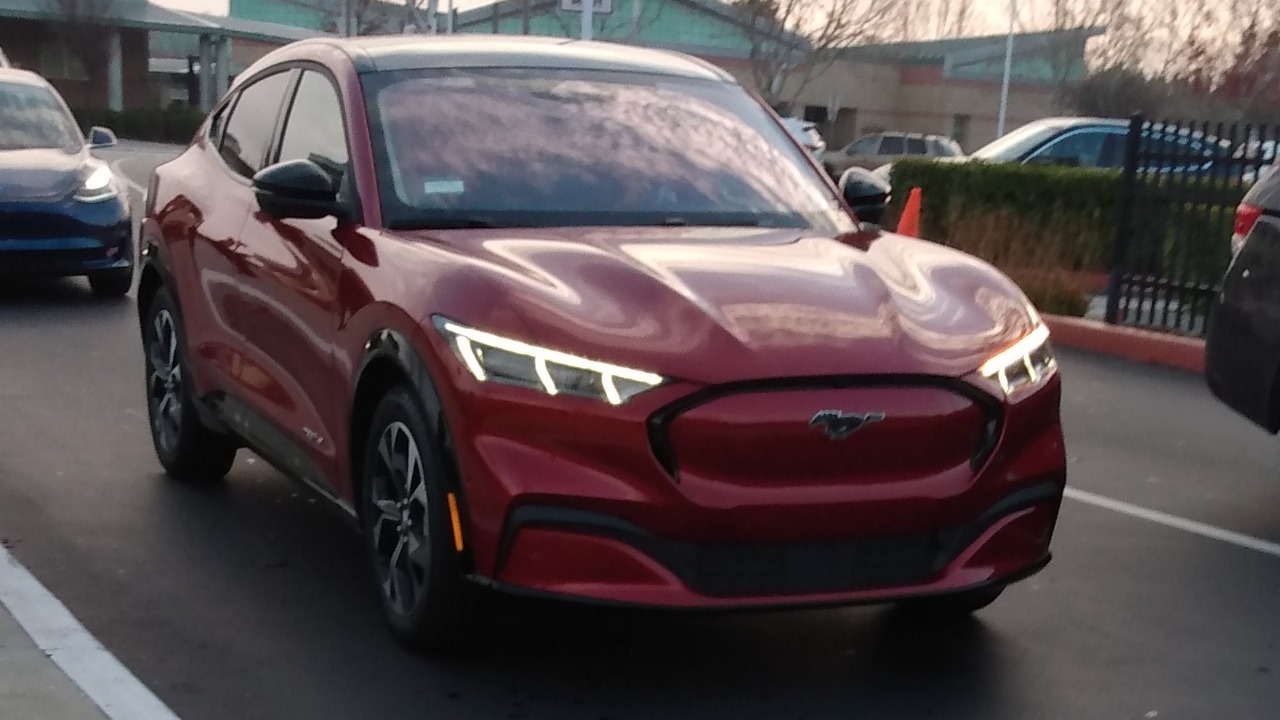
Once Ford committed to an electric performance SUV, the name itself became a battleground, and the company quietly laid the groundwork by securing legal protection for the branding it wanted to build. Earlier in the development cycle, Ford moved to trademark the Mach E name as hype built for the new electric vehicle, with internal discussions noting that The Mustang Mach-E could apply to the upcoming SUV and that Ford had already been generating buzz around the unnamed project at the 2019 Detroit auto show.
Outside the company, enthusiasts quickly grasped that the branding was not just about heritage but about marketing leverage in a market where anonymous electric crossovers risked being ignored, and one widely shared explanation argued that if Ford had called the vehicle something like an E-scape, no one would have noticed it, while calling it a Mustang guaranteed attention, debate, and significant free publicity, a blunt assessment that captured how marketing logic drove the choice to call it a Mustang.
Designing an electric Mustang, not just an electric SUV
Under the sheet metal, The Ford Mustang Mach-E is a battery electric compact crossover SUV produced by Ford, introduced in mid-November 2019 and later recognized with major awards like an SUV of the Year honor, but the more interesting story to me is how its proportions and details were pushed to echo classic pony car cues while still working as a practical family vehicle.
Inside the company, designers have talked about how they approached the project as a journey from Mustang history into an electric future, and in one detailed presentation they walked through the design and technology choices that shaped the Mach-E, explaining where they came from when they started this journey and how they tried to translate Mustang character into a taller, more spacious body, a process that is unpacked in a Nov design and technology discussion.
Reactions from the Mustang community and beyond
Not everyone welcomed this new direction, and some longtime owners felt that putting the pony badge on a crossover diluted what they loved about the car, with one critic who used to own a 2007 Ford Mustang GT describing how that experience showed just how passionate the Ford Mustang Community actually is and how deeply some of them resented the branding move.
At the same time, other enthusiasts gradually warmed to the idea, arguing that in the context of tightening emissions rules and shifting buyer expectations, branding the Mach as a Mustang was not only a clever decision but the only decision that made sense, the move gave Ford a fighting chance to keep the Mustang name relevant in an electric age.
How the Mach-E reframed Ford’s tech image
Beyond the badge, the Mach-E’s cabin and software quietly reset expectations for what a Ford interior could look like, especially for drivers used to analog gauges and small touchscreens. Taking a look at the dashboard, reviewers pointed out that, like Teslas, the Mach comes with a giant center screen that controls pretty much everything from entertainment to climate control, a deliberate choice that signaled Ford was ready to compete on user experience as much as horsepower.
Underneath that screen, the Mach-E introduced a new generation of in-car software, with Ford describing the system as a fresh way to look at and experience Mustang, Using Ford’s new all-electric architecture that places batteries inside the underbody and pairing it with SYNC 4A that can evolve over time while also adding practical touches like a drainable front trunk storage unit, a combination that underscored how the company wanted technology and everyday usability to be part of the Mustang story.
Inside Ford’s performance pitch
Inside Ford’s development centers, the Mach-E was treated as a secretive moonshot, with teams working behind closed doors to figure out how to make an all electric Mustang that could still thrill. One account describes how the walls were covered with images of the vehicle, the Mach lined up with other Mustangs to illustrate how it compared, and how engineers obsessed over the fact that the quickest versions could reach 60 mph in 3.5 seconds, a performance benchmark that helped justify the badge and was later revealed in a detailed look at how the Mach was lined up with other Mustangs and tuned for 3.5 second sprints.
From a historical perspective, the Mach-E also marked the first time Ford built a Mustang that relied entirely on batteries, with dealership explainers noting that The First Mustang Mach-E is very different from its gas-powered counterpart, since the Mustang Mach uses battery packs which power an electric motor instead of a traditional engine.
Why the name still sparks debate
Even among those who like how the Mach-E drives, the question of whether it is “really” a Mustang keeps surfacing, and that tension says a lot about how powerful the original brand remains. The Mach is like no other Mustang before it, and the team behind the Mach realized it would be announced just as other manufacturers were releasing their own EVs, so they leaned on Mustang history to look back on while trying to stand out in a crowded field.
From one-off experiment to long-term pillar
What started as a controversial experiment has since become a core part of Ford’s electric strategy, and the company is now treating the Mach-E as a long-term pillar rather than a short-lived novelty. The Ford Mustang Mach-E has been one of the most talked-about electric crossovers since its debut in 2021, combining performance and practicality in a way that put Ford on the map in the electric vehicle space and prompting the company to push a major redesign back until the end of the decade instead of rushing a replacement.
Looking back now, I see the 2021 Mustang Mach-E as the moment Ford stopped treating electrification as a compliance exercise and instead rewired its most famous nameplate around a future of batteries, software, and crossovers, a shift that is still rippling through the lineup every time a new electric model borrows a cue from that first bold Mustang SUV.
More from Fast Lane Only: