Values for the 1969 COPO Chevelle keep climbing because collectors now recognize how rare, fast, and historically loaded these cars are. The market has shifted from casual nostalgia to serious investment, and the COPO Chevelle sits at the intersection of performance legend, low production, and documented provenance.
The secret-program mystique that fuels demand
Rising prices start with the story, and the COPO Chevelle story feels almost illicit. Chevrolet created the Central Office Production Order system for mundane fleet needs, yet performance insiders used it to bypass corporate limits on engine size. Reporting on the broader COPO program notes that the Central Office Production Order let dealers order cars from the mothership with combinations that normal channels blocked, including big engines in smaller bodies that corporate rules normally banned. That same reporting explains how Chevrolet used this system to build special drag strip packages after the Camaro arrived in 1967, which set the template for later sleeper muscle cars.
The 1969 COPO Chevelle followed that pattern and turned a mid-size grocery getter into a factory hot rod. Coverage of the Chevelle program describes how Chevrolet quietly installed the 427 L72 big block in relatively stripped cars, while Chrysler took a louder, more extroverted approach with its own muscle machines. That contrast matters for collectors, because the COPO Chevelle looks understated yet hides serious hardware, which gives it a sleeper aura that modern buyers prize. Later analysis of the model calls it the ultimate Chevelle-badged sleeper and notes that the project, designed inside Chevrolet, let the Bowtie brand dodge internal limits on displacement and create a genuine muscle icon.
Big-block performance that still feels brutal
Values also rise because the performance still feels shocking in a modern context. Period style coverage and later technical writeups point out that the COPO Chevelle used a 427 cubic inch L72 V8, a race-bred engine that shared much with Chevrolet’s competition hardware. One detailed profile lists the engine as a 427 and notes that the car in question carried that big block as part of a specific COPO configuration. Another technical breakdown of the 427 COPO Chevelle stresses that 425-hp 427s were very serious performance engines and highly respected both on the street and the strip, with The Holley model # 4346 carburetor feeding the big block.
That combination of cubic inches, compression, and relatively light trim created a car that still feels raw. Later retrospectives describe how Chevrolet built these cars with minimal frills, in stark contrast to Chrysler, which often wrapped its power in loud graphics and bold options. The COPO Chevelle instead delivered tire-melting big-block power in stripped bodies, which modern buyers see as a pure expression of the muscle car idea. More recent analysis of the 1969 Chevy Chevelle COPO notes that the Bowtie engineers created a rare 427 L72 powered muscle car icon, and that description aligns with the way collectors now talk about these cars at auctions and private sales.
Documented rarity and the power of provenance
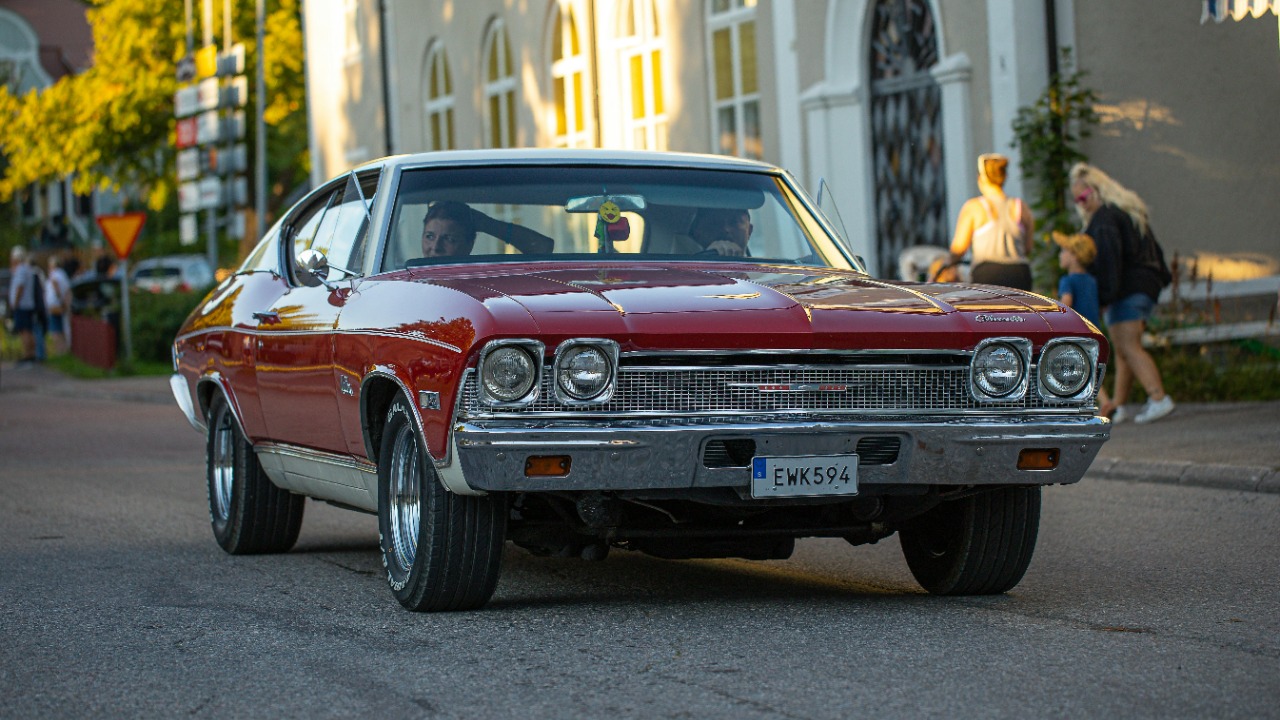
Scarcity alone does not guarantee rising prices, but documented scarcity does, and the COPO Chevelle benefits from that. Market guides that focus on the 1969 Chevrolet Chevelle COPO explain that values vary widely based on condition, mileage, options, and originality, and they frame the model as a distinct configuration rather than just another Chevelle trim. That separation matters because it lets appraisers and buyers treat COPO cars as a specific asset class, with clear premiums for correct drivetrains and verified paperwork. The same valuation tools group the Chevrolet Chevelle COPO with other high-spec muscle cars that rely heavily on documentation to support six-figure prices.
Individual car stories reinforce that point and help push the entire market upward. A feature on a super-rare 1969 Chevrolet COPO Chevelle highlights an original, unrestored example from collector Grady Burch, describing it as arguably the highlight of his stable of top-tier Chevrolets and emphasizing that it is a real-deal factory 427 car. Another listing for a 1969 Chevrolet Chevelle Copo 427 opens with WHAT YOUR ARE LOOKING AT HERE IS A 1969 CHEVROLET CHEVELLE COPO and notes that the car was originally built at the Baltimore Maryland plant before landing in an auto museum in Bristol PA. Stories like these, which tie specific cars to plants, owners, and long-term preservation, give buyers confidence that they are paying for authenticity, not just a badge.
A market that keeps rewarding blue-chip muscle
The broader muscle car market also supports the COPO Chevelle’s climb. A recent overview of the Current Muscle Car Market, dated Jan 18, 2025, notes that Golden Age muscle cars really started to cook in the new millennium and hit a high in the years that followed. That same analysis explains that the long-term value of American muscle cars depends on factors like originality, performance credentials, and cultural impact, all areas where the COPO Chevelle scores strongly. As investors look for tangible assets with a track record, blue-chip muscle from the late 1960s often stands out, and the COPO Chevelle sits near the top of that hierarchy.
Earlier auction data shows how far the model has come. A detailed profile of a 1969 Chevrolet Chevelle COPO 427 notes that this car, Lot 29, sold for $99,000, including buyer’s premium, at Worldwide Auctioneers’ auction in Aubu, with the report dated Dec 6, 2016. The same source includes a Detailing section that lists the Vehicle as a 1969 Chevrolet Chevelle COPO 427 and highlights the 427 engine as a key specification. That six-figure result, recorded almost a decade ago, now looks like an entry point compared with current asking prices for similarly documented cars, and it helps explain why owners feel comfortable holding out for more.
Cultural cachet and the pull of period-correct history
Beyond numbers and specs, the COPO Chevelle benefits from a cultural narrative that keeps gaining weight. Histories of the COPO program describe how Chevrolet used the Central Office Production Order system to create Secret NHRA Warrior packages, including drag-focused Camaros that enthusiasts later called a Faster Pony compared with rival pony cars. Those stories place the COPO Chevelle inside a broader performance lineage that includes factory-backed racing and clever workarounds to corporate rules. When collectors buy a COPO Chevelle today, they are buying into that mythology as much as they are buying steel and cast iron.
Modern retrospectives on the 1969 Chevy Chevelle COPO, including a detailed look back dated Jul 28, 2024, frame the car as a rare 427 L72 powered muscle car icon that turned an ordinary mid-size Chevrolet into a stealth performance weapon. Another narrative piece from Sep 23, 2018, contrasts Chevrolet’s understated approach with Chrysler’s louder strategy and notes that some of these cars were even sent to Canada, which adds an international wrinkle to their history. A separate feature from Sep 27, 2019, that focuses on Grady Burch and his original COPO Chevelle underscores how individual owners help preserve that history, keeping unrestored survivors in the spotlight and reminding buyers that these cars represent a specific moment in American performance culture.