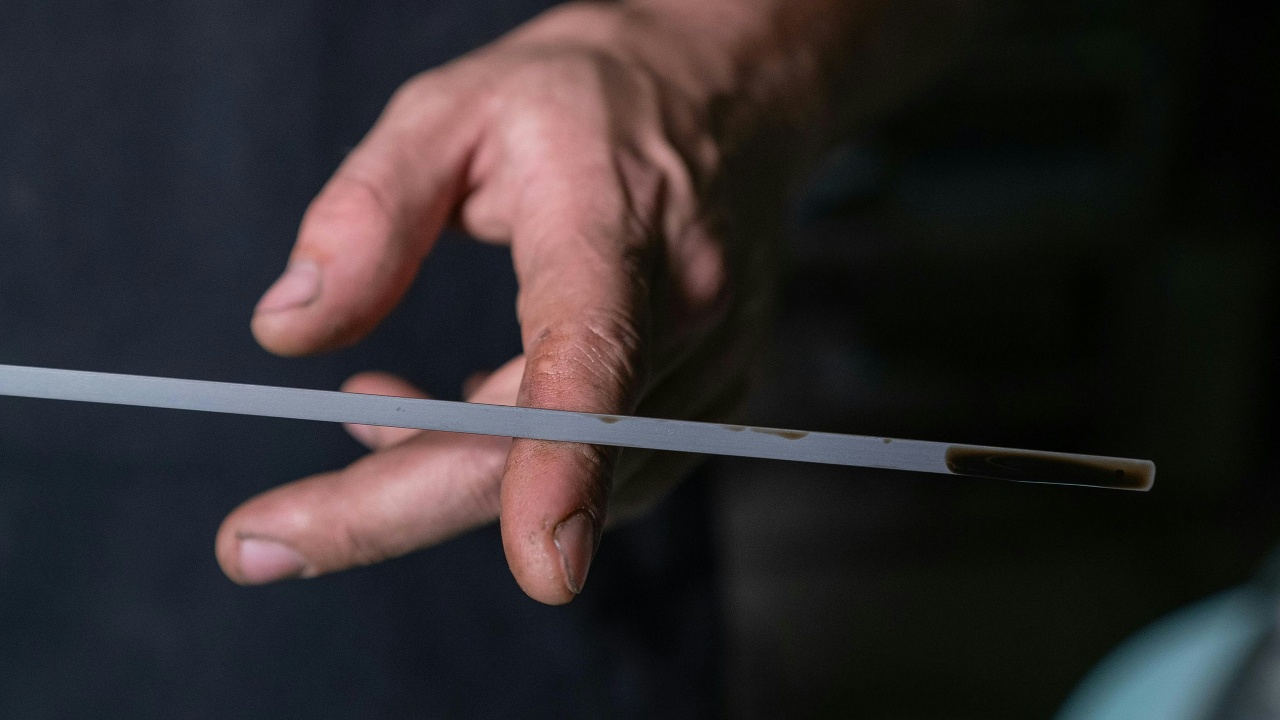
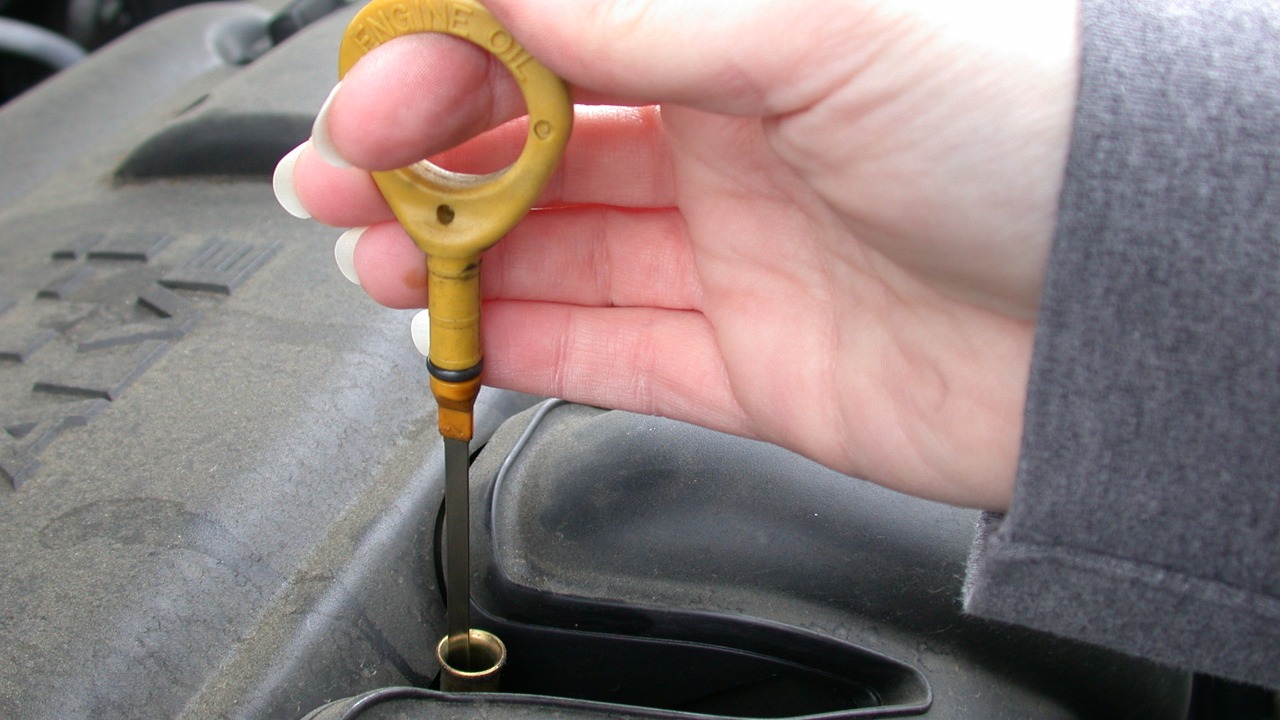
Automakers are quietly erasing one of the simplest tools in the garage: the dipstick. What looks like a small piece of metal is actually a window into a much bigger shift, as carmakers trade hands‑on checks for sealed systems, sensors, and software control.
The move is reshaping how drivers maintain their cars, how independent shops work, and who really controls basic information about a vehicle’s health. I want to unpack why the dipstick is disappearing, what is replacing it, and how much control owners are giving up in the process.
From simple stick to sealed system
The traditional dipstick was a triumph of low tech, a cheap strip of metal that let anyone check oil or transmission fluid in seconds. For decades, it fit the way engines were built and serviced, with open filler necks, visible reservoirs, and plenty of under‑hood access. As powertrains have grown more complex and tightly packaged, that open architecture has given way to sealed, highly engineered systems that are designed to be touched as little as possible, a trend highlighted in dealership explanations of The Evolution of Automotive Technology.
Manufacturers now talk about “lifetime” fluids and closed transmissions, arguing that modern lubricants and tighter tolerances mean owners no longer need to poke around under the hood. Some brands have already removed engine oil dipsticks from models across the luxury and mass‑market spectrum, with Mercedes, BMW, Audi, and some Ford and Cadillac vehicles relying on electronic level sensors instead of a physical stick, a shift owners have been tracking in forum discussions of the disappearing sensor.
Electronics, safety, and the hybrid effect
Under the hood, the same digital revolution that brought advanced driver assistance and over‑the‑air updates is now handling basic fluid checks. Instead of a driver pulling a stick, an engine control unit monitors oil level and quality, then surfaces a warning light or dashboard message when something is wrong. Critics argue that having the ECU manage a simple measurement adds complexity and can be finicky, especially on engines that are sensitive to being even a little low on oil, a frustration captured in complaints about Having the ECU handle what used to be a manual task.
Hybrid powertrains and high‑voltage systems have also changed the risk calculus. Automakers and transmission specialists point out that modern engine bays are crowded with high‑voltage cables and components, and they would rather keep untrained hands away from areas where a wrong move could cause damage or injury. Technical trainers note that “manufacturers don’t really want” owners poking around in these compartments and instead prefer that fluid checks and top‑offs be handled by professionals, a stance reflected in guidance that urges drivers to Leave it to the experts.
Why transmissions lost the dipstick first
Transmissions were the early test case for this shift. Many new automatics, especially continuously variable units, no longer have a user‑accessible dipstick at all. On a Nissan Versa with a CVT, for example, the transmission is sealed from the factory, and checking or changing the fluid requires special tools and procedures that are typically only available at a dealer or specialist shop, a reality that independent mechanics highlight when wrestling with a Nissan Versa CVT on the lift.
Manufacturers argue that modern transmission fluid is more specialized and sensitive to contamination, so they prefer a closed system that is filled precisely at the factory and only opened under controlled conditions. Service bulletins and shop guides warn that running a transmission with low or degraded fluid can quickly lead to expensive failures, yet they also acknowledge that many newer units lack a dipstick by design, leaving owners dependent on scheduled service visits and professional checks to catch problems that a simple stick used to reveal, a trade‑off explained in detail in answers to why transmission dipsticks are disappearing.
The business case: fewer mistakes, more control
Officially, automakers say they are responding to customer behavior and warranty data. Industry talking points claim that research shows a significant share of owners either never check their oil or do it incorrectly, sometimes breaking dipsticks, misreading levels, or contaminating the system. Service writers joke that “You broke it!” is a common refrain when a plastic handle snaps, and internal arguments for deleting the part lean on the idea that fewer touch points mean fewer owner‑induced failures, a rationale laid out in explanations of You and “Our” research into how people actually maintain their cars.
There is also a quieter commercial logic. By routing basic diagnostics through sensors and software, manufacturers can steer more work back to franchised dealers and authorized shops, where proprietary tools and procedures are required to interpret readings or reset service indicators. Some technicians and owners suspect that this is not an accident, pointing to the way sealed transmissions and sensor‑only oil checks limit what can be done in a driveway and push even simple fluid questions into the realm of paid service, a concern echoed in online debates that ask whether cars without dipsticks are built that way intentionally.
What owners gain, what they lose
For drivers who never liked getting their hands dirty, the new approach can feel like progress. Electronic oil level systems can check more often than any owner would, sometimes even measuring quality and temperature to fine‑tune maintenance schedules. Stellantis, for example, has removed the physical dipstick from its Hurricane engines and instead relies on Advanced Oil Monitoring Systems that track level and condition, then help plan service intervals and reduce the risk of improper servicing, a strategy the company describes under the banner of Advanced Oil Monitoring Systems and “One of the” key reasons for the change.
Supporters of the shift argue that drivers are not really losing control, they are trading a crude tool for smarter, more reliable monitoring. Some automaker‑backed explainers insist that dipsticks are dying and that is not a problem, because modern cars can warn owners long before a low level becomes catastrophic, and because many breakdowns still trace back to basic maintenance mistakes that sensors can help prevent, a case made bluntly in pieces titled along the lines of Dipsticks, “Dying,” “Here,” “Why That,” and “Not” an issue.
The backlash and a possible middle ground
Plenty of enthusiasts and independent mechanics are not convinced. They argue that removing a simple, proven tool in favor of software adds failure points and hides useful information from owners. Some point to engines that are known to consume oil and say that relying solely on a warning light is risky, especially if the sensor fails or the calibration is off by even a small margin. Online threads are full of drivers who pop the hood on a new car, only to discover there is no stick to pull, prompting reactions that range from “Really” and “Weird” to detailed complaints that modern engine compartments are so cramped and plastic‑clad that even finding the right spot to check anything has become a chore, as seen in Comments Section posts that start with “Really” and “Weird” and note how the “Engine” bay has changed.
There are signs of a possible compromise. Some brands that went all‑in on electronic oil measurement have faced enough pushback that engineers have reportedly explored bringing back physical sticks on certain engines, with enthusiasts trading notes about adjustable dipstick lengths and how companies like Audi specify exact dimensions for each powerplant, a level of detail that surfaces in discussions of Audi and its approach. At the same time, short explainers and videos keep popping up to answer the same basic question, with creators walking viewers through why engine and transmission dipsticks have vanished from many late‑model cars and pointing back to the same mix of sealed systems, hybrid packaging, and manufacturer preference that has been building for years, a pattern visible in clips tagged with Feb and breakdowns that cite reporting by Muel Trench.
More from Fast Lane Only: