Automakers are pouring billions of dollars into new battery plants because the future of their business now hinges on who controls the cells that power electric vehicles. The race is not just about keeping up with demand, it is about securing supply chains, meeting government rules, and protecting profit margins in a market that is shifting faster than most legacy manufacturers expected.
As I look across the latest factory announcements, joint ventures, and policy moves, a clear pattern emerges: batteries have become the new engine, and companies that do not master this technology risk being locked into expensive, unreliable suppliers. That is why carmakers are scrambling to build or partner on battery plants in North America and Europe even as they juggle cost pressures, political scrutiny, and uncertain consumer demand.
EV demand, policy pressure, and the new battery bottleneck
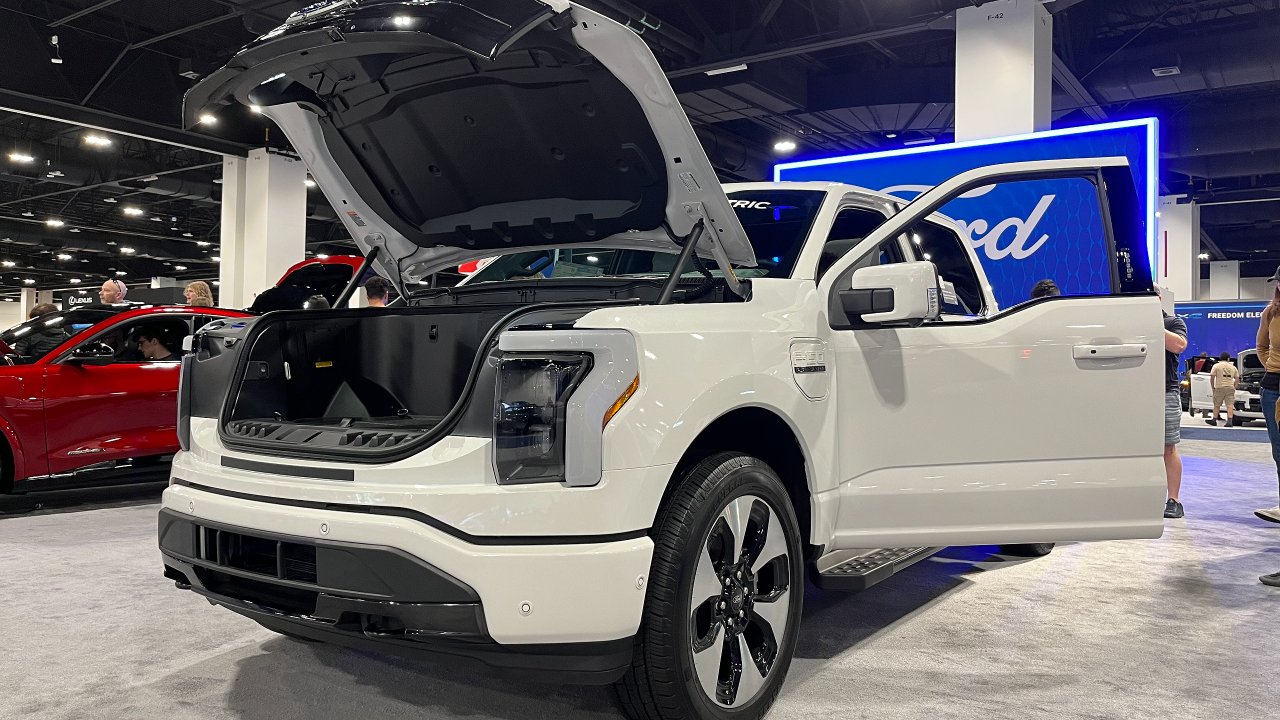
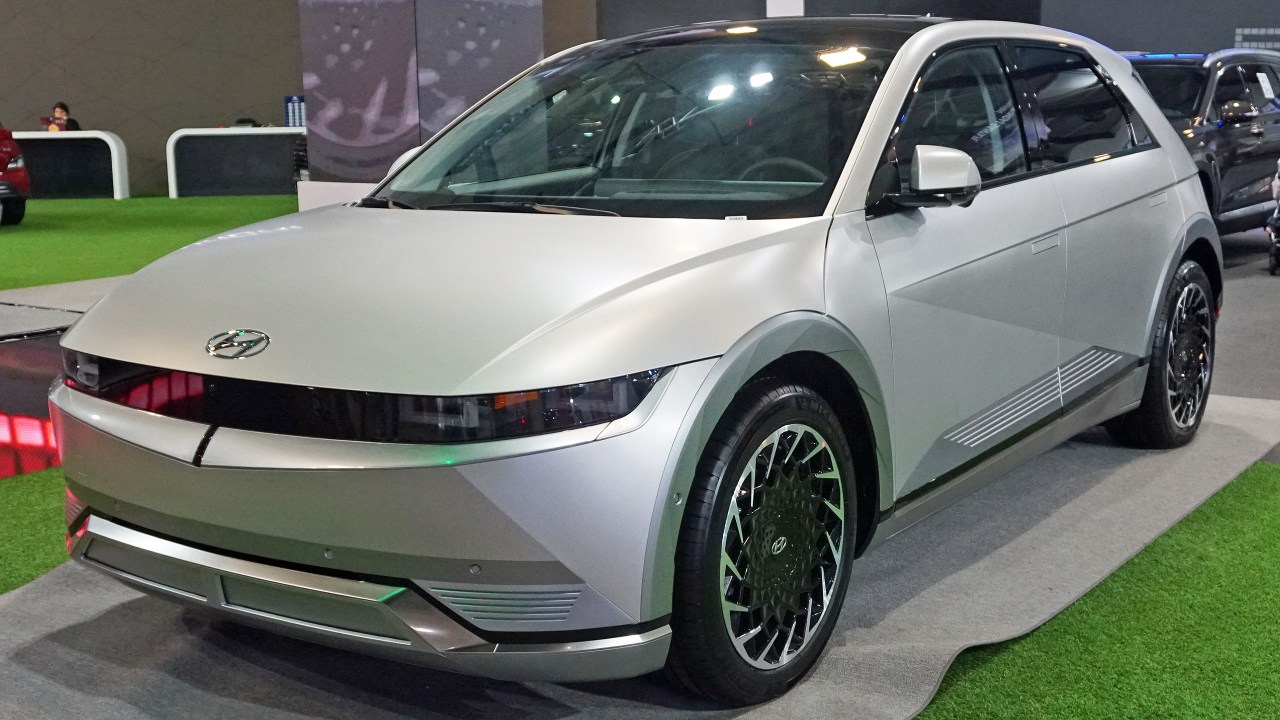
The first reason automakers are racing into battery manufacturing is simple: they see a long-term shift toward electric vehicles, even if short-term sales are choppy. Companies that once treated EVs as niche projects are now committing entire product lines and platforms to battery power, which means they need a steady flow of cells for everything from compact crossovers to full-size pickups. Reporting on recent model launches shows how quickly lineups are tilting toward plug-in options, with vehicles like the Ford F-150 Lightning, Chevrolet Blazer EV, and Hyundai Ioniq 5 moving from the margins into core showroom roles, a shift that only works if battery supply can scale alongside production.
Government policy is amplifying that urgency. In the United States, federal tax credits for EV buyers are now tightly linked to where batteries and their components are made, which pushes automakers to localize cell production if they want their cars to qualify for incentives. Similar rules in Europe, including emissions standards that effectively phase out new combustion-only models over the next decade, are forcing manufacturers to lock in domestic or regional battery capacity. These policy levers, combined with state-level subsidies for factory construction, have turned battery plants into strategic assets rather than optional add-ons, a trend reflected in the wave of announced gigafactories tied to specific EV platforms and incentive packages.
Securing supply chains and cutting dependence on Asian cell makers
A second driver is the desire to reduce dependence on a small group of powerful Asian battery suppliers that have dominated the market for years. Automakers learned during the pandemic and subsequent chip shortage how vulnerable they are when critical components come from far-flung, concentrated sources. Batteries are even more central than semiconductors to the EV transition, so companies are trying to avoid a repeat of that experience by building their own plants or forming deep joint ventures with cell specialists. Recent deals between legacy carmakers and partners such as CATL, LG Energy Solution, SK On, and Panasonic show how the industry is trying to blend in-house control with outside expertise, often by co-locating battery factories next to vehicle assembly plants to cut logistics risk and cost.
Geopolitics is sharpening that supply-chain calculus. Trade tensions and industrial policy in Washington and Brussels are explicitly aimed at reducing reliance on Chinese-made batteries and materials, which has pushed automakers to rethink long-standing sourcing strategies. New rules that limit tax credits for vehicles using components from “foreign entities of concern” effectively penalize heavy dependence on Chinese suppliers, even when those suppliers are technologically advanced and cost competitive. In response, manufacturers are backing projects in the United States, Canada, and Europe that promise local cathode, anode, and cell production, often supported by generous public funding that offsets the higher upfront cost of building in these regions compared with established hubs in China and South Korea.
Cost, margins, and the push to control battery technology
Batteries are the single most expensive part of an electric vehicle, which means whoever controls cell costs has a direct handle on profitability. Automakers that once outsourced engines and transmissions rarely now see batteries as too strategic to leave entirely in supplier hands. By investing in their own plants, they aim to drive down per-kilowatt-hour costs through scale, process improvements, and closer integration between cell design and vehicle engineering. Analysts tracking EV profitability have repeatedly pointed out that even modest reductions in battery costs can turn a money-losing model into a break-even or profitable one, especially in high-volume segments like compact SUVs and fleet vehicles.
Control over battery technology also shapes performance and brand identity. Companies are experimenting with different chemistries, such as lithium iron phosphate (LFP) for lower-cost models and nickel-rich cells for longer-range or performance vehicles, and they want the flexibility to shift mixes as markets evolve. Some manufacturers are betting on next-generation technologies like solid-state batteries, which promise higher energy density and faster charging, and are building pilot plants to move those designs from lab to production. By owning or co-owning the factories, automakers can more quickly adapt cell formats, tweak software integration, and coordinate thermal management systems, all of which feed into real-world range, durability, and warranty costs.
Jobs, politics, and the scramble for local investment
The race to build battery plants is also a political story, especially in the United States where President Donald Trump has made domestic manufacturing a central economic and electoral priority. Large battery projects bring thousands of construction and permanent jobs, along with secondary investment in suppliers and local infrastructure, which makes them highly attractive to state and local governments. Governors and mayors are competing with incentive packages that include tax breaks, land grants, and workforce training funds, and automakers are using that competition to secure better terms for their projects. Recent announcements in states such as Michigan, Tennessee, Georgia, and Kentucky illustrate how battery plants have become centerpieces of regional economic development strategies tied to the broader EV transition.
At the same time, these projects are drawing scrutiny over labor standards, environmental impacts, and the use of public money. Some battery plants are being built as joint ventures that fall outside traditional union contracts, which has sparked organizing drives and political pressure to ensure that new EV jobs match or exceed the wages and benefits of legacy engine and assembly work. Environmental groups are also watching closely, since battery factories consume significant energy and water and rely on materials like lithium, nickel, and cobalt that raise mining and processing concerns. Automakers are responding by highlighting commitments to renewable power, recycling, and more transparent supply chains, but the tension between rapid industrial build-out and local community concerns remains a live issue in many proposed plant locations.
Technology shifts, recycling, and what comes after the first wave of plants
The current surge of battery plant construction is only the first phase of a longer transformation that will reshape how vehicles are built and powered. As EV adoption grows, the industry will have to manage not just the production of new cells but also the flow of used batteries coming back from vehicles and stationary storage. That is why many automakers are pairing new cell factories with recycling facilities or long-term contracts with recyclers that can recover lithium, nickel, cobalt, and other valuable materials. Early commercial recycling operations are already feeding recovered metals back into cathode production, a loop that could reduce dependence on new mining and help stabilize costs over time.
Technology is also evolving quickly enough that some of the plants now under construction may need significant retooling within a decade. Solid-state designs, sodium-ion cells, and other emerging chemistries could change the optimal layout of factories, the sourcing of raw materials, and the performance characteristics of future vehicles. Automakers are trying to hedge that uncertainty by designing flexible production lines and by signing agreements that allow for technology upgrades as new cell designs mature. The companies that manage this transition well will not just have more battery capacity, they will have the right kind of capacity, tuned to the chemistries and formats that win out in the next generation of electric cars, trucks, and buses.
More from Fast Lane Only: