The 1950s were a transformative era for automotive design, blending innovation with a sense of optimism about the future. The aesthetic choices made during this decade were not just about function; they reflected a cultural zeitgeist that celebrated progress, luxury, and individuality. Many vehicle designs from this period continue to evoke a sense of futurism even today, allowing us to appreciate their lasting appeal and influence on modern automotive design.
Iconic Design Elements
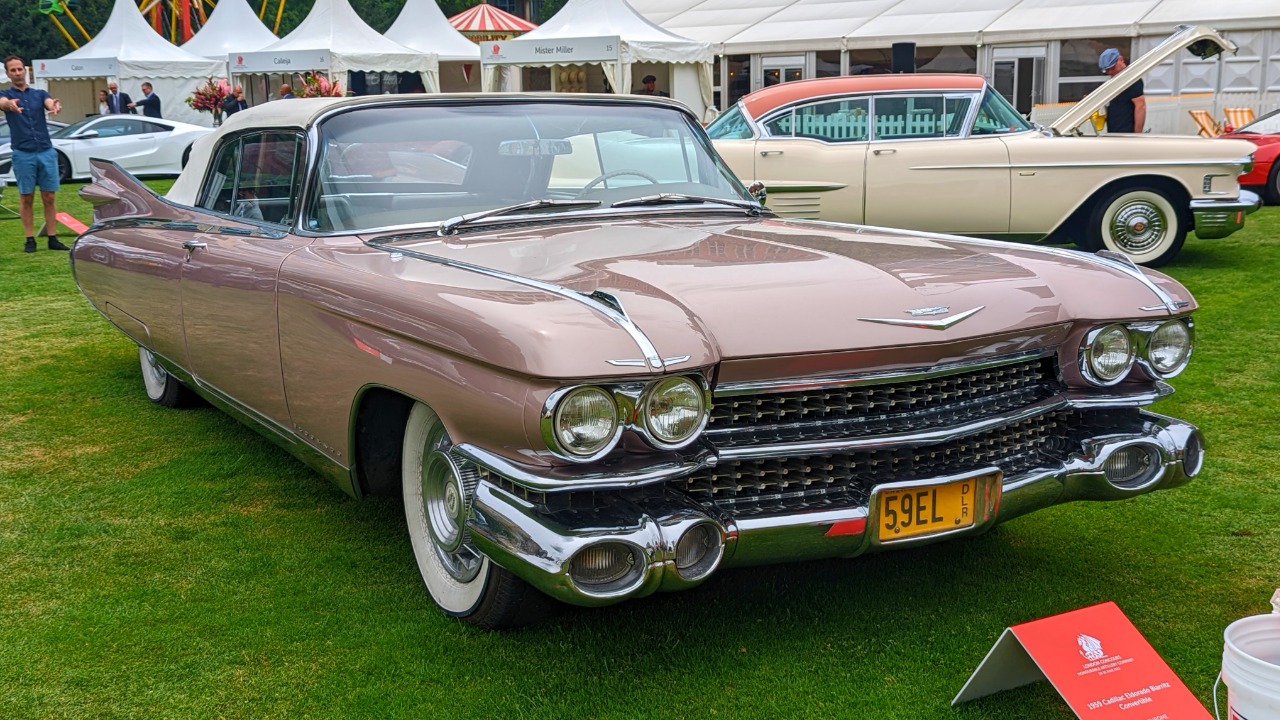
One of the most striking aspects of 1950s automotive design is the streamlined shapes and aerodynamic profiles that these vehicles sported. Cars like the 1957 Chevrolet Bel Air and the 1959 Cadillac Eldorado featured smooth lines that reduced drag and enhanced performance. These designs were not only visually appealing but were also a technical response to the growing interest in speed and efficiency. The sweeping curves and elongated silhouettes of these vehicles create an impression of motion, even when they are at a standstill.
Bold colors and chrome accents were another hallmark of 1950s automotive aesthetics. This era embraced vibrant hues like turquoise, coral, and lemon yellow, often paired with shiny chrome details that conveyed a sense of luxury and modernity. Vehicles such as the 1956 Ford Thunderbird exemplified this trend, offering an extravagant look that appealed to consumers’ desires for both style and status. The use of chrome not only enhanced the car’s visual appeal but also signified the technological advancements of the time, as these materials became more accessible to manufacturers.
Unique features such as tailfins and wraparound windshields further contributed to the distinct visual identity of 1950s vehicles. The tailfins, famously seen on models like the 1959 Cadillac, were inspired by the design of aircraft and symbolized the era’s fascination with flight and space travel. The wraparound windshields provided increased visibility and a futuristic feel, blending functionality with style. Together, these elements created a design language that was unmistakably forward-thinking and remains influential today.
Cultural Context of the 1950s
The post-war boom significantly influenced the cultural landscape of the 1950s, leading to a rise in consumerism that was reflected in automotive design. As families prospered and the economy thrived, the automobile became a symbol of freedom and success. This cultural context led manufacturers to create vehicles that not only served a purpose but also represented a lifestyle of affluence and modernity. Cars were no longer just modes of transportation; they became extensions of personal identity.
During this decade, the fascination with space exploration and technology permeated popular culture. The launch of Sputnik in 1957 and the subsequent space race sparked a wave of interest in all things futuristic. Automakers responded to this cultural shift by incorporating elements that evoked a sense of space-age innovation in their designs. The 1958 Ford Fairlane 500, for example, featured a futuristic dashboard and a design that hinted at the possibilities of innovation, reflecting the excitement and optimism of the time.
The role of automotive design in shaping American identity cannot be overstated. Cars were often viewed as symbols of independence and adventure, embodying the American spirit of exploration. The 1950s saw a growing trend of road trips and cross-country travel, with vehicles designed to accommodate this lifestyle. The aesthetic choices made by manufacturers during this period not only defined the look of American cars but also contributed to a collective identity centered around freedom, progress, and the allure of the open road.
Technological Innovations
Technological advancements in manufacturing processes during the 1950s allowed for more complex and futuristic designs. The introduction of assembly line techniques and new production methods enabled automakers to experiment with shapes and materials that were previously difficult to achieve. For instance, the use of fiberglass in the production of the 1953 Corvette allowed for a sleek and lightweight design that was revolutionary at the time. This innovation not only enhanced performance but also allowed designers to push the boundaries of form.
New materials also played a crucial role in enhancing the durability and design flexibility of vehicles. The introduction of plastics and high-strength steel provided manufacturers with a broader palette to work from, enabling more creative and intricate designs. The 1956 Chrysler 300B, for example, showcased these innovations with its unique styling and powerful engine, combining cutting-edge technology with eye-catching aesthetics. This balance of performance and design became a defining characteristic of 1950s vehicles.
Engine technology also saw significant innovations during this era, pairing with design to improve performance and efficiency. The development of more powerful V8 engines, like those found in the 1957 Pontiac Bonneville, allowed for greater speed and responsiveness, which complemented the streamlined designs of the time. This synergy between design and technology fostered a culture of performance-oriented vehicles that not only looked futuristic but also delivered on that promise.
Timelessness in Style
The design philosophies of the 1950s prioritized both form and function, creating cars that are as relevant today as they were then. The emphasis on aesthetics that also serve a purpose has resulted in vehicles that are timeless. For instance, the 1955 Mercedes-Benz 300SL with its iconic gullwing doors has become a symbol of automotive design excellence. Its combination of beauty and engineering prowess continues to inspire modern designers, proving that good design transcends time.
Vintage designs from the 1950s have often been reinterpreted in modern vehicles, allowing contemporary cars to maintain a sense of futuristic appeal. The revival of classic muscle cars, such as the Ford Mustang and Chevrolet Camaro, showcases how elements from the 1950s can be integrated into modern automotive design while appealing to both nostalgia and innovation. These vehicles capture the essence of the past while incorporating modern technology, creating a bridge between eras.
The resurgence of classic car culture has further solidified the 1950s aesthetic’s influence on contemporary automotive design. Car enthusiasts and collectors are drawn to the iconic designs of this era, often restoring and showcasing vintage vehicles. This passion for classic cars has encouraged modern manufacturers to pay homage to these designs, resulting in limited edition models that capture the spirit of the 1950s while integrating modern engineering and safety features.
Influence on Modern Vehicles
The design elements of the 1950s continue to inspire today’s automotive aesthetics in a variety of ways. Many modern vehicles incorporate streamlined shapes, bold colors, and chrome accents, echoing the design cues of the past. For example, the 2021 Chevrolet Corvette maintains the spirit of its predecessors while embracing contemporary technology and performance. This blending of retro and modern styles resonates with consumers, as it captures the essence of nostalgia while remaining relevant in today’s market.
The trend of blending retro and modern styles is also evident in the revival of classic designs in electric vehicles. The Ford Mustang Mach-E, for instance, pays homage to the original Mustang’s iconic silhouette while integrating cutting-edge electric technology. By drawing inspiration from the 1950s while embracing modern advancements, automakers are able to cater to a diverse consumer base that values both nostalgia and innovation.
Nostalgia plays a significant role in shaping consumer preferences and automotive trends. As buyers seek vehicles that reflect their values and identities, the allure of classic designs becomes more pronounced. The emotional connection that car enthusiasts have with 1950s vehicles fuels a demand for modern interpretations of these designs, driving manufacturers to create vehicles that honor the past while looking towards the future.
The Future of Automotive Design
Looking ahead, it’s fascinating to consider how past designs may influence future innovations in electric and autonomous vehicles. As the automotive industry shifts towards sustainability and efficiency, the elegance and simplicity of 1950s design could provide valuable lessons. The clean lines and functional beauty of models like the 1959 Buick Electra may inspire future vehicle designs that prioritize aerodynamic efficiency while retaining an emotional connection to the past.
Balancing futuristic function with retro aesthetics will be crucial in the development of upcoming models. As manufacturers explore new technologies, such as autonomous driving and electric powertrains, the challenge will be to create vehicles that feel both innovative and familiar. Designs that evoke the classic elements of the 1950s while integrating modern technology will likely resonate with consumers who appreciate style and functionality.
The potential for 1950s design elements to inform sustainable automotive practices is also noteworthy. As the industry moves towards eco-friendly materials and energy-efficient designs, there may be opportunities to blend the timeless aesthetics of the past with contemporary sustainability goals. This fusion could lead to a new era of automotive design that honors historical influences while addressing the challenges of the future.
More from Fast Lane Only
- Unboxing the WWII Jeep in a Crate
- 15 rare Chevys collectors are quietly buying
- 10 underrated V8s still worth hunting down
- Police notice this before you even roll window down
*Research for this article included AI assistance, with all final content reviewed by human editors.