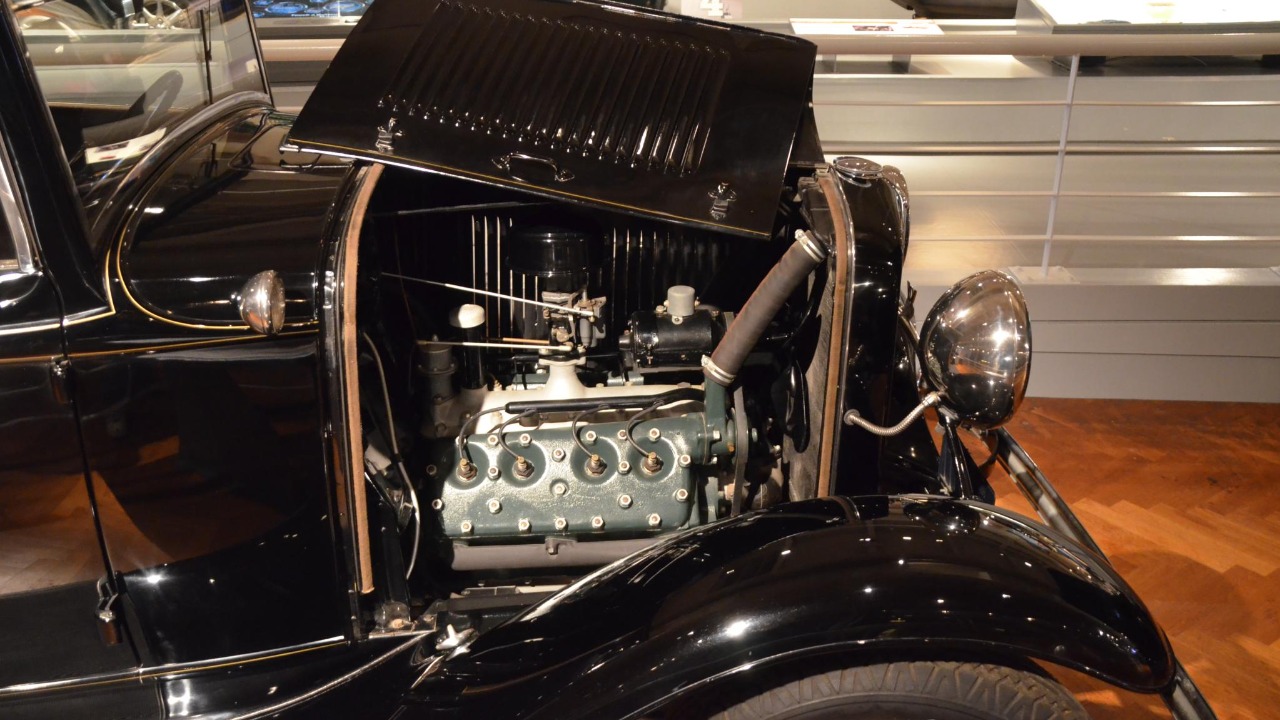
Certain classic engines, revered for their iconic status and unique characteristics, evoke a sense of trepidation among modern tuners. The complexities and challenges that vintage engines present in today’s performance-oriented landscape contribute to this apprehension.
Understanding Classic Engines
Classic engines are often celebrated for their engineering principles and design philosophies that have stood the test of time. Many of these engines, like the Ford Flathead V8 (introduced in 1932) or the Chevrolet Small Block (first produced in 1955), were groundbreaking in their era, incorporating features that were revolutionary at the time. The simplicity of their design often translates to a certain charm, attracting enthusiasts who appreciate the mechanical artistry behind these machines. However, this very simplicity can become a double-edged sword when modern tuners attempt to extract performance from these engines.
Moreover, the historical significance and cultural impact of classic engines cannot be understated. They represent a period in automotive history that exemplified innovation and raw power. For instance, the Pontiac GTO, often referred to as the first true muscle car, has left an indelible mark on car culture. When compared to modern counterparts, classic engines showcase a stark contrast in technology and performance capabilities. Modern engines often utilize advanced materials, computer-controlled systems, and precise fuel management technologies that enhance efficiency and output, making the classic designs feel antiquated.
Mechanical Complexity and Reliability Issues
One of the primary concerns when working with classic engines is their intricate mechanical systems, which can lead to significant maintenance challenges. For example, engines like the Jaguar XK series possess a complex arrangement of components that can be difficult to diagnose and repair. Modern tuners, who are accustomed to the plug-and-play nature of contemporary engine management systems, often find themselves at a loss when faced with the mechanical intricacies of older designs. This lack of familiarity can result in costly mistakes and frustrations during the tuning process.
Additionally, classic engines are often plagued by common reliability issues that stem from aging components. For instance, the notorious oil leaks of the older British Leyland engines can be a persistent headache for tuners. Parts like valve seals, gaskets, and timing chains are known to wear out more quickly than their modern counterparts, leading to frequent repairs. The learning curve for modern tuners unfamiliar with these older technologies can be steep, as they must adapt their skill sets to troubleshoot issues that may not be apparent at first glance.
Performance Limitations
When it comes to performance, classic engines have inherent constraints that can be daunting for modern tuners. The designs, often focused on simplicity and reliability, do not always lend themselves well to high performance. For example, engines like the Dodge 440, while powerful in their day, struggle to meet the horsepower and torque levels achieved by contemporary engines like the Dodge HEMI. This discrepancy often leaves tuners with the challenge of finding creative ways to enhance performance without compromising the integrity of the engine.
Another significant hurdle is the impact of outdated materials and manufacturing techniques on performance tuning. Many classic engines were built using materials that do not withstand the pressures of modern performance demands. For instance, cast iron blocks and heads, prevalent in classic designs, may not be able to handle the increased cylinder pressures that come with turbocharging or supercharging. Tuners must often navigate these limitations carefully, making modifications that respect the engine’s original design while still pushing for better performance.
Parts Availability and Sourcing Difficulties
Parts availability is another critical issue that modern tuners face when dealing with classic engines. The scarcity of original parts can be a significant roadblock when attempting to tune or restore these engines. For example, sourcing specific components for classic Chevrolet engines, such as the elusive Z28 camshaft, can be a frustrating endeavor. The implications for tuning are substantial; without access to quality parts, achieving desired performance levels becomes increasingly difficult.
The rise of aftermarket parts has created a mixed bag of options for tuners. While many aftermarket manufacturers produce high-quality components, others compromise on quality or compatibility, leading to potential issues down the line. For instance, aftermarket carburetors for classic Ford engines may not always function as intended, resulting in performance fluctuations. The challenge of finding reliable suppliers, coupled with the associated costs of sourcing parts, can deter even the most devoted tuners from pursuing their projects.
Regulatory and Environmental Considerations
As society becomes more aware of environmental issues, the regulatory landscape surrounding classic engines has become increasingly complex. Emission standards and regulations can complicate the tuning process significantly. For instance, classic engines like the Volkswagen Beetle, which were never designed to meet modern emission standards, may require extensive modifications to comply with current laws. This necessity can add layers of difficulty for tuners who want to enhance performance while also adhering to regulations.
The potential for classic engines to be deemed non-compliant with modern environmental laws further complicates tuning decisions. Many tuners grapple with the challenge of balancing performance enhancements with the need to adhere to local regulations. In some cases, the pursuit of additional horsepower may lead to violations of emission laws, making it crucial for tuners to stay informed about the legal ramifications of their modifications.
Emotional Connection and Preservation Concerns
The sentimental value associated with classic engines is undeniable, and many tuners fear that performance modifications may diminish their authenticity. For many enthusiasts, these engines represent not just mechanical marvels but also cherished memories and cultural heritage. The debate between performance enhancements versus the preservation of original specifications often becomes a deeply personal one. For example, a tuner who has inherited a classic Mustang from a family member may wrestle with the decision to install a modern fuel injection system, knowing it could alter the car’s original character.
Personal stories abound in the tuning community, with many enthusiasts sharing their struggles to find the right balance between modernization and respect for classic heritage. One Reddit user poignantly expressed their dilemma, stating that while they crave the performance upgrades, they also cherish the history embedded in their classic car. Such narratives highlight the emotional stakes involved in tuning classic engines and the careful consideration required to honor both performance and preservation.
More from Fast Lane Only
- Unboxing the WWII Jeep in a Crate
- 15 rare Chevys collectors are quietly buying
- 10 underrated V8s still worth hunting down
- Police notice this before you even roll window down
*Research for this article included AI assistance, with all final content reviewed by human editors.