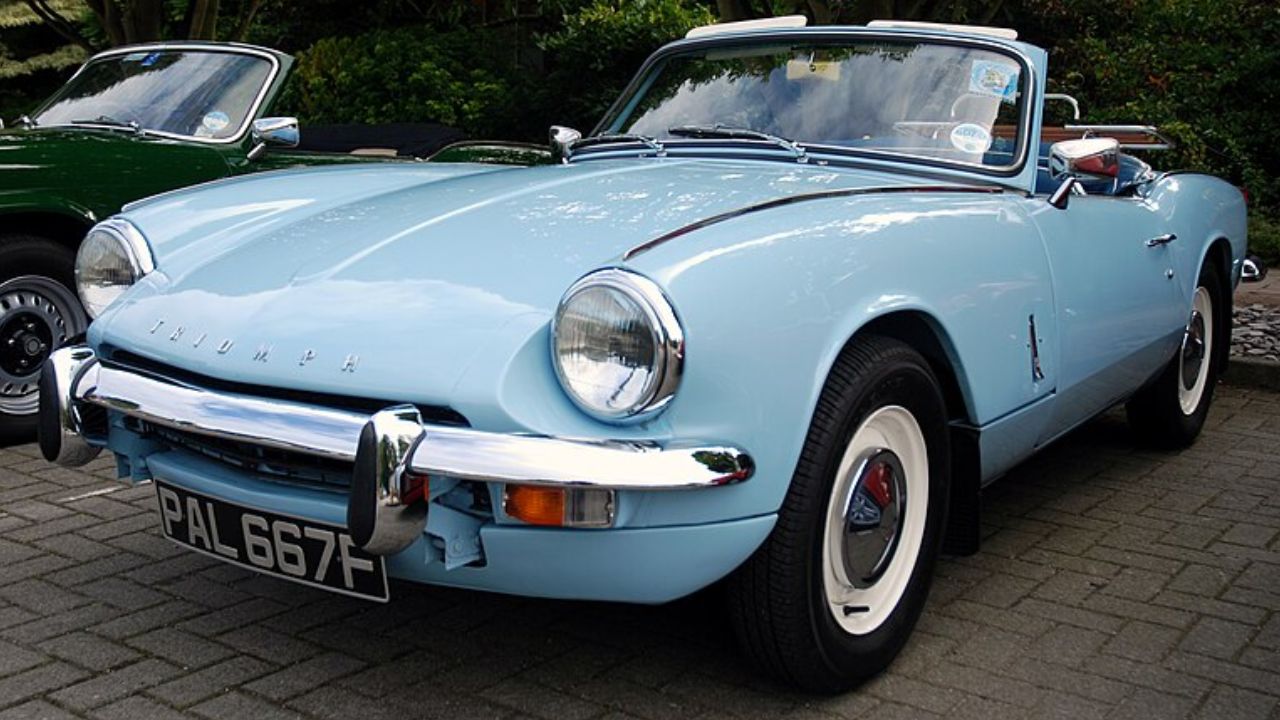
British roadsters are famous for beautiful styling, engaging handling, and classic open-air driving. While some gained reputations for demanding maintenance, several earned respect from mechanics for their simple layouts, accessible components, and clever engineering. These nine roadsters remain especially interesting because they combine traditional British character with mechanical designs that enthusiasts can understand and maintain.
MG MGB
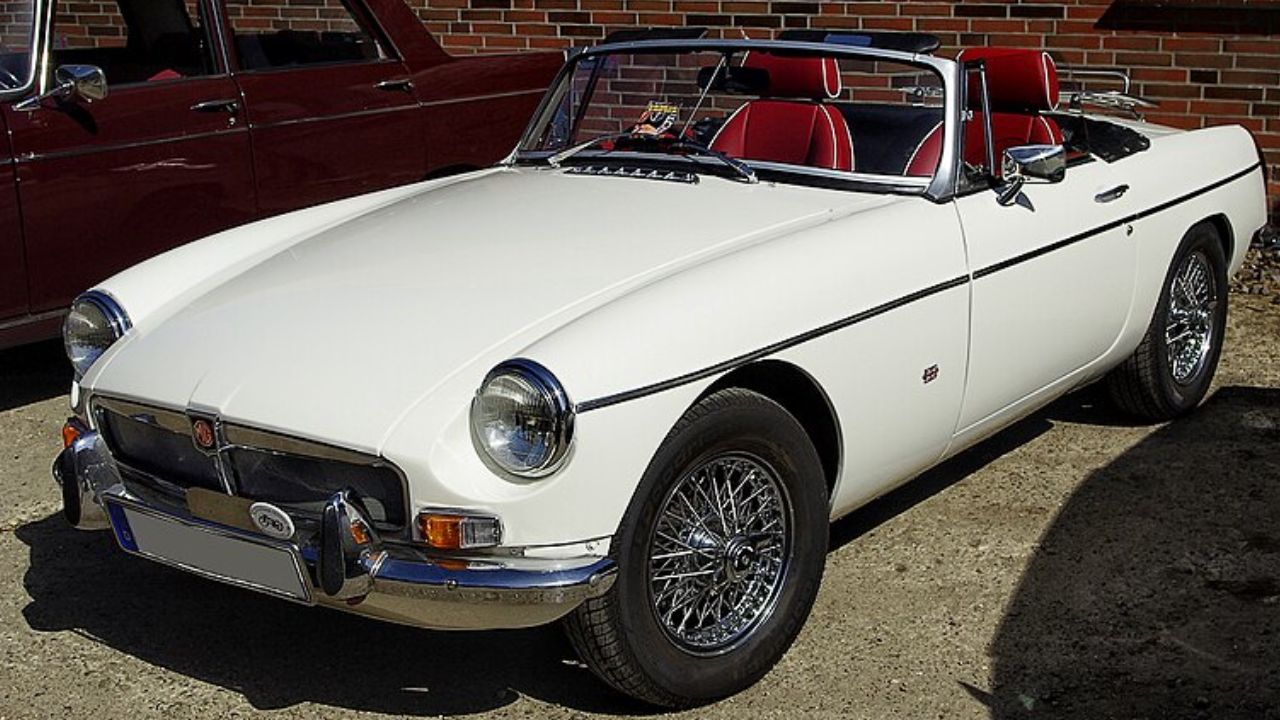
The MG MGB became one of Britain’s most successful roadsters, combining simple mechanical construction with lightweight sports-car proportions. Its four-cylinder engine, rear-wheel-drive layout, and relatively straightforward systems made it easier to understand than many more complicated sports cars. Mechanics appreciate the MGB because replacement parts remain widely available and the car has a large enthusiast community. Its simple architecture also makes restoration and routine maintenance relatively approachable.
Triumph Spitfire
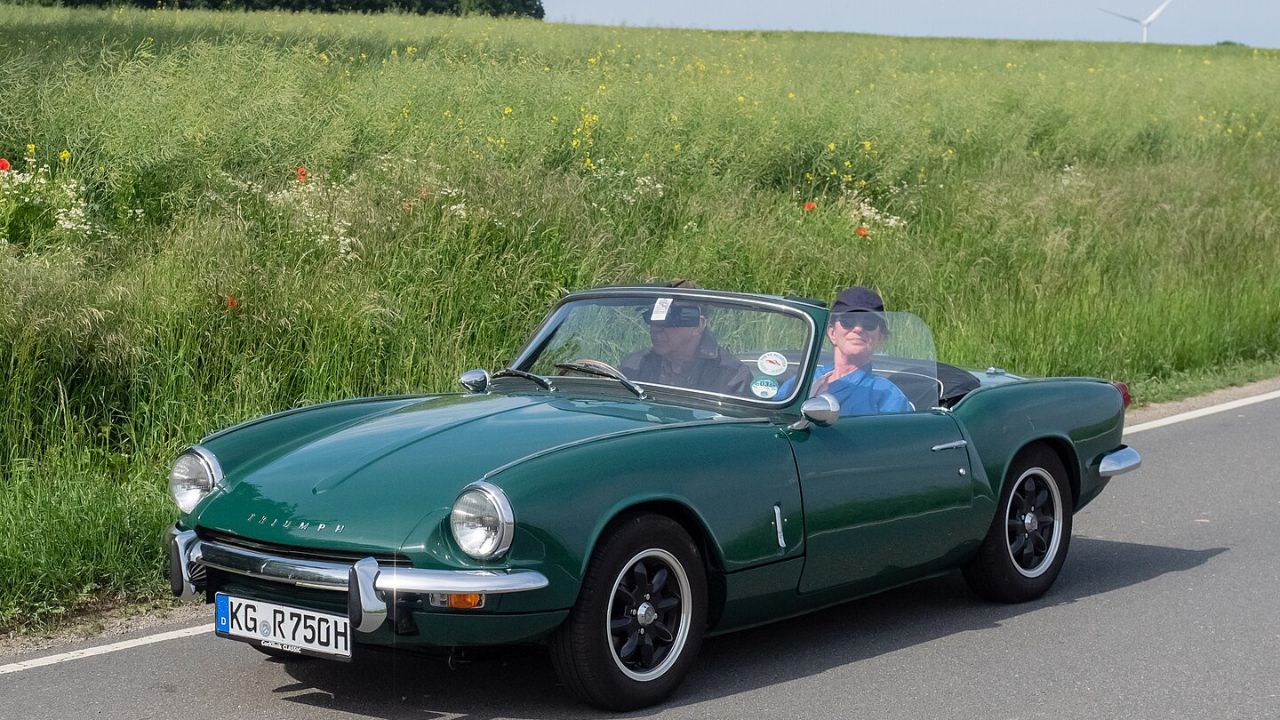
The Triumph Spitfire offered lightweight construction and nimble handling in a compact package. Its small dimensions made mechanical components relatively accessible, while its straightforward drivetrain suited owners willing to perform their own maintenance. The Spitfire’s independent rear suspension gave it distinctive handling characteristics for its time. Although age-related issues can still require attention, mechanics and restorers appreciate how much of the car can be serviced without specialized equipment.
Triumph TR6
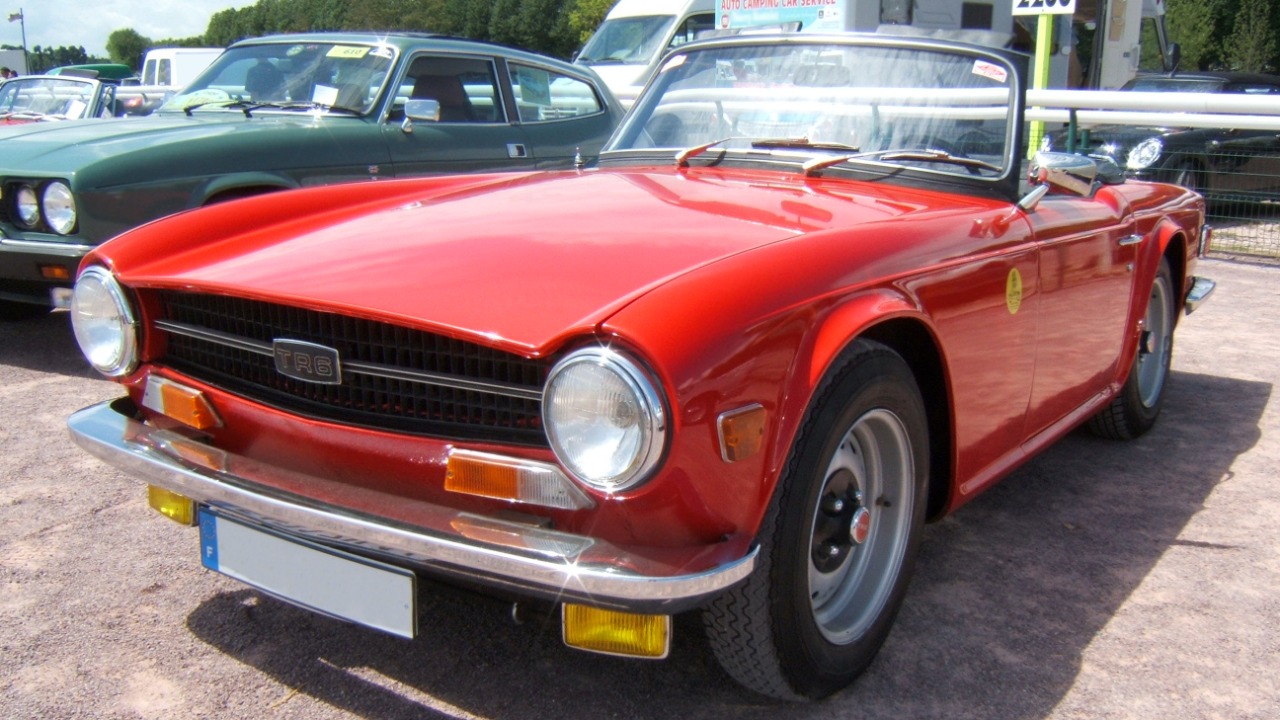
The Triumph TR6 combined classic British styling with a torquey inline-six engine and a relatively straightforward mechanical layout. Its body-on-frame construction made certain restoration work more manageable, while the traditional drivetrain appealed to enthusiasts who prefer mechanical simplicity. The TR6 does require proper maintenance, but its components are well documented and supported by a large restoration community. That makes it a roadster mechanics can understand and keep running.
Austin-Healey Sprite
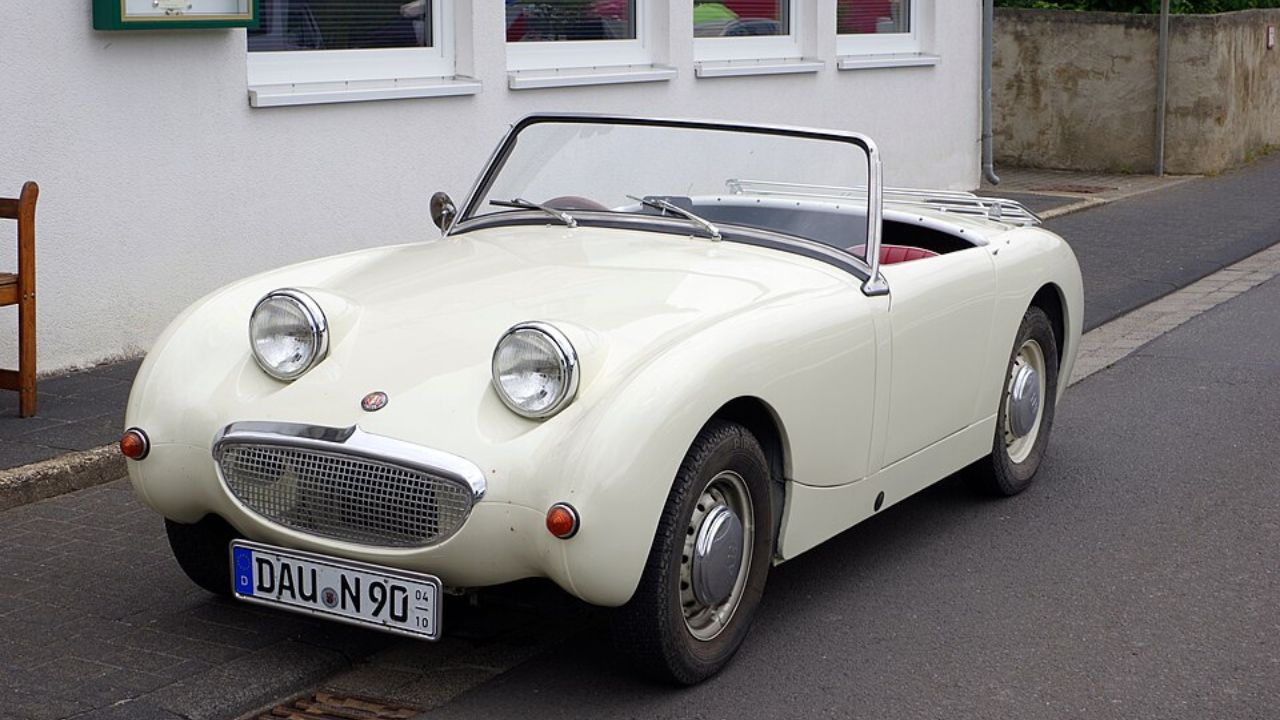
The Austin-Healey Sprite became famous for its tiny dimensions, lightweight construction, and playful driving character. Its compact four-cylinder engine and relatively simple mechanical systems made it approachable for home mechanics. The Sprite’s straightforward design also helped keep restoration projects manageable. Although rust and aging components can create challenges, mechanics often appreciate the car because its basic engineering leaves fewer barriers between the owner and the mechanical work required.
Jaguar XK120
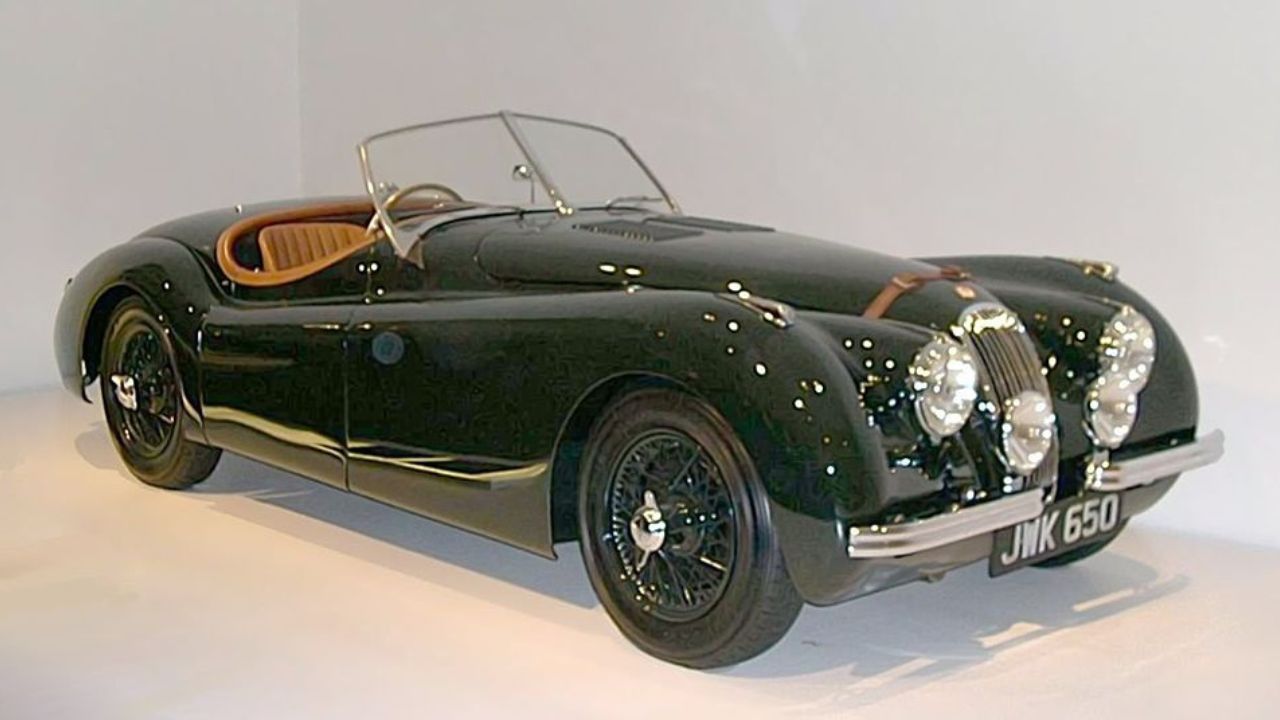
The Jaguar XK120 introduced a combination of elegant styling and sophisticated performance that made it one of Britain’s most important early sports cars. Its famous XK inline-six engine became a respected piece of engineering, while the car’s strong enthusiast following has preserved extensive technical knowledge. Restoration can be expensive, but mechanics familiar with classic Jaguars appreciate the engine’s engineering quality and the detailed support available for keeping surviving examples running.
Lotus Elan
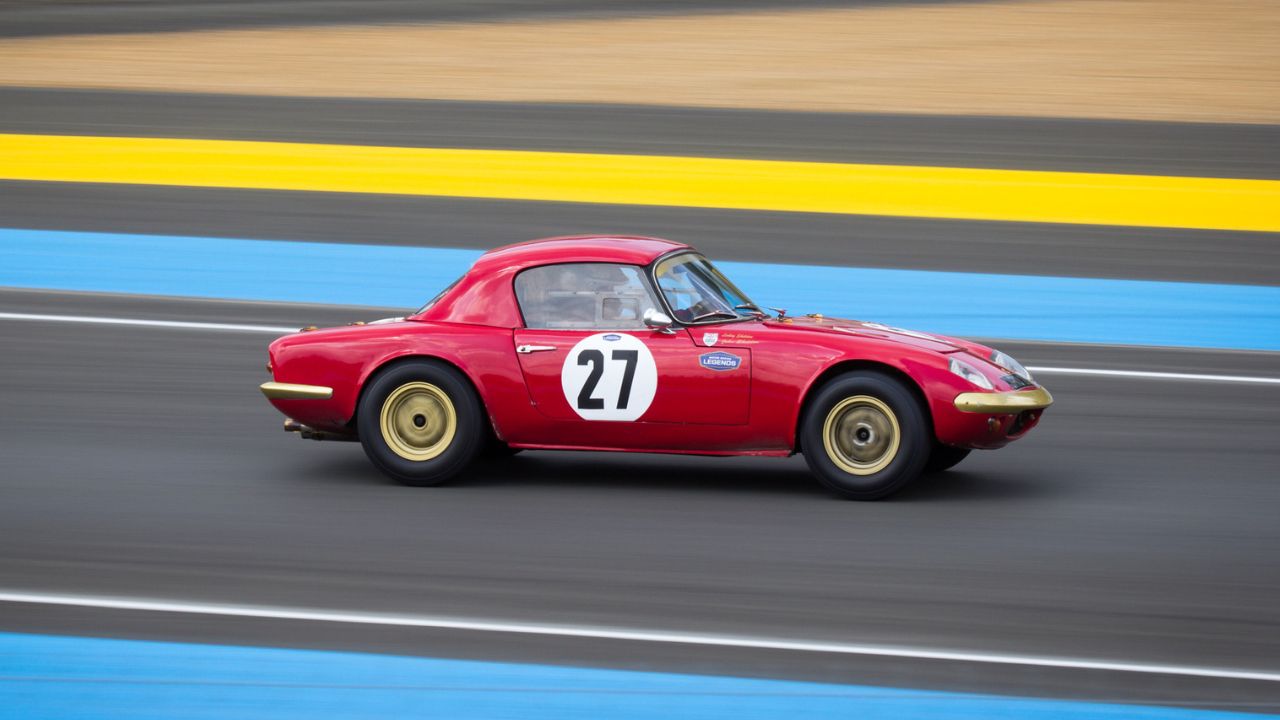
The Lotus Elan demonstrated Colin Chapman’s philosophy of achieving performance through low weight rather than enormous power. Its lightweight body, independent suspension, and compact engine created remarkable agility. The design was sophisticated but remained relatively accessible compared with many exotic sports cars. Mechanics appreciate the Elan’s clever engineering and the availability of specialist knowledge. Its lightweight construction also makes it a fascinating example of efficient British sports-car design.
Morgan Plus 4
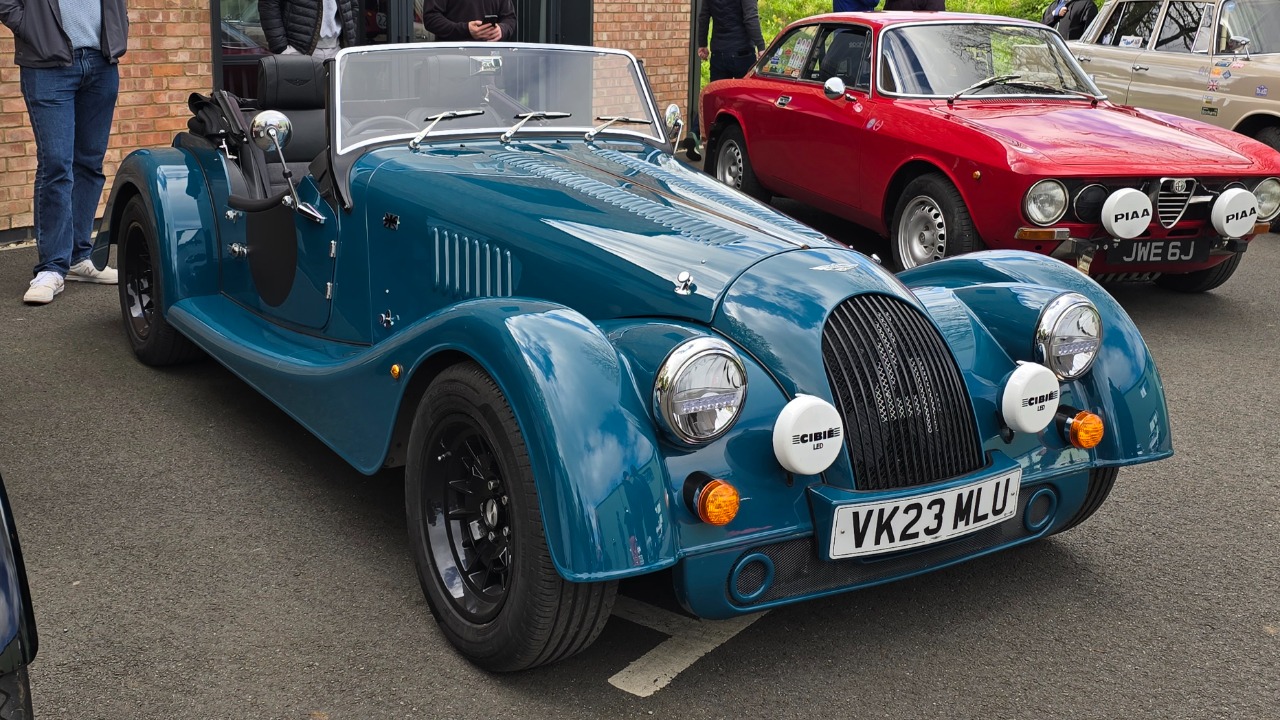
The Morgan Plus 4 retained a remarkably traditional approach to sports-car construction while continuing to evolve mechanically. Its lightweight body, traditional chassis, and relatively simple drivetrain helped preserve the hands-on character associated with classic British roadsters. Mechanics often appreciate the accessibility of its mechanical components and the company’s long-running design philosophy. The Plus 4 demonstrates that an old-fashioned construction approach can remain effective when carefully maintained.
TVR M Series
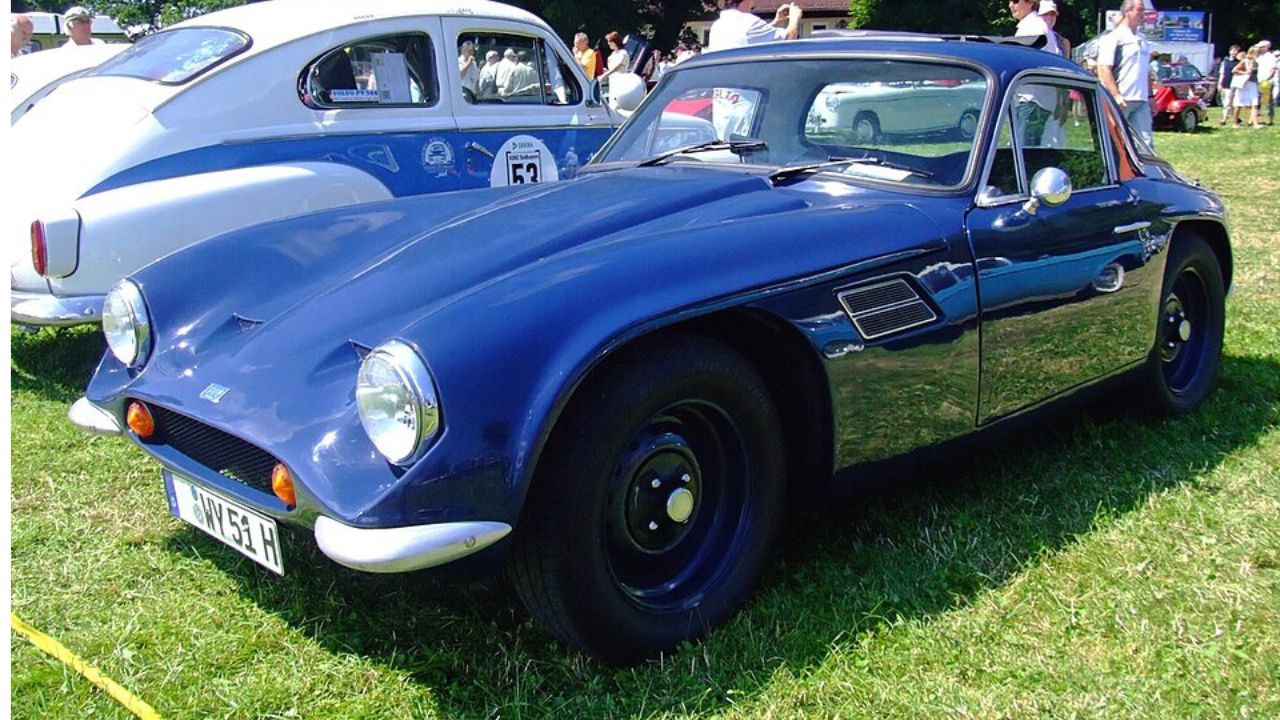
The TVR M Series combined lightweight construction with powerful engines and a distinctly unconventional British approach to sports-car design. Its fiberglass body reduced weight, while relatively straightforward mechanical components provided strong performance. TVRs can require specialist knowledge, but mechanics familiar with the cars appreciate their accessible layouts and unusual engineering solutions. Their rarity and enthusiast following have also encouraged specialists to preserve technical knowledge surrounding these distinctive roadsters.
Sunbeam Alpine
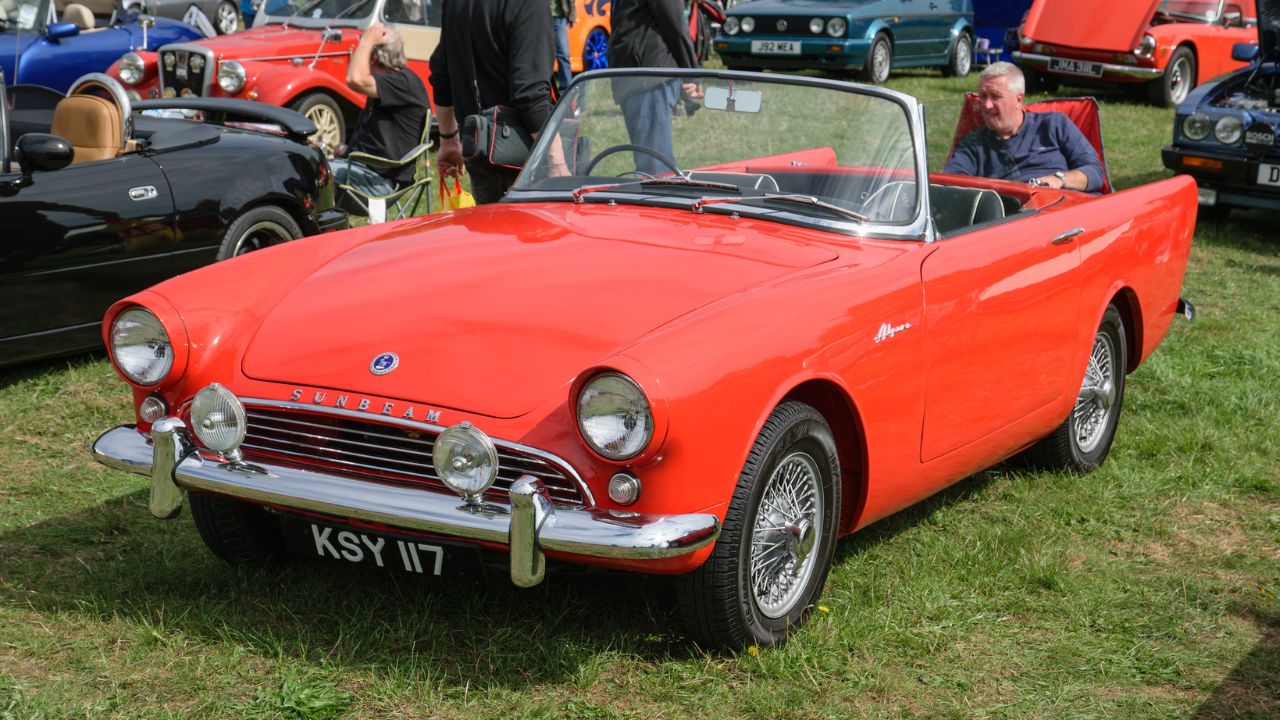
The Sunbeam Alpine offered practical British sports-car performance with a relatively straightforward mechanical package. Its four-cylinder engine, front-engine rear-wheel-drive layout, and simple construction made it approachable for owners and mechanics. The Alpine was also designed for everyday usability rather than pure competition. Surviving examples can still be maintained with the right knowledge, and its uncomplicated engineering helps explain why enthusiasts continue to restore these overlooked British roadsters.
More from Fast Lane Only
- Unboxing the WWII Jeep in a Crate
- 15 rare Chevys collectors are quietly buying
- 10 underrated V8s still worth hunting down
- Police notice this before you even roll window down
*Research for this article included AI assistance, with all final content reviewed by human editors