The world of automotive design is marked by iconic styles that capture the public’s imagination, yet many of these designs are fleeting, lasting only a few years. Exploring the reasons behind the brief lifespan of certain car styles that have left indelible marks on automotive history reveals fascinating insights into the interplay of culture, technology, and consumer behavior.
1. The Impact of Trends and Fads
The cyclical nature of fashion and design has long influenced car aesthetics, much like clothing and architecture. Car manufacturers often tap into prevailing trends, trying to create vehicles that resonate with the cultural moment. For instance, during the 1960s, the popularity of the counterculture movement led to the rise of compact, quirky cars like the Volkswagen Beetle, which became a symbol of freedom and individuality. However, as tastes shifted in the 1970s towards practicality and efficiency, these once-popular styles quickly fell out of favor.
Moreover, consumer expectations and desires play a pivotal role in shaping design longevity. The rise of the minivan in the 1980s, for instance, was a direct response to the needs of family-oriented consumers. Cars like the Chrysler Town & Country emerged as essential family vehicles, reflecting societal changes. Yet, as newer SUVs began dominating the market in the 1990s, the minivan’s popularity waned, illustrating how quickly consumer preferences can shift.
2. Technological Advancements
The rapid pace of innovation in automotive engineering and design frequently renders certain styles obsolete. For example, the introduction of fuel injection and turbocharging in the 1980s led to a significant redesign of many performance cars. The Chevrolet Corvette, which was once the epitome of American muscle, saw its design evolve dramatically as manufacturers adapted to new performance standards and fuel efficiency requirements.
Case studies of cars that were replaced by more efficient or safer models abound in automotive history. The iconic Ford Mustang of the late 1960s showcased bold lines and powerful engines, but by the 1970s, rising fuel prices and stricter emissions regulations necessitated a shift towards more modest designs. The third generation of the Mustang, introduced in 1979, reflects this change, demonstrating how quickly technological advancements can reshape a beloved classic.
3. Market Demands and Economic Factors
The influence of economic conditions on car production and design choices cannot be overstated. The oil crisis of the 1970s is a prime example of how external factors can shape automotive design. As fuel prices soared, consumers began to prioritize fuel efficiency over performance, leading to a decline in the production of gas-guzzling muscle cars. Manufacturers responded by creating smaller, more economical vehicles, such as the Plymouth Valiant and the Chevrolet Vega.
Moreover, shifting consumer preferences towards practicality further accelerated the demise of certain styles. The growing concern for the environment and the desire for more sustainable transport options drove manufacturers to innovate. As a result, designs that once thrived in an era of excess began to fade, making way for more eco-friendly models, leading to the eventual decline of the classic muscle car era.
4. Regulation and Safety Standards
The introduction of safety regulations has significantly impacted car design over the years. Beginning in the late 1960s, regulations like the National Traffic and Motor Vehicle Safety Act in the U.S. mandated new safety features, such as seat belts and airbags. This shift necessitated major design changes in many vehicles, often sacrificing the sleek lines of earlier models for bulkier, safer structures.
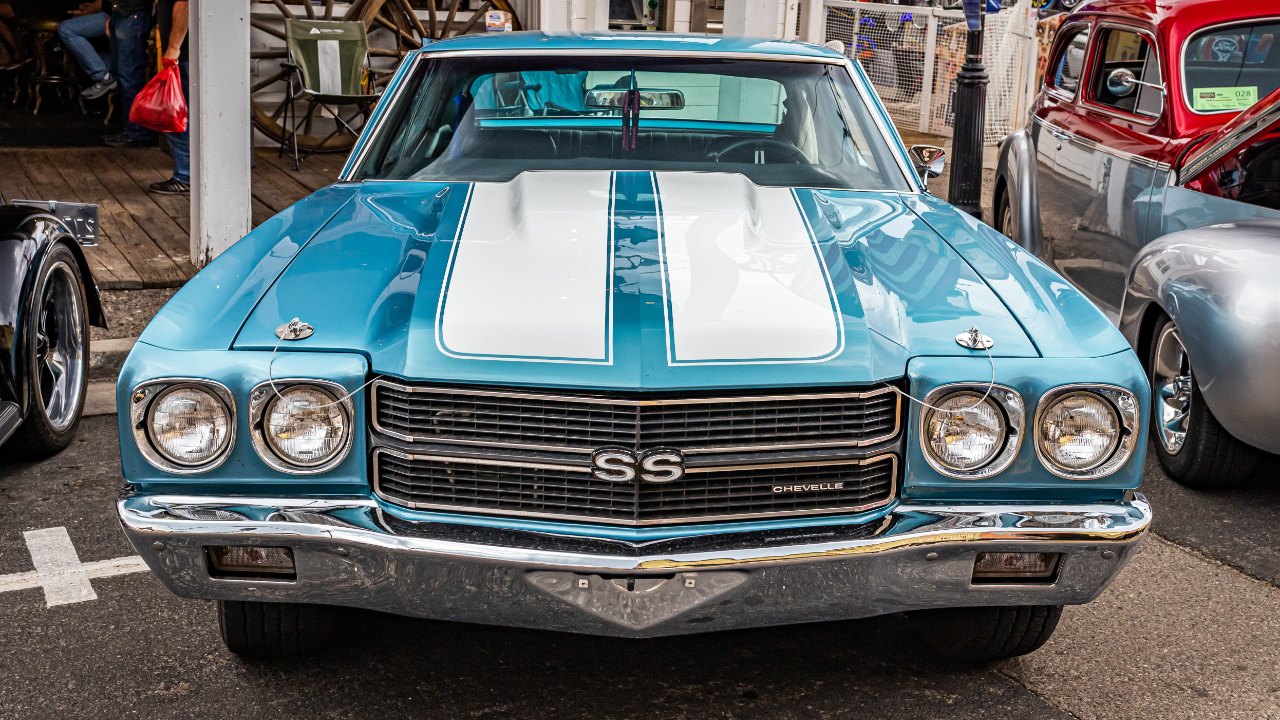
Similarly, emissions standards and fuel economy requirements have forced automakers to adapt their designs. The transition from the muscle car era to modern regulations is evident in vehicles like the Dodge Charger. Once celebrated for its power and speed, the Charger has evolved into a model that balances performance with compliance to stringent environmental standards, illustrating how regulations can dictate design direction.
5. Brand Identity and Marketing Strategies
The role of brand image in determining which styles are maintained or discarded is crucial in the automotive industry. Manufacturers often develop designs that align with their marketing campaigns, creating vehicles that resonate with their target demographic. Take the Ford Bronco, for example. Originally launched in 1966, it became synonymous with adventure and ruggedness. However, changing market dynamics led to its discontinuation in 1996. The recent revival of the Bronco reflects a strategic marketing decision to tap into nostalgia while meeting contemporary consumer demands for off-road capabilities.
Examples of iconic car designs that were tied to specific marketing strategies abound. The Volkswagen Beetle’s “Think Small” campaign in the 1960s effectively captured the essence of the era, while the limited-edition Ford GT was marketed as a high-performance sports car, reviving the brand’s racing heritage. However, the risk and reward of creating “limited edition” models can be significant, as such designs often fail to achieve long-term viability, ultimately becoming mere footnotes in automotive history.
6. The Role of Nostalgia and Cultural Memory
Certain designs manage to become nostalgic icons despite their brief lifespans, largely due to their cultural resonance. Vehicles like the DeLorean DMC-12, immortalized by its role in the “Back to the Future” franchise, continue to evoke a sense of longing for an era characterized by innovation and adventure. The psychological factors behind why we remember specific car styles are tied to emotional connections, often influenced by personal experiences and societal narratives.
The influence of media and pop culture in immortalizing fleeting designs is significant. Films, television shows, and music can elevate certain vehicles to iconic status, creating a lasting impression that transcends their actual production timelines. The Jeep Wrangler is another example, with its rugged design and cultural symbolism resonating well beyond its years on the market. Such vehicles become part of our collective memory, often celebrated in retrospectives and nostalgia-driven marketing.
More from Fast Lane Only
- Unboxing the WWII Jeep in a Crate
- 15 rare Chevys collectors are quietly buying
- 10 underrated V8s still worth hunting down
- Police notice this before you even roll window down
*Research for this article included AI assistance, with all final content reviewed by human editors.