American automotive history is filled with famous Mustangs, Corvettes, and Chargers, but many other vehicles played important roles without receiving the same recognition. These seven forgotten American heroes introduced useful ideas, delivered impressive performance, or served ordinary drivers faithfully for years.
AMC Javelin
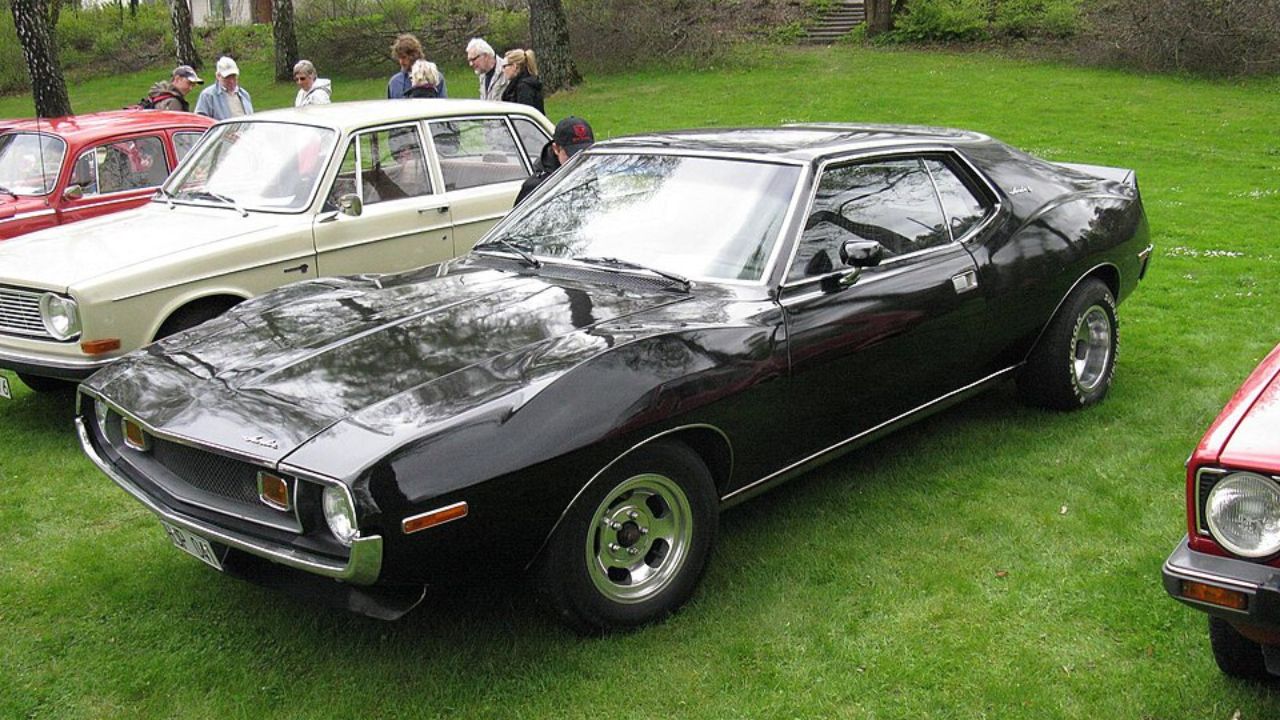
The AMC Javelin gave American Motors a serious competitor in the growing pony-car market. Its distinctive styling and available V8 engines helped it stand apart from the Mustang and Camaro. Although it never matched their sales, the Javelin developed a loyal following. Its success showed that a smaller automaker could still challenge Detroit’s biggest performance-car names.
Pontiac Fiero

The Pontiac Fiero was an ambitious attempt to create an affordable American mid-engine sports car. Its compact proportions, distinctive styling, and unusual construction made it unlike most other domestic cars. Although its production run was relatively short, the Fiero remains an interesting example of Pontiac’s willingness to experiment. Enthusiasts today appreciate its unique layout and unmistakable 1980s character.
Buick Grand National
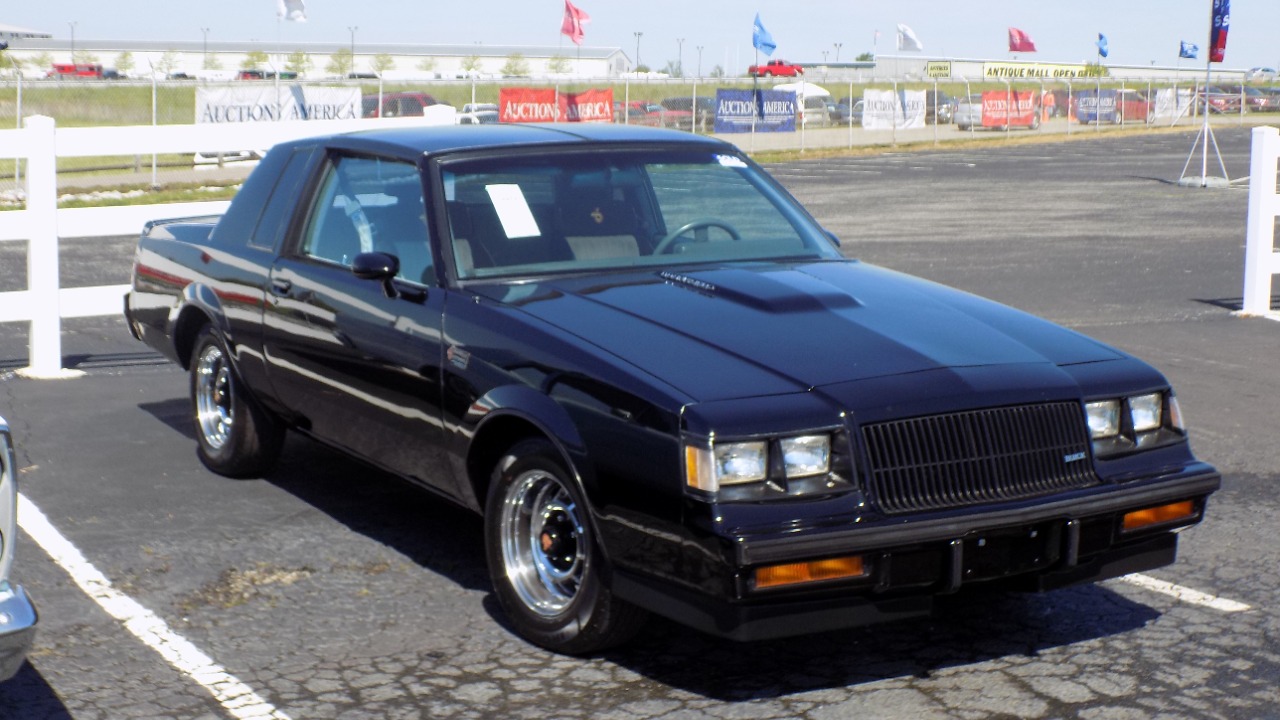
The Buick Grand National became an unlikely performance hero during an era when large V8 muscle cars were no longer dominating the market. Its turbocharged V6 delivered serious acceleration while giving Buick a more modern performance identity. The Grand National surprised many enthusiasts with its speed and understated appearance. It eventually became one of the most respected American performance cars of the 1980s.
Oldsmobile Toronado
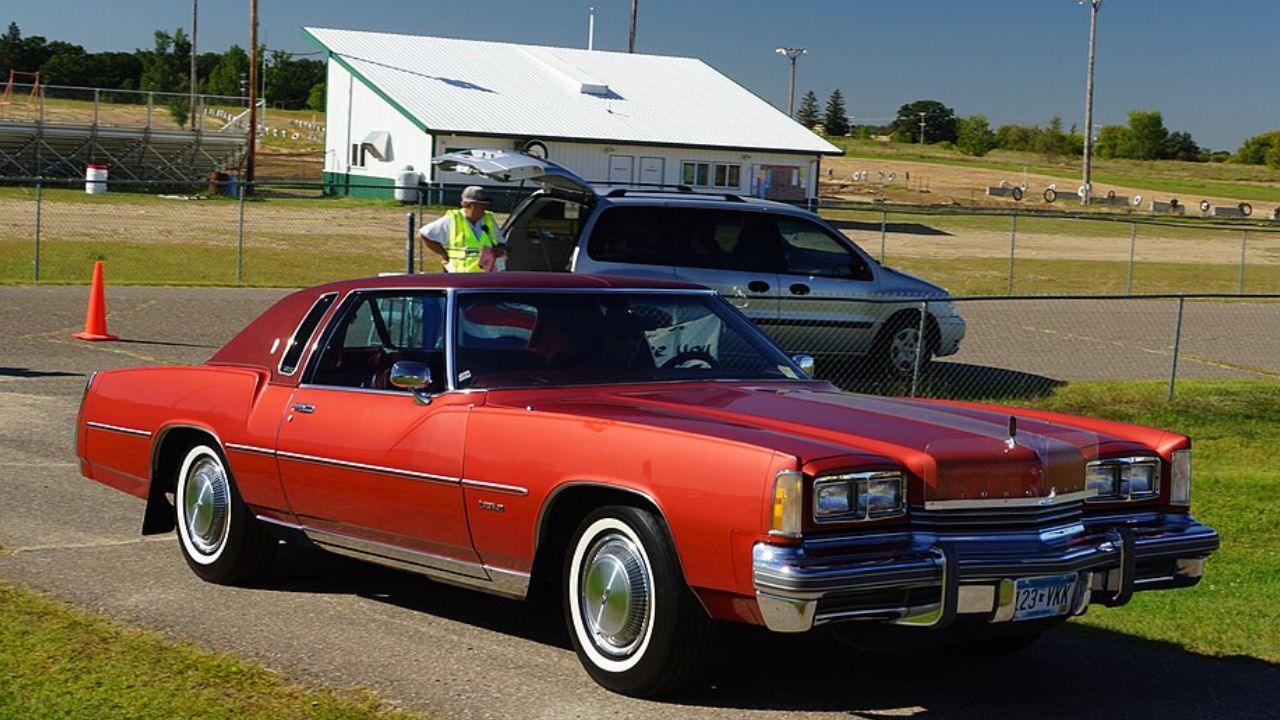
The Oldsmobile Toronado introduced front-wheel drive to a large American personal-luxury coupe at a time when rear-wheel drive dominated the market. Its unusual drivetrain layout, powerful V8, and dramatic styling made it an important engineering achievement for General Motors. The Toronado proved that a large American car could use a completely different mechanical layout without sacrificing comfort or performance.
Studebaker Avanti
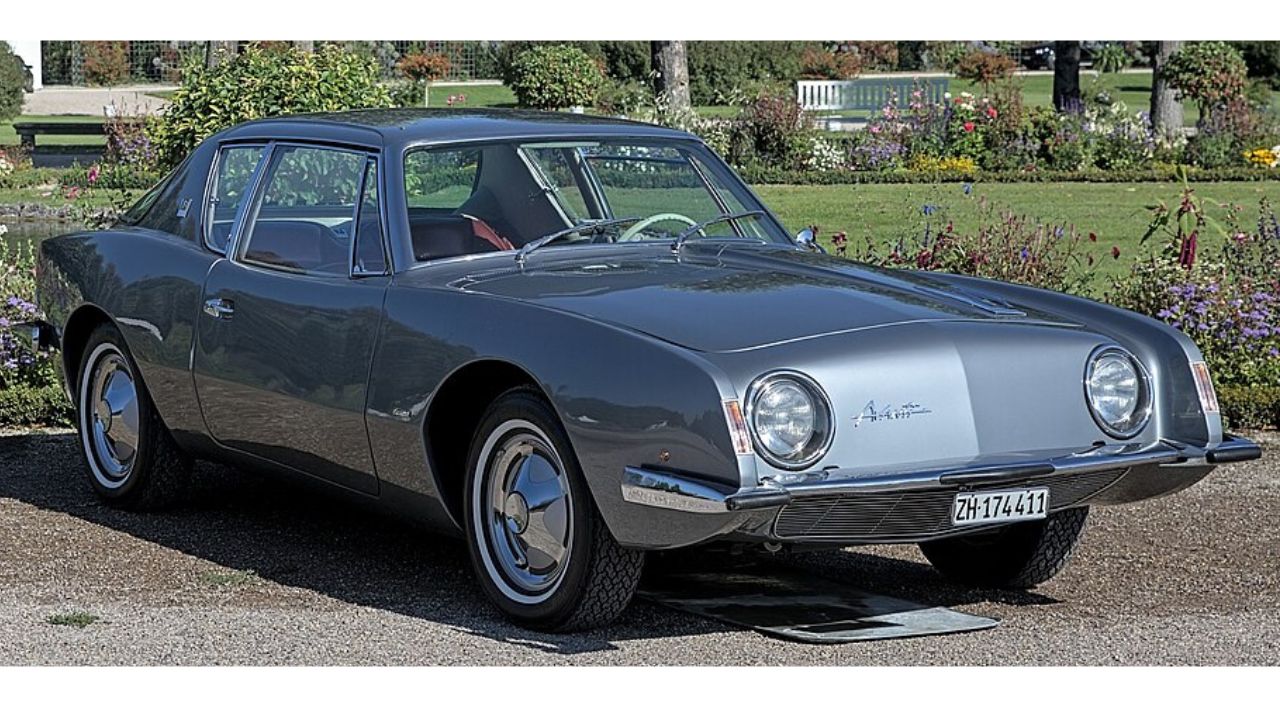
The Studebaker Avanti was one of the most futuristic American cars of its era. Its fiberglass body, sleek proportions, and unusual interior made it look dramatically different from conventional Detroit automobiles. The Avanti arrived as Studebaker faced serious financial challenges, which limited its long-term success. Today, it remains a fascinating reminder of how boldly the company attempted to compete before leaving the American automobile market.
Chevrolet Corvair
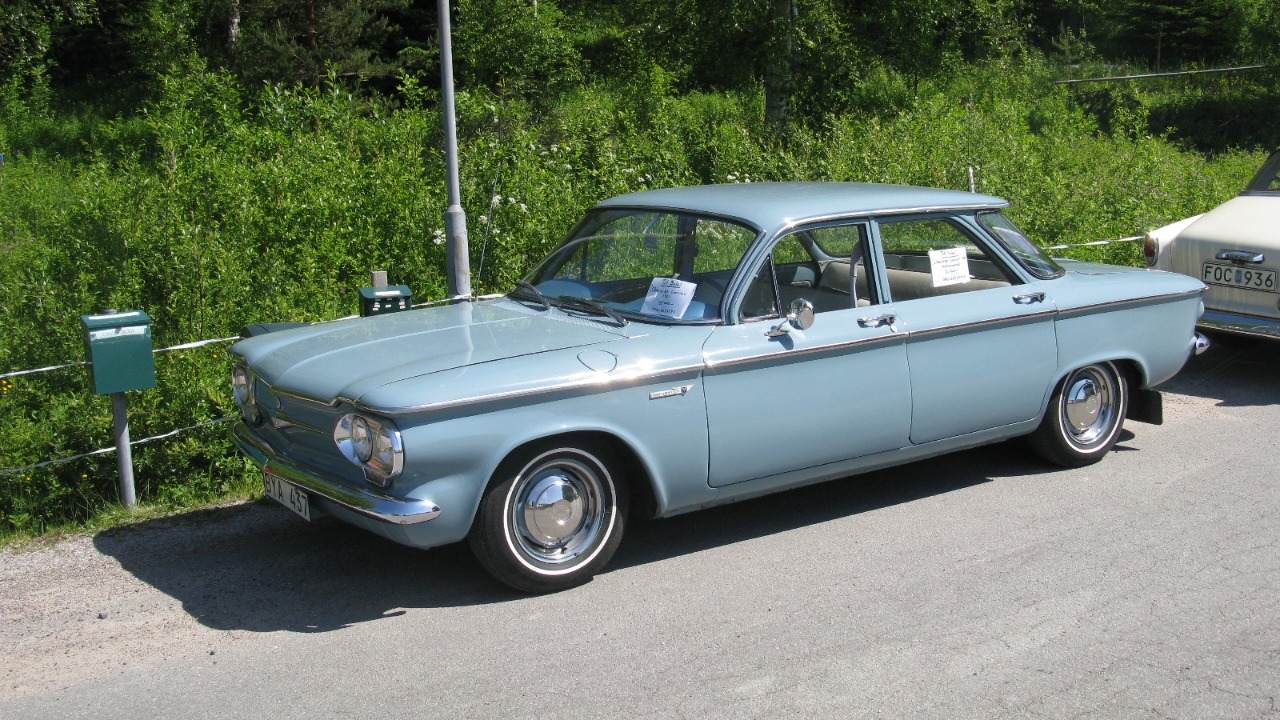
The Chevrolet Corvair challenged conventional American automotive design with its rear-mounted, air-cooled flat-six engine. Its compact dimensions and independent suspension made it very different from Chevrolet’s traditional full-size cars. Despite controversy surrounding the model, the Corvair demonstrated genuine engineering ambition. Its unusual layout and distinctive driving character have helped it gain renewed appreciation among enthusiasts.
Ford Ranchero
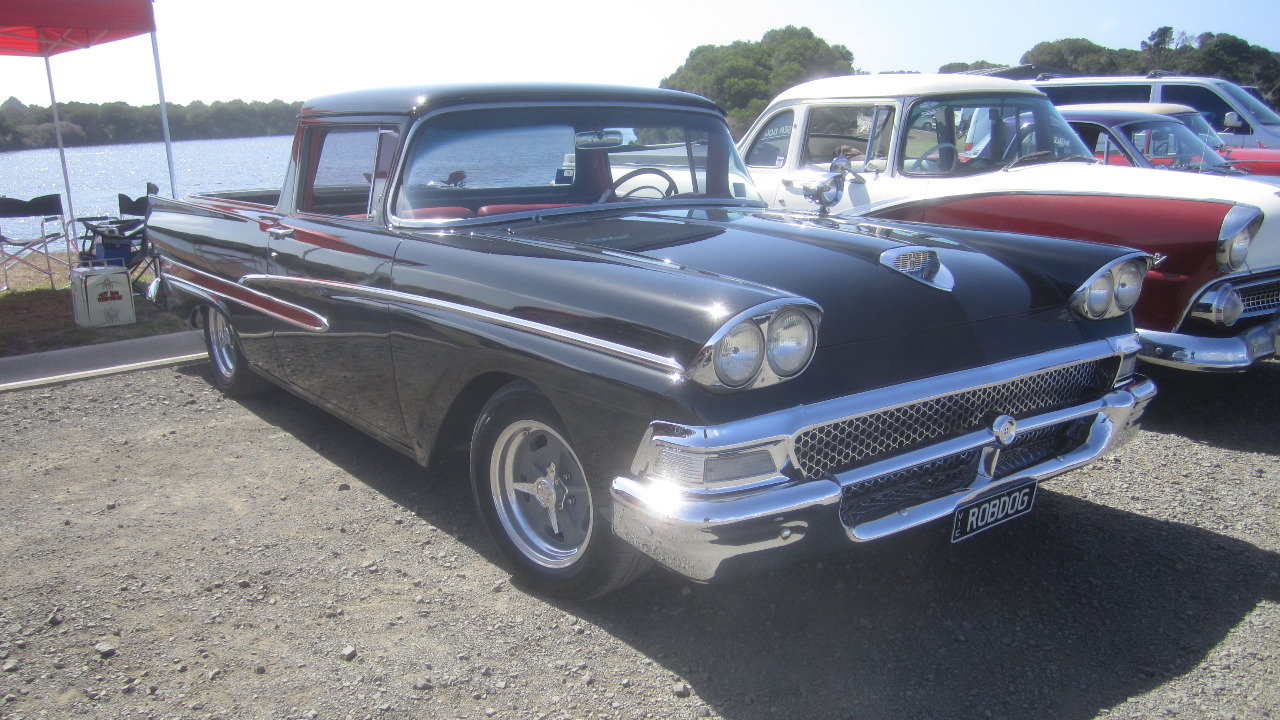
The Ford Ranchero created a unique combination of passenger-car comfort and pickup-truck utility. Its car-based design gave it a lower, more stylish appearance than conventional trucks while still providing a useful cargo bed. The Ranchero became popular with buyers who wanted something practical but different. Its influence can still be seen in the continued interest in car-based utility vehicles.
More from Fast Lane Only
- Unboxing the WWII Jeep in a Crate
- 15 rare Chevys collectors are quietly buying
- 10 underrated V8s still worth hunting down
- Police notice this before you even roll window down
*Research for this article included AI assistance, with all final content reviewed by human editors