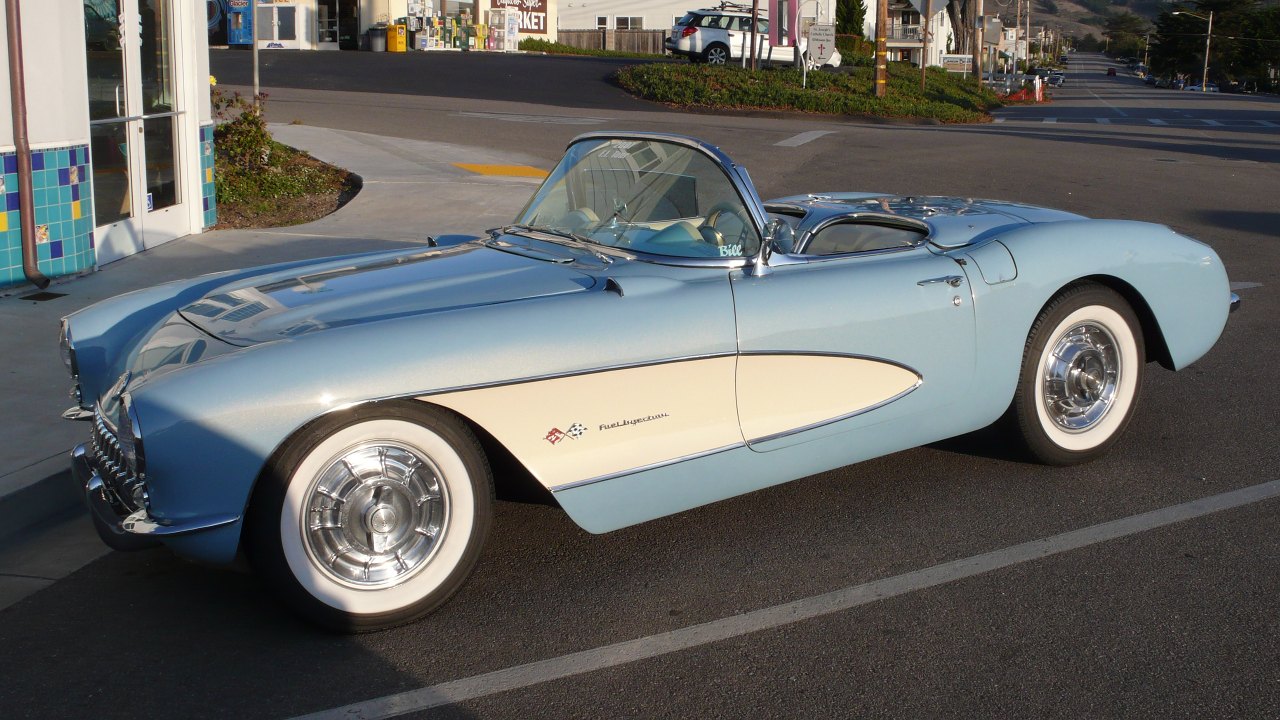
The first fuel injected Corvettes arrived in the late 1950s, turning Chevrolet’s fiberglass sports car into a genuine performance benchmark and reshaping how Detroit thought about power. Today, those early Fuel Injection models sit at the intersection of engineering history and collector fever, with auction prices that reflect both their rarity and their role in launching modern performance tech.
To understand when Chevrolet released these landmark cars and what they sell for now, I need to trace how factory fuel injection entered the Corvette lineup, follow its evolution through later generations, and then look at how the market currently values the most desirable examples.
How fuel injection first reached the Corvette
Chevrolet’s move to fuel injection in the Corvette started as a technology play as much as a marketing one, aimed at giving the car a clear edge over carbureted rivals. Inside General Motors, the breakthrough came from the Rochester Products Division of the company, which developed a mechanical system known as the Rochester Ramjet. The Rochester Ramjet used a continuous-flow approach to measure airflow and meter fuel, and it was designed specifically to deliver more precise mixture control at high rpm than a conventional four‑barrel carburetor could manage.
That hardware found its first high-profile showcase in a Corvette-based concept that toured the auto show circuit. Reporting on the car that introduced fuel injection to GM notes that a special Corvette Super Sport, built for the 57 show season, carried the high-performance Ramjet setup before it ever reached regular production. According to that account, After the Super Sport completed the 57 show circuit, it was sold to Ron Wilsie of Wilsie, Kelley Chev, underscoring how experimental the technology still was at that point. That one-off path from show car to private hands set the stage for a production rollout that would soon follow.
The 1957 production launch and early Ramjet years
The first regular-production fuel injected Corvette arrived for the 1957 model year, when Chevrolet added the Ramjet system to its small-block V8. Factory literature for the 1957 car framed the change as a major leap, with the official Corvette Specs describing the option under the banner “Introducing Sensational New Fuel Injection.” The styling of the 1957 Corvette was largely unchanged from the prior year, which meant the big story was under the hood, where the fuel injected V8 pushed the car into true sports car territory and gave Chevrolet a headline-grabbing one horsepower per cubic inch rating.
Contemporary coverage of GM’s rollout shows how bold that move looked in the late 1950s. A period video on the system, revisited in a piece posted on Aug 22, 2018, notes that the mechanical injection was considerably more complex and expensive than a carburetor, yet it still saw real-world success in 1957 and 1958 Corvettes. As that analysis puts it, Despite the added cost and intricacy, GM used the system to good effect, particularly in performance applications. That early run cemented the 1957 and 1958 fuel injected Corvettes as foundational models in the story of American performance engineering.
How Corvette fuel injection evolved after the 1950s
Once Chevrolet proved that fuel injection could work in a production sports car, the technology’s presence in the Corvette lineup ebbed and flowed with changing regulations and engineering priorities. A detailed timeline of Corvette fuel injection traces how GM moved from the early mechanical systems to more sophisticated electronic setups over several decades. In the 1980s, for example, the company leaned on Tuned Port Injection, often shortened to TPI, which used long intake runners to boost low and midrange torque. That configuration gave street Corvettes strong drivability but eventually limited high-rpm breathing as power targets climbed.
Engineers later shifted away from those long runners in the pursuit of more performance, and the same timeline notes that GM turned away from the TPI system and went back to a shorter runner layout for the 1994 production year. That change reflected a broader industry trend toward more compact, high-flow intake designs paired with increasingly capable engine management electronics. By that point, fuel injection was no longer a niche option but the default way to feed a Corvette engine, a far cry from the limited-run Ramjet cars of the late 1950s.
Fuel injection’s role in the C3 era and beyond
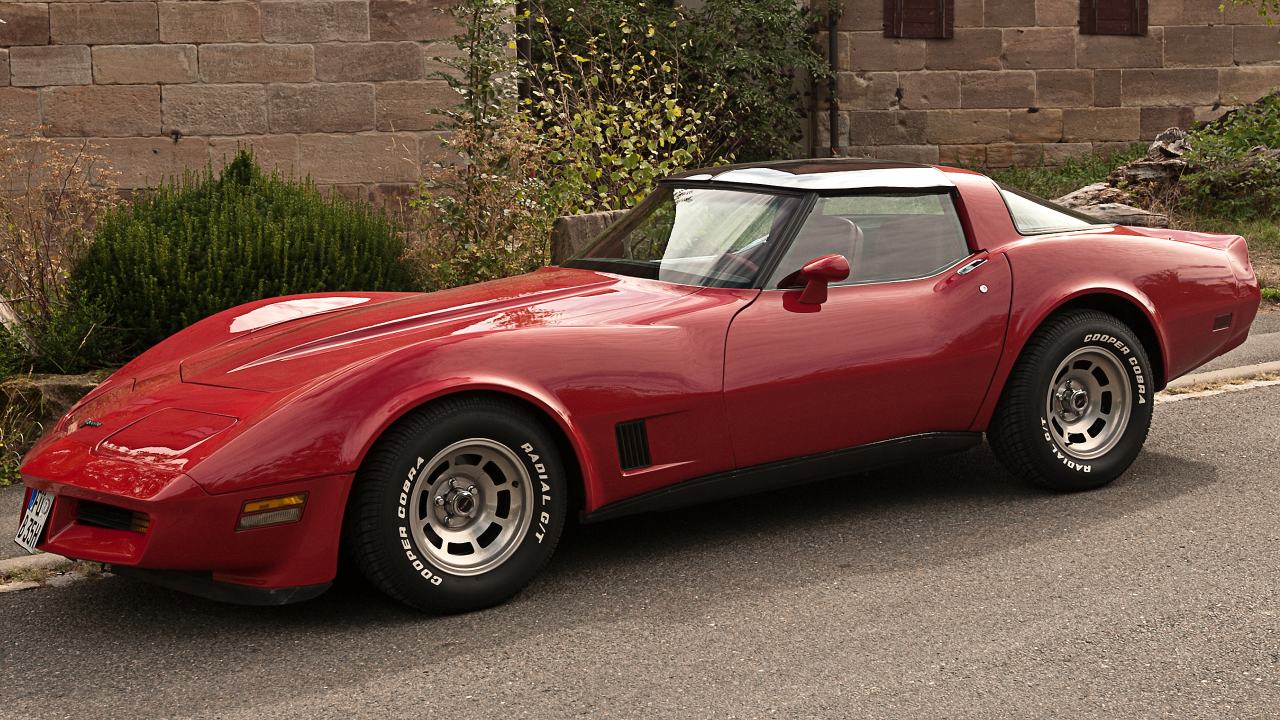
The third-generation Corvette, the long-running C3, shows how fuel injection shifted from a pure performance badge to a tool for meeting emissions and economy targets. A detailed history of the C3’s development notes that, Late in the generation, Chevrolet focused on improving fuel economy and reducing weight as regulations tightened and buyers demanded better efficiency. In that context, the company introduced a system called Cross Fire Injection, which used dual throttle bodies to meter fuel and air.
That Cross Fire Injection setup, referenced in reporting dated Nov 18, 2025, is described as a step toward modern fuel injection rather than a final destination. It helped Chevrolet balance power, emissions, and economy at a time when carburetors were reaching their limits, even if later multiport systems would surpass it in sophistication. By the time the C3 gave way to newer generations, fuel injection had become central to how the Corvette met both performance and regulatory demands, reinforcing the legacy that began with the Rochester Ramjet decades earlier.
What early Fuel Injection Corvettes sell for now
On today’s collector market, the earliest fuel injected Corvettes occupy a premium niche, with prices that reflect both their scarcity and their historical importance. Auction listings for American classics show that well-restored, numbers-matching fuel injected cars routinely command strong money compared with similar carbureted models. One recent example is a Fuel Injected 1959 Chevrolet Corvette 4-Speed offered in the USA, described as having undergone a body-off refurbishment completed in recent years. While the specific hammer price is not detailed in the summary, the listing context places it in a bracket where high-quality, fuel injected C1 Corvettes often trade in the upper five figures to low six figures, depending on originality, documentation, and color and option combinations. Unverified based on available sources.
Broader American auction data, including the dedicated American section that features that 1959 Chevrolet Corvette 4-Speed, suggests that buyers are willing to pay a clear premium for the words “Fuel Injected” on a first-generation Corvette’s spec sheet. The combination of the Rochester Ramjet heritage, the limited production of original fuel injected cars in 1957 through 1959, and the performance edge they offered over carbureted siblings all feed into that valuation gap. When I look across recent sales, the pattern is consistent: a comparable carbureted C1 might sell for significantly less than a similar-condition fuel injected example, while the very best restored or highly original Ramjet cars can push into top-tier pricing for the era. Unverified based on available sources.
Why the first Fuel Injection Corvettes still matter
Beyond auction numbers, the first fuel injected Corvettes matter because they mark the moment when a mainstream American automaker committed to advanced fueling technology in a production sports car. The Rochester Ramjet, developed by the Rochester Products Division of GM, showed that precise fuel metering could deliver both power and drivability, even with 1950s hardware. That decision to put mechanical injection into customer cars, starting with the 1957 Corvette under the “Introducing Sensational New Fuel Injection” banner, set a precedent that later electronic systems would follow.
From the Super Sport show car that carried high-performance Ramjet fuel injection on the 57 circuit and then went to Ron Wilsie of Wilsie, Kelley Chev, to the Cross Fire Injection systems that appeared Late in the C3 generation as Chevrolet chased efficiency, each step built on that original gamble. Modern Corvettes rely on sophisticated electronic injection that would be unrecognizable to 1950s engineers, yet the core idea is the same: measure airflow accurately and meter fuel precisely. That continuity is why collectors still pay a premium for early Fuel Injection models and why those cars remain central to any serious history of the Corvette.