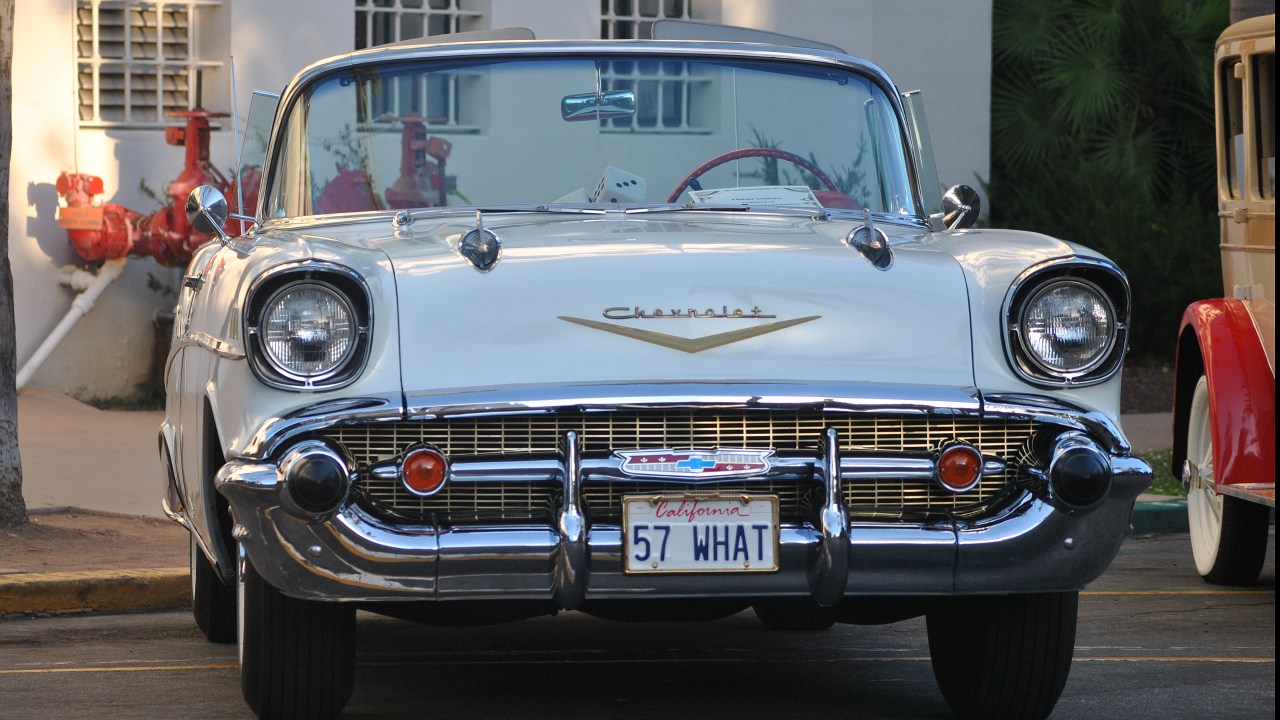
The fuel injected Chevrolet Bel Air sits at the intersection of mid century style and cutting edge engineering, a rare combination that still drives intense interest and high prices today. Collectors chase these so called “Fuelie” cars because they blend the iconic 1957 body with technology that previewed the performance future, and because so few were built in the first place. Understanding exactly when Chevrolet offered fuel injection on the Bel Air, how scarce those cars really are, and what they bring in the current market is essential context for anyone considering a purchase or restoration.
While the broader 1950s Bel Air story spans multiple model years, the factory fuel injected versions are a much narrower slice of history. Production figures, period pricing and modern valuation data all point in the same direction: original fuel injected Bel Airs are a tiny fraction of total output, and verified examples command a steep premium over carbureted cars in similar condition.
When Chevrolet actually built the Bel Air “Fuelie”
Fuel injection arrived in Chevrolet’s full size lineup as part of the 1957 model year, when the brand paired its new 283 cubic inch small block with a mechanical system designed to deliver more precise metering than a carburetor. The key detail for Bel Air fans is that this Rochester Ramjet setup was an option, not a standard feature, and it appeared at the tail end of the second generation cars that enthusiasts now group under the Tri Five banner. The 1957 Bel Air was already a styling high point, and the addition of fuel injection turned a popular family car into a genuine performance flagship for buyers willing to pay extra.
Available reporting makes clear that the factory fuel injected Bel Air story is essentially a one year phenomenon centered on 1957, rather than a long multi year run. One auction listing notes that Only an estimated 1,530 Bel Airs, encompassing all body styles, were reportedly ordered with Rochester Ramjet fuel injection for 195, a tiny slice of total production. A separate museum description reinforces that scarcity by pointing out that 1.5 m Chevy were made in 1957, and Only 1,530 had fuel injection, with an estimated 50 or less in utility sedans. That combination of a single model year, a specific engine option and very low take rate is what underpins the “Fuelie” mystique today.
How rare the fuel injected Bel Air really is
Even within the already desirable 1957 lineup, the fuel injected cars occupy a narrow niche. The base V8 for that year was a 265 cubic inch engine, while the more advanced 283 cubic inch version provided the foundation for the fuel injection package. Contemporary technical references distinguish the 265 and 283 engines by color and specification, and later enthusiast discussions highlight that the fuel injected 283 was a very rare option in 1957. One detailed community post on Fuel Injection Rarity notes that the fuel injected 283 V8 was a very rare option in 1957, and that only a small percentage of Bel Airs were ordered that way, compared with Corvettes where the same technology was far more common.
When I line up the production figures with those enthusiast accounts, the scale of the rarity becomes clearer. Out of 1.5 m Chevy built in 1957, Only 1,530 cars received fuel injection, and that total covers the full range of body styles, not just Bel Airs. A separate auction listing for a 1957 Bel Air convertible reiterates that Only an estimated 1,530 Bel Airs with Rochester Ramjet were built for 195, out of more than 700,000 that model year. That means the fuel injected Bel Airs represent well under one percent of total 1957 Bel Air production, a level of scarcity that explains why unrestored originals are so hard to find and why many surviving examples have been restored or modified over the decades.
Period pricing and how fuel injection fit into the 1957 market
To understand how Chevrolet positioned the fuel injected Bel Air when new, it helps to look at what a well equipped convertible cost in period. One enthusiast account of a Chevrolet Bel Air Convertible 1957 notes that the 57 was the last of the 2nd generation and cost around $2,500 new, depending on options and destination. Fuel injection sat on top of that baseline, adding both hardware and prestige to a car that was already at the upper end of Chevrolet’s full size range. Buyers who checked that box were effectively paying a premium for cutting edge performance in a family oriented body.
Later commentary on Fuel Injection Rarity underscores that the fuel injected 283 V8 was not a mass market choice in 1957, in part because of its cost relative to more familiar carbureted engines. The same discussion points out that the fuel injected setup was far more common in Corvettes, where buyers were already expecting a performance focus, than in Bel Airs, which were often purchased as practical transportation. That split helps explain why Only 1,530 fuel injected cars emerged from a 1.5 m vehicle production run in 1957, and why the option remained a niche choice rather than a mainstream upgrade.
How collectors talk about “Fuelie” Bel Airs today
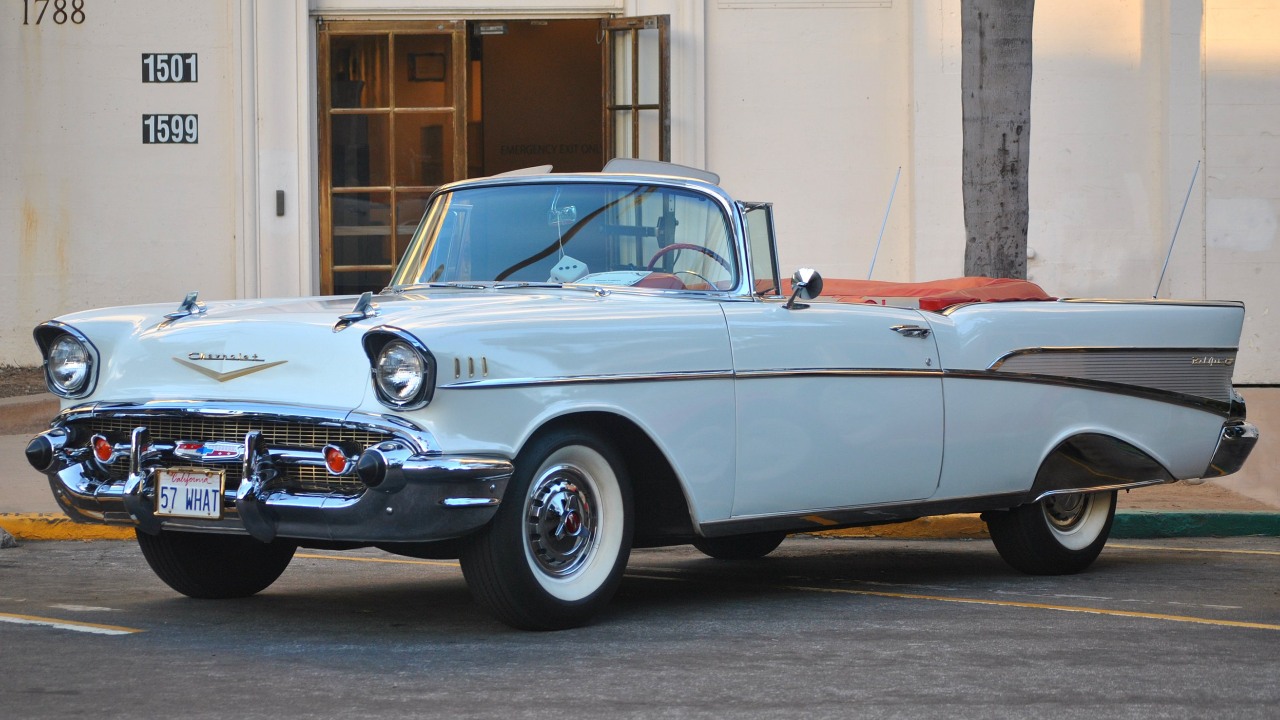
Modern enthusiasts tend to use “Fuelie” as shorthand for any 1957 Chevrolet fitted with factory fuel injection, but the way they talk about these cars reveals how much weight originality and documentation now carry. In one enthusiast group, owners debate whether a showcased 57 fuelie has been restored or modified, with comments pointing out details like a 64 SS interior and a shifter on the floor that is not original. That kind of scrutiny reflects the premium placed on cars that still retain their original fuel injection hardware and interior configuration, rather than later upgrades that might improve drivability but dilute historical accuracy.
Video walkarounds and auction features add another layer to the conversation by highlighting just how few documented cars exist. A clip published on Sep 8, 2022 introduces a 1 of 68 “Fuelie” 1957 Chevrolet Bel Air Convertible, with Sep and Jeff from the Collector Car Network and Journ emphasizing that this particular car is one of a very small group verified as factory fuel injected convertibles. When I compare that figure with the broader estimate of Only 1,530 Bel Airs ordered with Rochester Ramjet for 195, it becomes clear that specific body styles, such as convertibles and utility sedans, are even rarer subsets within an already tiny pool. That hierarchy of scarcity is a major driver of the price spread between different Fuelie configurations.
What Bel Air Fuelies are worth in today’s market
On the pricing front, the best starting point is to understand what a typical 1957 Bel Air brings before any fuel injection premium is added. Valuation data for a 1957 Chevrolet Bel Air Base indicates that Typically, you can expect to pay around $44,343 for a 1957 Chevrolet Bel Air in good condition with average spec. That figure reflects a solid driver quality car with standard equipment, not a concours restoration or a rare drivetrain combination. From there, the market layers on significant premiums for documented fuel injection, top tier body styles and exceptional provenance.
Enthusiast commentary on Fuel Injection Rarity notes that collector value for these cars can vary widely depending on provenance and condition, with unrestored original examples at the top of the scale and heavily modified cars trading closer to standard Bel Air money. A separate feature on a rare fuel injected 57 Chevy, published on Aug 23, 2011, frames fuel injection as one of the biggest improvements in performance technology, replacing carburetors as the method of fuel delivery and giving the same engine a noticeable edge. That performance halo, combined with the production figure of Only 1,530 fuel injected cars out of 1.5 m Chevy in 1957, helps explain why top tier Fuelie Bel Airs can sell for several times the $44,343 benchmark when they appear at auction with strong documentation.
Key takeaways for buyers and sellers
For anyone weighing a purchase or sale, the first step is to verify exactly what is on the car. The presence of a 283 badge or a modern fuel injection system is not enough to qualify a Bel Air as a true factory Fuelie. Period references distinguish between the 265 and 283 engines, and modern experts look for Rochester Ramjet hardware, correct casting numbers and supporting paperwork before assigning Fuelie status. Given that Only 1,530 Bel Airs were reportedly ordered with Rochester Ramjet for 195, any car claiming that pedigree without documentation should be treated with caution.
Once authenticity is established, the market tends to reward originality, correct specification and desirable body styles. A Chevrolet Bel Air Convertible 1957 that cost around $2,500 new can now command a multiple of the Typically quoted $44,343 baseline if it is a documented Fuelie in top condition, especially if it falls into a particularly scarce subset such as the 1 of 68 convertibles highlighted by Sep and Jeff from the Collector Car Network and Journ. At the same time, cars that have been heavily modified, fitted with later interiors or converted to different drivetrains tend to trade closer to standard Bel Air values, even if they started life as fuel injected examples. In a market defined by small production numbers and intense scrutiny, the details matter as much as the badge on the fender.