Values for 1990s Japanese sports cars have jumped from used-car money to serious collector territory, as the generation that grew up with Gran Turismo and import tuning now has the income to chase the machines they once only saw on screens. Clean examples of icons like the Toyota Supra, Mazda RX-7, Nissan Skyline GT-R, and Acura NSX are selling for record prices, while even once-ignored models are being pulled from storage and shipped across oceans.
The shift is not only about nostalgia. Limited production numbers, a globalized collector base, and changing rules on imports and emissions have combined to turn these cars into rolling assets, with some buyers treating them like art or alternative investments as much as weekend toys.
What happened
For years, serious collectors focused on European exotics and American muscle, while most 1990s Japanese performance cars sat at the bottom of their depreciation curves. That changed as younger enthusiasts began targeting the cars they remembered from childhood, a pattern now visible in auction results, insurance data, and private sales of quietly rising classics.
One key driver is the 25-year import rule in the United States, which has gradually opened the door for previously forbidden Japanese domestic market models. As each new model year ages into eligibility, importers rush to bring in cars such as the Nissan Skyline GT-R and Toyota Chaser, and prices often jump once a car becomes legal for road use in a large market. Similar regulatory shifts in other countries have widened the buyer pool for right-hand-drive cars that were once difficult to register.
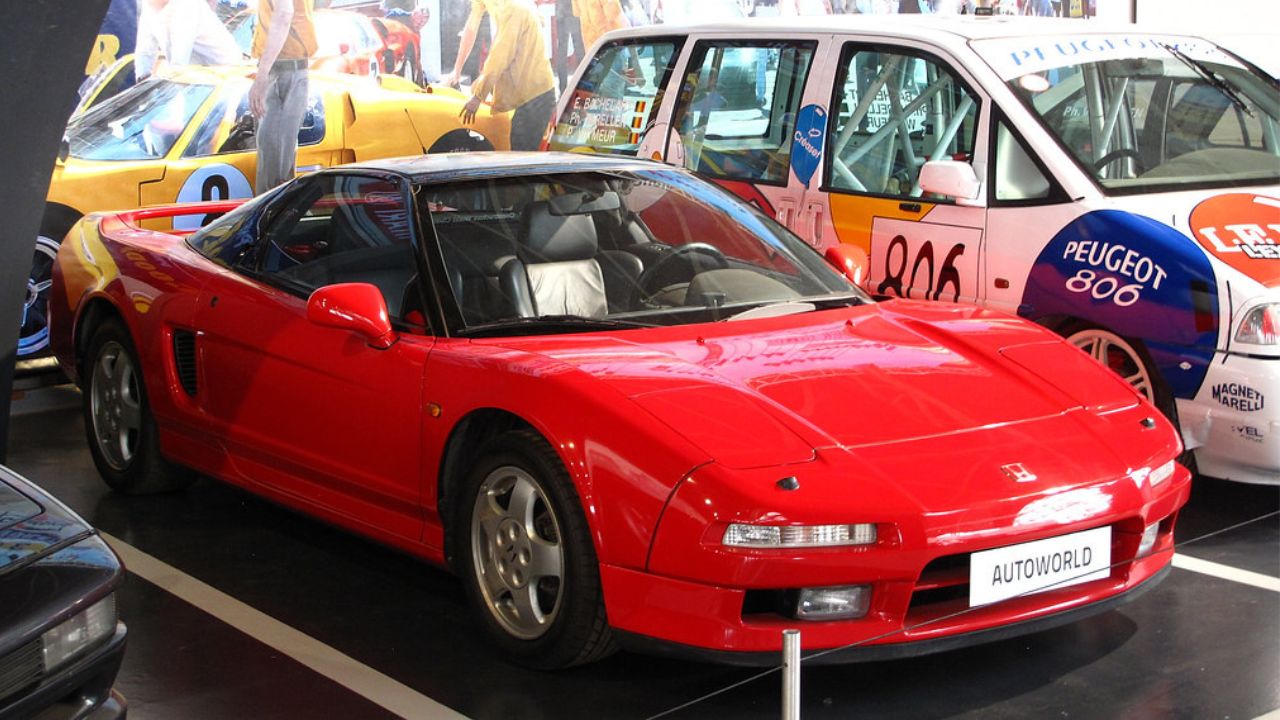
Meanwhile, specific nameplates have developed almost mythic status. The fourth-generation Toyota Supra, particularly the twin-turbo A80, has been framed in recent coverage as a core part of the brand’s 1990s sports car, thanks to its tuning potential and pop culture exposure. Comparable enthusiasm surrounds the Mazda RX-7 FD, known for its rotary engine and lightweight chassis, and the Honda or Acura NSX, which blended exotic looks with everyday reliability.
Broader cultural nostalgia has also pulled these cars into the spotlight. Fashion, film, and gaming have all revived interest in late 1980s and 1990s aesthetics, a trend that has made so-called “youngtimer” cars suddenly desirable. Analysts tracking this shift describe a surge in demand for iconic 1980s and that once felt disposable, from hot hatches to boxy coupes.
The effect is not limited to low-slung sports cars. Interest has spilled into adjacent segments, including Japanese-built SUVs and crossovers that share the same era and design language. Models that were once treated as family transport now show up on lists of forgotten 1990s SUVs that collectors are starting to chase, especially when they feature manual transmissions, off-road hardware, or limited-production trims.
Market data reflects a clear price shift. Coverage of auction results and dealer activity points to 1990s Japanese cars that have doubled or tripled in value over a relatively short period, with some examples selling for six-figure sums that would have seemed implausible when they were just used imports. Insurance specialists and valuation guides report that cars from this decade are now among the fastest-appreciating segments in the hobby.
Why it matters
The run-up in values for 1990s Japanese sports cars is reshaping the collector car market and the culture around it. It first confirms that generational turnover has real financial consequences. Buyers in their thirties and forties, who grew up with PlayStation racing games and tuner magazines, are now directing serious money toward the machines that defined their youth. That shift helps explain why some cars from the while older segments flatten or cool.
The trend also challenges old hierarchies that placed European brands and domestic V8s at the top of the food chain. Japanese manufacturers in the 1990s invested heavily in engineering, often producing cars that combined advanced technology with everyday usability. Twin-turbocharged straight-sixes, sophisticated all-wheel-drive systems, and lightweight aluminum structures gave these models performance that still feels modern. As collectors recognize that capability, they are more willing to pay prices that rival contemporary European exotics.
Rising values are changing how these cars are used. As once-affordable coupes become five- or six-figure assets, owners face pressure to limit mileage, avoid modifications, and store them like fine art. That shift can dilute the street culture that helped make these cars famous, from grassroots drifting to late-night highway runs. Yet it also preserves more low-mileage, unmodified examples for future generations, which can further support values.
For manufacturers, the newfound reverence for 1990s models shapes brand strategy. Toyota’s decision to revive the Supra nameplate, Nissan’s continued development of the GT-R, and Honda’s second-generation NSX all trade on the equity built in that decade. Marketing campaigns that reference original models, period racing programs, and heritage liveries show how carmakers now treat 1990s icons as core brand assets rather than old inventory.
The financial side matters too. As collector cars become more expensive, they attract buyers who view them as alternative investments. Market observers have compared the current surge in younger classics to earlier booms in air-cooled Porsche 911s and vintage Ferraris, while also pointing out differences in supply, demographics, and information flow. Some analysts argue that fast-rising collector cars may be less vulnerable to a sudden crash than past bubbles, in part because buyer demand is broader and more global.
Culturally, the elevation of 1990s Japanese sports cars validates a style that was once dismissed as cheap or garish. Period-correct body kits, bright paint colors, and large rear wings now read as authentic rather than tacky. Coverage of so-called “ugly” 1980s and 1990s cars has highlighted how designs that once drew ridicule have become cult objects, a shift that extends to some Japanese sports models with bold proportions and graphics, as discussed in pieces on unloved sports cars from that era.
The surge also has practical consequences for enthusiasts with limited budgets. Entry-level projects that once cost a few thousand dollars are now out of reach for many younger buyers, pushing them toward less famous trims or entirely different decades. That tension between nostalgia and affordability will shape which cars become the next wave of collectibles, as today’s teenagers look back at their own formative machines.
What to watch next
The next phase of this story will hinge on how sustainable current prices prove to be and which specific models separate themselves from the pack. Not every 1990s Japanese car will become a blue-chip collectible. Rarity, condition, originality, and cultural cachet will likely determine long-term winners. Limited-production variants, factory turbo models, and cars with documented histories already command premiums, and that gap may widen.
Regulation will remain a key variable. As more countries tighten emissions rules and low-emission zones expand, some older performance cars could face restrictions that limit their usability. That might dampen demand in cities while increasing interest in regions with more permissive rules. The ongoing rollout of new safety and inspection standards could also affect the cost of keeping heavily modified cars on the road, which may nudge collectors toward unmodified or lightly tuned examples.
On the supply side, the pool of good cars is shrinking. Many 1990s Japanese sports cars were modified, raced, or simply driven hard, and rust has taken a quiet toll. As a result, clean, low-mileage cars are genuinely scarce. Articles that highlight Japanese collector cars from the 1980s and 1990s often stress how few original examples remain, which suggests that scarcity will continue to support values.
Spillover into adjacent segments bears watching as well. As flagship models become too expensive, collectors often move down the range, lifting prices for lesser-known trims and related platforms. That pattern is already visible in interest around smaller coupes, sedans, and even kei cars that share engines or styling cues with headline-grabbing sports models. Coverage of quietly bought classics hints at how quickly attention can shift once a few high-profile sales hit social media.
More from Fast Lane Only