The prevalence of cigarette lighters in cars can be traced back to a time when smoking was a widely accepted social norm. As smoking habits have evolved and technology has advanced, the role of the car cigarette lighter has shifted. Exploring the historical, cultural, and technological reasons reveals the once-ubiquitous presence of cigarette lighters in vehicles.
Historical Context of Smoking and Cars
The post-World War II era marked a significant rise in smoking culture. As soldiers returned home, the habit of smoking, which had been encouraged during the war, became a popular social activity. This cultural shift was mirrored by car manufacturers, who began integrating cigarette lighters into vehicles to cater to this growing trend. In the 1950s and 1960s, smoking was widely accepted and even glamorized, with Hollywood films often depicting the sophisticated smoker. As a result, the inclusion of cigarette lighters in cars became a natural extension of this societal norm.
Car manufacturers quickly recognized the demand for such features, and by the mid-20th century, cigarette lighters had become a common feature in many vehicles. The convenience of having an in-car lighter catered to the smoking population’s desire for accessibility, allowing drivers and passengers to light their cigarettes without the need for matches or other devices. This was not just a matter of convenience but also safety, as it reduced the risk associated with using open flames while driving.
Technological Evolution of In-Car Power Sources
While cigarette lighters were originally designed for lighting cigarettes, they eventually evolved into multipurpose power outlets. This transformation began as technology advanced and the demand for portable electronic devices increased. The cigarette lighter socket, with its consistent voltage output, became a convenient power source for various electronics, such as cell phones and GPS devices. This shift reflected the broader changes in consumer behavior, as the need for connectivity and device charging became more pronounced than the need for smoking-related features.
Modern vehicles have continued this trend, with manufacturers now including USB ports and other types of power outlets. These additions serve a broad range of purposes, from charging smartphones to powering dash cams and other accessories. This evolution underscores the adaptability of car design, repurposing the original lighter socket to meet the contemporary needs of consumers. The transformation from cigarette lighters to versatile power sources exemplifies how automotive technology can evolve in response to cultural shifts and technological advancements.
Cultural Shifts and Smoking Patterns
The decline in smoking rates is a significant factor in the reduced demand for cigarette lighters in vehicles. As public awareness of the health risks associated with smoking grew, societal attitudes began to change. Campaigns highlighting the dangers of smoking, coupled with increased regulations, led to a decrease in smoking prevalence. This cultural shift had a direct impact on car manufacturers, who started to phase out cigarette lighters as a standard feature in response to changing consumer preferences.

Moreover, the introduction of smoking bans in public and private spaces further diminished the need for in-car cigarette lighters. As regulations became more stringent, the practicality of having a cigarette lighter in a car diminished. Manufacturers adapted to these changes, opting to focus on features that aligned with current consumer demands, such as connectivity and entertainment options. The evolution of vehicle design reflects broader cultural changes, as the focus shifted from accommodating smokers to catering to a more diverse range of consumer needs.
Economic and Marketing Considerations
In the past, including cigarette lighters in vehicles was a marketing strategy aimed at attracting smokers. However, this feature also contributed to manufacturing costs. As smoking rates declined, the economic incentive for car manufacturers to include lighters as a standard feature decreased. The cost of maintaining this feature was no longer justified by consumer demand, leading to its gradual removal from new car models.
Today, car manufacturers have shifted their focus to features that emphasize connectivity and convenience. Technologies such as Bluetooth, wireless charging, and advanced infotainment systems have become standard in many modern vehicles, reflecting the changing priorities of consumers. This shift highlights the industry’s ability to adapt to new consumer preferences, moving away from traditional amenities like cigarette lighters to embrace features that enhance the driving experience. The transition from cigarette lighters to modern technological amenities underscores the dynamic nature of consumer demands and automotive innovation.
Residual Presence and Nostalgia
Despite the decline in smoking, some modern vehicles still feature cigarette lighter sockets, albeit repurposed for charging electronic devices. This legacy presence serves as a reminder of past consumer trends and the evolution of automotive design. The retention of these features in certain car models highlights the balance between innovation and tradition, as manufacturers seek to accommodate both contemporary needs and nostalgic elements.
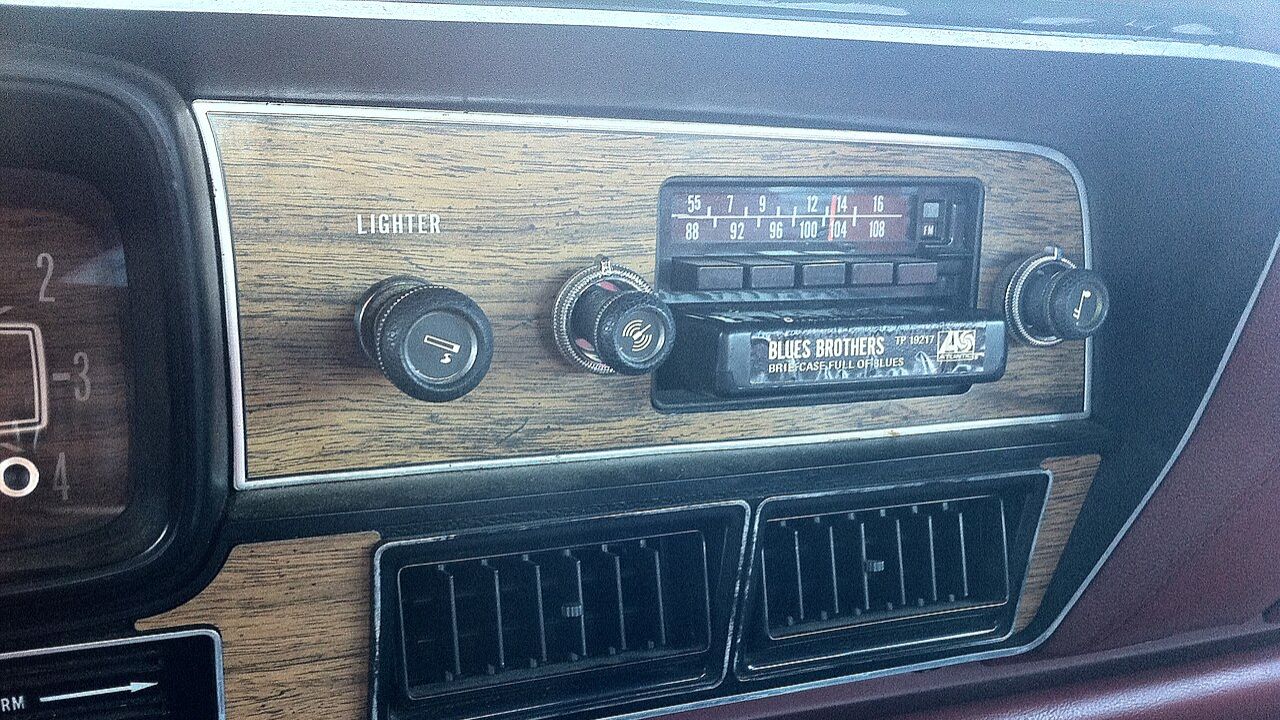
For classic car enthusiasts and collectors, the original cigarette lighter often holds a particular appeal. These features are valued for their historic authenticity, representing a piece of automotive history that connects enthusiasts to a bygone era. The presence of cigarette lighters in vintage models appeals to a sense of nostalgia, offering a tangible link to the past. As such, while their practical use has diminished, cigarette lighters continue to hold a sentimental value for many, reflecting the enduring influence of automotive heritage.