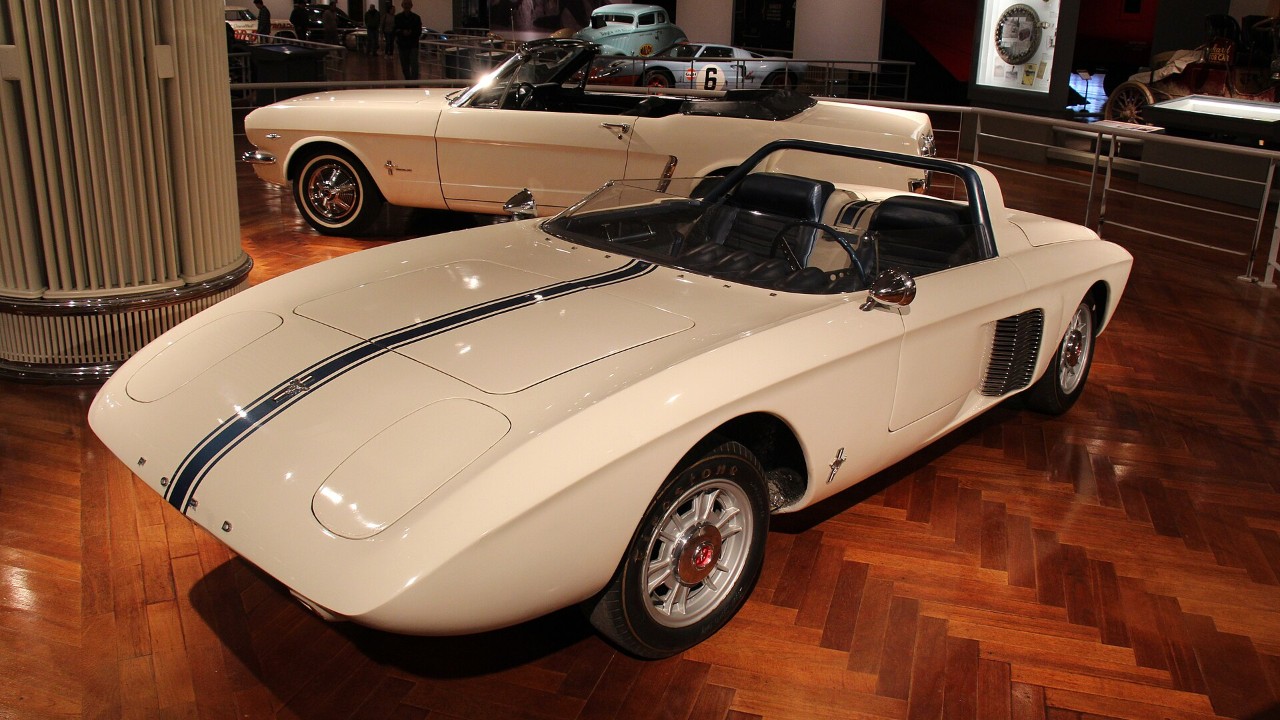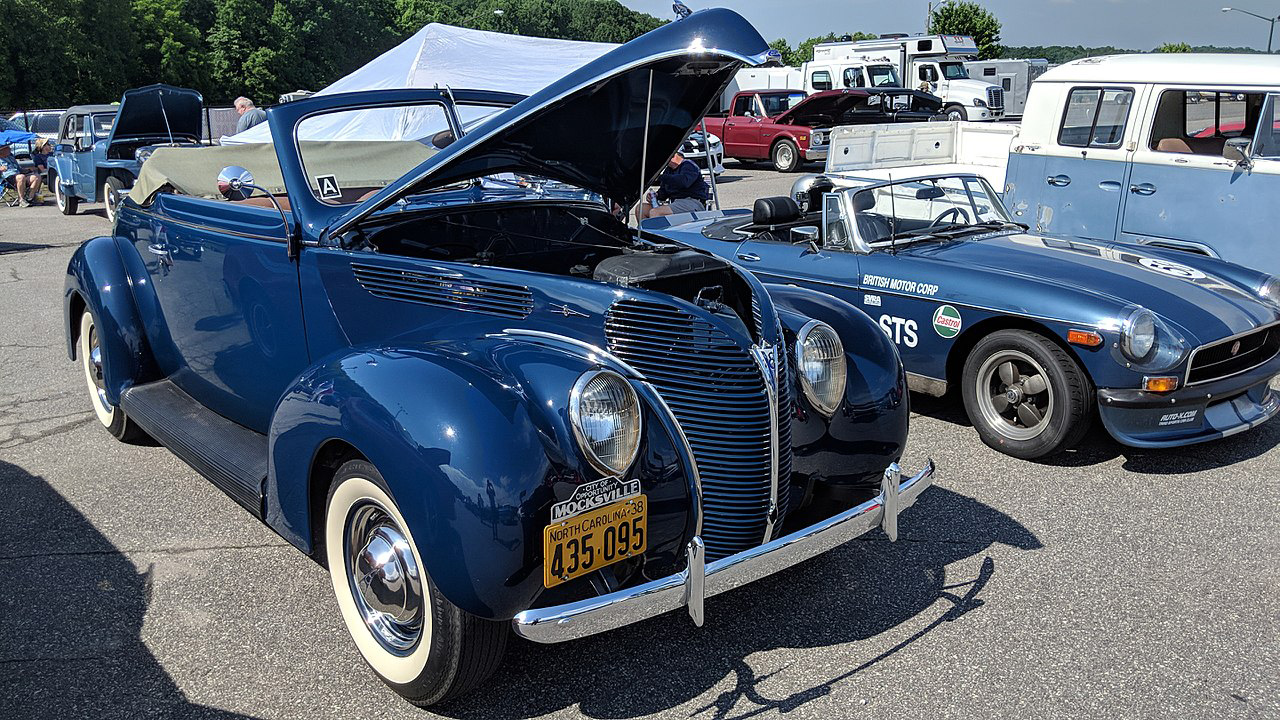
Proper battery care is crucial for maintaining the longevity and performance of vintage and antique automobiles. These classic vehicles often require special attention due to their unique electrical systems and components. Ensuring your prized possession stays in optimal condition involves understanding the intricacies of its battery and adopting the right maintenance strategies.
Understanding Vintage Automobile Battery Types
When dealing with vintage automobiles, it’s important to distinguish between traditional lead-acid batteries and contemporary battery technologies. Lead-acid batteries, the mainstay in older vehicles, operate differently from modern lithium-ion or AGM (Absorbent Glass Mat) batteries. For example, a 1955 Ford Thunderbird would typically use a lead-acid battery that requires regular maintenance, such as checking the electrolyte levels and ensuring the terminals are corrosion-free.
Identifying the correct battery specifications for your vintage car is crucial. This involves understanding the voltage and amperage requirements specific to your vehicle’s model. For instance, a 1967 Chevrolet Camaro might require a 12-volt battery with a particular cold cranking amp (CCA) rating to ensure it starts smoothly. Matching the battery capacity with the vehicle’s electrical system is essential to prevent issues such as underperformance or electrical damage.
Battery Maintenance Best Practices
Regular inspection and cleaning of battery terminals and connections can significantly enhance the lifespan of your vintage car battery. Corrosion is a common issue that affects battery performance, and it can be mitigated by periodically cleaning the terminals with a mixture of baking soda and water. Additionally, ensuring that the connections are tight and free from corrosion can prevent starting problems and electrical shorts.
Checking the battery fluid levels is another critical maintenance practice. For lead-acid batteries, it’s important to ensure that the electrolyte covers the plates inside the battery, adding distilled water as needed. Remember to wear appropriate protective gear when handling battery fluids, as the acid can be hazardous. Routine charging and discharging can also help maintain battery health. Utilizing a smart charger that adjusts the charge based on the battery’s state can prevent overcharging and prolong battery life.
Storage Solutions for Classic Car Batteries
When preparing for long-term storage during off-seasons, it’s essential to disconnect the battery from the vehicle to prevent draining. Storing the battery in a cool, dry place can protect it from temperature extremes that might affect its performance. Exposure to extreme cold or heat can shorten a battery’s lifespan, so maintaining a stable environment is key.
Trickle chargers and maintainers are invaluable tools for keeping a battery charged during storage periods. These devices provide a low, consistent charge that prevents the battery from discharging completely. Brands like Battery Tender offer reliable options that can be left connected to the battery for extended periods, ensuring it remains healthy and ready for use when needed.

Troubleshooting Common Battery Issues
Recognizing the signs of a failing battery can save you from unexpected breakdowns. Symptoms such as slow engine crank, dimming headlights, or a bloated battery case indicate potential issues. Diagnosing these problems early can prevent further damage. Regularly testing the battery’s voltage with a multimeter can help identify whether it’s holding a charge effectively.
Corrosion, leaks, and swelling are common problems in older batteries, often resulting from prolonged exposure to high temperatures or overcharging. If the battery terminals are corroded, cleaning them can restore connection efficiency. In cases of leaks or swelling, replacing the battery is often the safest option to avoid further damage to the vehicle’s electrical system.
Modern Innovations for Vintage Battery Care
Exploring modern battery technologies that are compatible with vintage vehicles can offer numerous benefits. Maintenance-free batteries, such as AGM or gel batteries, require less attention and are resistant to leaking and corrosion. These options can provide a more reliable power source for classic cars like the 1970 Dodge Charger, reducing the need for frequent maintenance checks.
Smart charging systems and mobile apps allow for enhanced battery management. These technologies provide real-time data on battery health, making it easier to monitor and maintain optimal performance. By integrating modern innovations, vintage car owners can ensure their vehicles remain in top condition while benefiting from the reliability and convenience these technologies offer.