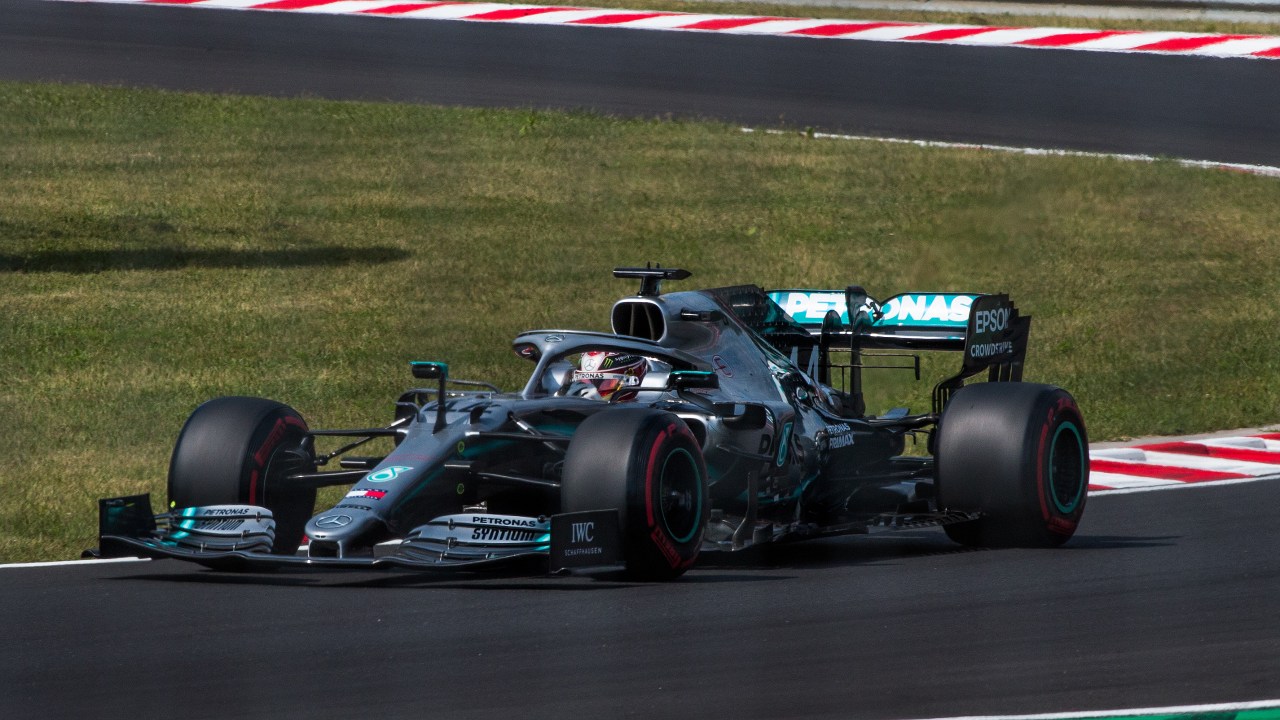
Formula 1 qualifying compresses the entire sport into a handful of laps, where every mistake is magnified and every gain is measured in thousandths of a second. The race might decide the points, but the fight for grid position is where drivers are pushed to the absolute edge of their talent, their machinery and their nerve. When I look at how the format, strategy and psychology collide across those short sessions, it is hard to find another moment in motorsport that matches qualifying for pure, sustained intensity.
The knockout format that leaves no hiding place
What makes modern F1 qualifying so unforgiving is that it is not a single time trial, it is a three-part elimination gauntlet. The session begins with Q1, a first phase that runs for 18 minutes and includes the full field, with the slowest cars removed at the end of the segment. Survive that and a driver moves into Q2, where the clock is shorter and the standard higher, before the final cut leaves only the quickest ten to fight for pole in Q3. The structure means that from the moment the green light appears, every lap is either about staying alive or setting up a shot at the front of the grid, as detailed in explanations of how qualifying kicks off with Q1 and then tightens through the later segments.
That knockout design also hardwires jeopardy into the format in a way most other series simply do not match. A frontrunner who mistimes a run, hits traffic or locks a brake in Q1 can find themselves starting deep in the pack, with no second chance to rescue the day. The official purpose of qualifying is straightforward, to set the starting grid for the main race, and that is exactly how it is described in explanations of the starting grid order. Yet the knockout format turns that simple objective into a high-stakes filter, where a single misstep can transform a potential victory into a damage-limitation Sunday before the race has even begun.
One-lap perfection and the art of managing chaos
At the heart of qualifying is a paradox that I find endlessly compelling: drivers must deliver a single, near-perfect lap while surrounded by variables they can only partially control. The car is trimmed for speed, the fuel load is minimal and the tyres are at their grippiest, which means the performance window is incredibly narrow. Analyses of the current format underline how teams obsess over tyre strategy and the balance between early banker laps and late, all-or-nothing attempts, framing qualifying as a conflict between one-lap heroics and longer-run thinking, a tension captured in detailed breakdowns of everything you need to know about the session structure.
Layered on top of that is the chaos of traffic and track evolution, which can make or break a lap before a driver even reaches the braking zone for Turn 1. As more cars circulate, rubber builds up and the circuit gets quicker, so teams often hold their drivers in the garage to chase the best possible conditions later in the session. That tactic, however, increases the risk of getting caught in a queue of cars preparing their own flying laps, or of losing a final attempt to a yellow flag. The same detailed guides that describe how Q1, Q2 and Q3 unfold also highlight how drivers and engineers must constantly weigh the benefit of a cleaner, earlier run against the lure of a faster track surface later in the session, a balancing act that keeps the pressure dialled up from start to finish.
Why drivers sometimes slow down to go faster
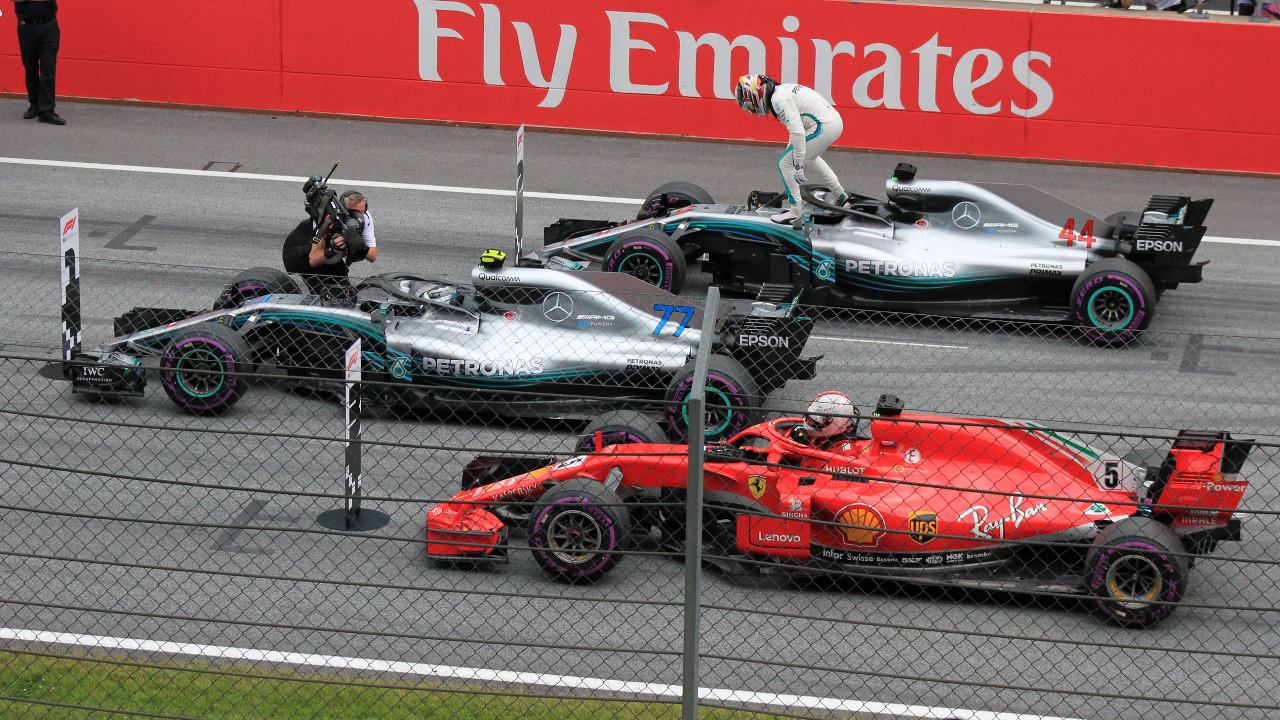
From the outside, it can look baffling when a driver crawls around a circuit in qualifying, apparently wasting precious time. In reality, those slow laps are often the most calculated part of the entire session. Drivers back off to create a gap to the car ahead, so that when they start their flying lap they are not stuck in turbulent air that robs them of downforce and grip. They also use those moments to prepare their tyres and brakes, bringing temperatures into the ideal window so that the car is ready to deliver maximum performance the instant they cross the timing line, a pattern that is unpacked in explanations of why drivers slow down in qualifying.
There is also a mechanical logic behind this apparent contradiction of slowing down in the most intense session of the weekend. A qualifying lap puts enormous strain on the power unit, gearbox and suspension, so drivers and teams are careful not to waste that stress on laps that will not count. By easing off between attempts, they protect the car while still keeping it in the right operating window, a compromise that becomes even more important under modern reliability rules and component limits. The same breakdown of the eight main reasons for backing off in qualifying notes how drivers manage tyre wear, engine mileage and even fuel usage during these slow tours, all in service of making sure that when it is time to attack, the car is as fresh and sharp as possible for that one decisive run.
Strategy, tyres and the invisible chess match
What I love about qualifying is that the drama is not only in the cockpit, it is also in the garage, where strategists are playing a rapid-fire game of chess. Every decision about when to send the car out, which tyre compound to use and how many laps to attempt has a direct impact on the final grid position. Detailed guides to the current format explain how teams juggle their tyre allocations across Q1, Q2 and Q3, often sacrificing an extra run in an earlier segment to preserve a fresh set of the fastest compound for a final shot at pole, a trade-off that is central to understanding how qualifying works in practice.
Those strategic calls are made under intense time pressure, with engineers reacting to live sector times, changing weather and the behaviour of rival teams. If a sudden gust of wind unsettles the car in one corner or a light drizzle appears at one end of the circuit, the entire run plan can be torn up in seconds. Explanations of the qualifying format emphasise how teams must constantly adapt to the evolving grip level and air conditions, chasing the sweet spot where the tyres are at their peak and the track is at its quickest. That invisible chess match, played out in radio messages and hurried pit lane activity, adds another layer of tension to a session that already demands perfection from the drivers on track.
Why qualifying feels like the purest test of a Formula 1 driver
For all the strategy and engineering that goes into it, qualifying ultimately strips F1 back to its most basic question: who can drive a single lap faster than anyone else. The race rewards consistency, tyre management and racecraft, but the Saturday shootout is about raw speed and commitment. Official explanations of the session make clear that its formal role is to determine the starting position for Sunday, yet when I watch a driver thread a car through a street circuit with millimetres to spare, it feels like a separate contest in its own right, one that showcases a different side of their skill set compared with the longer grind of the race, a distinction that sits at the heart of the explanation of qualifying.
That purity is amplified by the way the format concentrates risk and reward into a tiny window of time. In Q3, the battle for pole often comes down to two flying laps, sometimes only one if conditions are marginal or a red flag interrupts the session. Guides that walk through the structure of Q1, Q2 and Q3 describe how the final phase is shorter and more intense, with drivers running minimal fuel and the softest tyres to chase every last fraction of a second, a scenario that is central to understanding how qualifying works at the sharp end. When a driver nails that lap, it is a moment of distilled brilliance. When they miss it, there is no safety net, only the long, hard reality of starting further back and knowing that the most intense test of the weekend has already passed them by.
More from Fast Lane Only: